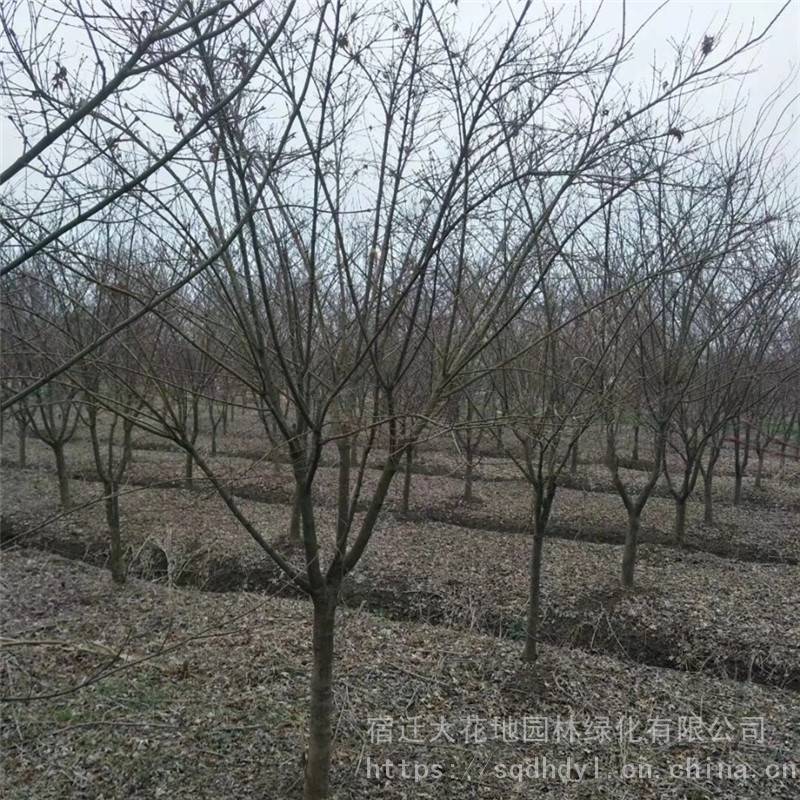
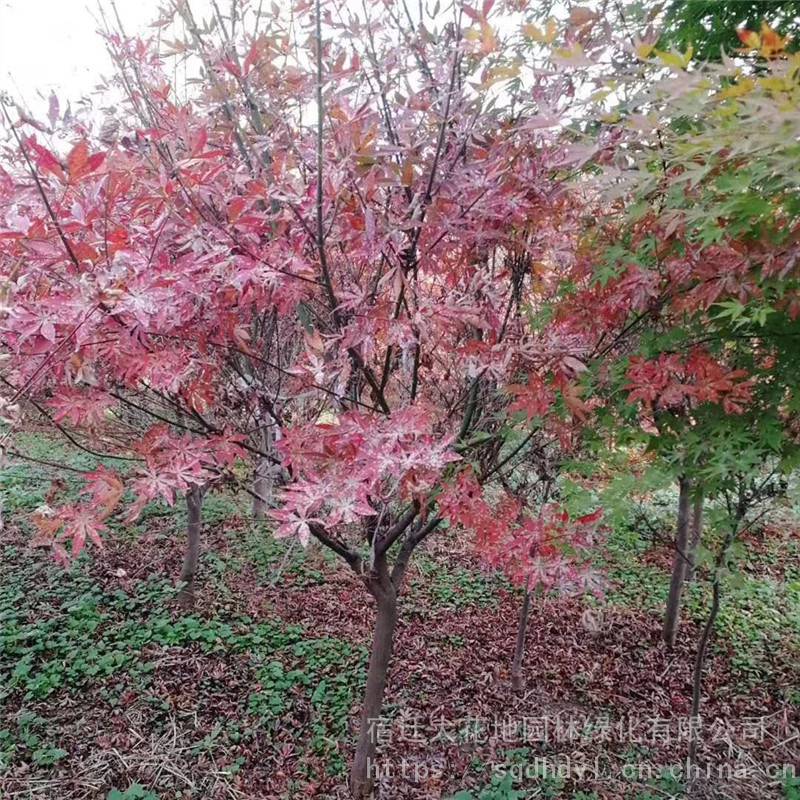
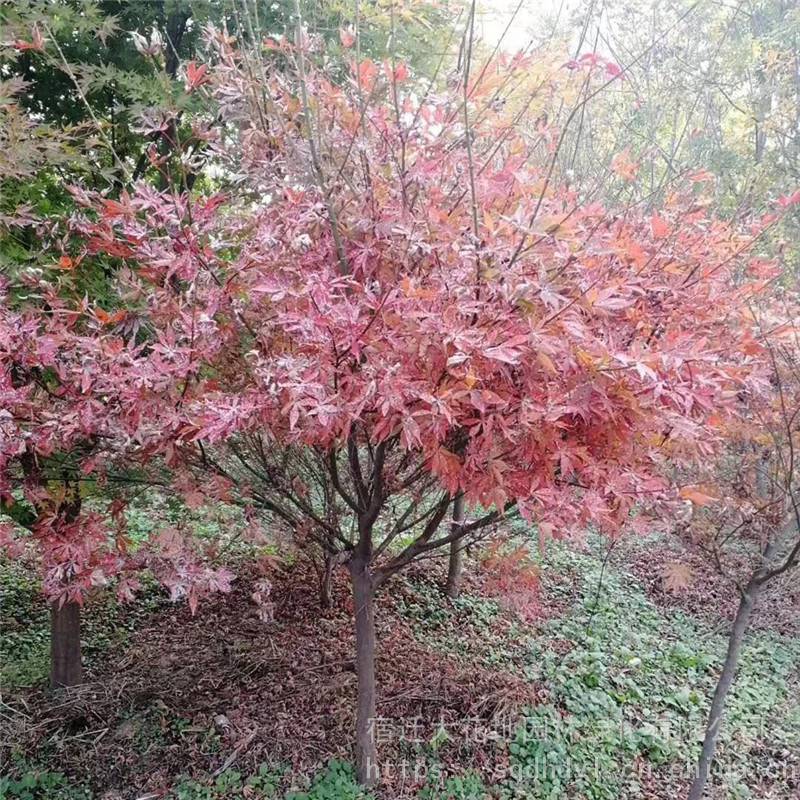
Wanted: Red Maple seedlings, Red Maple seeds. Seeking Dahuadi Garden for bulk supply of Red Maple trees. Sizes available: 2cm, 3cm, 4cm, 5cm, 6cm, 7cm, 8cm, 10cm, 12cm diameter, with beautiful shapes and vigorous growth. Large quantities of Red Maple trees are available at Shuyang Red Maple Base. For specific prices and availability, please contact us. This article covers: Red Maple images, Shuyang Red Maple price list, survival rates, and planting timelines. Good partners, great future, welcome to Dahuadi Garden.
Prices vary based on quantity, quality, and planting time; real-time prices, please call for the most up-to-date information.
Name: Red Maple
Alias: Maple Tree, Red Maple Tree
Family: Aceraceae, Genus Acer
Categories: Flower Shrubs/Colored Seedlings
Clay ball: 1:7 during spring, autumn, winter; 1:8 in summer
Branching point: 80~120可选
Growth Temperature: 18~31°C
Propagation Methods: Sowing, Cutting, Grafting
Planting Season: Year-round
Origin Distribution: Jiangsu, Zhejiang, Anhui, Henan, Fujian, Jiangxi, Hubei, and other regions.
Red maple is one of the colorful tree seedlings, a deciduous small tree with a height of 2~5 meters, smooth branches, and purple-red in color. The red maple leaves are claw-shaped, measuring 5~10 cm in length. Red maple is a variety of Acer palmatum, with many sub-varieties. It has a spreading, flat crown, lush foliage, and beautifully shaped leaves with vibrant and enduring colors, clear layers, and a purple-red hue all year round, making it highly valuable for ornamental purposes. It is widely used in landscaping as a courtyard ornamental tree, primarily planted individually or in groups, paired with rocks for an excellent viewing effect. It takes at least two years to gradually manifest the desired greenery effect in the design, but the beautiful maple trees are worth the time and care.
Red maple has excellent cold resistance, prefers a warm and moist environment, enjoys full sun and fertile soil, is highly resistant to pests, and is a low-maintenance variety in gardens. It's not particular about soil, just needs good drainage, no compaction, and loose, breathable soil. Fertilize 4-6 times a year using agricultural fertilizer, surface spreading, or root burial methods. In rainy weather, ensure proper drainage to prevent root rot, as prolonged waterlogging is detrimental. It can survive winter temperatures as low as -20 degrees Celsius naturally without insulation, and performs well in the Yellow River basin.
【Seedling Raising Experience Sharing】 Red maple propagation primarily involves grafting and sowing. Japanese red maples and Chinese red maples are excellent ornamental tree species. Grafting propagation is fast, seedlings grow well, and have good resistance, making it a widely used method in nurseries across regions. Seed propagation is also employed. The grafting stock includes Japanese maple, five-angled maple, and triangle maple, among others. Grafting is suitable from April 8th to August each year. Bark stripping and branch grafting yield an 80% survival rate. Post-grafting, attention must be given to watering and fertilizing, ensuring immediate watering and fertilization to maintain sufficient moisture supply.
Nursery transplants are cultivated, with recommended row spacing of 80*1.5 meters, 1.5*2.2 meters, and 3*4 meters, respectively cultivating seedlings from 3 to 5 cm, 6 to 8 cm, and 12 to 15 cm in diameter. Choose according to your plan. Recommended stake height is 1.2 meters, 1.8 meters. Currently, the branching point of the market-sold red maple is about 80 to 100 cm. There's a high supply and intense competition with slim profits, so we must innovate to produce sizes that others don't offer.
Annual pruning of more than twice is required. Red maple is a fertilizer-tolerant species that needs abundant nutrients during spring and summer. Up to 80 kg of fertilizer can be applied per mu, either as a top dressing or buried at the root. Fertilization should be accompanied by watering. If the soil moisture is insufficient, the nutrients are difficult for seedlings to absorb and utilize, and they are all wasted. Water the plants as needed according to the weather conditions.

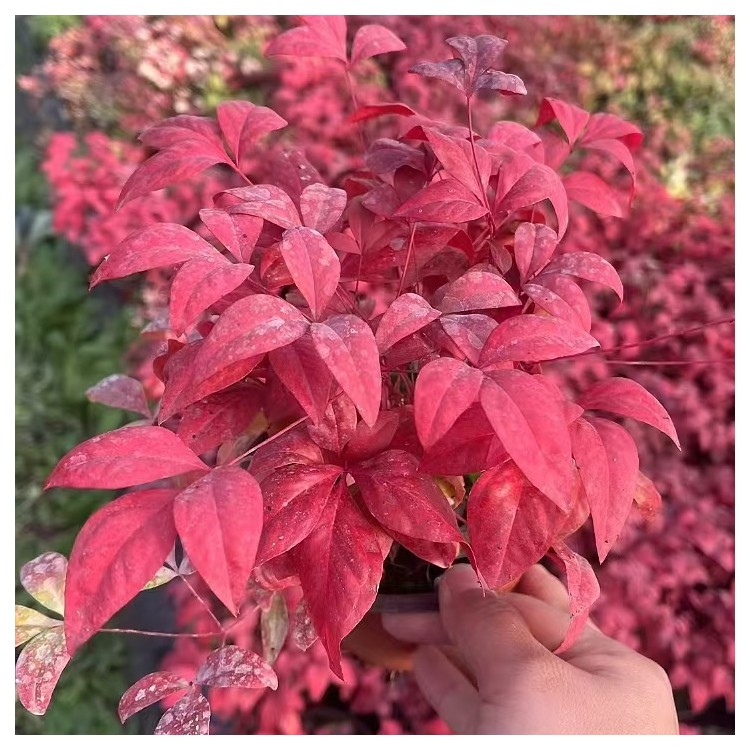 Fire Red Barberry - Self-produced and sold - Competitive prices - High survival rate
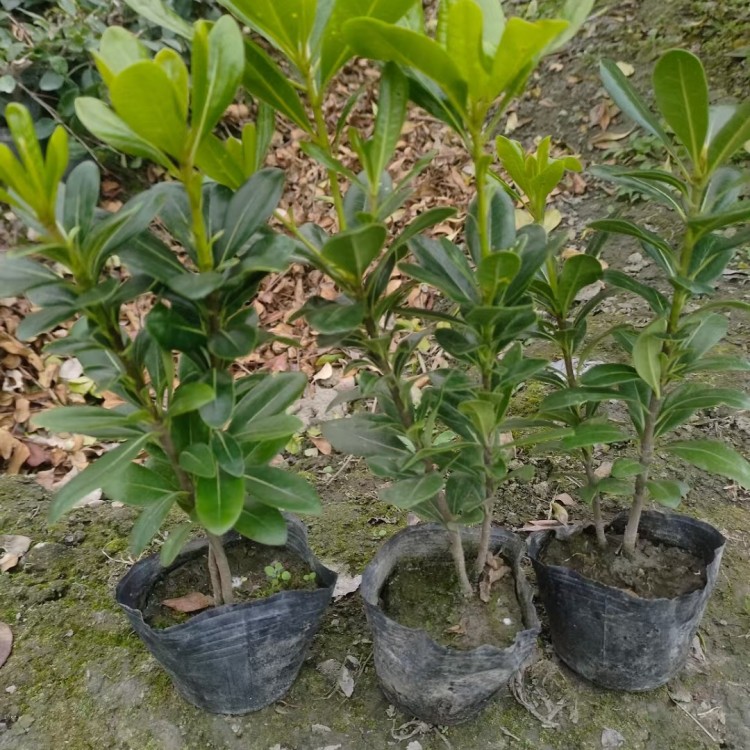 Hainong Seedlings - Self-produced and sold at the base - Competitive pricing - High survival rate
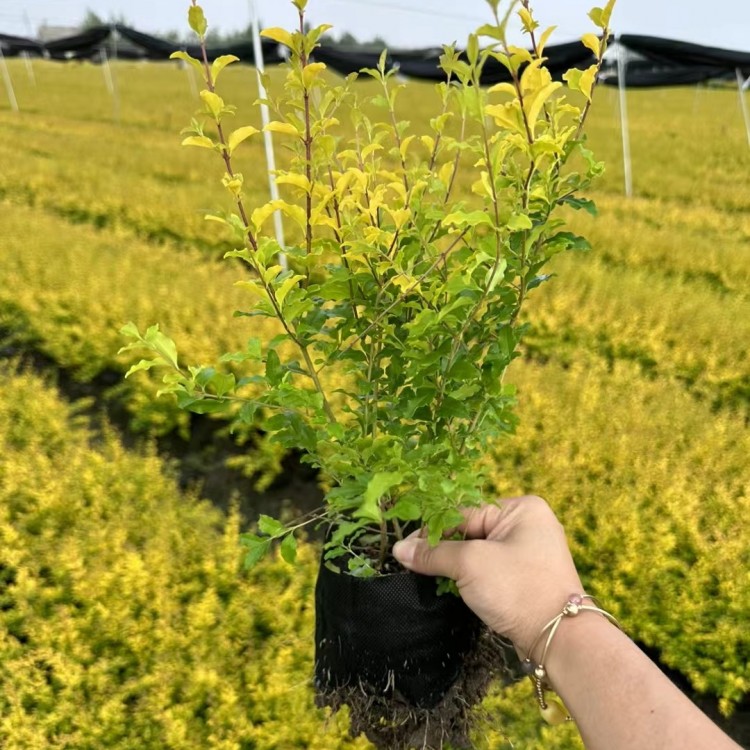 Bright Crystal Holly - Self-produced and sold at base - Competitive price - High survival rate
 Boxwood seedlings - Self-produced and sold at base - Competitive prices - High survival rate


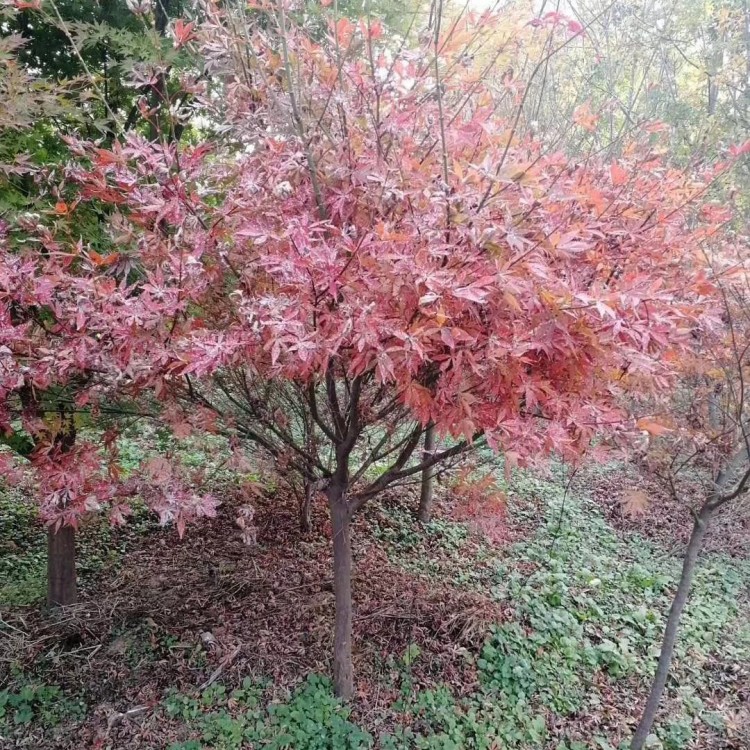

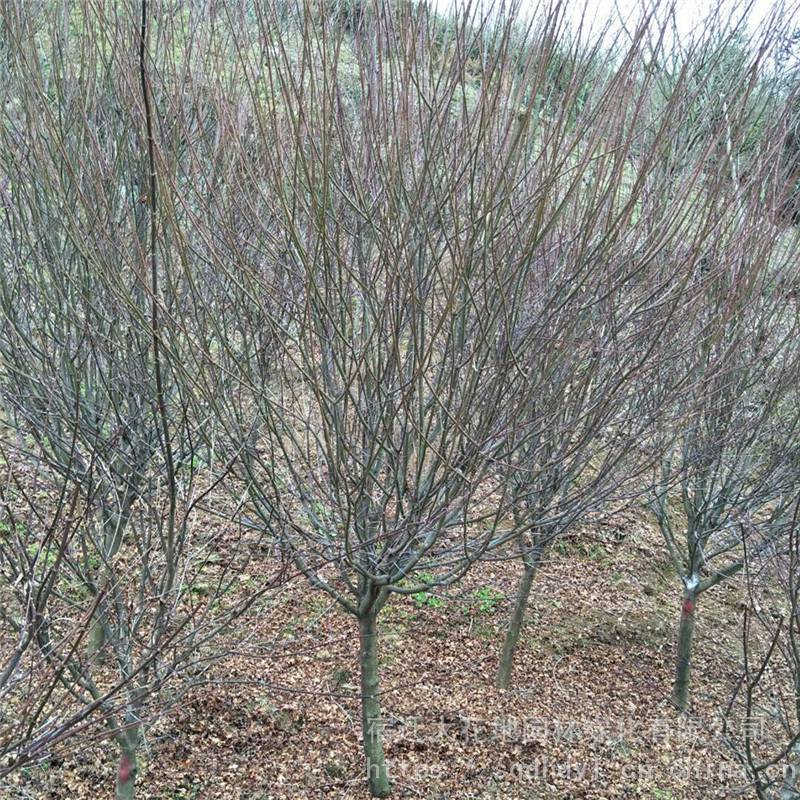


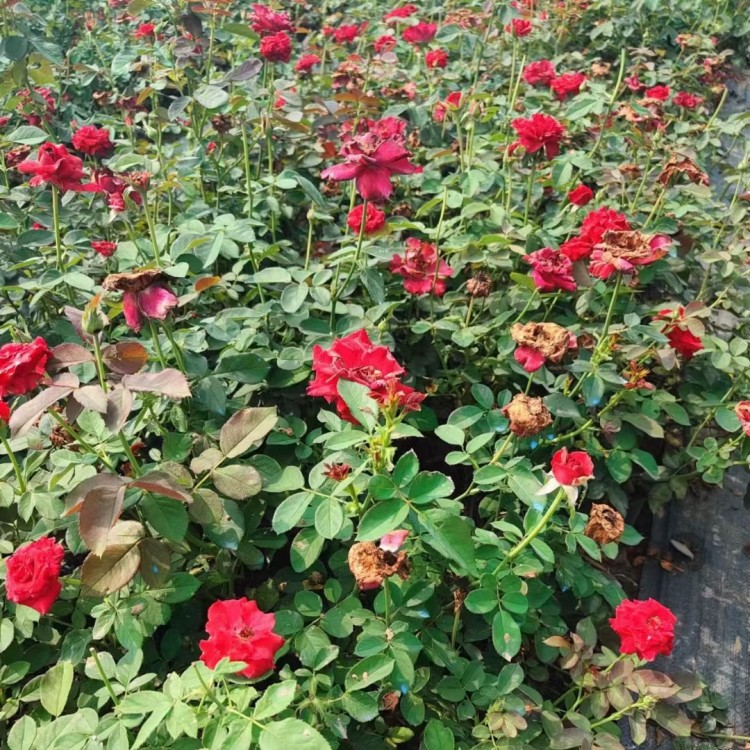 Red Hat Rose - Self-produced and sold locally - Competitive prices - High survival rate
¥0.80
Red Hat Rose - Self-produced and sold locally - Competitive prices - High survival rate
¥0.80
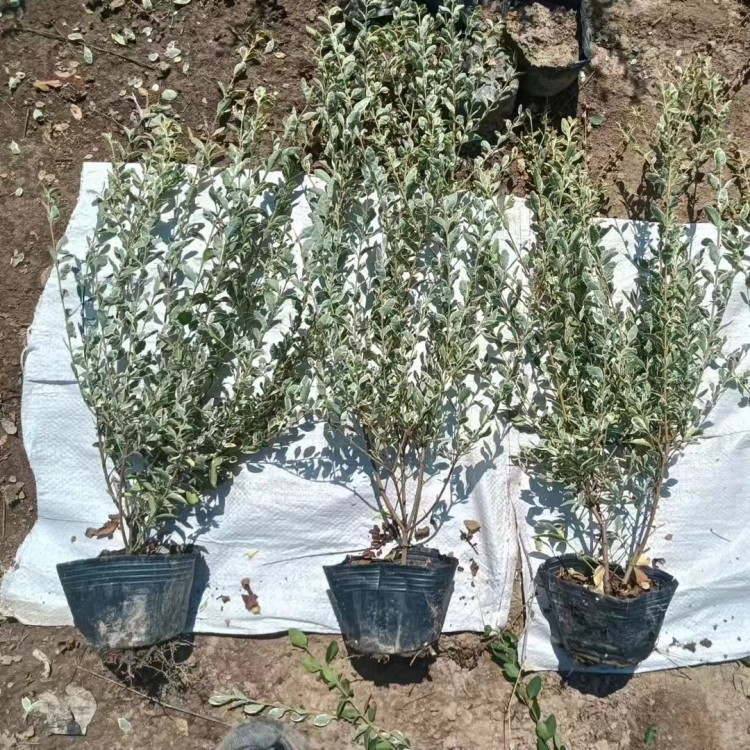 Yinji Small Wax Seedlings - Self-produced and Sold - Competitive Pricing - High Survival Rate
¥1.20
Yinji Small Wax Seedlings - Self-produced and Sold - Competitive Pricing - High Survival Rate
¥1.20
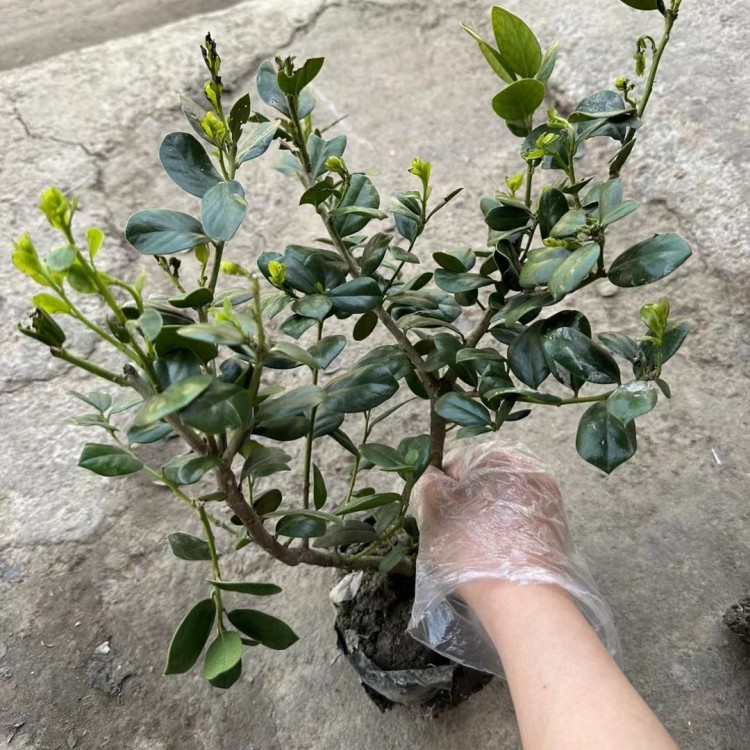 Thornless Huperzia - Sourced and Sold at Base - Competitive Prices - High Survival Rate
¥1.50
Thornless Huperzia - Sourced and Sold at Base - Competitive Prices - High Survival Rate
¥1.50