

日期:2025-01-18 浏览:63
With rapid social development and ongoing urbanization, the demand for electricity and the construction of power grids are growing increasingly. However, power accidents and equipment failures still occur frequently, posing threats to people's lives and property safety. Among them, the single-phase fire-resistant current-limiting protector, as a new type of electrical protection device, plays a significant role in preventing electrical fires and enhancing grid reliability. This article will introduce the functions and applications of the single-phase fire-resistant current-limiting protector.
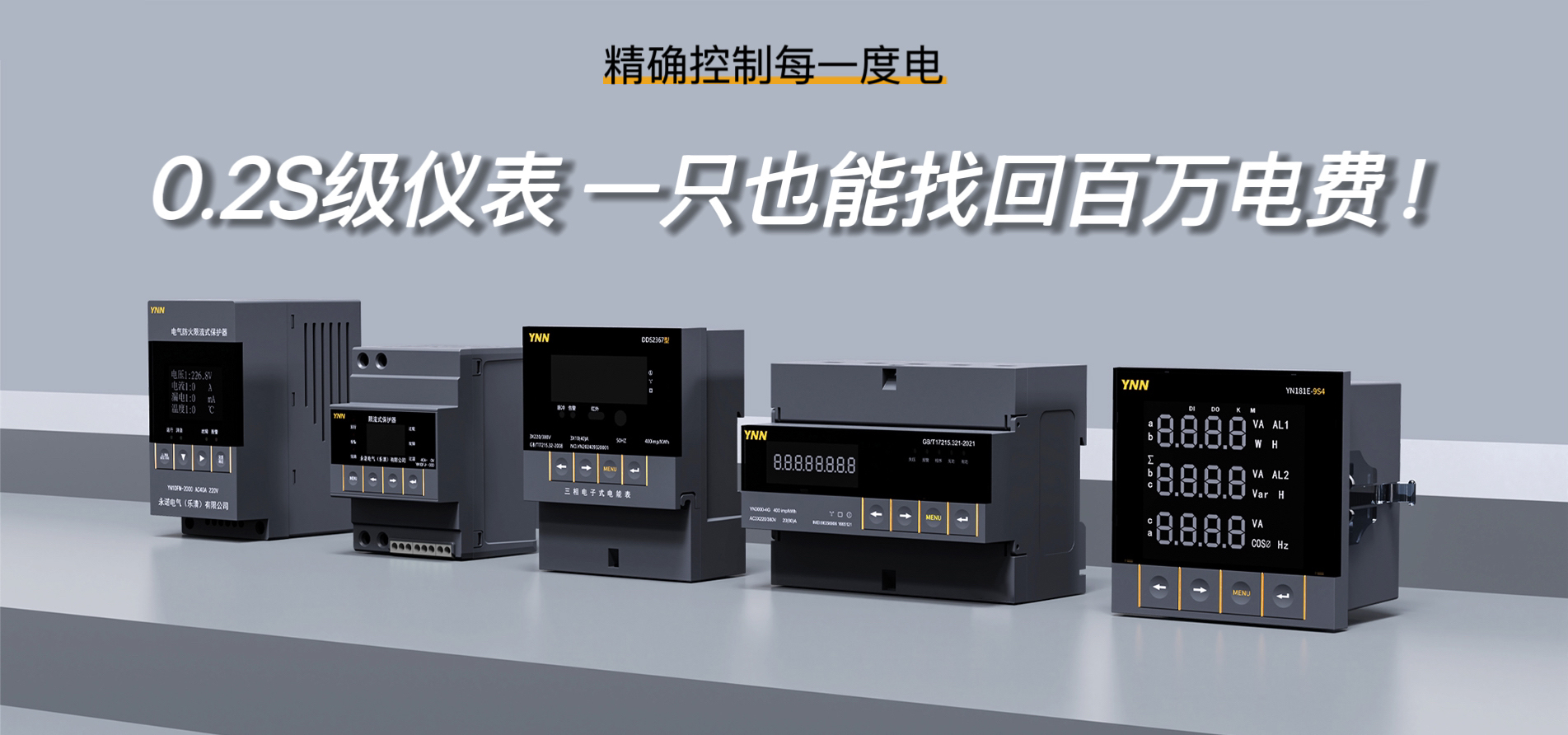
The Single-phase Fire-Resistant Current-Limiting Protector is an electrical protective device designed to limit the short-circuit current in single-phase AC power lines. It can quickly cut off the power supply in the event of a circuit abnormality, preventing accidents from escalating and ensuring the safety of electrical equipment and personnel. Its basic functions include overload protection, short-circuit protection, overvoltage protection, and undervoltage protection. Overload protection is a key feature of the Single-phase Fire-Resistant Current-Limiting Protector. When the load current in the circuit exceeds the rated value, the protector can automatically cut off the power supply to prevent equipment damage and electrical fires caused by overloading. Additionally, it can emit an alarm signal to alert users to address the issue promptly.
Short-circuit protection is another key feature of the single-phase fire-retardant current-limiting protector. When a circuit experiences a short circuit, the current spikes instantly, and failing to promptly disconnect the power can lead to severe consequences such as equipment overheating and electrical fires. The single-phase fire-retardant current-limiting protector can immediately cut off the power during a short circuit, effectively preventing the accident from escalating. Overvoltage and undervoltage protection are auxiliary functions of the single-phase fire-retardant current-limiting protector. Both overvoltage and undervoltage can cause damage to electrical equipment, even leading to electrical fires. When overvoltage or undervoltage occurs in the circuit, the protector can quickly disconnect the power, protecting the electrical equipment from damage.
The single-phase fire-limiting protector has a broad range of applications, covering industrial, commercial, and residential sectors. In industrial production, where equipment is complex and loads are heavy, electrical accidents and equipment failures are more likely to occur. The application of the single-phase fire-limiting protector significantly reduces the risk of fires caused by electrical accidents, ensuring the smooth progress of industrial production. In commercial and residential settings, the use of the single-phase fire-limiting protector enhances electrical safety and safeguards people's lives and property.
Additionally, the single-phase fire-limiting protector is widely used in new power grid construction projects. As the scale of the power grid continues to expand, ensuring the reliability and safety of the grid has become an urgent issue to address. By installing single-phase fire-limiting protectors at critical locations, the stability and reliability of the power grid can be effectively enhanced, reducing the probability of grid accidents.
In summary, the single-phase fire-retardant current-limiting protector, as a new type of electrical protection equipment, offers multiple functions including overload protection, short-circuit protection, overvoltage protection, and undervoltage protection. Its application effectively prevents electrical fires, ensures the safety of power equipment and personnel, and enhances the level of electrical safety. It has broad application prospects in industrial, commercial, residential, and new power grid engineering sectors.