

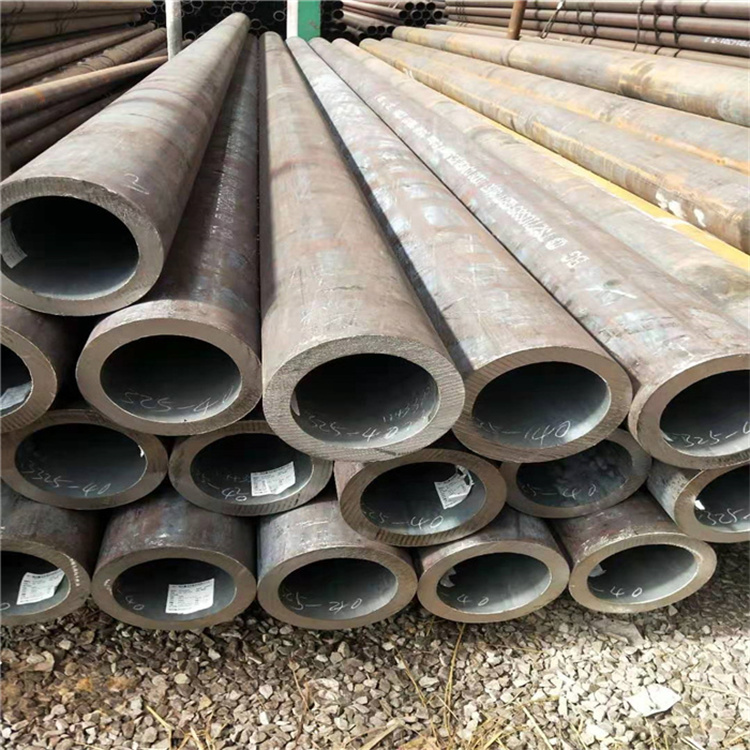
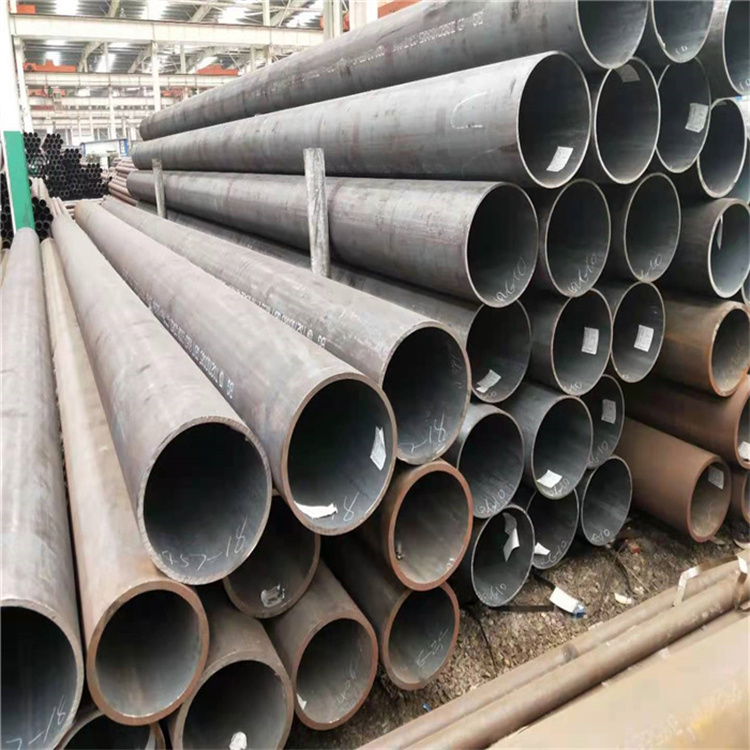
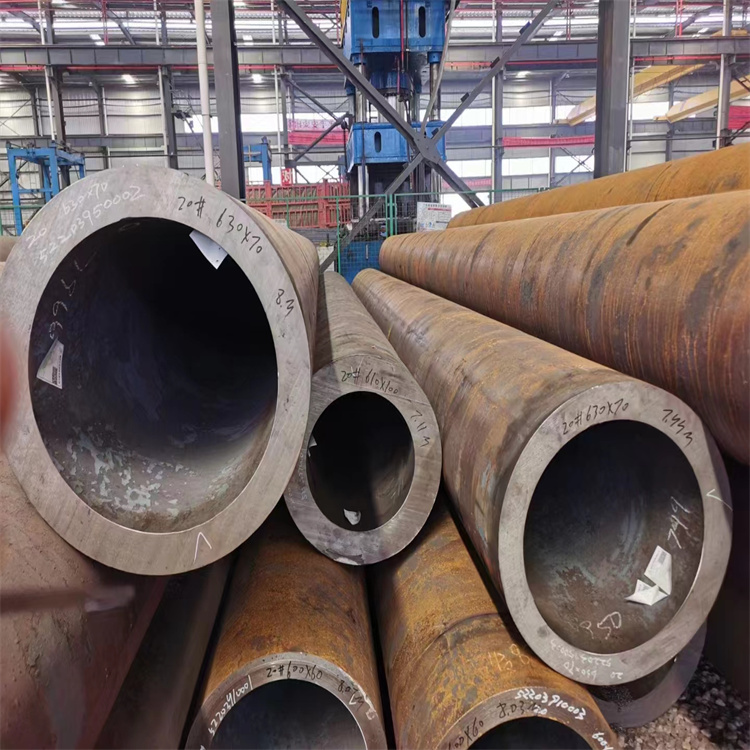
It is mainly used for equipment producing ethylene, propylene, urea, synthetic ammonia, compound fertilizers, and process equipment for washing, purification, desulfurization, and degreasing. It can also be used in the manufacture of cryogenic equipment, ultra-low-temperature cold storage rooms, pipelines and fittings for transporting ultra-low-temperature liquefied gases, such as deep refrigeration separation equipment for natural gas, air separation equipment, and more. The main types of refrigerant tube materials are Austenitic and Ferritic, with the Austenitic type having a different crystal structure that eliminates the brittle transition temperature at low temperatures, thus generally not requiring verification of its low-temperature impact toughness. However, it is specified that when the service temperature is not below -196℃ (low temperature range), impact testing can be waived. When the service temperature is in the -(ultra-low temperature range), it must be carried out in accordance with the requirements of the design documents. Ferritic tubes exhibit a distinct brittle transition temperature at low temperatures and have their appropriate low-temperature range. While there may be slight differences in the low-temperature limits of steel across various countries, the actual industrial environment (liquid hydrogen) can go as low as -253℃ and above.
To date, ferritic low-temperature seamless steel tubes, represented by those with a service temperature of -196°C, have successfully been commercialized. Due to safety considerations, various countries have established specific standards for the production and use of ferritic low-temperature tubes. In terms of application, low-temperature tubes are mainly used for low-temperature pipelines and heat exchangers. Unlike the national and European standards that only set a single standard, different standards are established for low-temperature tubes with different applications. Internationally, the production and acceptance of low-temperature seamless tubes for heat exchangers often adopt domestic designs and refer to the production of low-temperature tubes. This approach not only meets domestic design requirements and achieves domestic substitution but also facilitates direct export to international markets.
In fact, as the level of domestication in the large-scale petrochemical equipment continues to rise, particularly with the sequential export of complete sets of equipment, the introduction of domestically produced low-temperature pipes or national standard low-temperature pipes is required as support, and there is a particular need to expand the international low-temperature seamless pipe system. With the continuous improvement of China's steel equipment and technological level, we have also established the foundation for domestication of low-temperature pipe materials. Conducting evaluations on the ultra-limit values and non-standard applicability not only helps demonstrate the excellent quality of domestically produced low-temperature seamless pipes but also explores their extreme operating temperatures, expanding their range of use.
