


Common hardness testing methods include Brinell hardness (HB), Rockwell hardness (HRA, HRB, HRC), and Vickers hardness (HV). Fatigue strength, plasticity, and hardness are all mechanical property indicators of metals under static loads. In reality, many mechanical parts operate under cyclic loads, where fatigue in the parts occurs.
Welded steel pipes for low-pressure fluid protection (GB/T3092-1993), also known as general-purpose welded pipes or black pipes, are used for general low-pressure fluids such as water, gas, oil, and hot steam, as well as other applications. The wall thickness of the pipes is categorized into standard pipes and thickened pipes; the connection ends are available in both threaded and unthreaded options.
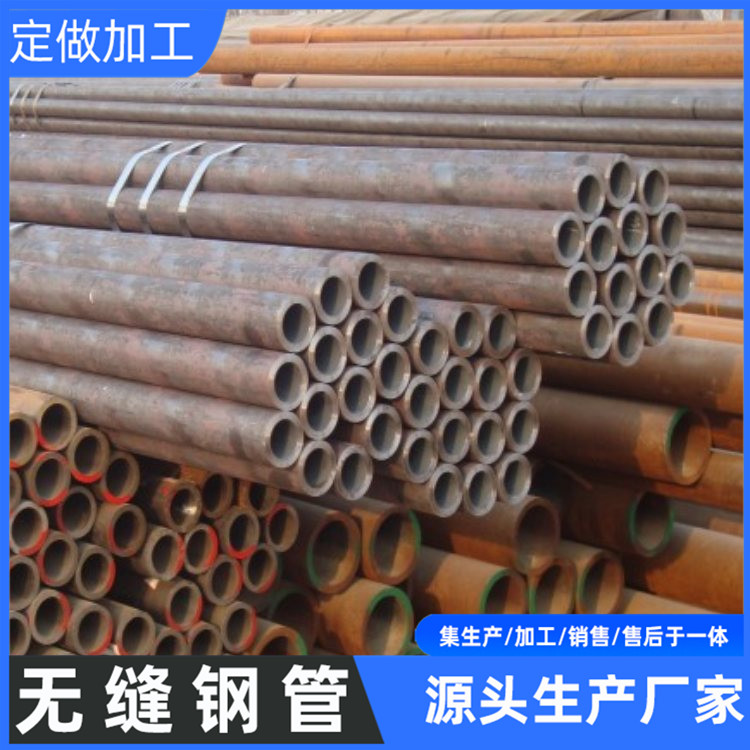
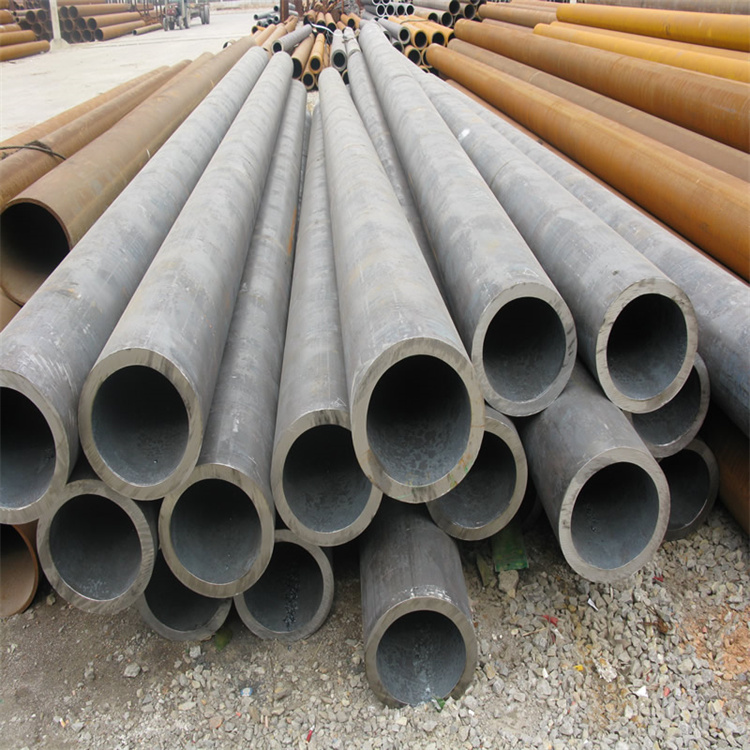
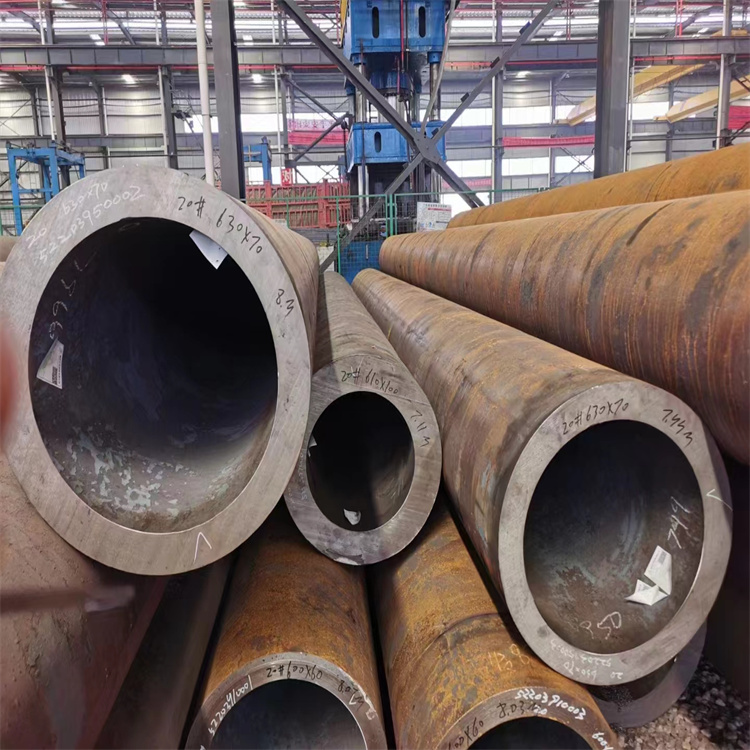
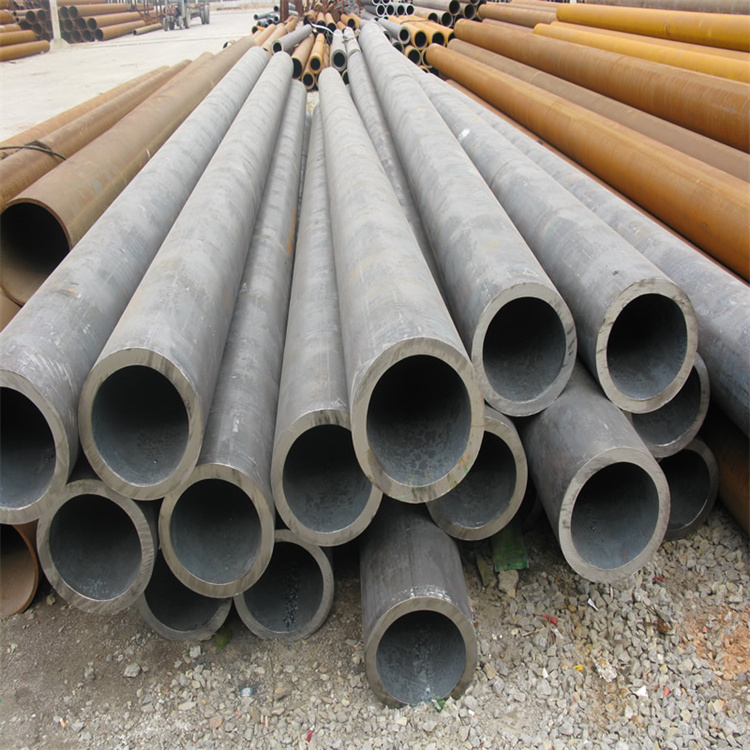
Seamless steel tubes are manufactured by piercing and rolling solid billets.
I. Manufacturing Method.
According to different production and manufacturing methods, they can be categorized into hot-rolled pipes, cold-rolled pipes, cold-drawn pipes, extruded shaped pipes, and so on.
1.1. Hot-rolled seamless tubes are generally produced on fully automatic tube-rolling machines. Solid billets are inspected to eliminate surface defects, cut to the required length, and the surface at the piercing end of the billet is ensured. They are then sent to the heat treatment furnace for heating and pierced in the piercing machine. Additionally, as the piercing occurs, the billet continuously rotates and advances, under the action of the hot-rolled strip steel and the top roll, an internal cavity gradually forms in the billet, known as a blank tube. It is then sent to the fully automatic tube-rolling machine for further rolling. Finally, the entire mechanical wall thickness and diameter are set to meet the specifications and model requirements. Using a continuous tube-rolling mill to produce hot-rolled seamless tubes is an excellent method.
1.2. To obtain smaller-sized, high-quality seamless steel tubes, it is necessary to opt for cold rolling, cold drawing, or a combination of both. Cold rolling is typically conducted on a twin-roll extruder, where seamless steel tubes are rolled in a circular hole with variable cross-section and a stationary cone top. Cold drawing is generally performed on a 0.5~100T multi-chain or double-chain cold drawing machine.
1.3 Extrusion method involves placing the heated billet into a sealed extrusion barrel, where the piercing rod and extrusion rod move together to extrude the extruded part through a small hole. This method can produce small-diameter seamless steel tubes.
