




Selecting suitable locations and warehouses:
1) The site and warehouse for storing steel should be selected in areas that are clean, well-drained, and away from processing factories and mining operations that generate harmful substances and smoke. Eliminate weeds and waste on-site to maintain the cleanliness of the steel.
2) Corrosive materials such as acids, alkalis, salts, and concrete are not allowed to be stored in the warehouse with steel. Different types of steel should be stacked separately to prevent confusion and contact corrosion.
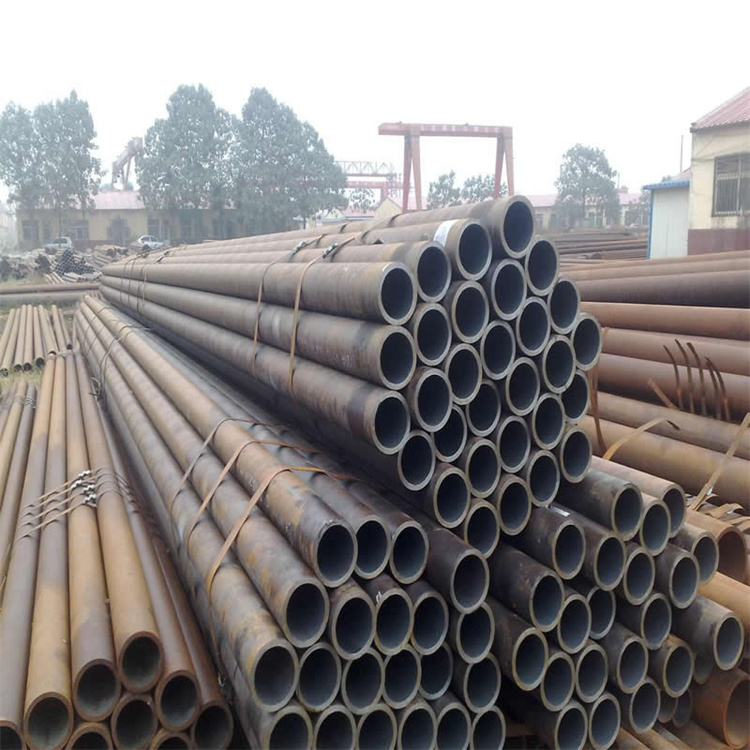
3) Large and medium-sized steel, iron rails, thick steel plates, large diameter steel pipes, cast steel products, etc. Suitable for outdoor storage.
4) Large, medium, and small steel bars, round steel, construction reinforcing steel, medium diameter steel pipes, stainless steel wire, and galvanized steel wire rope, etc., can be stored in a well-ventilated shed, but must be placed on a pad under the roof.
5) Various small steel bars, cold-rolled steel plates, strip steel, silicon steel plates, small diameter or thick-walled steel pipes, a variety of cold-rolled, galvanized wires, and high-priced, easily corroded metal products can be stored and warehoused.
6) The warehouse should be selected based on natural geographical standards, generally opting for a standard enclosed warehouse, which has walls on the roof, sealed doors and windows, and ventilation equipment.
7) The warehouse is required to have ventilation on sunny days, close the waterproofing during rain, and maintain an appropriate storage environment consistently.
