
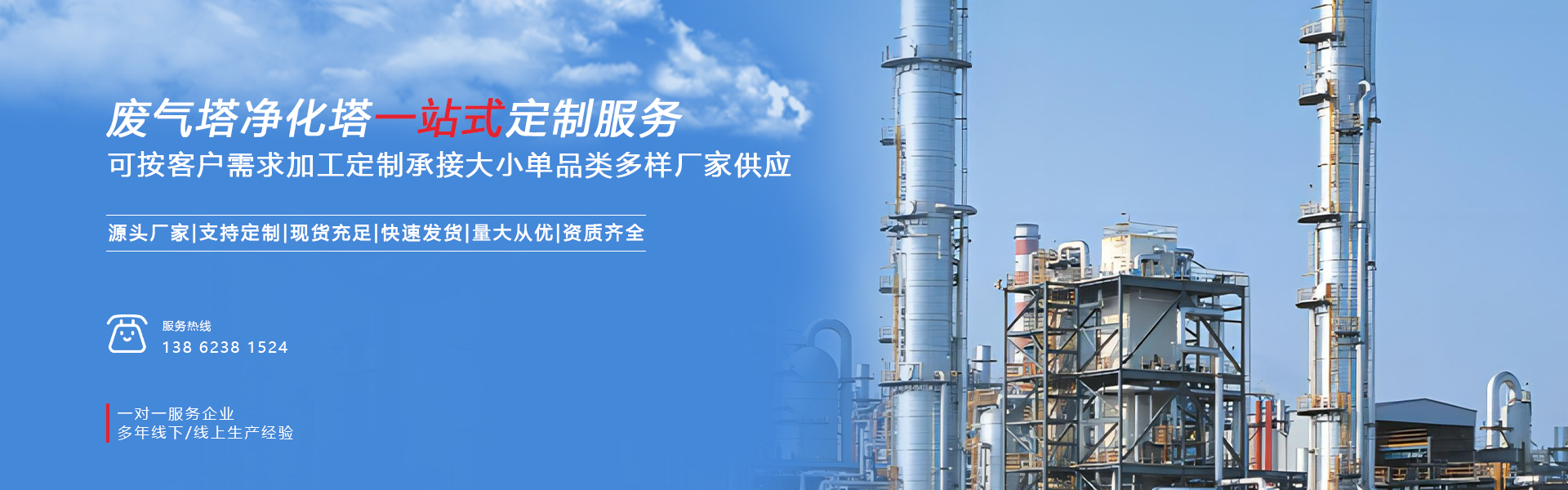
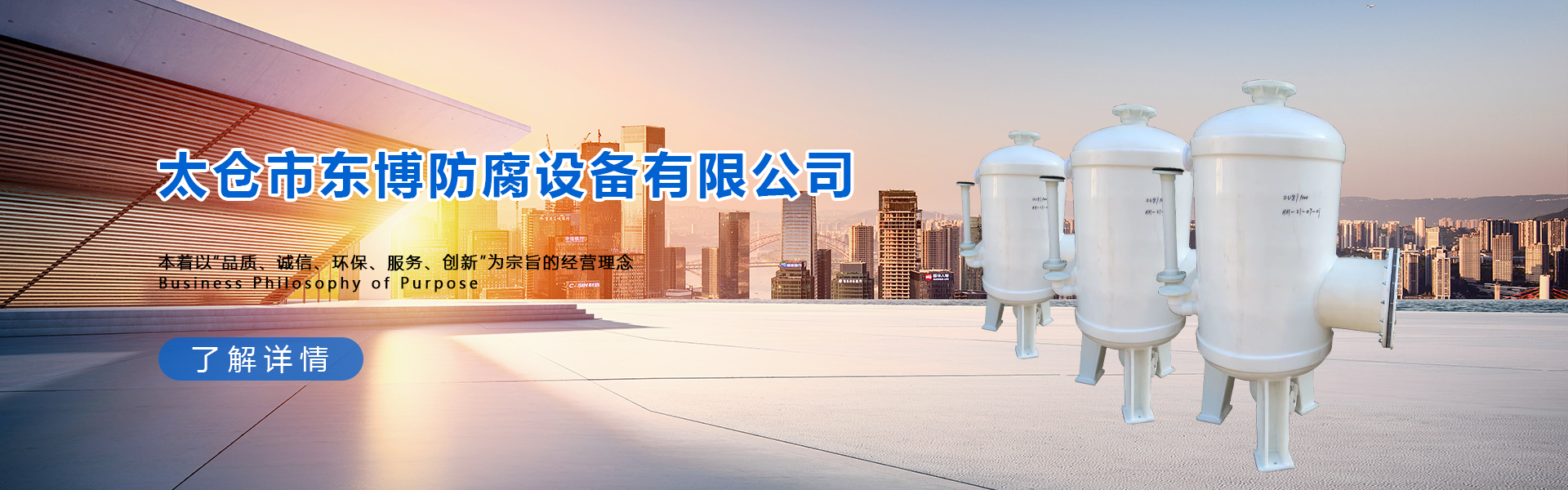
A spray tower is an industrial waste gas treatment equipment commonly used to remove harmful gases and particulates from the air. It achieves this by spraying absorbent liquid from the top of the tower, where it counterflows with the gas rising from the bottom, allowing the absorbent liquid to react with the harmful substances in the gas, thereby purifying the air.
Spray towers are widely used in various industrial sectors, including chemicals, electronics, steel, machinery, power, and papermaking. Their primary functions include: 1) removing harmful gases and particulates from exhaust gases to reduce environmental pollution; 2) recovering useful substances from exhaust gases, such as acidic gases and organic gases; and 3) alleviating the burden on subsequent treatment equipment, enhancing the efficiency and stability of the entire exhaust gas treatment system.
The structure of a spray tower typically includes the tower body, nozzles, absorbent liquid circulation system, and demister, among other components. Its working principle involves using the absorbent liquid to undergo a chemical reaction with harmful substances in the waste gas, converting the harmful substances into non-hazardous or low-hazardous materials while collecting the resulting waste sludge for treatment.
When using spray towers, keep the following points in mind: Firstly, select the appropriate structure and material for the tower based on specific waste gas treatment requirements; secondly, perform regular inspections and maintenance on the equipment to ensure proper operation; be mindful of the standards and requirements for waste gas emissions to ensure the treated exhaust meets national or local environmental protection standards.
