
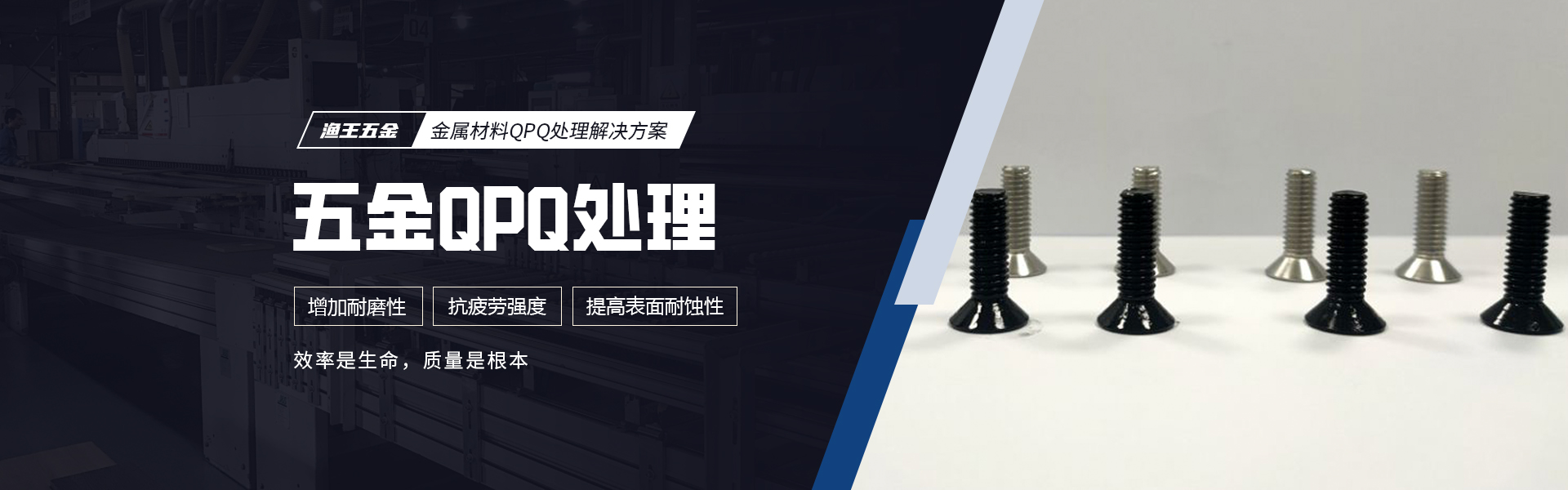
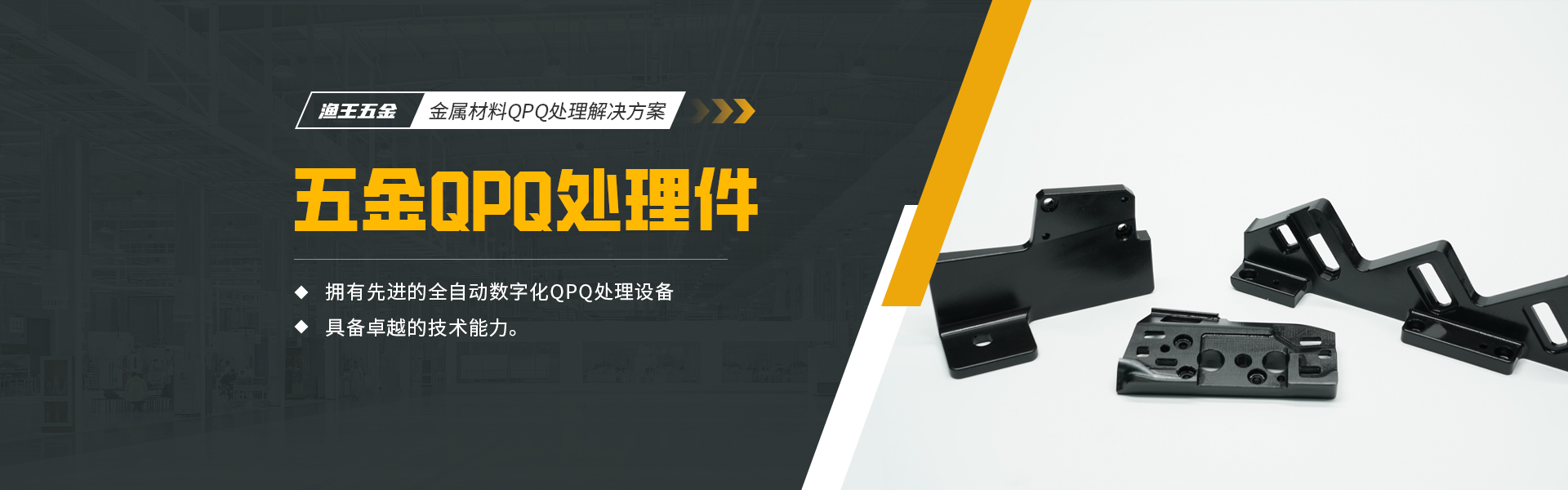
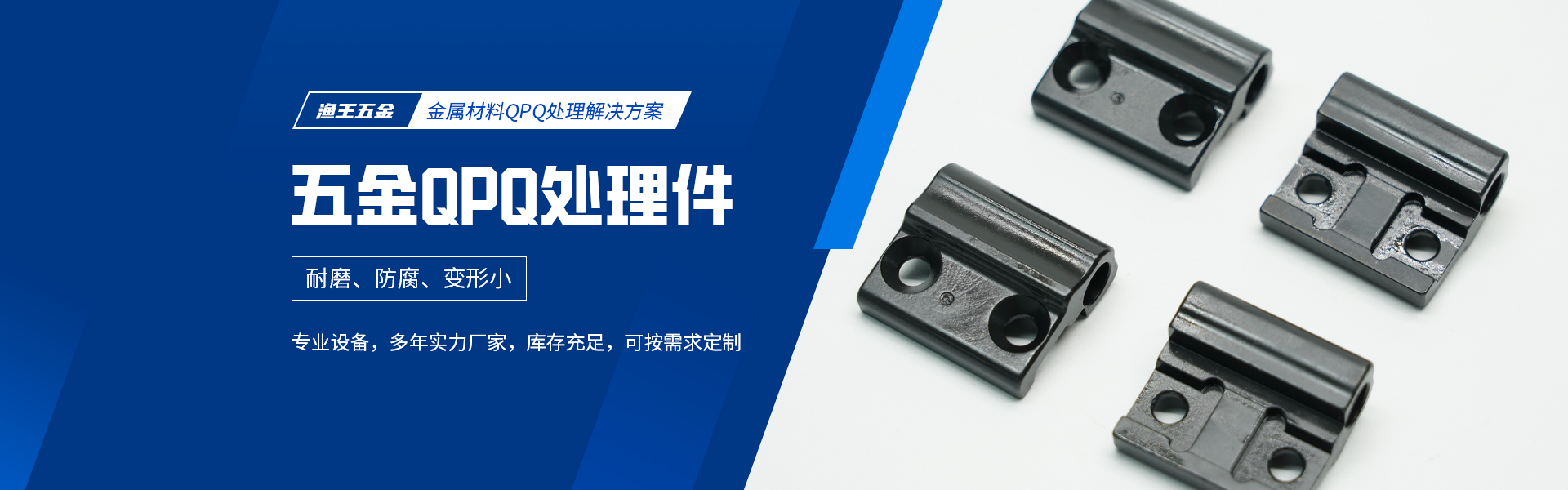


QPQ surface treatment technology is based on the positive ion penetration into the surface of the metal material, resulting in almost zero deformation after treatment.
The specialized tools and mold components, post-QPQ treatment, possess the following characteristics:
Significantly enhance product surface strength, improve wear resistance, and extend the lifespan of tools and molds.
b. Reasonably enhance the fatigue limit of the product, improve its performance, and extend the lifespan of the tools and molds.
c. Significantly enhance product corrosion resistance, addressing corrosion issues that basic heat treatment or surface treatments cannot resolve.
d. Post-QPQ treatment results in reduced product dimensions, which can enhance the production and processing工艺流程, leading to improved product pass rates.
e. Can reasonably replace part of electroplating, energy-saving and environmentally friendly.
Enhanced product aesthetics while meeting high-quality technical requirements.
g. Reduces the accumulation of thermal stress in die products throughout their entire application process, thereby extending the lifespan of the mold.
P.S. Mention this as well.
Compared to traditional heat treatment equipment that solely enhances wear resistance and surface treatments that solely improve corrosion resistance, QPQ technology can:
Enhanced the surface strength, wear resistance, corrosion resistance, and fatigue resistance of the product simultaneously.
The corrosion resistance of 45 steel after QPQ treatment in air is over 16 times higher than that of hard chrome plating and over 70 times higher than that of blackening.
2. Replaces a variety of processing techniques
It is commonly used as a substitute for carburizing quenching, induction hardening, positive ion high-frequency quenching, soft nitriding, aging treatment, and heat treatment for easily deformed parts, enhancing the surface strength and wear and fatigue resistance of metal materials, particularly for tackling the challenges of hardening deformation. It can replace blackening, bluing, hard chrome plating, decorative chrome plating, nickel plating, hot-dip galvanizing, and sulfur rubber, significantly improving the corrosion resistance of components and substantially reducing production costs.
II. Application Status:
QPQ Technology has been widely applied in various fields such as vehicles, motorcycles, molds, special tools, CNC lathes, engineering machinery, agricultural machinery, offshore oil drilling, machinery manufacturing, textile equipment, hydraulic presses, instrument panels, CNC lathes, military equipment, and roller bearings. It is produced in large quantities to address the following main products:
1. Automotive & Motorcycle Parts: Engine crankshafts, camshafts, cylinders, drive gears, sprockets and chains, clutch discs, cylinder heads, engine pistons, crankshafts, friction plates, hydraulic cylinders, ball joints, wipers, lever arms, etc.
2. Machining Tools: A variety of die casting molds, cold drawing dies, hot extrusion molds, plastic molds, plastic molds, laminated glass molds, aluminum alloy extrusion molds, stamping molds, locating pins, push rods, etc.; Spring steel spiral drills, thread rolling plates, straight shafts, broaching tools, taps, end mills, slotting cutters, lathe tools, reamers, cutting bodies, boring tools, etc.
3. CNC lathe parts: friction plates, sliders, and iron cores for home appliance transformers.
4. Textile machinery parts: winding machine parts, hot rail, cold rail, roller, steel mandrel, etc.
5. Rolling Bearing Sector: Ball bearings, Retainer sleeves, etc.
6. Electrical switch gate valves, worm gears, retaining sleeves, sealing rings, diesel engines, and a variety of wear-resistant materials, corrosion-resistant parts, and easily deformable components treated with other processes.
