




- AllProduct Category
-
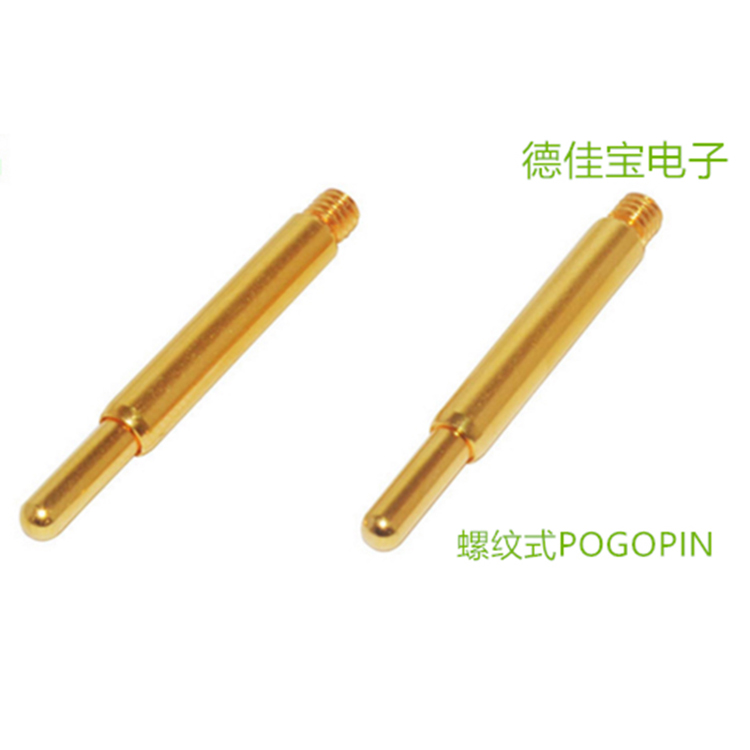
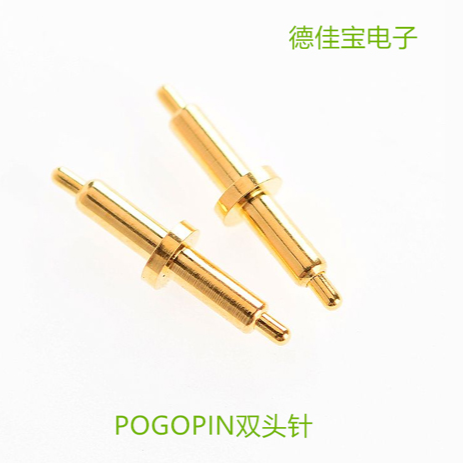
POGOPIN
Probe-Specific Cleaning Agent
PCB/Absolute Board Test Probes
RF High-Frequency Test Probe
BGA Dual-Probe Tester
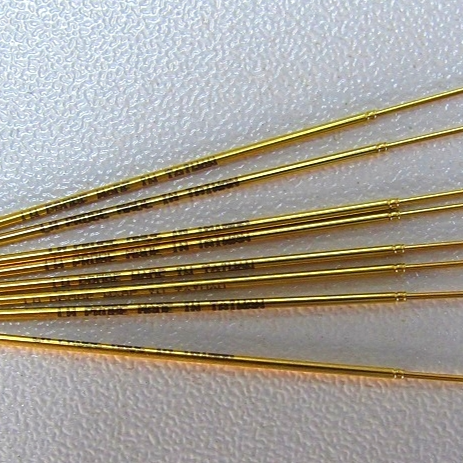
ICT/FCT Probe


详情描述
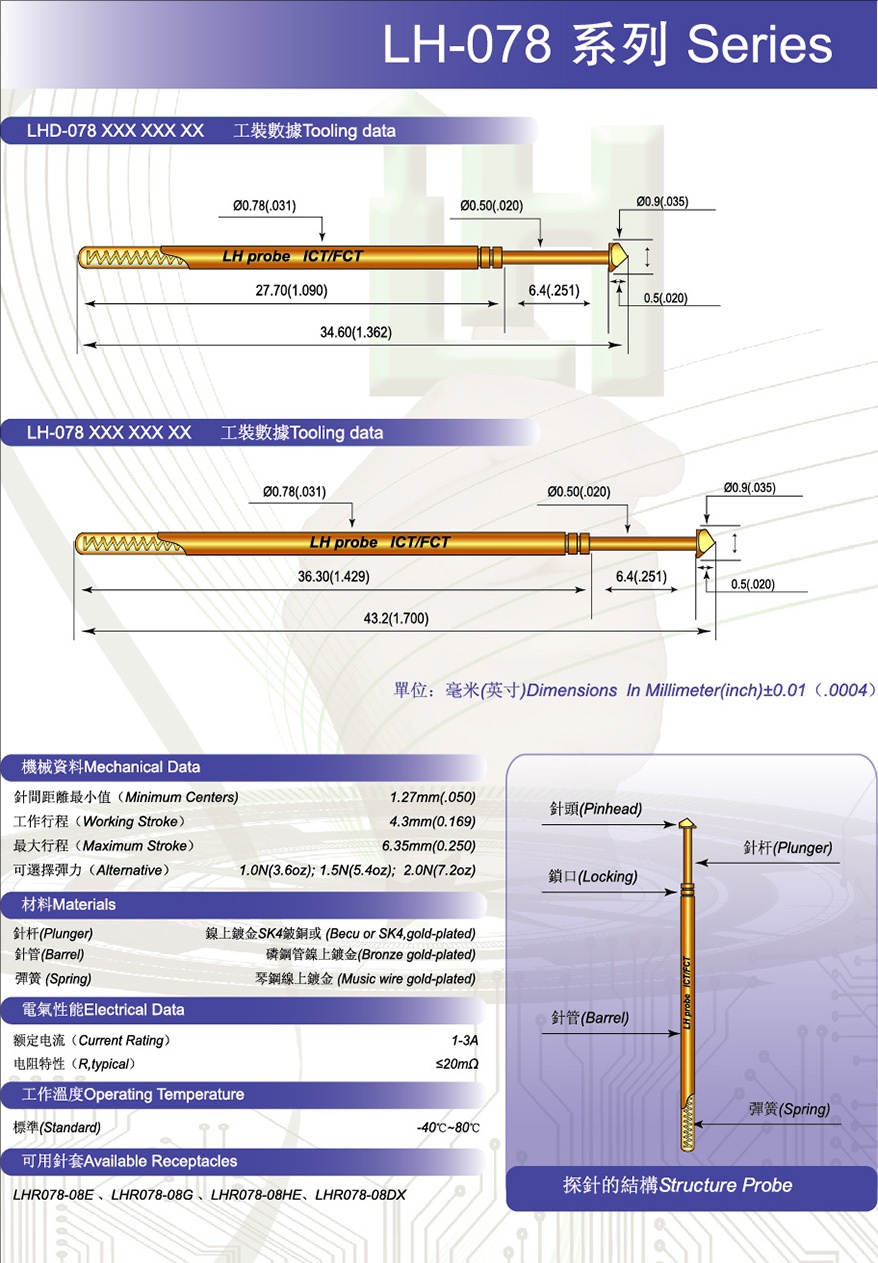
ICT is widely used, with high measurement accuracy, clear indications of issues detected, and is a standard testing method. Even workers with average electronic skills find it relatively easy to handle problematic PCBA's. Utilizing ICT can enhance production efficiency and reduce costs.
ICT Test primarily checks for open circuits, short circuits, and soldering conditions of all components on the PCBA by testing probe contacts with the test points on the PCB layout. It can be divided into open circuit testing, short circuit testing, resistance testing, capacitance testing, diode testing, transistor testing, FET testing, and IC pin testing (testjet co).Ensure proper installation of general and specialized components such as BasicScan Bist, and promptly identify issues like missing or incorrectly installed parts, parameter value discrepancies, soldering defects, and PCB open/short circuits. Accurately inform users of the faulty component or the location of the open/short circuit through a printer or screen display.
What is ICT?
A: ICT (In-Circuit Test System), commonly referred to as an In-Circuit Tester in Chinese, is primarily used for testing assembled circuit boards (PCBA). The term "In-Circuit" is a direct translation, referring to components on the circuit path. Online testing is a technique that doesn't interrupt the circuit or remove component leads, focusing on detecting assembly issues of the circuit board by testing components or short/open circuit conditions on the circuit path.
Q: What basic functions of ICT can measure those components?
Open circuit, short circuit, resistance, capacitance, inductance, diodes, IC protection diode testing, etc.
Why use ICT?
A: Statistical data from the circuit board assembly industry shows that assembly defects primarily manifest in open circuits, short circuits, offsets, and missing components, accounting for over 90%. Consequently, the principles of in-line testing technology are to quickly detect faulty components or assembly defects and accurately locate and classify the defects.
A: Can ICT be regarded as a multimeter?
A: ICT can be regarded as a high-grade universal meter with automation, and due to its circuit isolation (guarding) feature, it can accurately measure the actual values of each component within the circuit.
Q: What are the differences in functionality between ICT and general electricity meters?
A: The meter is used to measure individual parts, whereas the ICT can measure not only individual parts but also those on a PCB through a needle bed. However, due to the many circuits on the PCB, it's easy to split the signal source, so a "Guarding" function is often required to ensure accurate measurement.
What is the relationship between ICT and AOI?
A: ICT is primarily conducted through electrical measurement methods, while AOI is performed using optical image processing technology. Both have their strengths and complement each other. In terms of process scheduling, it's generally AOI first, followed by ICT.
ICT testing is a static test (without power), while FCT testing is a dynamic test (with power). For instance, if a test board has a short circuit, the FUNCTION test can easily burn out components, resulting in unnecessary losses. These defects should be detected at the ICT station. The ICT station can inspect PCB traces, effectively identifying various defects and malfunctions during the PCBA assembly process. However, it cannot evaluate the performance of the entire circuit board system at clock speeds. Functional testing, on the other hand, can verify if the entire system meets the design objectives. It treats the tested unit on the circuit board as a functional entity, providing input signals and checking the output signals according to the functional entity's design requirements. This test ensures that the circuit board operates as intended. Therefore, a simple method for functional testing is to connect a specialized circuit board from a completed electronic device to the appropriate circuits of that device, apply voltage, and if the device operates normally, it indicates the circuit board is qualified. This method is simple and cost-effective. This is why PCBs undergo ICT testing followed by the addition of a FUNCTION testing station. No test model can achieve a 100% complete test; only a combination of ICT and FCT testing stations can greatly detect defects.


