





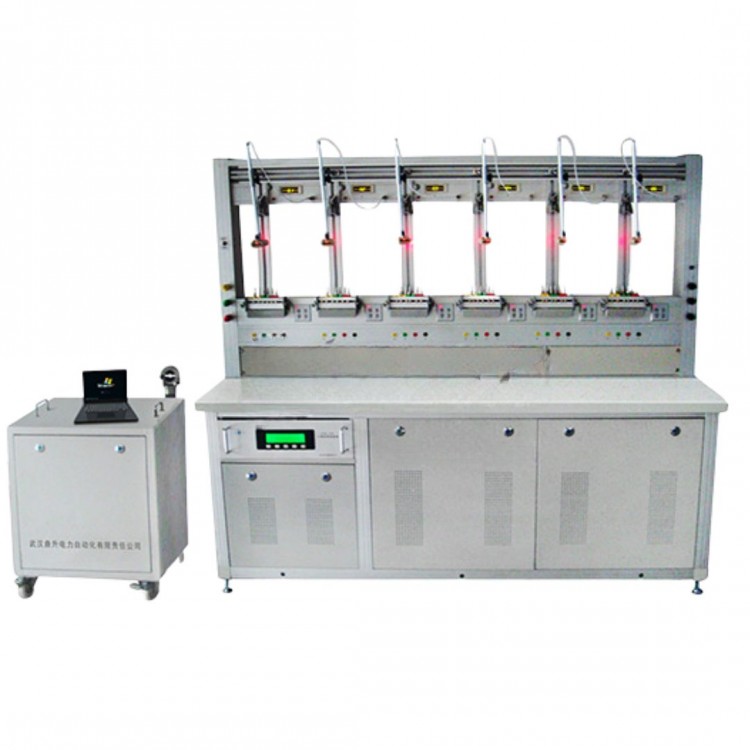
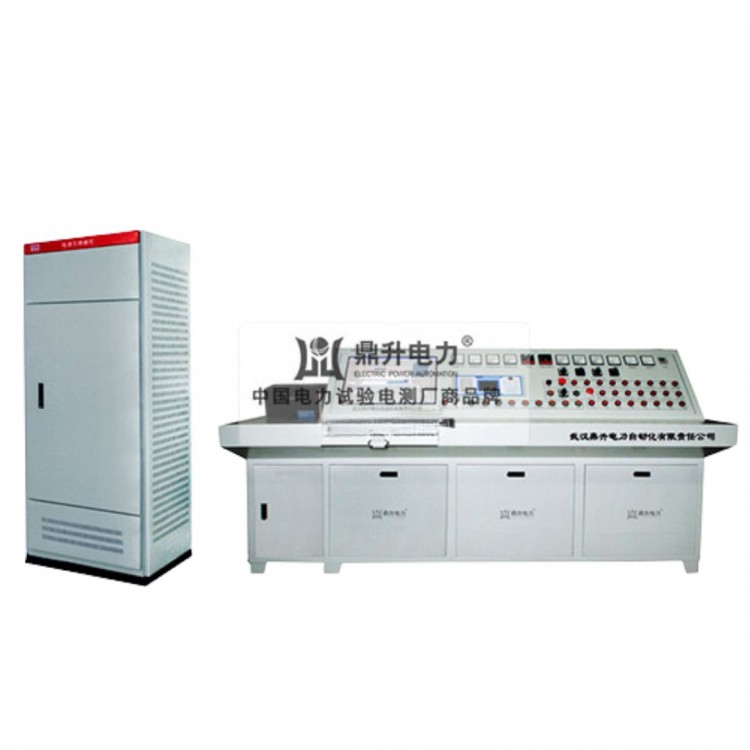
The working principle of the electrical energy meter calibration device primarily relies on the principles of the electrical energy meter calibrator. By connecting to the circuit under test, it generates alternating currents in the current coil and voltage coil, which then produce alternating magnetic flux in the iron core. These fluxes pass through the aluminum disc, inducing eddy currents within it. The eddy currents, under the influence of the magnetic field, exert a torque (active torque) on the aluminum disc, causing it to rotate. The greater the power consumed by the load, the larger the current through the current coil, and consequently, the stronger the induced eddy currents in the aluminum disc, increasing the torque that makes the disc rotate. Thus, the torque is proportional to the power consumed by the load. When the active torque equals the braking torque, the aluminum disc rotates at a constant speed. The electrical energy consumed by the load is proportional to the number of rotations of the aluminum disc. As the disc rotates, it drives the counter, indicating the consumed electrical energy. This is the fundamental process of how an electrical energy meter operates.
The design of this electric energy meter calibration device takes into account national standards, procedures, and requirements, featuring high accuracy, good stability, strong functionality, and ease of use. It is capable of calibrating and verifying electronic or inductive three-phase three-wire, three-phase four-wire, single-phase active and reactive energy meters. With a time calibration instrument, it can also check the timing error and demand indication error of multi-functional energy meters. The design of this device ensures the accuracy and reliability of energy meters, thereby safeguarding the normal operation of the power system and the interests of users.

