


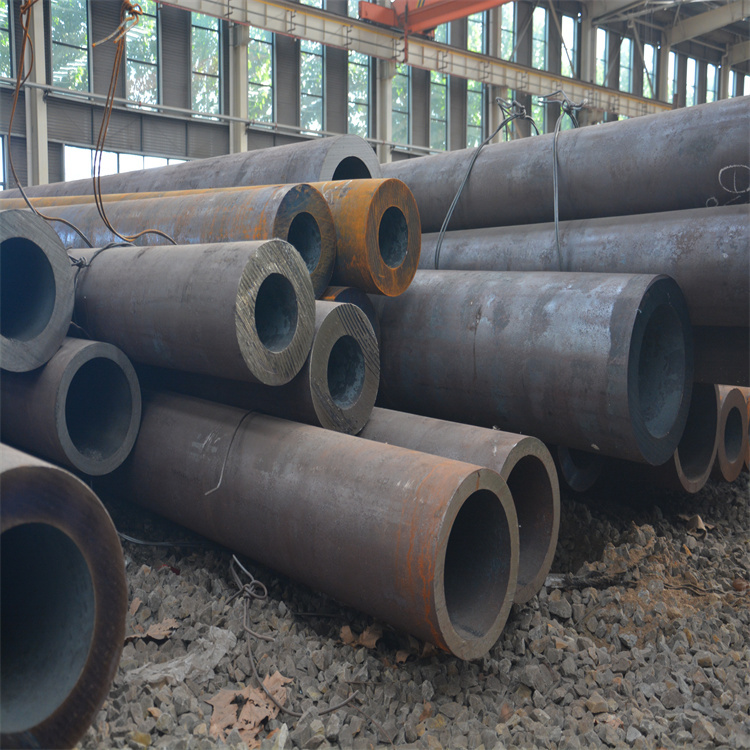
 In accordance with GB2102-88 regulations, steel pipe packaging is divided into three types: binding, boxing, and oil-coated binding or oil-coated boxing. Steel pipes are long strips of steel with a hollow cross-section and seamless edges. Steel pipes with a hollow cross-section are widely used as pipelines for conveying fluids, such as oil, natural gas, coal gas, water, and pipelines for certain solid materials. Steel pipes withRound SteelCompared to solid steel, with the same bending and torsional strength, it is lighter in weight and is an economical cross-section steel, widely used in the manufacture of structural components and mechanical parts, such as oil drilling rods, automotive drive shafts, bicycle frames, and steel scaffolding used in construction. The manufacturing of circular parts with steel pipes can improve material utilization, simplify production processes, save materials, and reduce processing time, such as rolling bearing shells and jack sleeves, which have been widely produced using steel pipes. Steel pipes are also essential materials for various conventional weapons, etc., all of which are manufactured using steel pipes. Steel pipes are categorized asCross-sectional areaShapes can be categorized into round tubes and shaped tubes. Due to the larger circular area under the same circumference, round tubes can convey more fluid. Moreover, the circular cross-section distributes stress more evenly when subjected to internal or external radial pressure, which is why the majority of steel tubes are round.
Geological Pipe
