
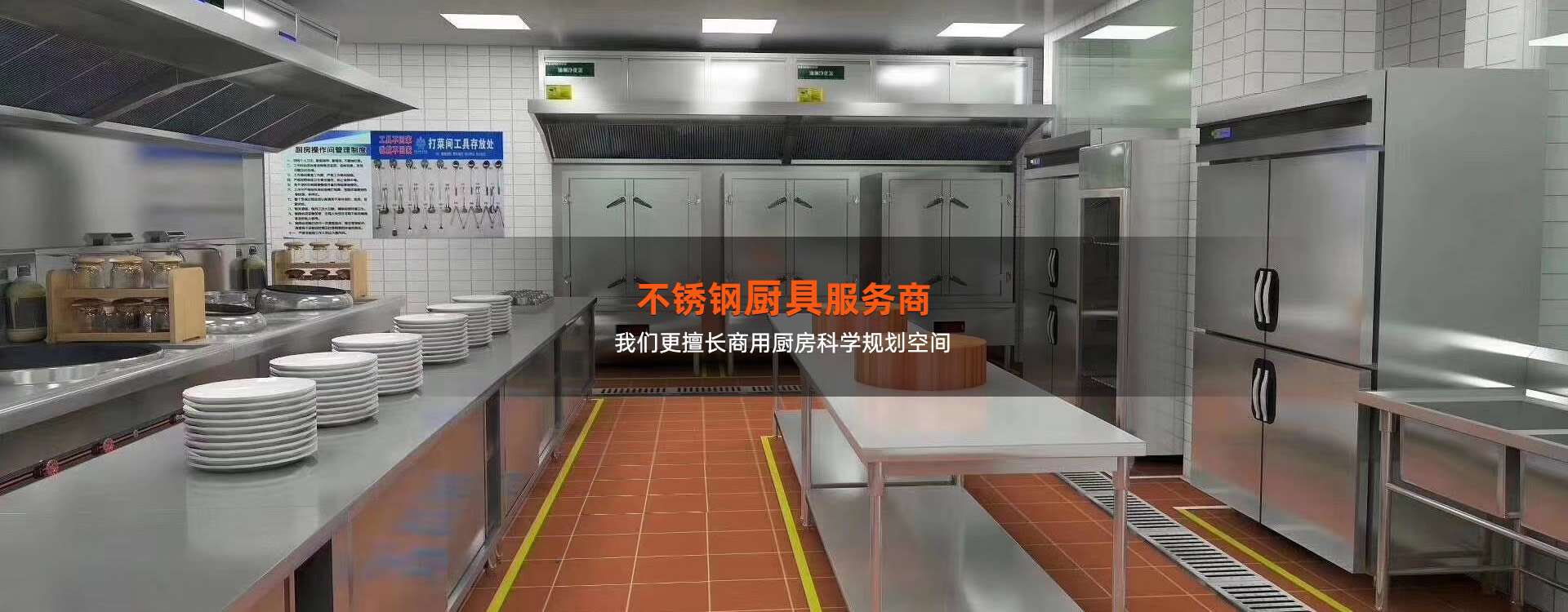
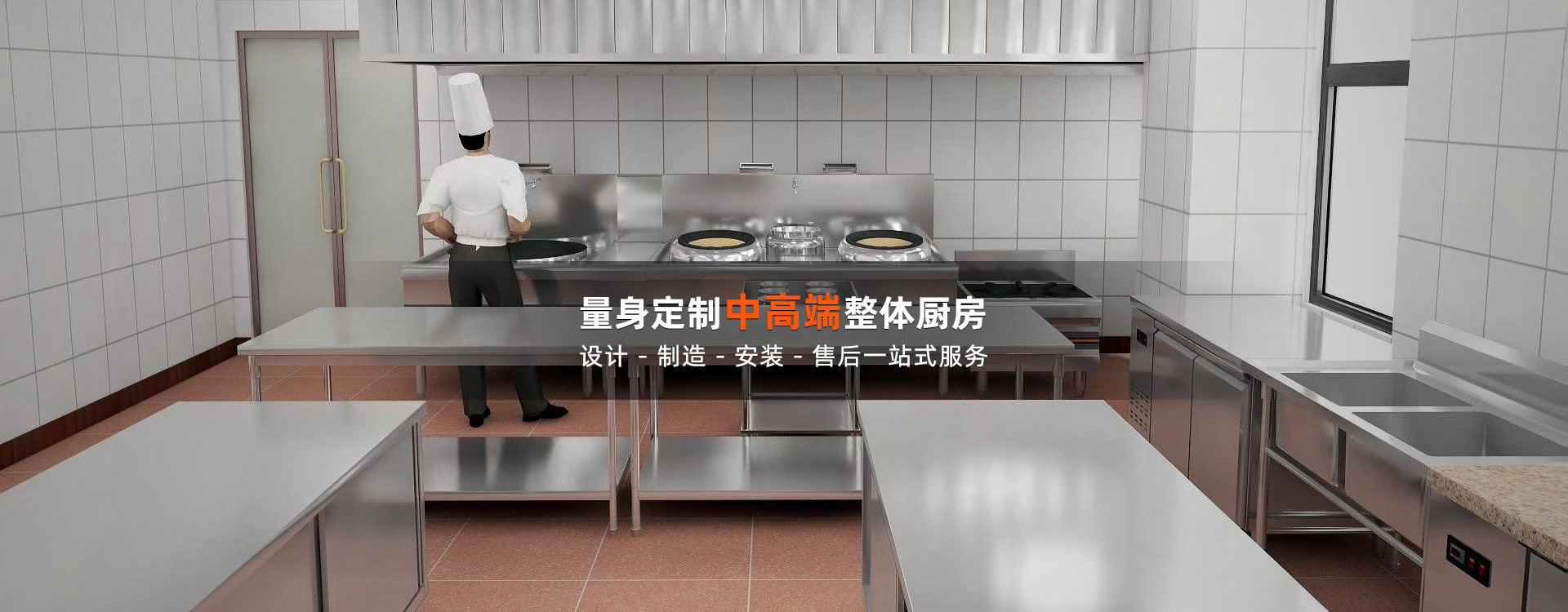
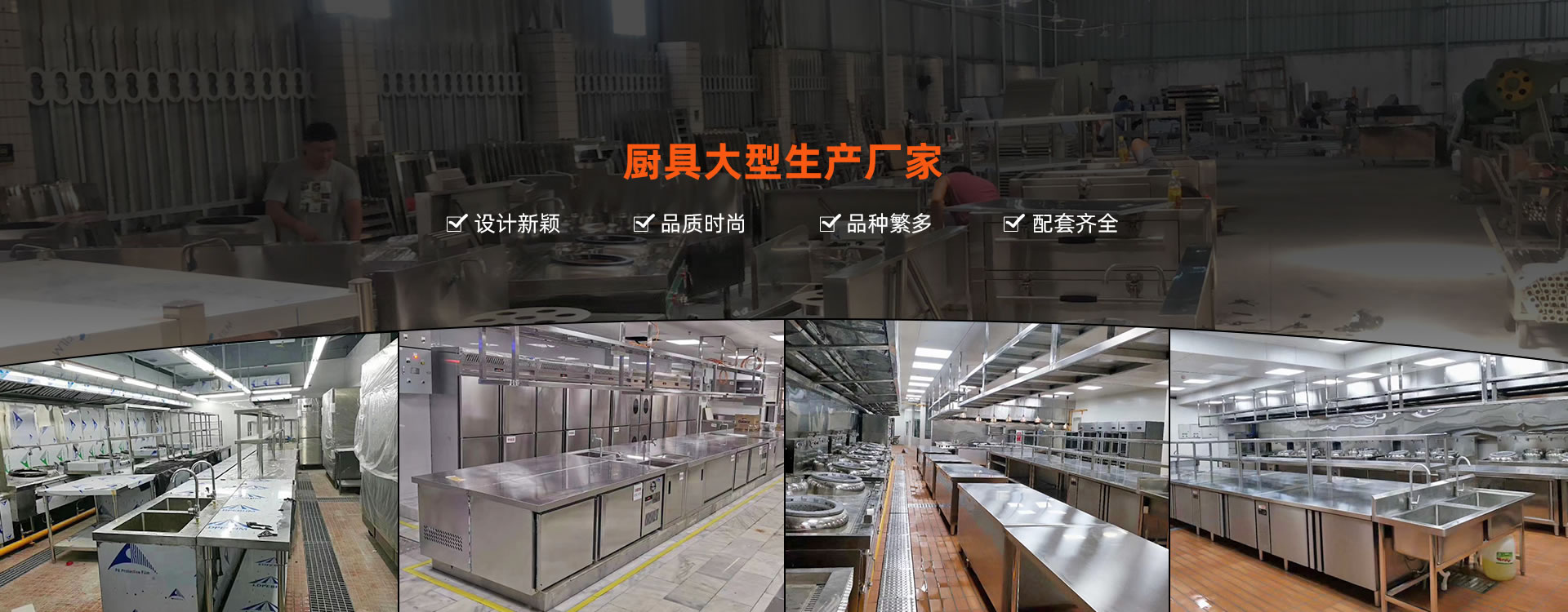

The kitchen equipment design for school canteens should be configured reasonably based on actual needs and characteristics to meet students' dining requirements and hygiene and safety standards. During the design process, factors such as the scale of the canteen, the expected number of diners, types and varieties of cuisine should be taken into consideration.
Firstly, it is necessary to configure stove equipment to meet the needs of cooking various dishes. Depending on the scale of the cafeteria and the types of cuisine, different types of stoves can be chosen, such as gas stoves, induction stoves, or electric stoves. Additionally, a variety of pots for different purposes are required, including large pots for simmering, wok for stir-frying, frying pans, and steamers, to ensure a range of cooking methods like boiling, frying, stewing, and roasting.
Next, refrigeration equipment must be arranged to meet the storage needs for ingredients. Options include large refrigerators or freezers for storing meats, vegetables, juices, and other ingredients. Additionally, refrigerated display cases are required to showcase ready-to-eat foods, beverages, and desserts.
Thirdly, steam cooking equipment must be configured to provide nutritious steam-cooked dishes. Options include large steam ovens or steam pots for cooking rice, noodles, vegetables, and other dishes. Additionally, steamers and racks are required to ensure even steam cooking of the food.
Fourthly, oven equipment must be configured to provide baked goods. Options include electric ovens or charcoal grills for baking bread, meats, pastries, and more. Additionally, baking trays and racks are required to ensure even heating of the baked products.
Fifth, fryer equipment must be configured to offer fried food options. Options include electric or gas fryers for cooking fries, chicken wings, spring rolls, and more. Additionally, fryer accessories like oil filters and draining baskets are required to ensure proper oil and water separation in the fried products.
Sixth, dishwashing equipment must be configured to maintain kitchen hygiene and cleanliness. Options include large dishwashers or manual sinks for cleaning utensils and kitchenware. Additionally, a dish sanitizer cabinet is required to ensure the sanitation and safety of tableware.
In addition to the main equipment mentioned above, auxiliary devices such as vegetable cutters, juicers, noodle makers, soy milk machines, and meat mincers should be added to enhance work efficiency and improve the quality of dishes.
When configuring kitchenware, the following points should also be noted:
Strategic Arrangement: Based on the kitchen layout and design requirements, place kitchenware in appropriate locations to ensure smooth operational flow and convenience for staff.
2. Safety: Select kitchen equipment that meets national standards and safety requirements to ensure safe operation and ease of use, preventing the occurrence of safety accidents.
3. Durability: Opt for kitchen equipment that is durable and stable, designed for longevity and to meet long-term work demands, reducing the cost of equipment damage and maintenance.
4. Sanitation: Select kitchen equipment that is easy to clean and has moisture and corrosion resistance, facilitating the cleaning and sanitation efforts in the kitchen.
5. Environmental Responsibility: Selecting energy-efficient, low-noise, and eco-friendly kitchen equipment to minimize environmental pollution and energy waste.
In summary, the kitchen equipment design for the school cafeteria must be tailored to actual needs, rationally allocating kitchenware to enhance the quality and safety of food. Balancing economic benefits with practical usage requirements, selecting appropriate kitchen equipment, and organizing it logically ensures the normal operation and supply quality of the cafeteria.
News Center Co., Ltd.
