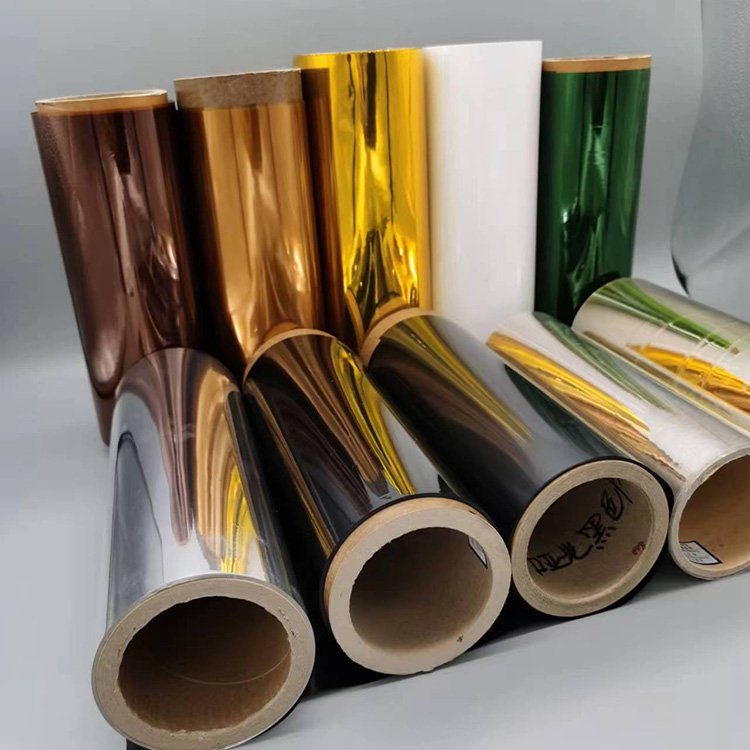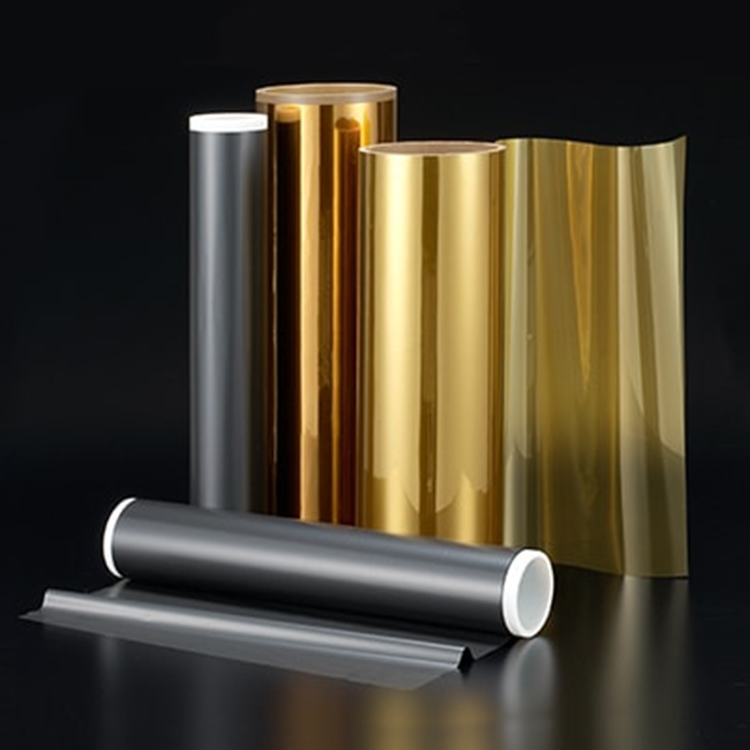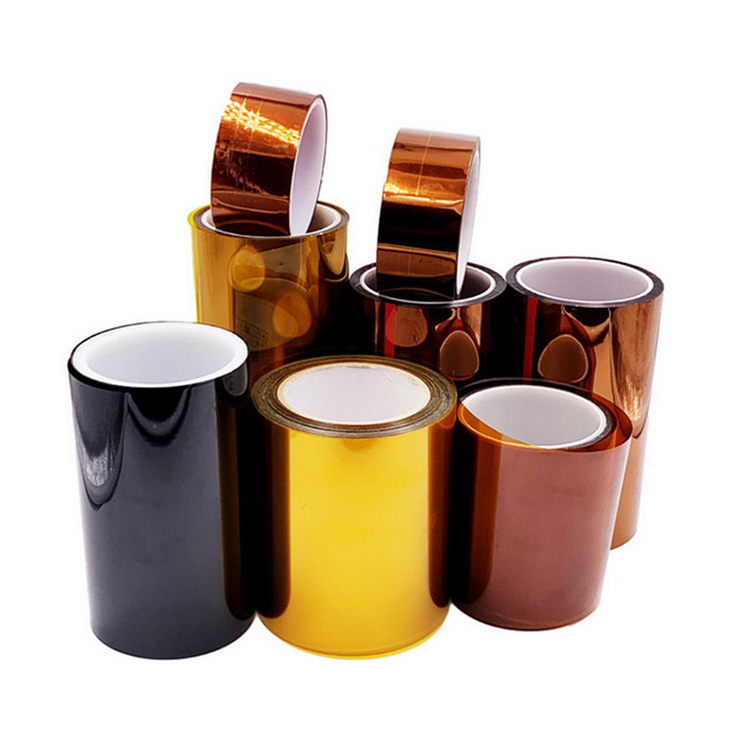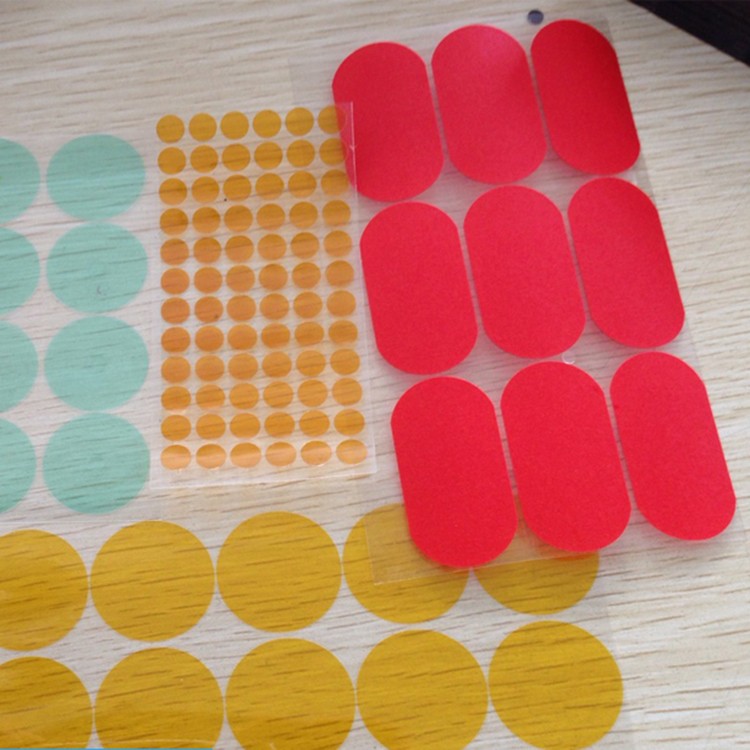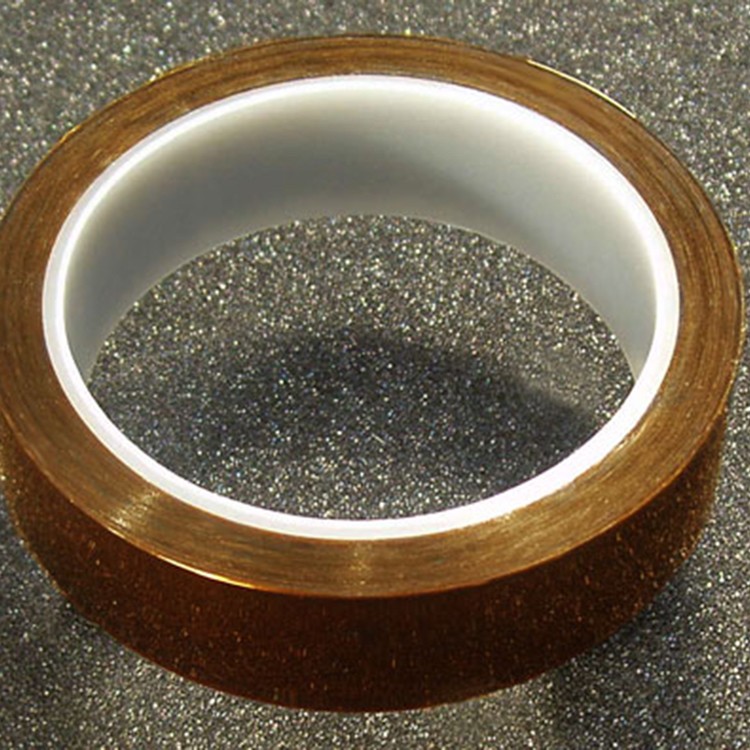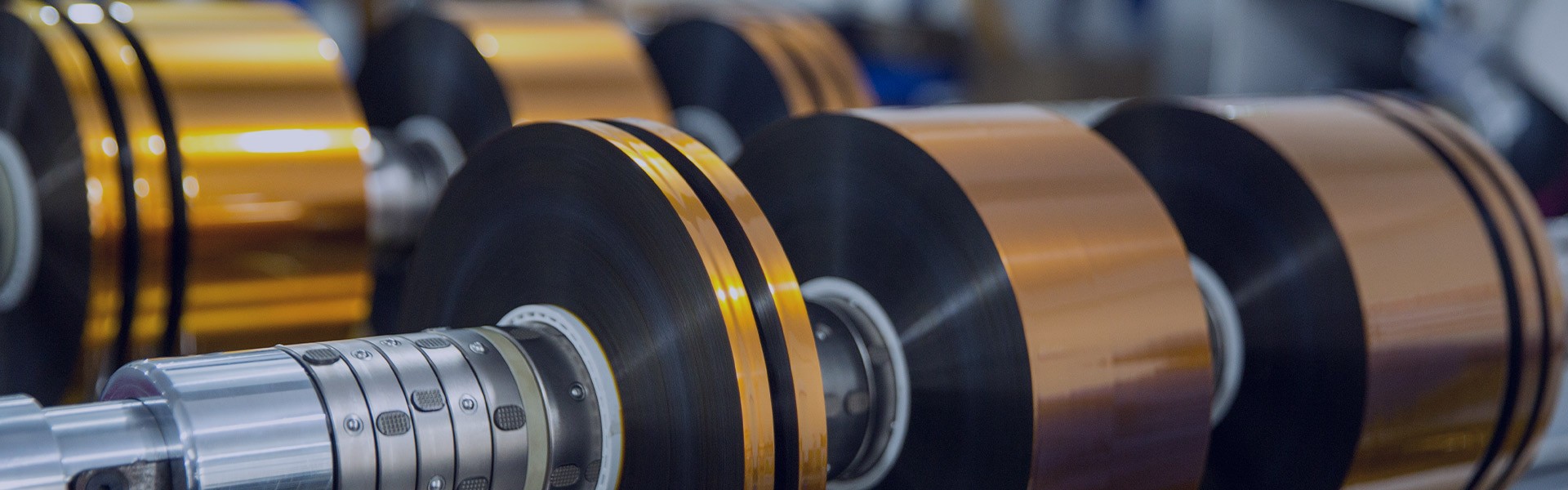


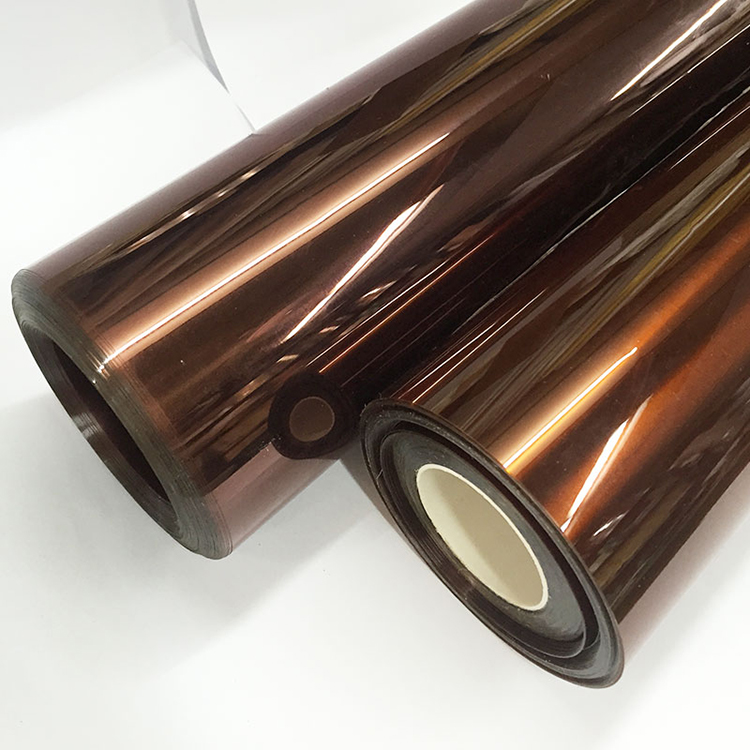
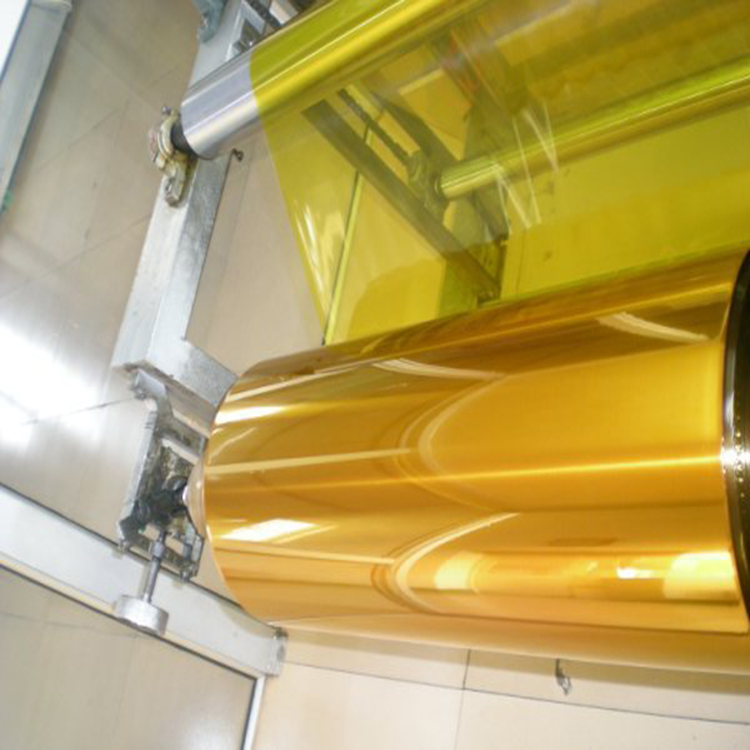
Polyimide film coated with ink, typically refers to printing inks or functional coating materials specifically applied to the surface of polyimide (Polyimide) films. It combines the high-performance characteristics of the polyimide material itself with the requirements of the printing process, enabling the realization of graphics, circuits, markings, or functional coatings on polyimide films. The following introduction covers both the features and application fields.
I. Key Features of Polyimide Film Ink
Excellent high-temperature resistance properties
Polyimide materials maintain good mechanical strength and dimensional stability even in high-temperature environments.
The accompanying ink system typically boasts high thermal stability, generally maintaining excellent adhesion and performance at temperatures of 200°C to 300°C, even higher, without easy discoloration, bubbling, or peeling.
In high-temperature environments required (such as reflow soldering, thermal packaging), it meets stable and reliable performance requirements.
Excellent adhesion and mechanical properties
The polyimide film surface exhibits good wettability and adhesion, and after ink curing, it is less prone to cracking, wrinkling, or delamination.
The film and its matching inks can still maintain a certain degree of flexibility and bendability, with excellent bend resistance, suitable for repeated bending applications in flexible electronic products.
Chemical and solvent-resistant
Polyimide coatings and inks exhibit excellent resistance to a variety of chemicals and solvents, with high chemical stability.
In subsequent processes, it resists erosion or dissolution by common cleaning solvents and etchants, maintaining stable performance and patterns.
Superior electrical properties (if functional ink layer)
For insulation-requiring printing inks, we offer high insulation, low dielectric constant, and higher breakdown voltage.
For functional ink layers with conductive properties (such as printed wires, shielding, and heating circuits), stable conductive or heating performance can be achieved by adding conductive fillers (like silver, carbon paste, etc.) to the surface of the polyimide substrate.
Processability and graphic accuracy
Patterned production can generally be achieved through various processes such as screen printing, pad printing, and inkjet printing.
The ink fluidity and curing system are specifically formulated to effectively meet requirements for fine lines and intricate graphics.
Section II: Application Fields
Flexible Printed Circuit (FPC) & Electronic Components
Imide film itself is a common substrate for FPCs, and when paired with imide inks, it can be used to print labels, circuits, or protective layers.
Used in electronic products for membrane substrate circuitry, wire printing, and encapsulation insulation layers, its high-temperature and bend resistance make it widely applicable in wearable devices, foldable phone components, camera modules, and sensor modules.
Aerospace Industry
Due to its advantages such as high-temperature resistance, radiation resistance, and chemical corrosion resistance, polyimide film and its inks are particularly suitable for internal wiring, labeling, antennas, and high-temperature sensor circuits in aerospace vehicles.
Also commonly used as high-temperature and harsh environment-resistant electrical insulation or functional coatings in high-end equipment.
Automotive Electronics & Industrial Electronics
Automotive engine peripherals, braking systems, and environments with high interior temperatures or requiring resistance to vibration and impact demand high durability from flexible circuits and coatings. Imide film with ink coating can meet these stringent requirements.
Industrial sensors, control circuits, display module, etc., also require high reliability and high-temperature operation capability.
High-reliability labels, tags, and special printing
In harsh environments such as high temperatures and corrosion, polyimide film labels and high-temperature-resistant inks offer unparalleled advantages for maintaining barcode and QR code identification information.
Commonly used for equipment nameplates, wiring labels, or special labels required for high-temperature processes in laboratories.
Flexible heating elements, flexible sensors
Utilizing polyimide ink in conjunction with conductive fillers, heating circuits or sensor circuits can be printed on polyimide films, achieving flexible, thin, and even heat distribution.
Broadly used in applications requiring flexible heating and precise control, such as aerospace protection, medical rehabilitation, and outdoor sports equipment.
Summary
Imidazole film coated ink combines the high performance of imidazole materials with the customizable functionality of printing inks, boasting prominent advantages in terms of high-temperature resistance, chemical corrosion resistance, mechanical strength, insulation, or conductivity. It is widely used in high-end fields such as flexible electronics, aerospace, automotive electronics, industrial electronics, high-reliability labels, and special printing, particularly suitable for precision circuits and functional coatings that operate in high-temperature, high-stress, or harsh environments. With the development of flexible electronics technology, the performance requirements for imidazole film coated ink are increasingly stringent, which also drives its continuous formula upgrades and the expansion of new applications.