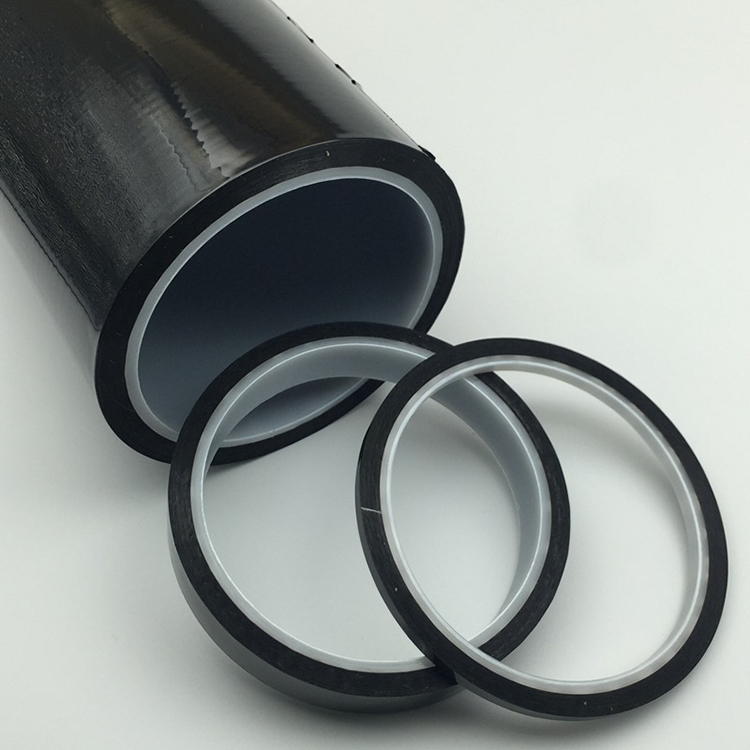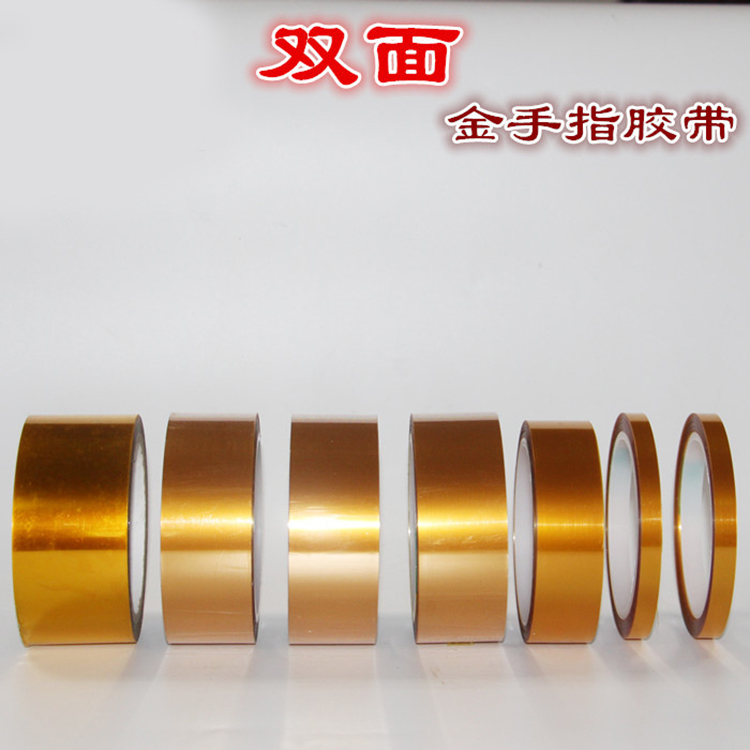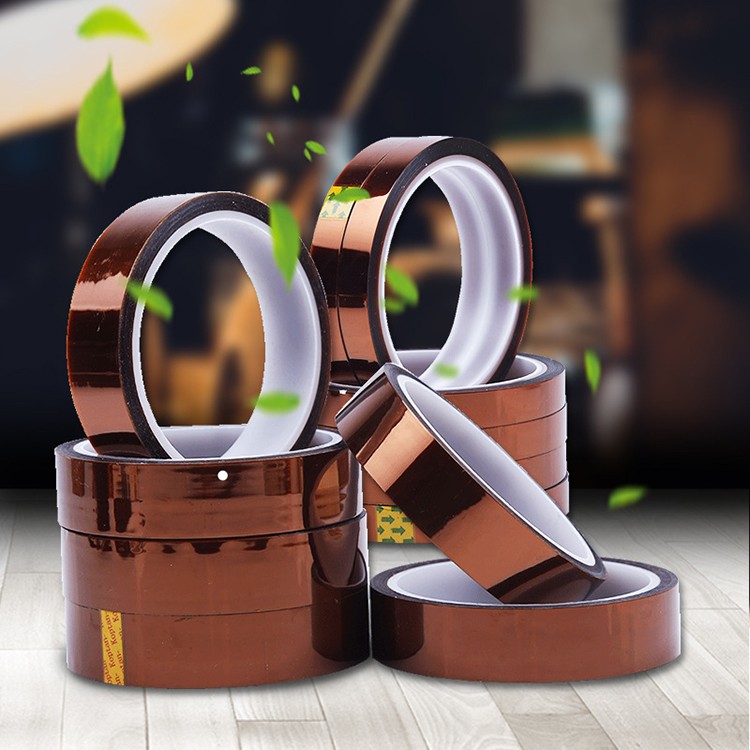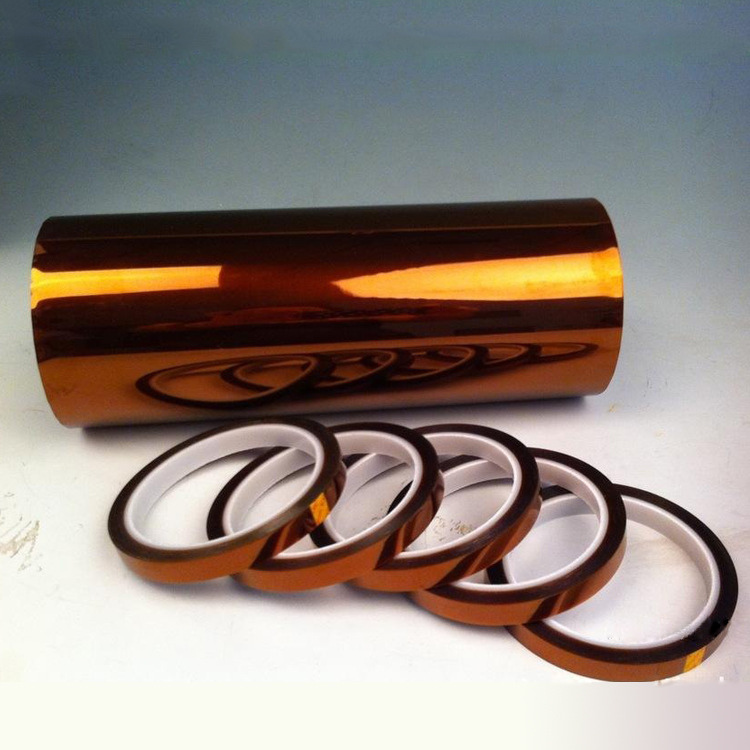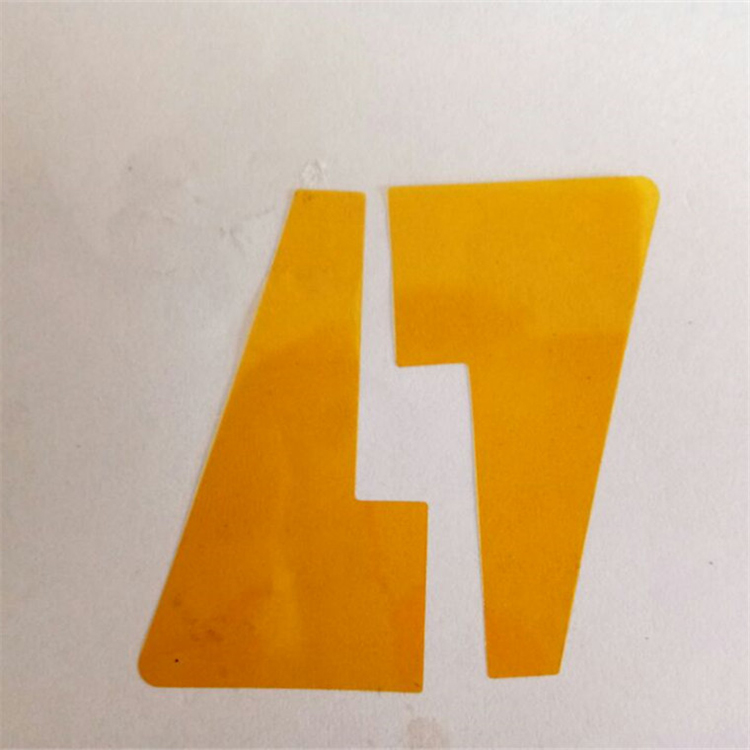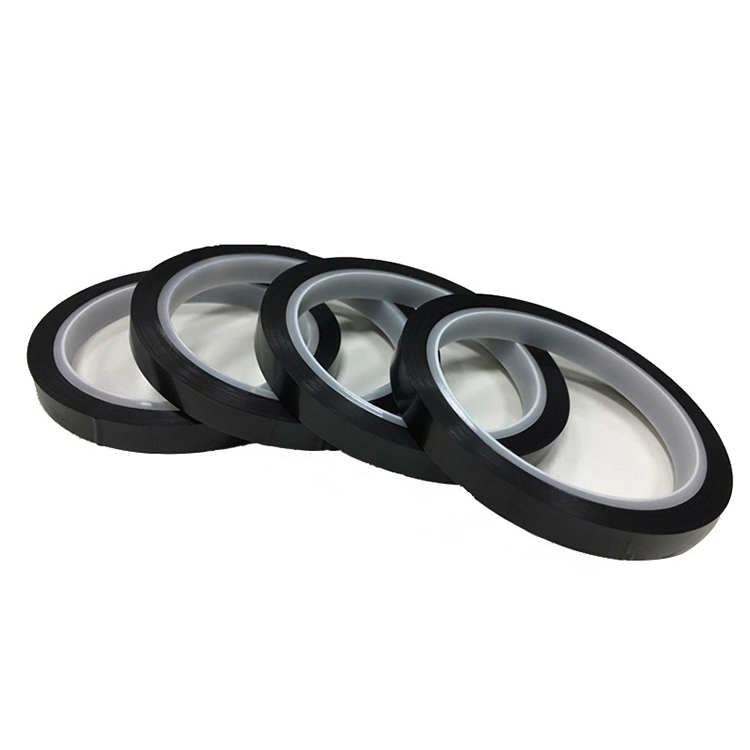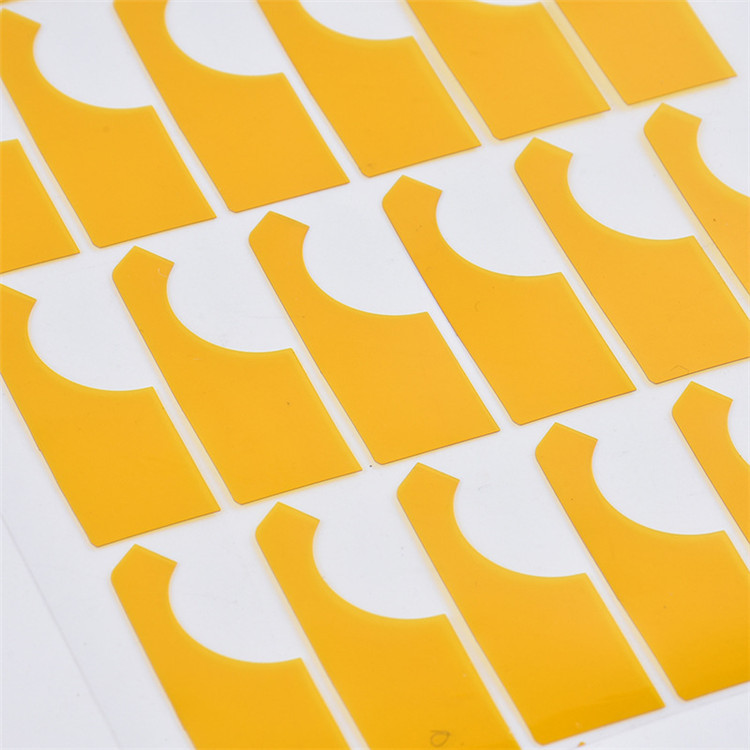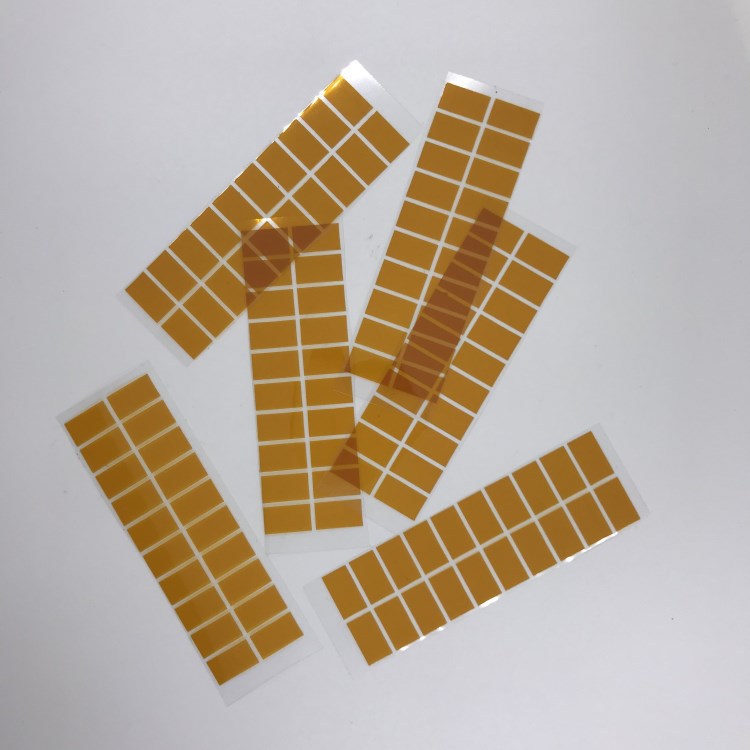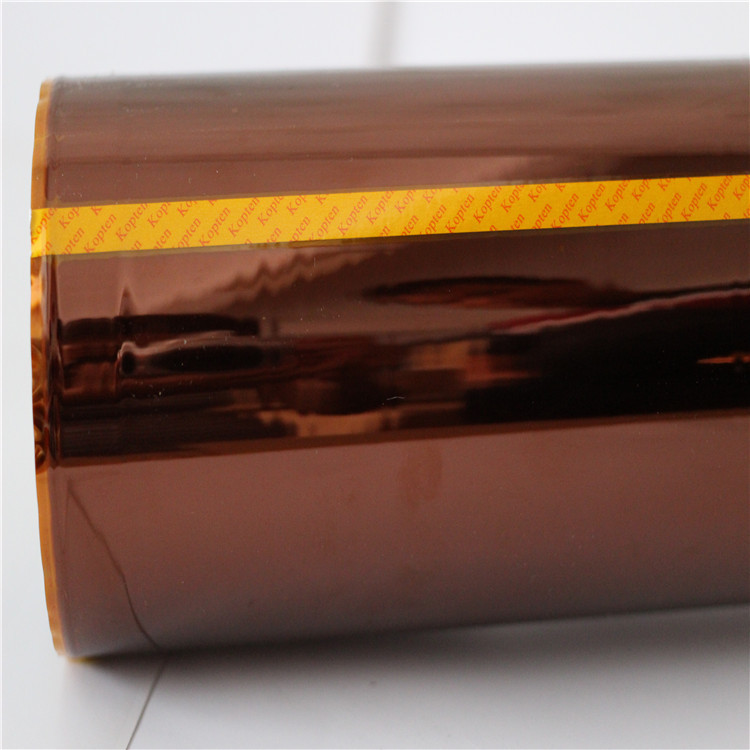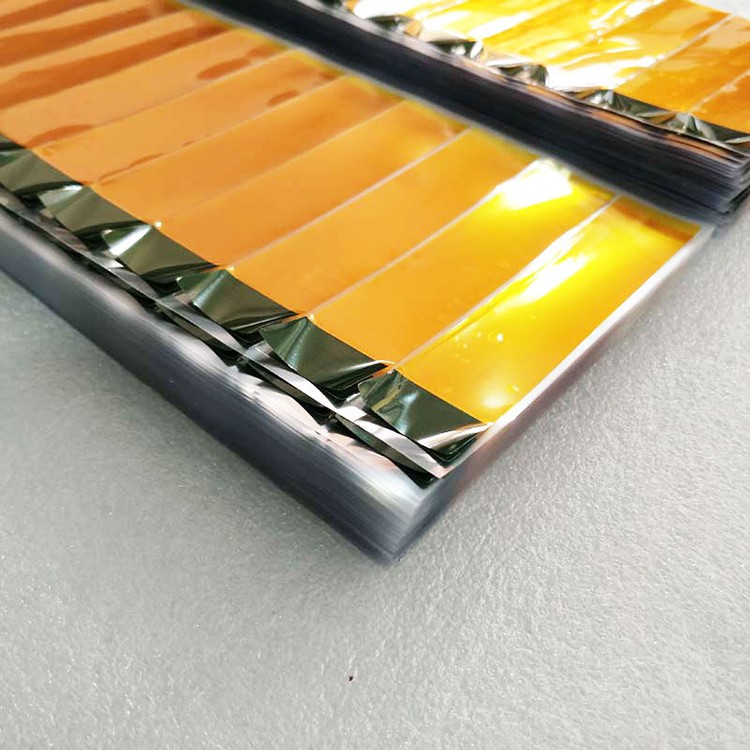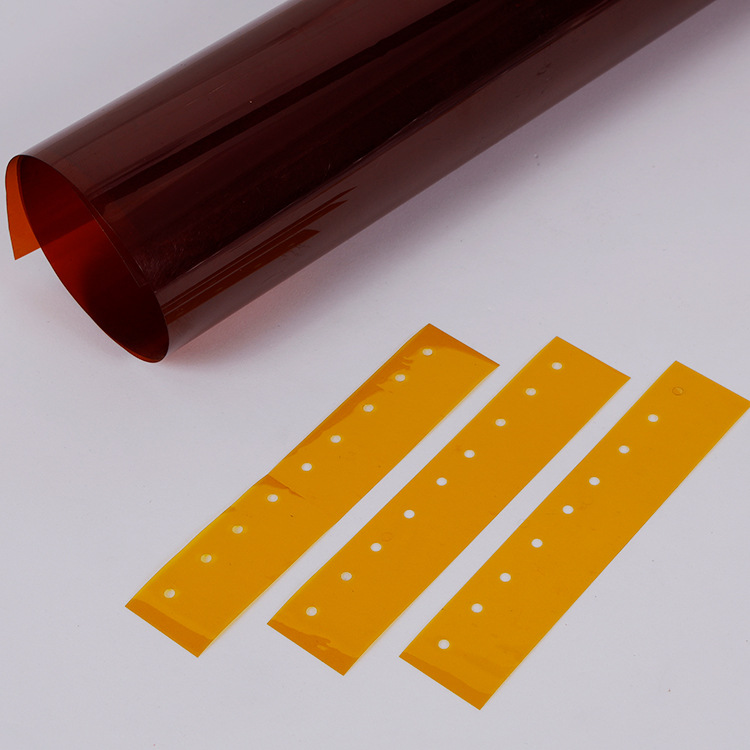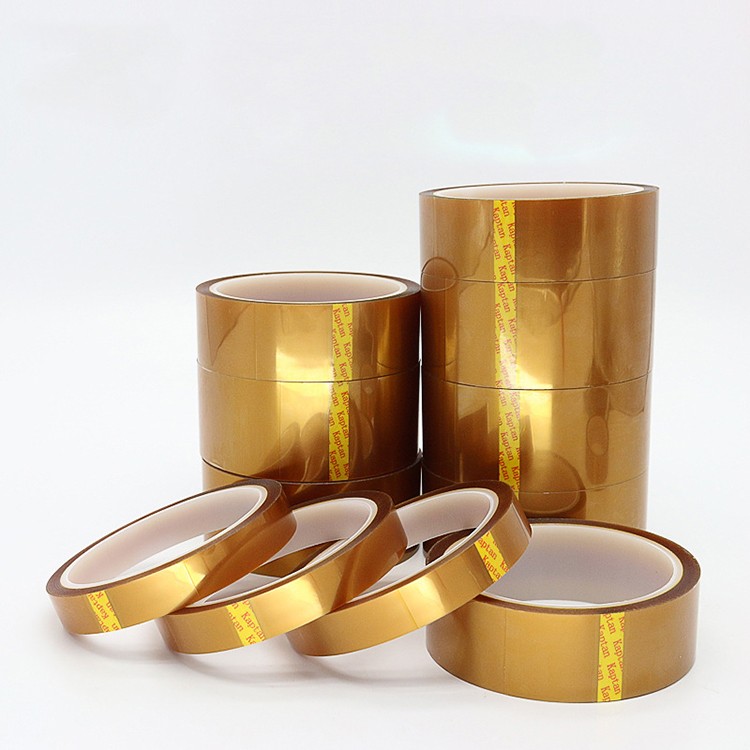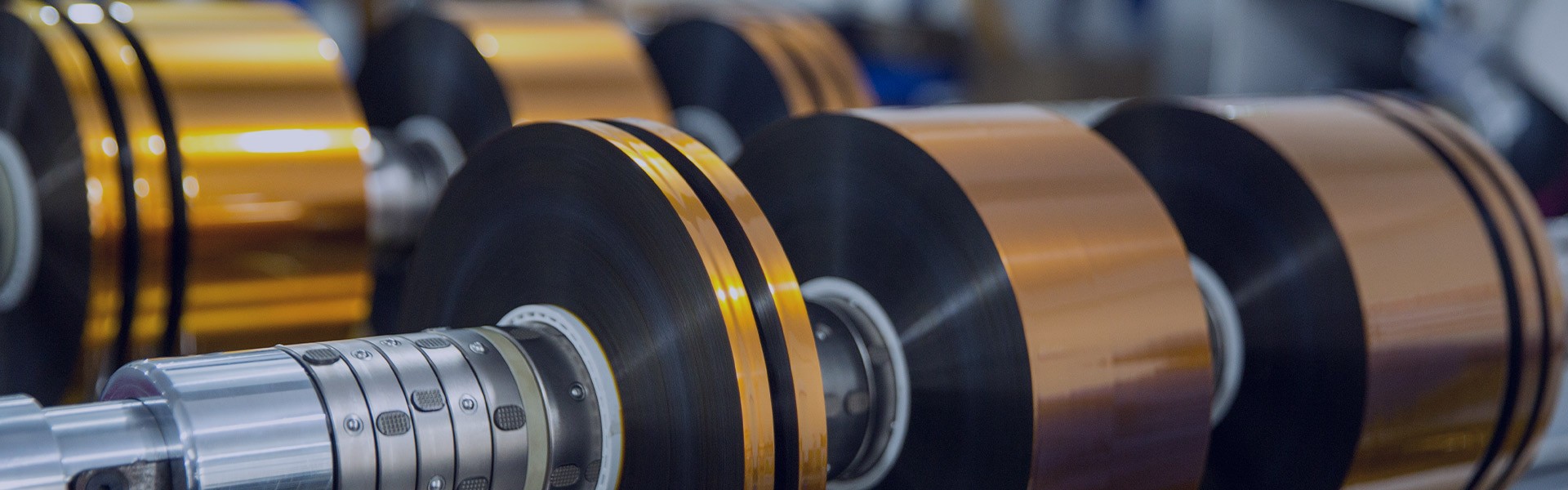

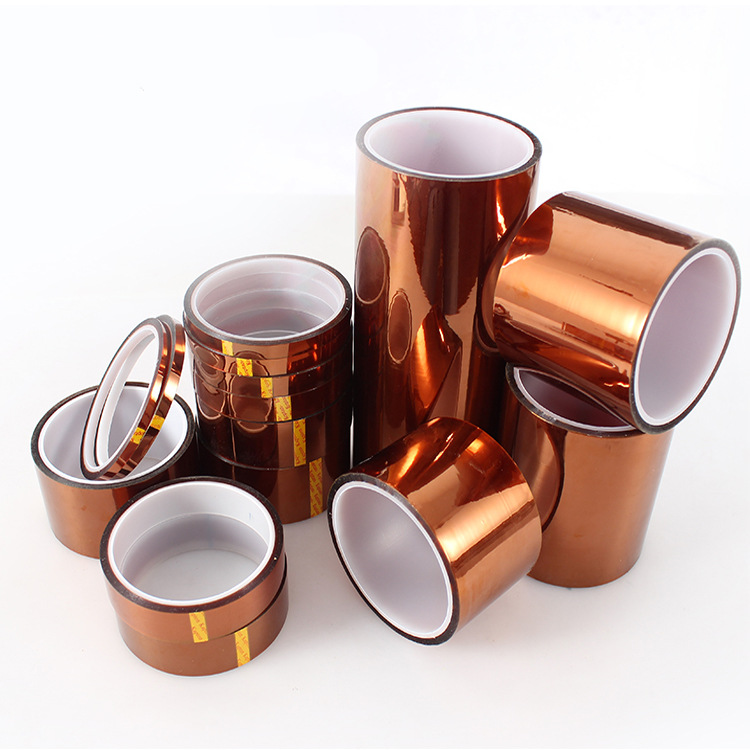
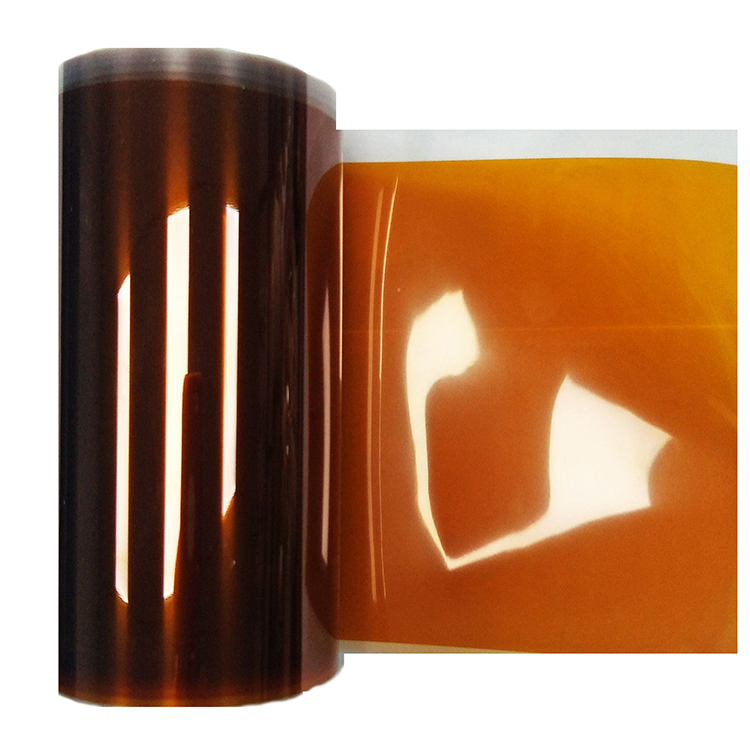

Polyimide tape, commonly referred to as PI tape or Kapton tape, is a specialized tape made from polyimide film coated with high-temperature-resistant silicone on one or both sides. It boasts the following main features and application areas:
I. Key Features of Polyimide Tape
Excellent performance in withstanding high and low temperatures
Polyimide materials inherently maintain excellent physical properties between -269℃ and 400℃. The tapes made from them are typically suitable for long-term use between -60℃ and 260℃, with short-term temperature resistance even exceeding 300℃, and are not prone to deformation, aging, or loss of adhesion.Chemical-resistant and excellent insulation properties
Polyimide materials exhibit excellent resistance to acids, alkalis, and solvents, along with superior insulation properties, low dielectric constant, and high dielectric strength, making PI tapes highly safe and reliable in electronic and electrical applications.Good mechanical strength and dimensional stability
PI film boasts high tensile strength and excellent tear resistance, maintaining good dimensional stability across a wide temperature range. It is not easily affected by changes in environmental humidity or temperature, leading to dimensional distortion.Adhesion and durability
The adhesive layer typically uses silicone, which maintains a certain level of adhesiveness at high temperatures and exhibits excellent aging resistance. It leaves no residue or contamination upon removal.Radiation-resistant and flame-retardant properties
Polyimide exhibits high tolerance to radioactive environments and possesses self-extinguishing properties, offering high safety in electronic devices and special conditions.
II. Application Fields of Polyimide Tape
Electronics and Electrical Manufacturing & Protection
Wave Soldering, Reflow Soldering ProtectionDuring PCB reflow or wave soldering, PI tape can protect areas on the circuit board that should not be soldered or need to be masked.
Transformers, motors, coil insulationUtilizing its excellent insulating properties and high-temperature resistance, it is used for winding, motors, transformers, and other high-temperature insulation protection.
Electronic component mounting and fixingUsed to secure flexible printed circuit boards (FPC) or other components during the electronic assembly and testing process.
3D Printing Field
Used for surface lamination on printing platforms, enhancing adhesion between the material and the printing platform, commonly used in printing with materials like ABS and PLA, improving the stability of bottom shaping.
Aerospace and its fields
PI materials, due to their excellent heat resistance and radiation resistance, are widely used in aerospace electronic components, rocket engine structure protection, and thermal insulation and insulation for electronic equipment.
Automotive Industry
Binding and protecting insulation on high-temperature parts like the engine and sensors effectively resists high temperatures, oil contamination, and vibrations.
Optoelectronic Display & Semiconductor Manufacturing
Used in the production of LCD, OLED, and other display panels, providing high-temperature shielding and static electricity protection; protecting wafer surfaces or sensitive components in semiconductor processes.
Industrial production and laboratory
Protective masking for high-temperature spray, anodizing, painting, and powder coating processes, as well as for high-temperature insulation and chemical corrosion resistance in laboratories.
III. Selection and Precautions
Choose the appropriate thickness and adhesive system
Under different process requirements, the thickness of the polyimide substrate and adhesive varies, as does the temperature resistance limit or adhesion strength. It is necessary to select silicone according to the specific application scenario.Surface Clean
Before use, ensure the surface to be adhered is dry and clean to enhance adhesion and avoid issues such as bubbles and lifting edges.Temperature and Pressure Control
When applying in high-temperature environments, pay attention to the temperature range suitable for the tape and the pressure applied during use to ensure long-term stability.Storage Conditions
Tapes should be stored in a cool and dry environment to extend their service life and maintain their adhesion.
In summary, polyimide tape, with its high-temperature resistance, excellent insulation properties, resistance to chemical corrosion, and high mechanical strength, is widely used in fields such as electronics and electrical engineering, aerospace, automotive industry, optoelectronic displays, semiconductor manufacturing, and 3D printing, making it one of the important industrial and research-grade adhesive tapes.