
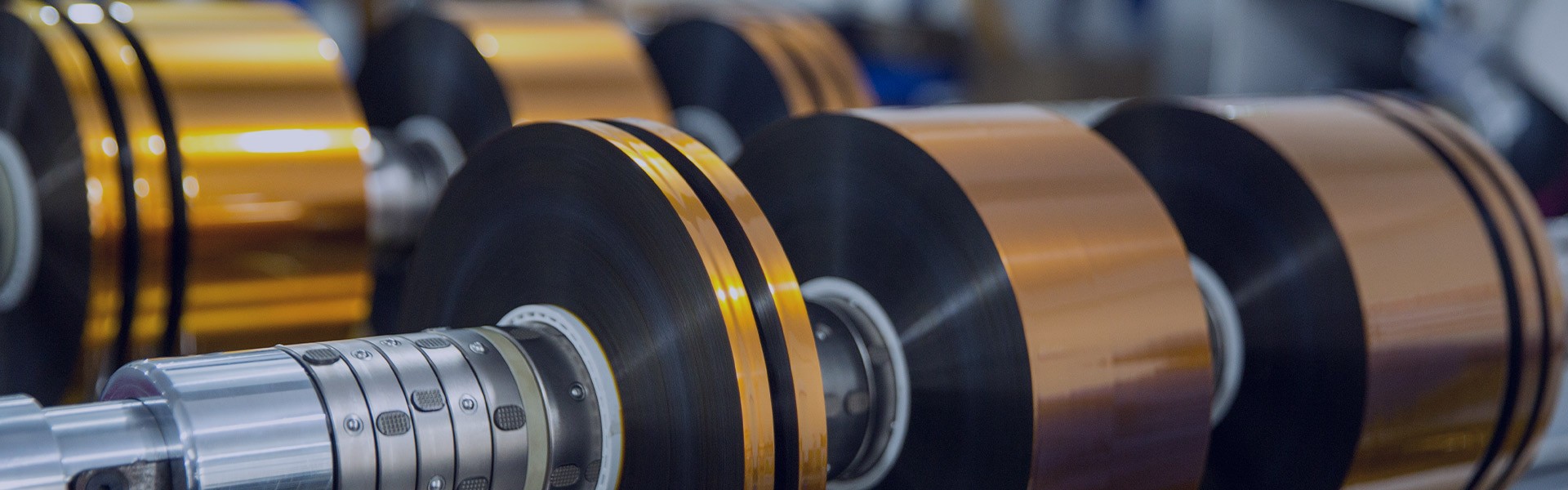


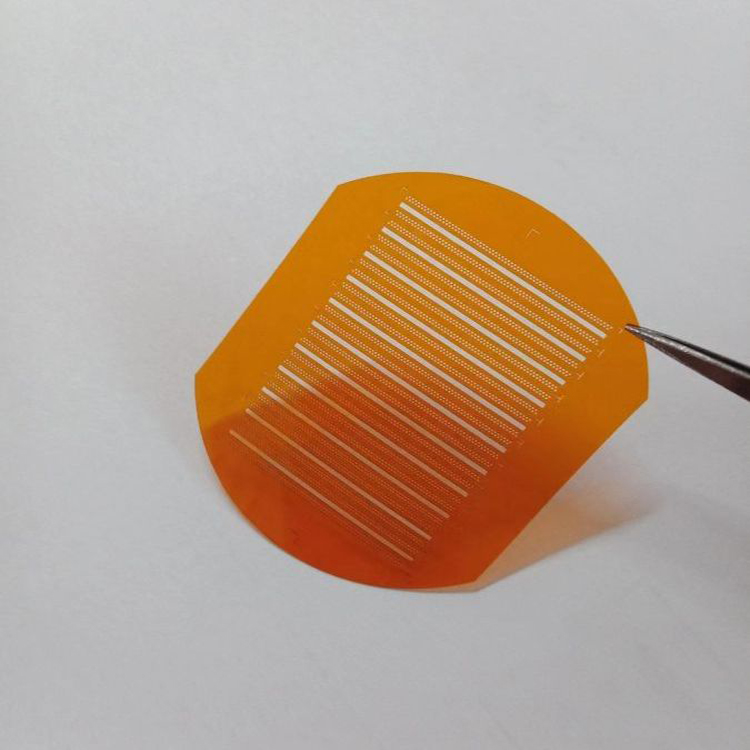

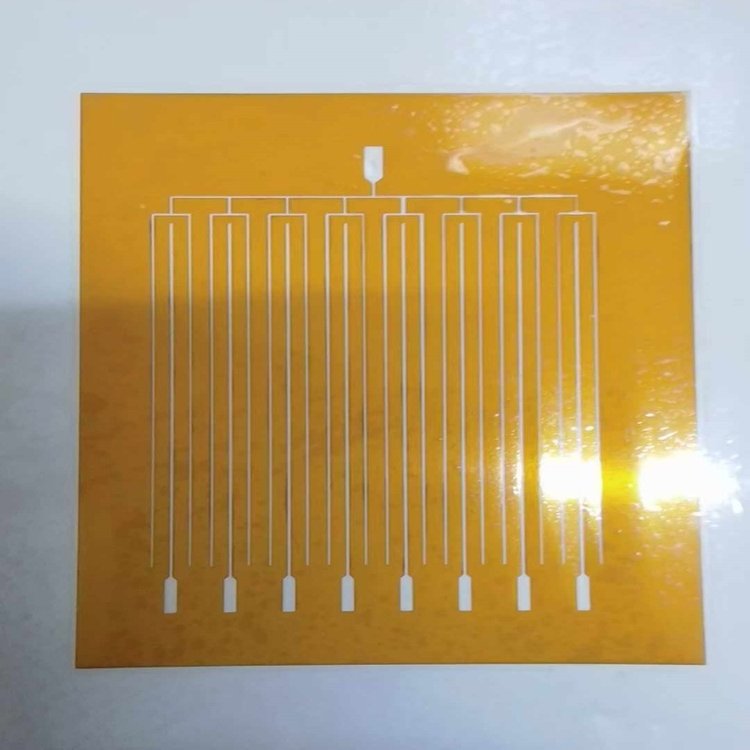
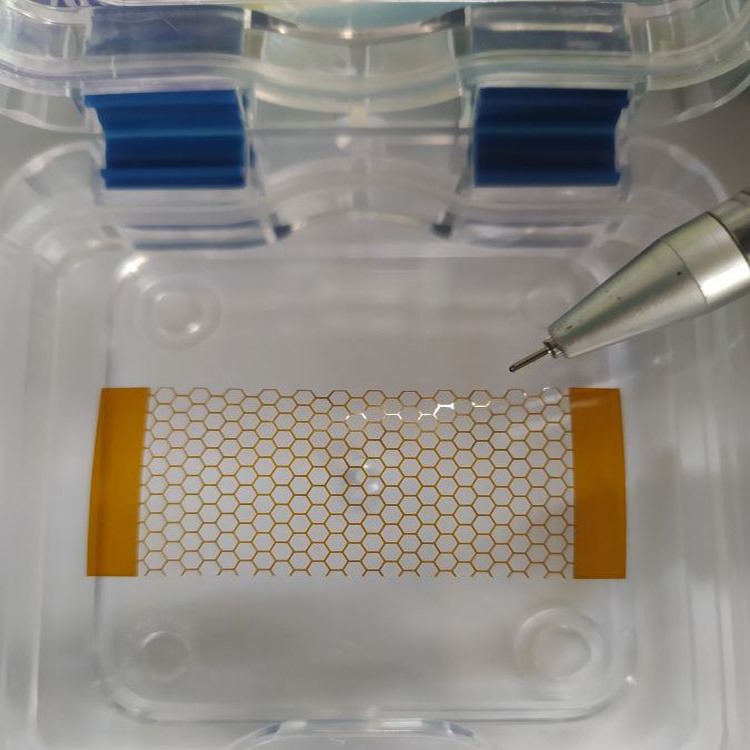
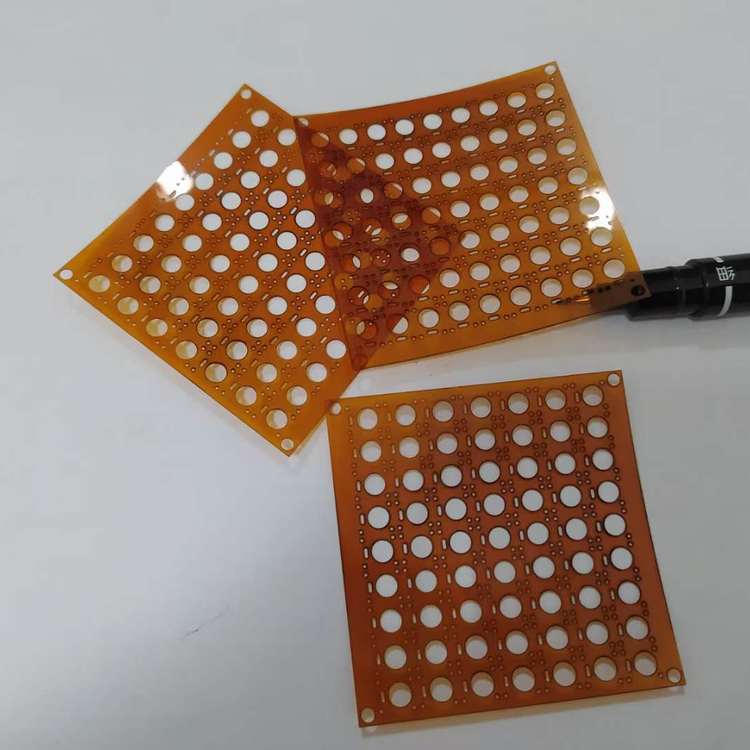
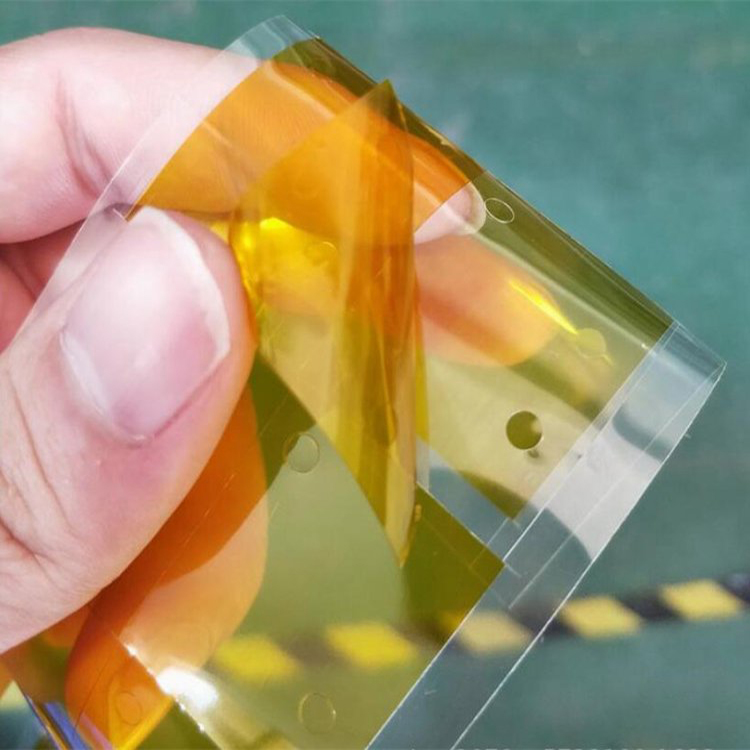
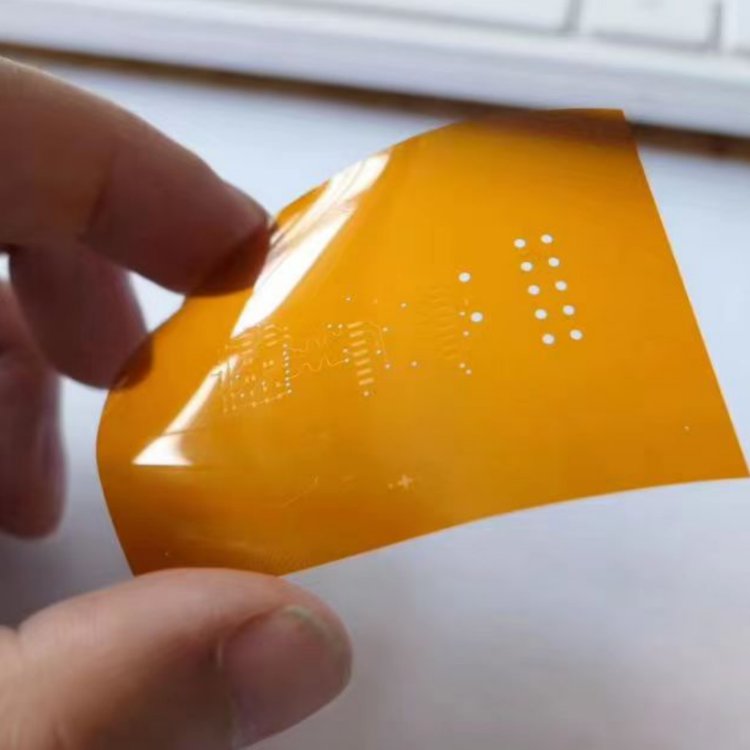


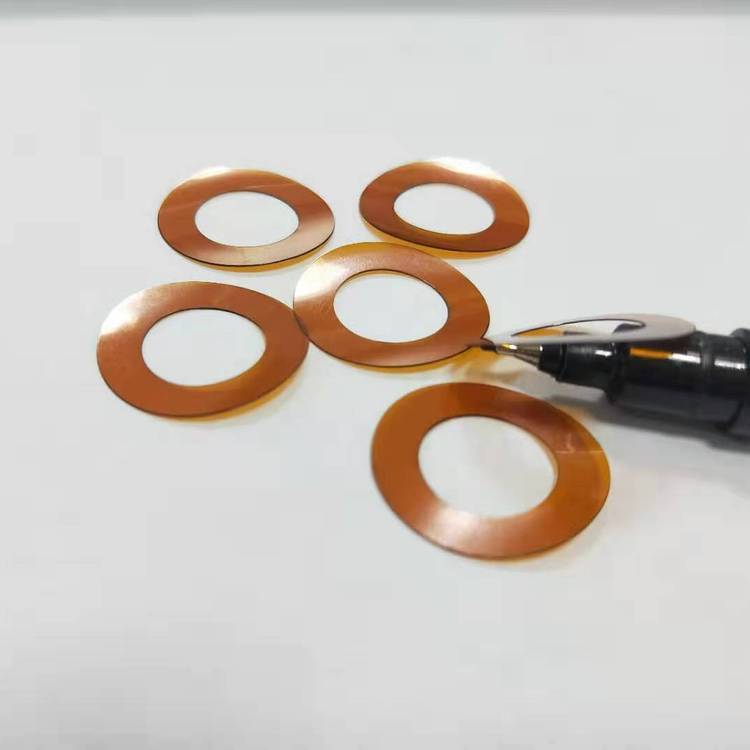
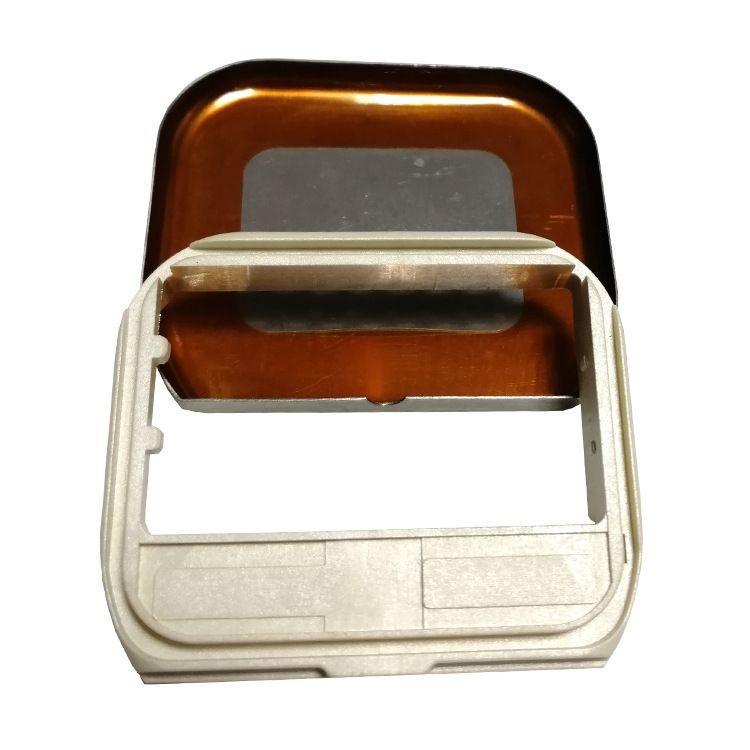
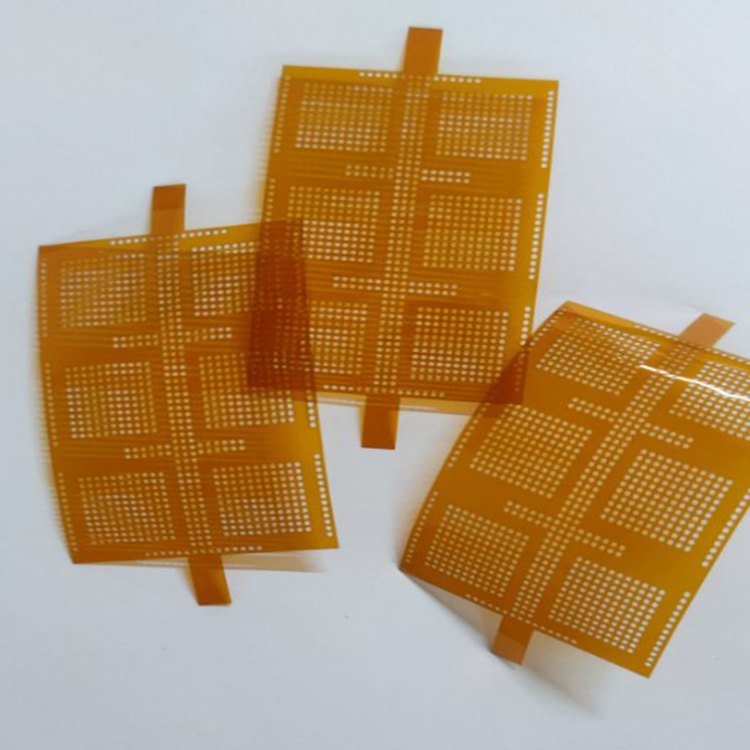
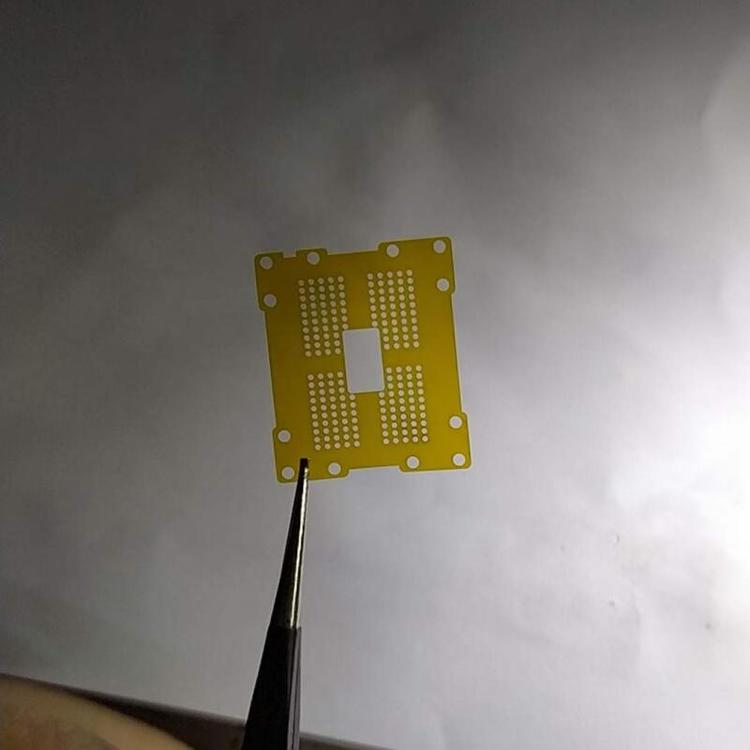
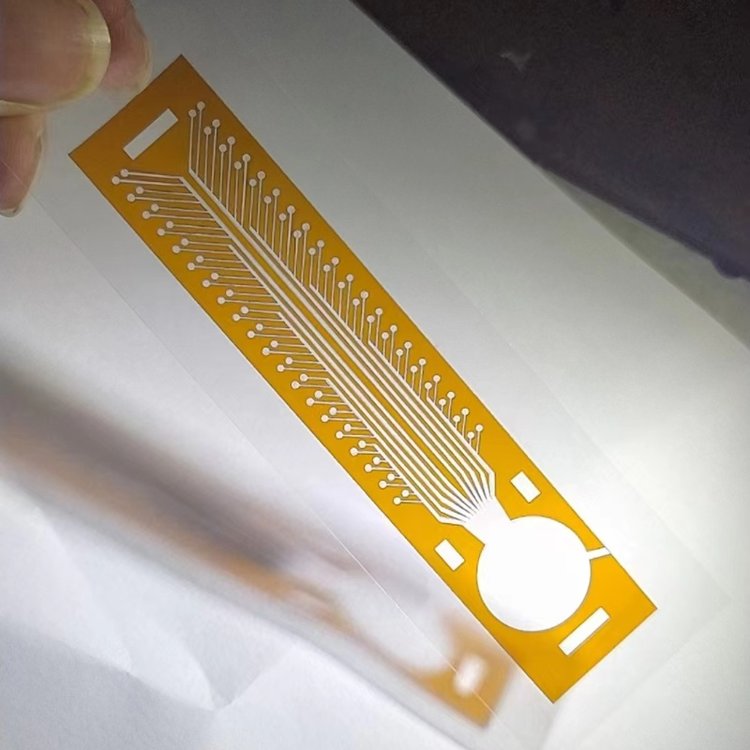
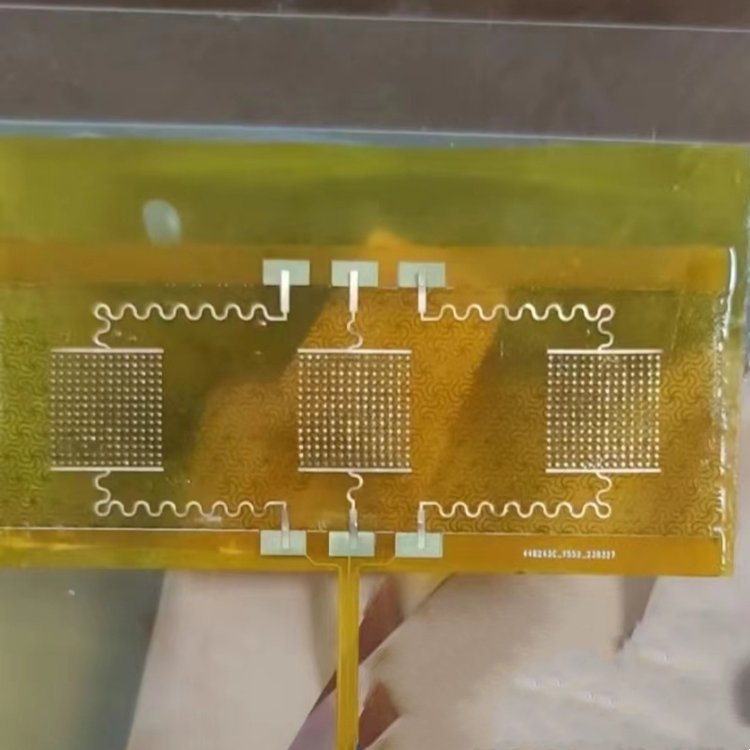


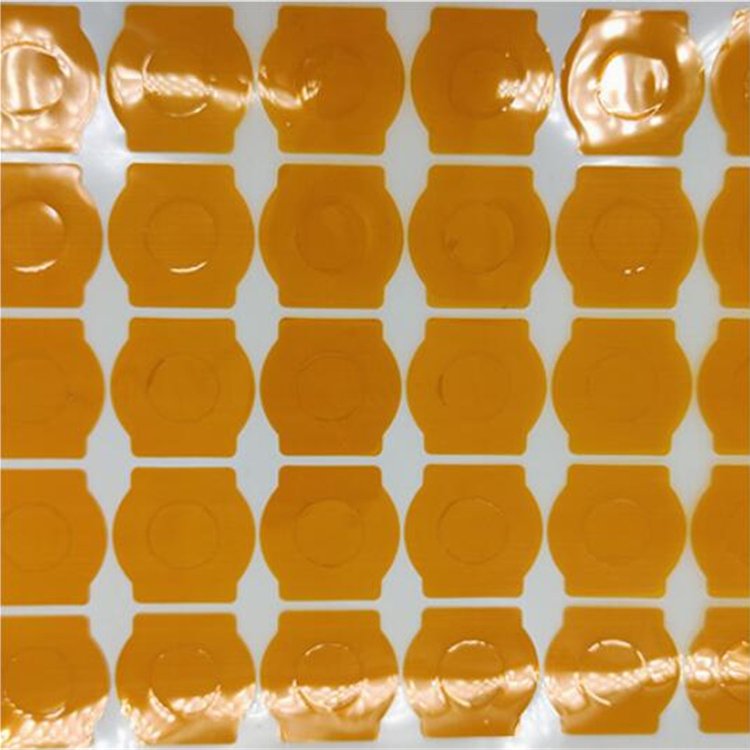

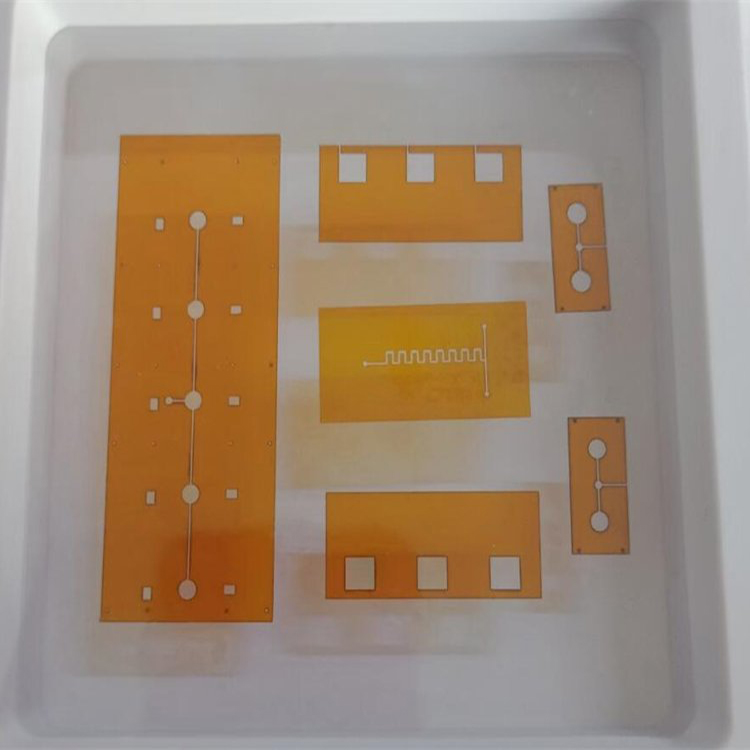
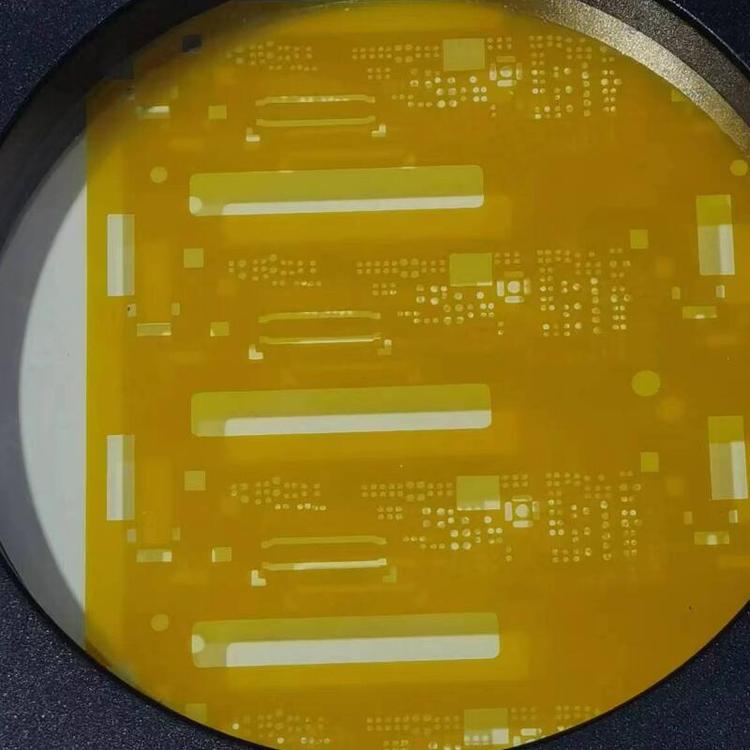


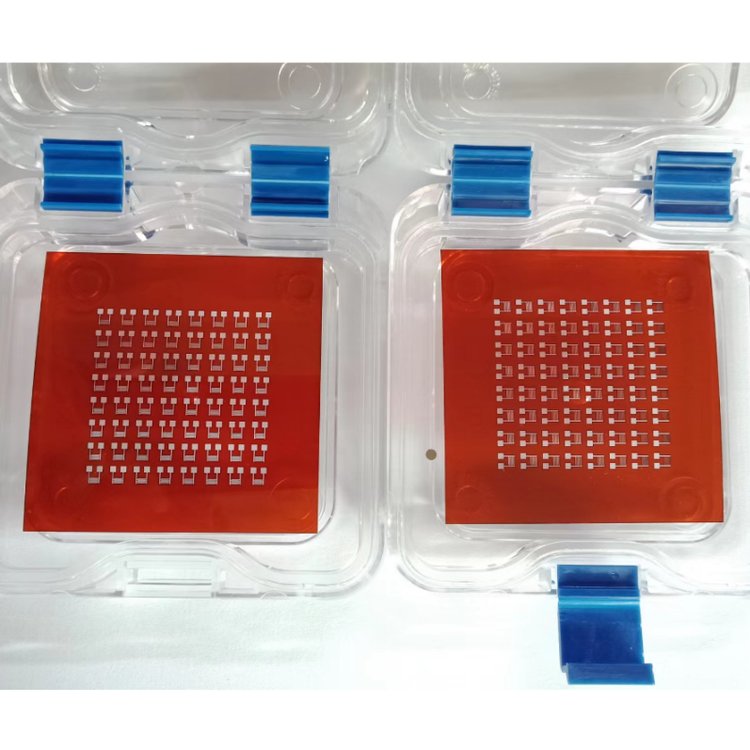
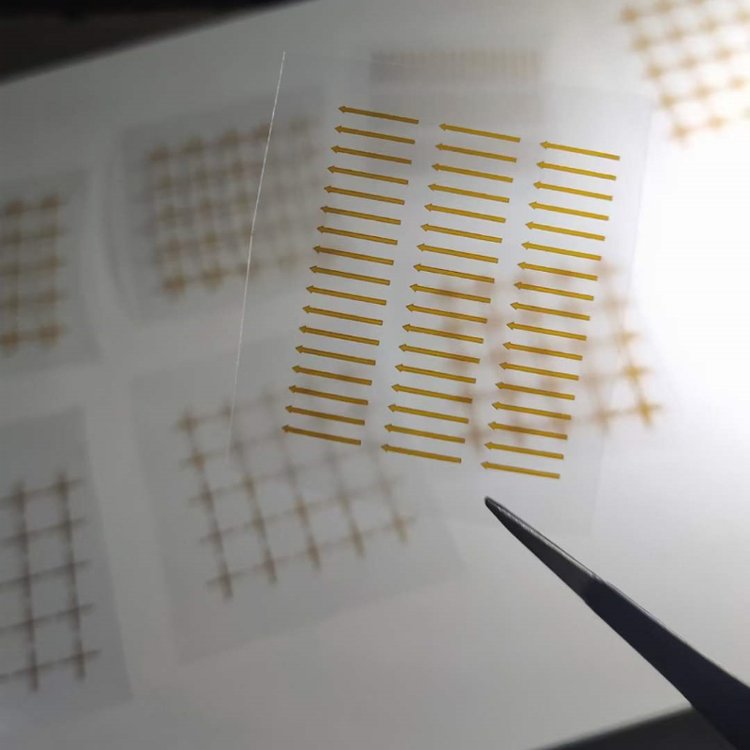
Polyimide (PI) film is a high-performance polymer material with excellent overall properties. It is widely used in various high-end fields due to its high-temperature resistance, chemical corrosion resistance, good electrical insulation properties, high mechanical strength, and excellent dimensional stability. By processing polyimide film through techniques like die-cutting and stamping, various shaped and sized functional components or semi-finished products can be manufactured. The following section will detail the characteristics of PI film die-cutting and stamping processing as well as its common application areas.
I. Key Features of Polyimide Film Die Cutting and Shaping Processing
High-precision molding
Polyimide film boasts excellent volume stability, low coefficient of thermal expansion, and is resistant to deformation during processing, ensuring high dimensional accuracy.
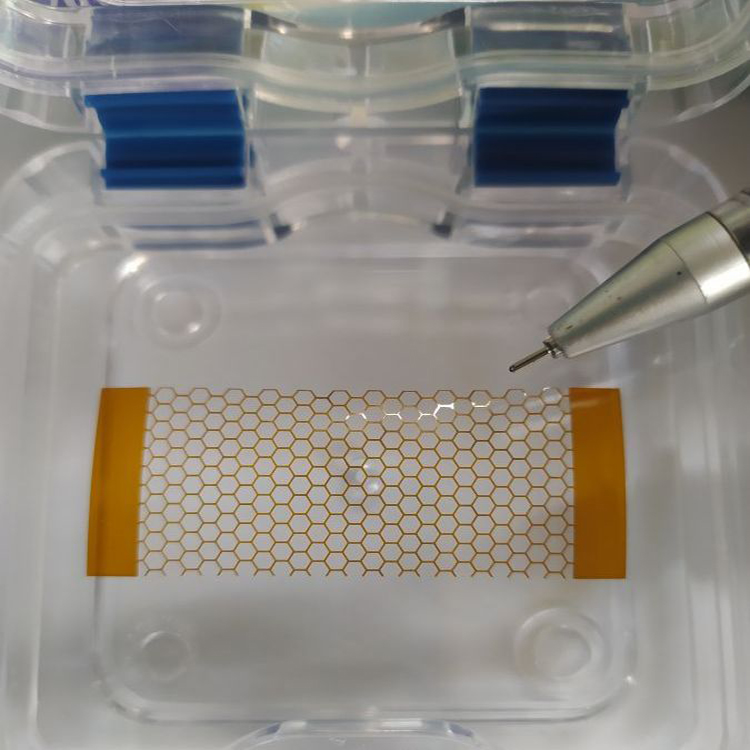
Using precision molds or high-precision die-cutting equipment, high-precision punching of polyimide film with thickness ranging from tens to hundreds of micrometers is achievable, enabling the processing of complex shapes.
High-temperature and chemically resistant
Polyimide film boasts excellent thermal stability, maintaining superior mechanical and electrical properties in high-temperature environments.
Excellent tolerance to various chemicals (such as solvents, acids, and bases), conducive to配合 in different production processes (like lamination, encapsulation, etc.).
Superior electrical insulation properties
Polyimide film has a low dielectric constant, high breakdown voltage, and low conductivity. The finished products after die cutting can be used for various insulation and sealing requirements.
Maintains stable insulation properties even in high-temperature, high-humidity, or high-frequency environments.
Mechanical strength combined with flexibility
Polyimide film features high tensile strength and excellent toughness, making the cut parts less prone to cracking or tearing and highly durable.
Its texture is thin and soft, suitable for flexible circuit, curved bonding, and other application scenarios.
Adaptable to various forming and lamination processes
Polyimide film can be laminated with other materials (such as adhesives, foil, protective films, etc.) to form multi-layer functional components through lamination, coating, and then die-cutting.
After die-cutting, subsequent processes such as automatic bonding and lamination can be performed, facilitating mass production.
Section II: Main Application Fields of Die Cutting and Forming of Polyimide Film
Electronics and Electrical Field
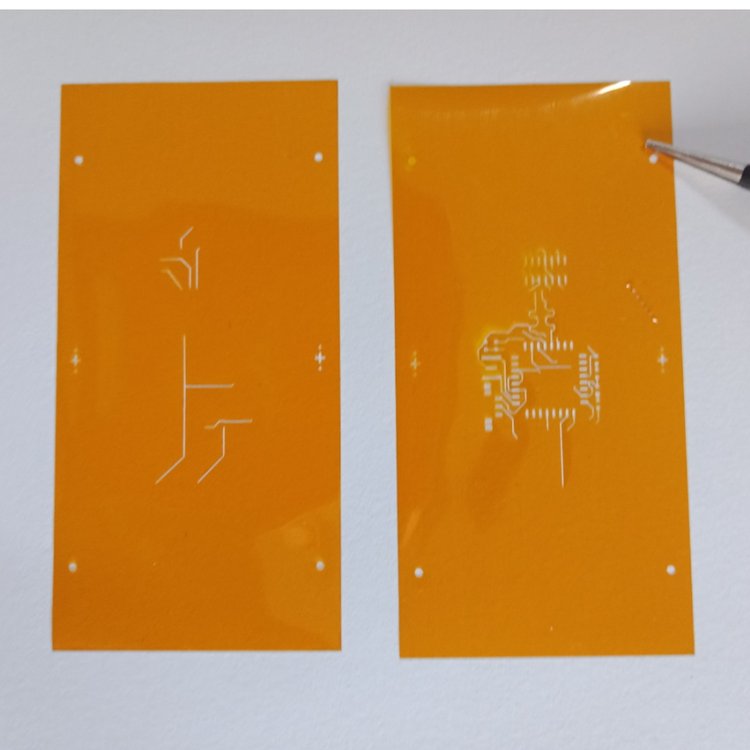
FPC (Flexible Printed Circuit) and Rigid-Flex BoardsPolyimide film is commonly used as the base material for flexible circuit boards, which, after die-cutting, can be employed to produce intricate circuit patterns, cover films, reinforcing plates, and more.
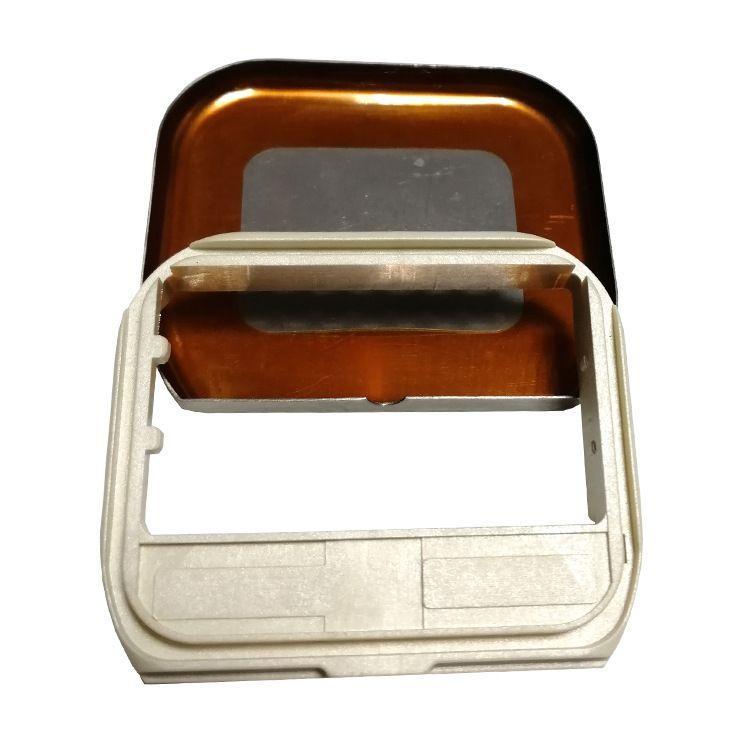
Electric motors and transformers insulationPyrolytic imide film shaped parts can be used as high-temperature insulating materials, applicable for motor coil wrapping, transformer insulating washers, etc.
Connectors and TapesFor applications requiring temperature resistance and insulation, such as various electronic components, connectors, and tapes, polyimide die-cut parts are commonly used.
Aerospace
Polyimide film is resistant to high temperatures and lightweight, suitable for insulating, structural reinforcement, and thermal protection layers in spacecraft.
High-end electronic components in the equipment commonly use polyimide molded parts for insulation and protection.
Automotive Industry
For hybrid or electric vehicle battery systems and electronic control modules, a large number of high-temperature, chemically resistant, and wear-resistant components are required. Imide film stamping parts are an ideal choice.
High-temperature sealing and electrical insulation materials for automotive sensors and connectors, as well as polyimide die-cut parts.
Semiconductors and Microelectronics Packaging
Due to its stable insulation properties under high temperature and high-frequency conditions, polyimide film is commonly used as a protective film, cushioning pad, or encapsulation material for semiconductor chips.
Microelectronic components demand high dimensional accuracy and thermal expansion coefficients, which can be met by polyimide film punching parts.
Optical Display and Communication Equipment
5G communication equipment, optical instruments, and internal circuits and optical modules require high standards for high-frequency loss and dimensional accuracy. Polyimide film provides a reliable substrate and shielding/insulation.
OLED display modules and camera modules, among others, demand high precision and thermal resistance in encapsulation materials. Imide molding parts are commonly used for sealing and protection in such equipment.
Medical Equipment
Polyimide film meets various medical-grade material requirements and boasts excellent chemical stability, making it suitable for wearable medical devices, sensors, and insulating washers, etc.
III. Summary
Polyimide film die-cutting and forming processing is widely used mainly due to its high-temperature resistance, chemical corrosion resistance, excellent electrical insulation properties, and high mechanical strength. Through precision molds, punching equipment, and corresponding composite processes, high-precision processing of polyimide film can be achieved, producing various electronic insulation, shielding, protective, and load-bearing components to meet the demands of industries for thin, reliable, and durable materials.
With the development of industries such as electronic information, aerospace, new energy vehicles, and 5G communication, the demand for imide film stamping parts will continue to grow, and the precision die-cutting technology will become more mature, with wider applications as well.