




During the design and manufacturing of flexible printed circuits (FPC), certain specific areas (such as connector socket areas, pad areas, or regions requiring fixed components) often require additional mechanical support and deformation suppression. To meet this need, it is common to add one or more layers of "stiffeners" locally to the FPC, which enhance hardness, strengthen mechanical strength, and reduce bending stress. The so-called "single-piece FPC stiffener" refers to a single (or a piece) of stiffening material attached separately to the FPC. The following are its main features and applications.
I. Key Features of FPC Single-Ended Reinforcement Boards
Partial enhancement, increased mechanical strength
Reinforcement plates are typically only partially mounted in critical areas of the FPC, such as connectors, battery contact terminals, or BGA pad regions. This significantly enhances the bending and tensile resistance of these areas without compromising the overall flexibility of the FPC.
A variety of materials are available.
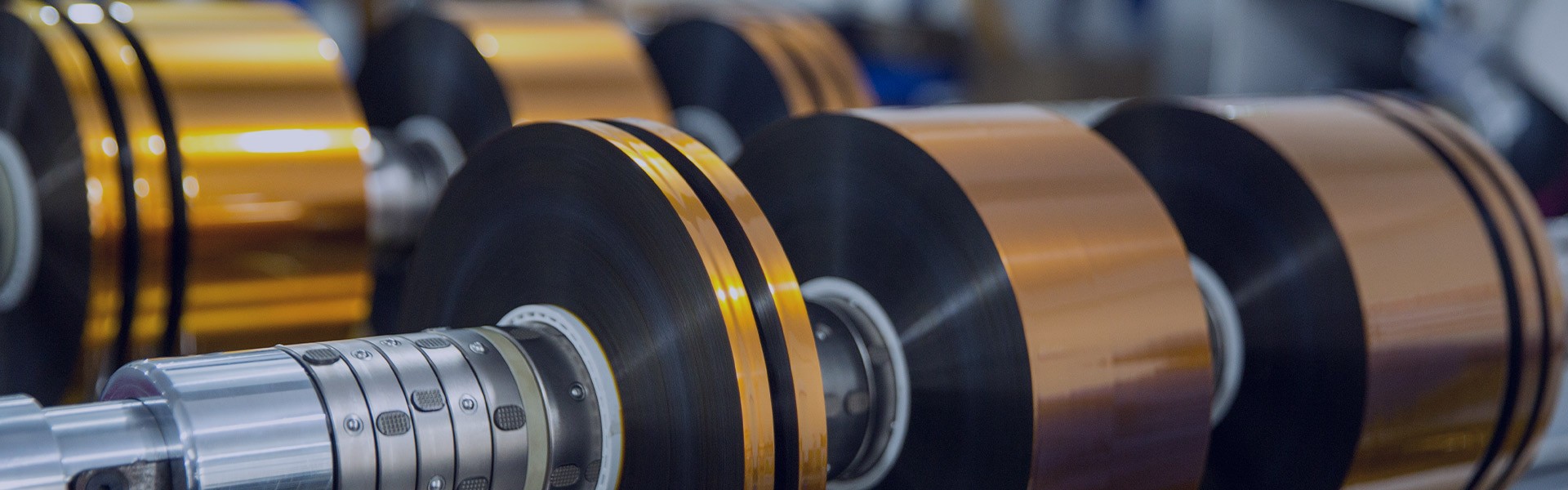
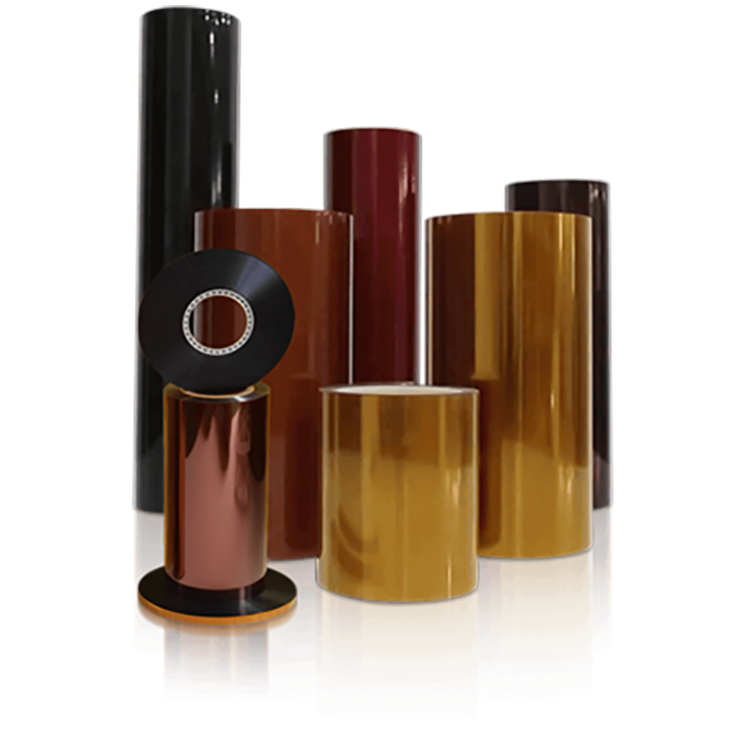
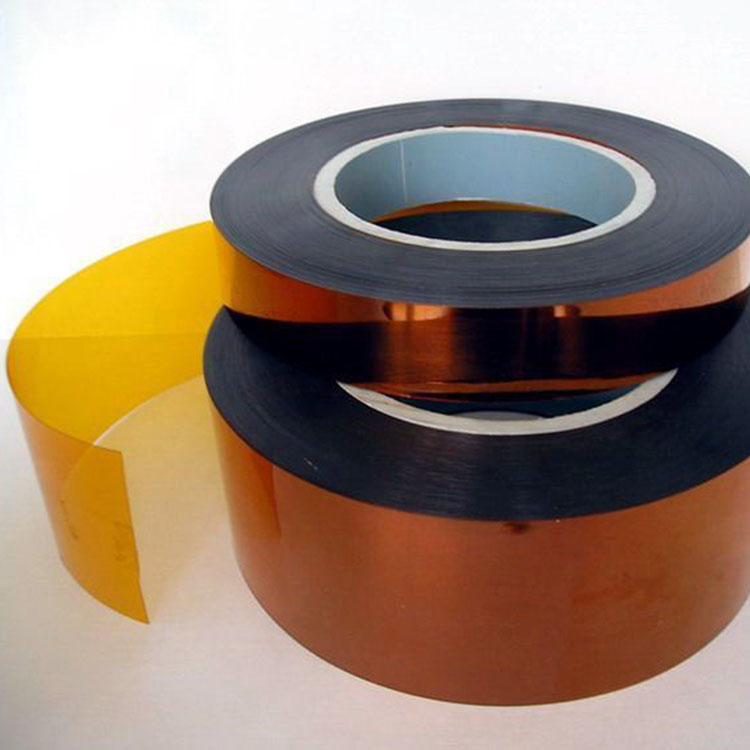
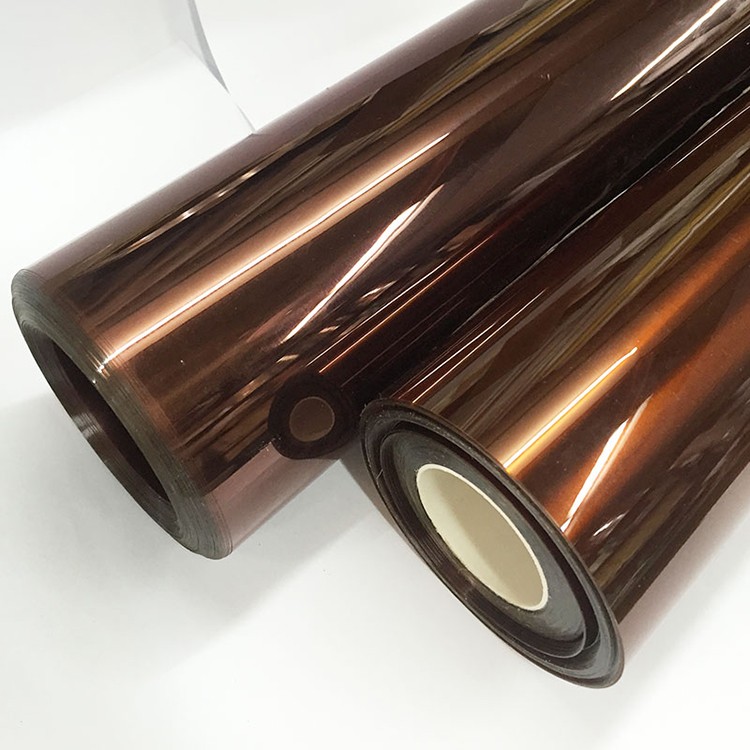
Polyimide (PI)Similar or identical to the FPC base material, with a comparable coefficient of thermal expansion and good process compatibility, commonly used for thin-type reinforcement.
FR-4 (Glass Epoxy Board)High mechanical strength, lower price, but thicker and harder, suitable for applications requiring stronger support.
Stainless steel, aluminum base materialsFor applications requiring additional shielding, electromagnetic compatibility, or higher intensity, but with a relatively higher weight.
Other Special Materials(like ceramic substrates, metal-PI composite layers, etc.), select according to application requirements.
Common reinforcing materials include:
Customized thickness, dimensions, and shapes
According to the FPC design requirements, the shape, size, and thickness of the reinforcing plate can be customized flexibly. Common thickness range: 0.1 mm to 1.0 mm, determined by factors such as connector type, assembly height, and assembly tolerance.
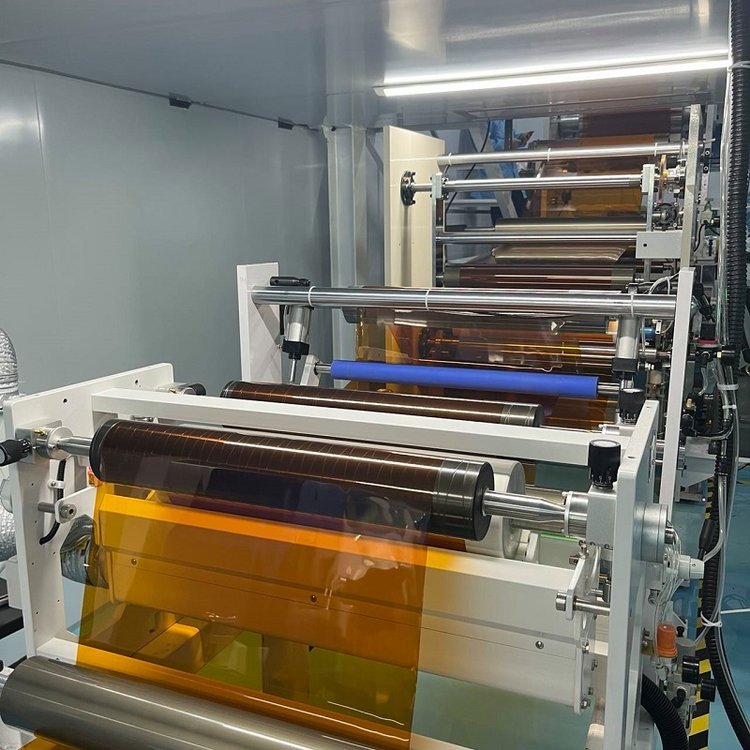
The reinforcing plate is reliably bonded to the FPC in the area through heat pressing or cold pressing bonding process.
Hot stability and dimensional stability
To maintain minimal dimensional change during bonding and subsequent high-temperature processes such as reflow soldering and wave soldering, reinforcing materials typically possess excellent thermal stability and a low coefficient of thermal expansion.
Maintains consistent size and mechanical properties within a specific range (such as from -40°C to +125°C or higher).
Compatible with common adhesive processes
Common bonding methods include heat pressing, tape bonding, or curing with epoxy resin.
The bonding temperature, pressure, and time must be controlled during the process to ensure there are no defects such as bubbles or delamination between the reinforcing panel and the FPC.
Section 2: Application Scenarios for Single Reinforcement FPC Boards
Connectors and Plugs Section
In connector sockets such as ZIF, FFC, and BTB, frequent insertion and removal, as well as mechanical stress concentration, can lead to FPC bending or damage. Applying a reinforcing plate enhances local rigidity, ensuring insertion/removal lifespan and reliability.
Common ribbon cable interface areas found in mobile phones, tablets, and laptops.
BGA or QFN high-density pad areas
In areas with high packaging density and dense焊点, reinforcement is required to minimize warping and deformation during reflow soldering or mechanical impact.
Reduce the risk of cracks or voids in the solder joints during thermal cycling, enhancing the reliability of the device's welding.
Area of components subject to stress or fixation
For heavier or larger components (such as camera modules, vibration motors, sensors, etc.) that need to be assembled on FPCs, reinforcing plates prevent excessive stretching or bending of the FPC during impact or vibration.
Especially common in high-vibration scenarios such as automotive electronics, industrial control, and motor drive boards.
Precision Touch and Display Module Interface
OLED, LCD display modules, and touch modules typically use FPC for their wiring. When a firm connection to the mainboard is required to prevent damage from plugging and unplugging, a reinforcing board is often added to ensure process stability.
In flexible displays or wearable devices, single-piece reinforcement can be flexibly configured according to the product structure requirements.
High-frequency, high-speed signal area
On flexible PCBs for high-speed interfaces (such as MIPI, USB, HDMI, etc.), reinforcing boards help maintain flatness and reliable impedance control, reducing the impact of minor deformations on signal integrity.
Sufficient mechanical support may not directly affect the signal, but it can reduce the risk of weld and conductor fractures, thereby maintaining the stability of high-speed transmission.
Section 3: Selection and Design Key Points
Clearly define the purpose and dimensions of the designated area.
When designing FPCs, it's crucial to communicate with structural engineers and process personnel to determine the socket dimensions, pad area sizes, and mechanical requirements, thereby reasonably planning the reinforcement shape, location, and dimensions.
Choose appropriate reinforcing materials
If a light reinforcement is sufficient and a thinner material with high compatibility with the overall FPC material is desired, polyimide (PI) reinforcement can be chosen.
If the connector or pad area is subjected to frequent stress and requires a significant increase in rigidity, a thicker FR-4 can be chosen.
For heat dissipation or electromagnetic shielding, consider metal reinforcement (stainless steel, copper alloys, etc.).
Simultaneously address material costs and complete assembly requirements.
Control adhesive accuracy and surface quality
The bonding process must prevent the formation of air bubbles, bulges, and wrinkles between the reinforcing plate and the FPC.
Optimize the selection process for the adhesive layer or pressure-sensitive tape, including parameters such as bonding temperature and pressure, to ensure strong adhesion.
Maintain compatibility with the production process
Strengthening sheets are typically applied before FPC shipment or PCBA soldering, and must withstand subsequent reflow soldering, wave soldering, or other assembly processes, thus requiring materials that can endure the corresponding temperatures and chemical environments.
Pay attention to the fit with the whole shell and other structural components, and avoid the reinforcement plate size interfering with the casing.
Evaluate the feasibility of the bending area
If the FPC itself requires repeated or large-angle bending in certain areas, it should avoid using rigid FR-4 or metal reinforcement in the bending area to prevent breakage.
Areas requiring bending can use thinner, more flexible reinforcement or simply no reinforcement at all to ensure the bending performance of the FPC.