
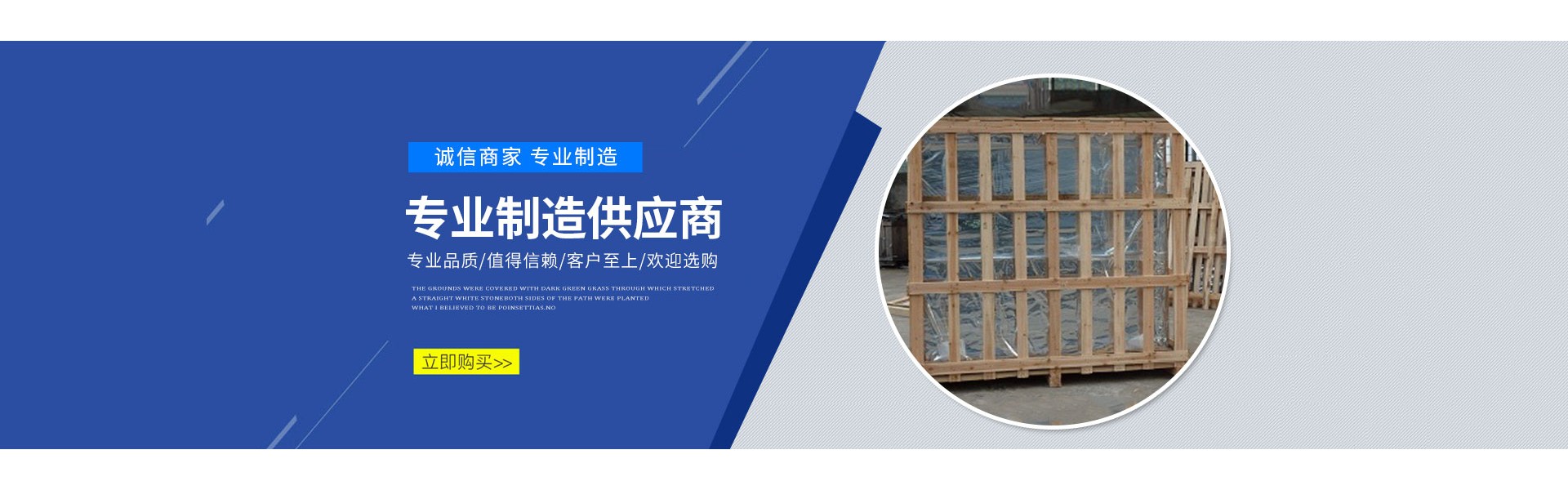

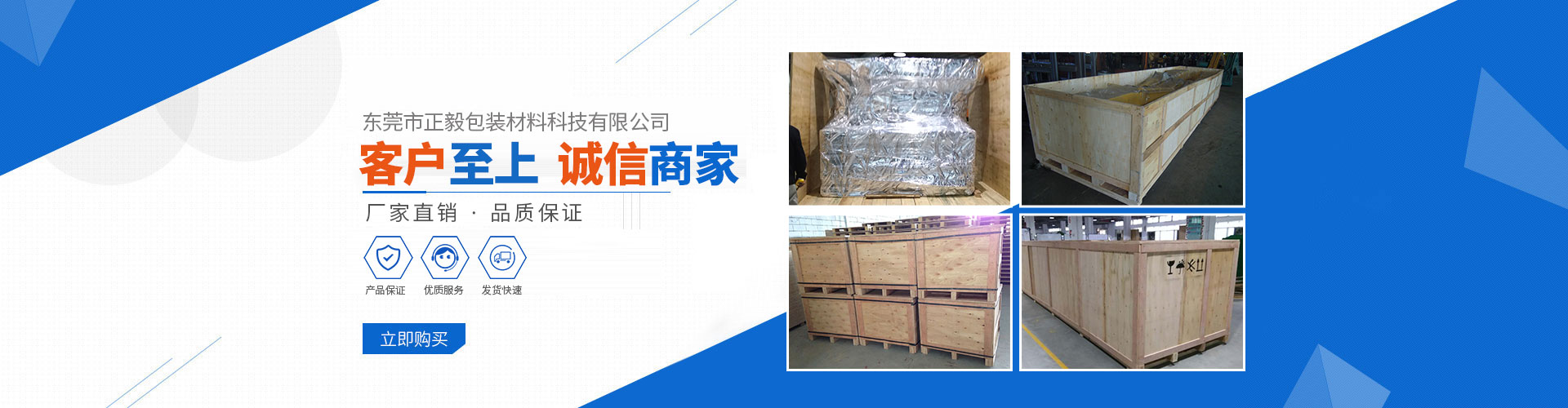


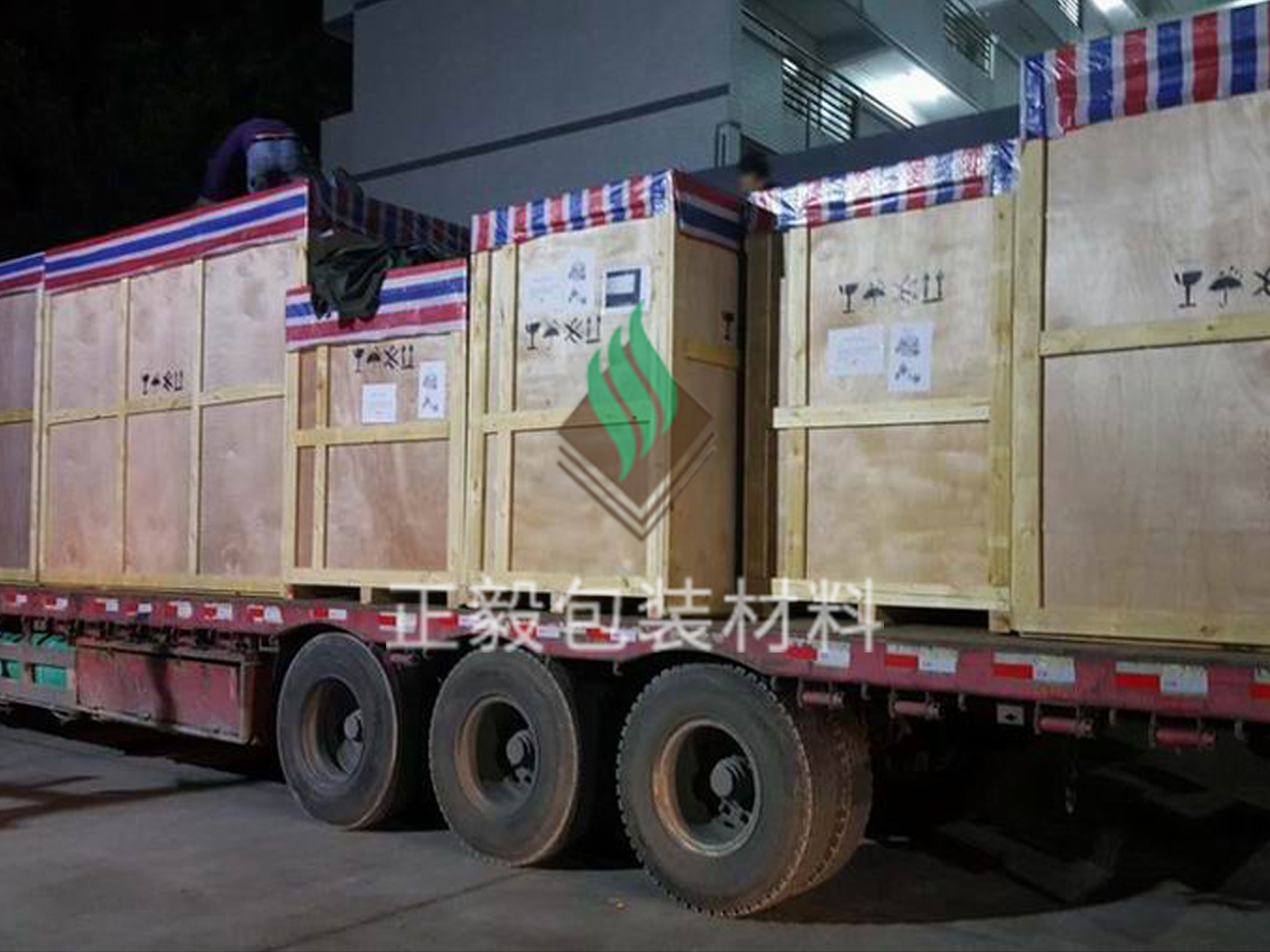
Zhenyi Packaging is essential for producing various wooden boxes, which are indispensable for machinery transportation. Wooden boxes are such packaging products, and they are widely used in international trade. However, solid wood packaging materials can carry forest pests and diseases, and in recent years, the speed and frequency of their spread across international borders have gradually increased. Many countries around the world have implemented stricter inspection and quarantine systems for imported goods with wooden packaging. China's forest resources are relatively scarce, and the contradiction between wood supply and demand has become increasingly intense in recent years, limiting the continued development of solid wood in the packaging industry. Nevertheless, packaging boards produced through deep processing techniques like drying and hot pressing show promising applications in terms of resources, structure, and inspection and quarantine.
Wooden boxes are generally divided into two main categories: outer packaging boxes and sealed boxes.
1. Outer packaging wooden boxes [Key Features] Typically woven boxes or louvered boxes, commonly used for packaging glass bottles, metal cans, and ceramic jars. They do not require high moisture resistance and demand that the containers inside are not damaged during handling.
2. Sealed wooden boxes [Main Features] are fully enclosed wooden boxes suitable for hazardous goods that require rust, mildew, and moisture resistance. [Applicable Hazardous Goods] Barium perchlorate, etc.
In addition, wooden boxes, as a commonly used transport packaging container, are widely applied in many fields due to their numerous advantages such as being easily sourced locally, simple to manufacture, lightweight, high strength, durability, certain elasticity, and relatively inexpensive pricing. They are especially crucial for packaging large and medium-sized mechanical products. Common types of wooden boxes include nailed board boxes, strip board boxes, bundled board boxes, wooden spline boxes, and dovetail wooden boxes: nailed board boxes are generally used for small transport packaging and can encase a variety of items with different properties; strip board boxes can be used to package vegetables requiring ventilation and breathable materials, fragile items like glass and ceramics, or large equipment; bundled board boxes are typically used for the outer packaging of paper boxes and fruit and vegetable items. Wooden spline boxes have similar load-bearing capacity to nailed board boxes but are lighter, have a smooth surface, are aesthetically pleasing, have good dust resistance, are easy to print markings on, and save on wood usage.
