




Features
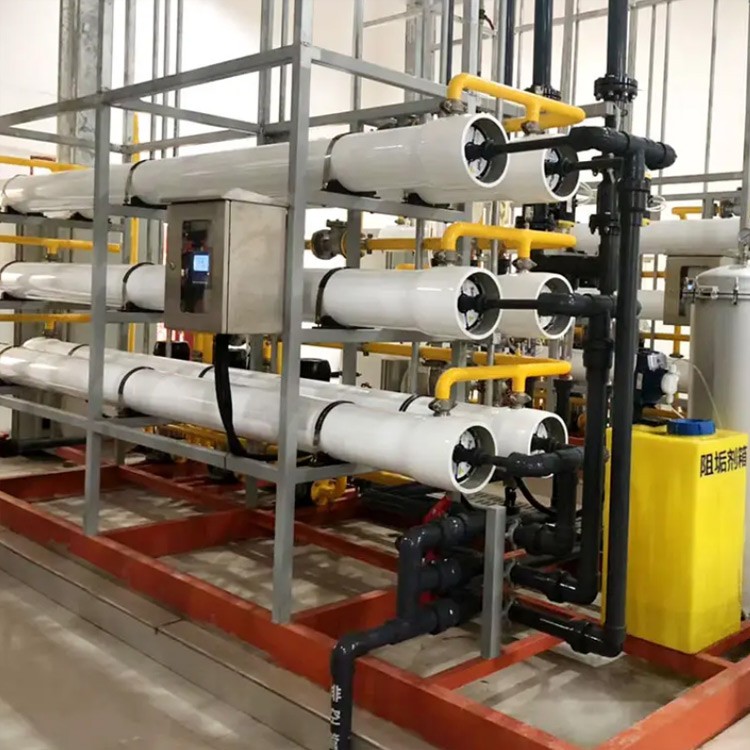
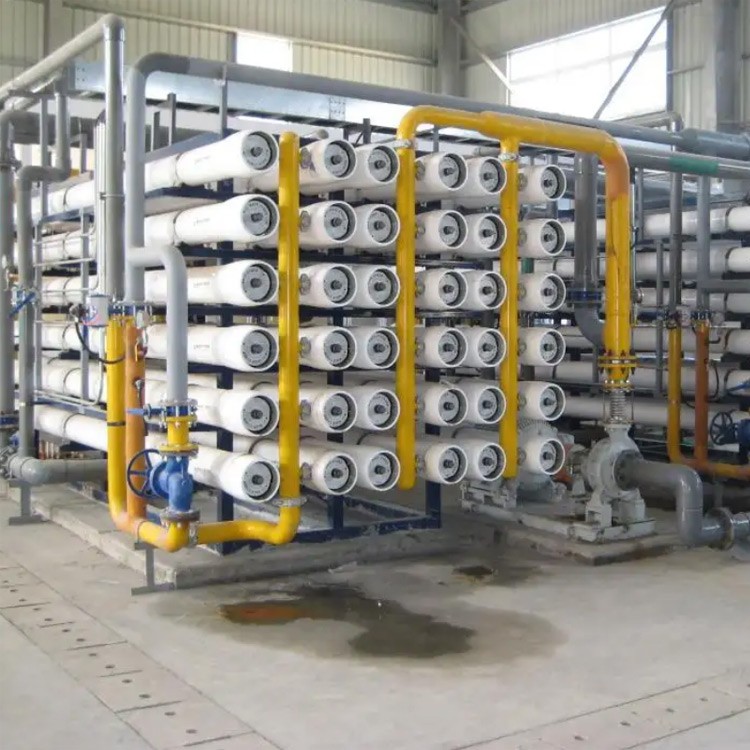
Membrane biological treatment technology, applied in wastewater recycling, features the following aspects:
(1) Efficiently separates solids from liquids, isolating suspended particles, colloidal matter, and microorganisms from the biological unit in wastewater from purified water. The separation process is simple, requires minimal space, produces high-quality effluent, and typically does not require tertiary treatment for reuse.
(2) Maintains high biomass concentration within the biological treatment unit, significantly increasing the volumetric loading.
(3) Preventing the loss of various microbial populations facilitates the growth of slow-growing bacteria, such as nitrifying bacteria, ensuring smooth metabolic processes within the system.
(4) Increases the retention time of some large-molecule, difficultly degradable organic matter, benefiting their decomposition.
〔5〕Membrane treatment technology, like other filtration and separation techniques, experiences clogging of the membrane as a filtration medium over time during operation. The water flux through the membrane gradually decreases with operating time. Effective backwashing and chemical cleaning can slow down the decline in membrane flux, maintaining the effective service life of the MBR system.
Installation & Maintenance
1. Basic: For WSZ series equipment, if placed above the ground level, only a concrete slab of the same shape as the equipment is required for the foundation. The bearing capacity of the foundation must exceed 4T/m², and it is also required to be level and smooth.
If the equipment is buried below the ground level, the foundation elevation must be less than or equal to the equipment elevation and ensure no water accumulation during rain. The foundation is typically plain concrete (whether reinforced depends on the local geological conditions).
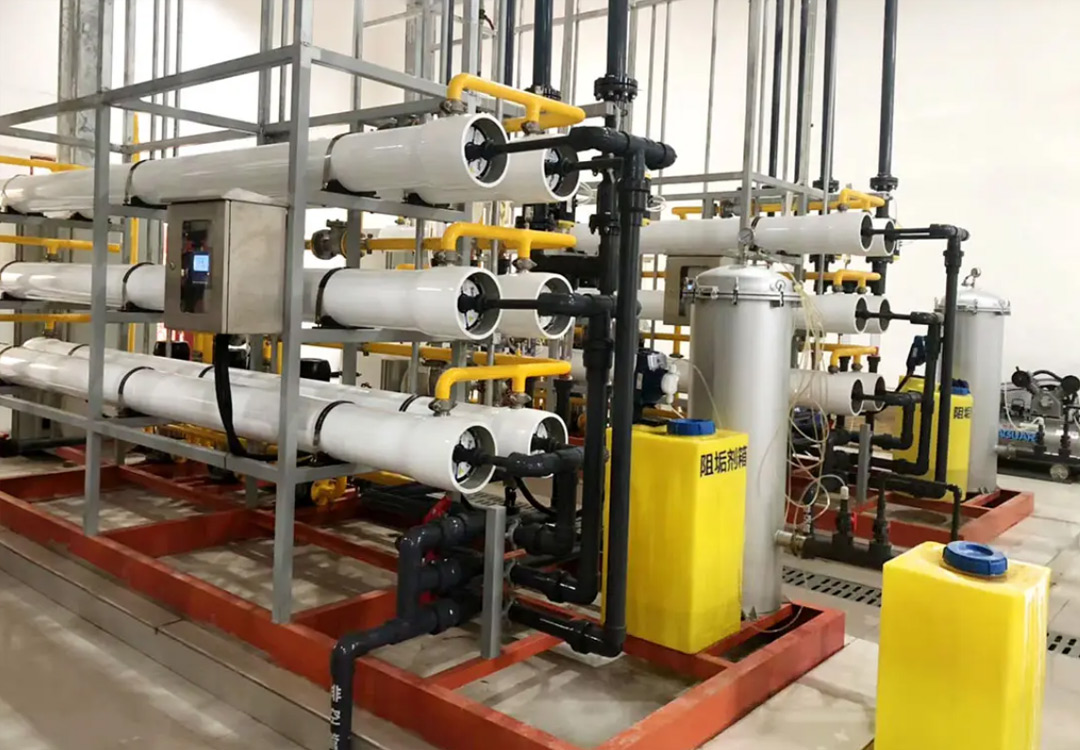
2. Installation: Position according to the installation diagram, with each cabinet placed sequentially. Ensure the correct positioning and orientation of the cabinets, maintain accurate spacing between them, and properly connect the pipes.
Fill the equipment with clean water, check for any leaks in the pipes, and if none are found, cover the surrounding area with soil up to the equipment inspection opening, and level the ground. Connect the control cables of the electrical control box to the pump, and connect the electrical control box to the power source. Pay attention to the direction of rotation of the fan and motor during wiring; they must be the same as the direction indicated by the fan.
