



VOC stands for volatile organic compounds; however, in the context of environmental protection, it refers to a class of active volatile organic compounds, i.e., those that can cause harm.
VOC stands for Volatile Organic Compounds, which have a significant impact on human health. When VOC levels in indoor spaces reach a certain concentration, people may experience symptoms like headaches, nausea, vomiting, and fatigue within a short period. In severe cases, seizures, coma, and damage to the liver, kidneys, brain, and nervous system can occur, leading to serious consequences such as memory loss.
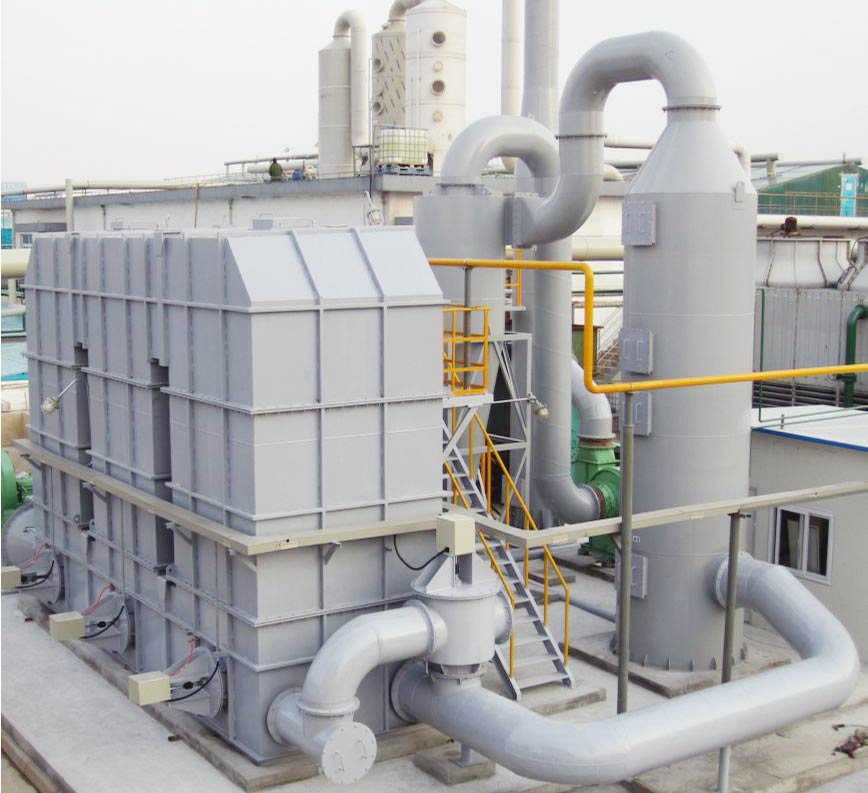
Solution
1. Active Adsorption Method
In organic waste gas treatment processes, adsorption is one of the widely used methods with excellent treatment effects. Adsorbents include activated carbon, diatomite, and zeolite, with activated carbon being most commonly used. Through the adsorption system, not only can VOC concentrations be significantly reduced to meet emission standards, but the collected materials can also be recycled for production after adsorption and desorption via gas stripping.
2. Wind Induction High Altitude Emission Method
This is one of the simpler methods typically used by general enterprises on jobs such as painting and sanding, which is cost-effective, easy to operate, and yields noticeable results. However, high-altitude emissions merely transfer pollution without actually solving the pollution issue. The power of the exhaust fan and the installation height of the air outlet directly affect the exhaust efficiency.
3. Combustion Treatment Method
VOCs are volatile organic compounds, flammable, and can be treated by combustion at room temperature or catalytic oxidation. The gas is fed into a boiler or incinerator through an exhaust duct for combustion. However, safety verification is required for high-temperature organic gases. This method is relatively complete, essentially converting VOCs into CO2 and H2O.
4. Absorption Deaeration Method
Because VOCs are generally dissolved in diesel or 200# gasoline and other organic solvents, they can be absorbed by diesel or 200# gasoline. The solvent absorbed can be used as fuel or a diluent. This method is easy to operate and cost-effective, but there is usually residual volatile gas after absorption. Since organic solvents are volatile, VOCs cannot be reduced to zero. At high temperatures, the absorption rate is even lower.
5. Condensate Collection Method
The high-temperature organic gases in reaction kettles can be condensed and collected. Initially, direct condensation is used followed by spiral condensation. This method offers significant gas removal efficiency, is easy to operate, and has low operation costs, but it is not effective for low-boiling point gases.
6. Biological Treatment Method
Biological treatment of organic waste gases is an economical and effective method, offering excellent results and lower operational costs than any other treatment. It is safe and easy to operate. The biological purification of VOCs includes direct microbial purification, indirect microbial treatment (first water absorption followed by wastewater biological treatment), and plant purification methods. Direct biological purification involves bioabsorption ponds, bio-scrubbing ponds, bio-venting ponds, and bio-filter ponds, which are efficient and easy to handle. Among them, bio-filter pond technology is mature and widely used. For instance, Germany and the Netherlands have constructed hundreds of biological waste gas filter beds, all of which have shown good operational results.
The biological treatment method involves absorbing VOCs with water or weak alkaline solutions, where substances like alcohols and aldehydes are easily soluble in water. The wastewater is then biodegraded to meet discharge standards. The plant purification method is to increase green spaces within the factory area, using green plants to absorb and transform pollutants in the atmosphere to purify the air, which is suitable for low-concentration pollution in a large environment.
7. Employ alternative HAP solvent method
Volatile Organic Compounds (VOCs) in solvent-based paints are primarily volatile gases from toluene and xylene, although benzene-based thinners offer many construction advantages, their toxicity is well-known. Therefore, some manufacturers are seeking formulas that can replace toluene and xylene-based solvents to enhance the environmental performance of paints.
