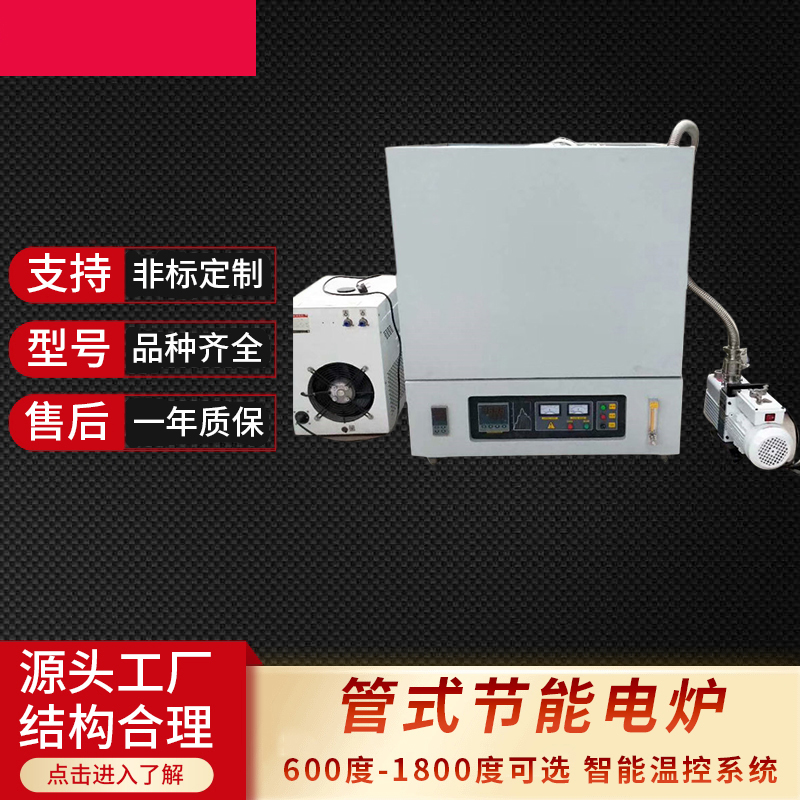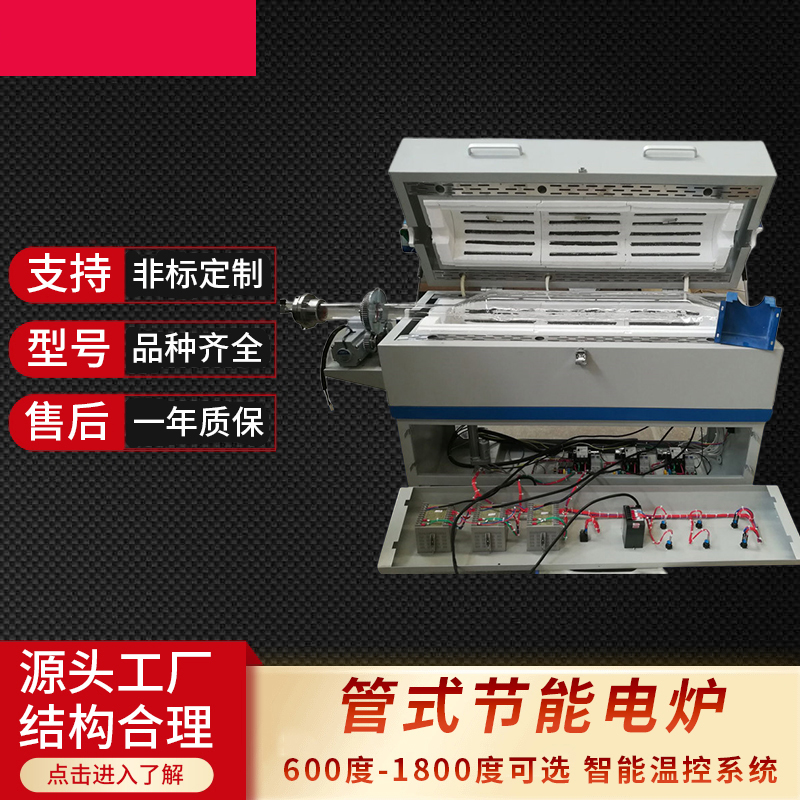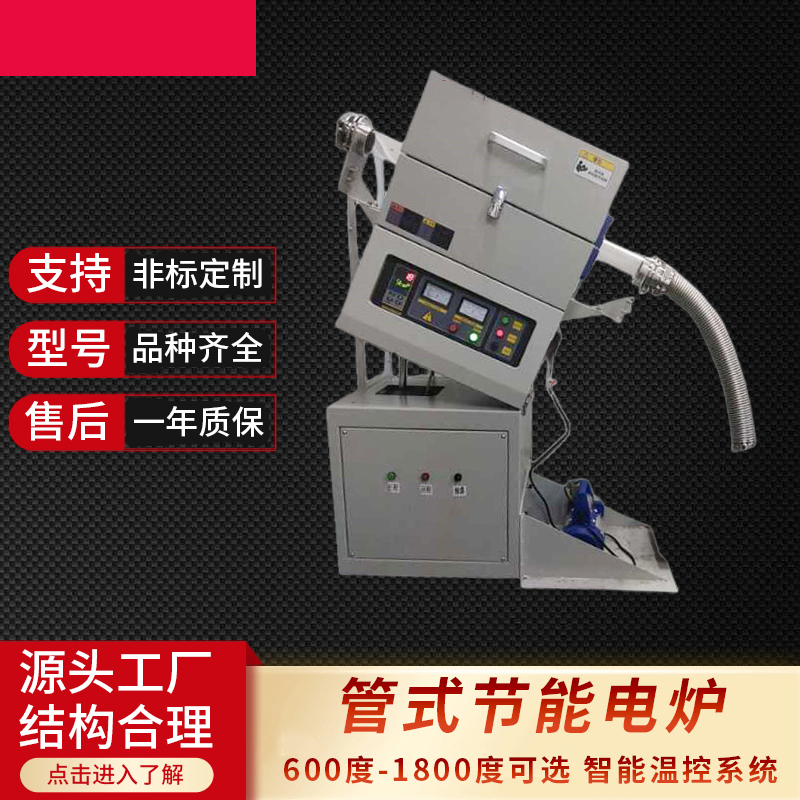
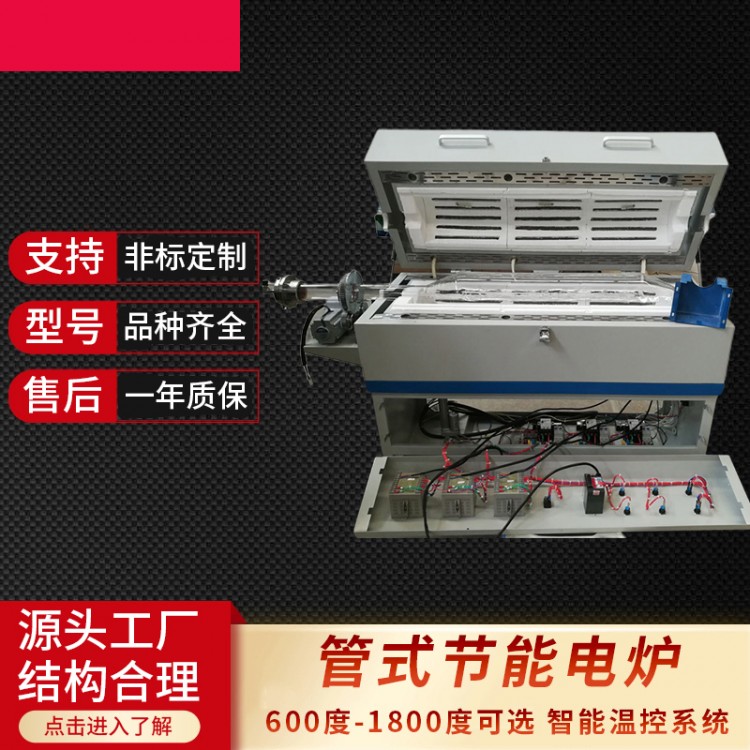
A vertical vacuum atmosphere tube furnace is a heating equipment of significant application value. It utilizes vacuum and specific atmosphere to heat treat and modify materials under high-temperature conditions, widely used in industries such as metals, ceramics, and electronic materials. The main requirements for a vertical vacuum atmosphere tube furnace include furnace body structural design, heating method, atmosphere control, and safety performance. This article will elaborate on these four aspects.
1. Furnace body structure design
The furnace body design is the foundation of the vertical vacuum atmosphere tube furnace. The furnace body should have good sealing performance and thermal stability to ensure stable atmosphere and pressure at high temperatures. The internal design should incorporate reasonable heating elements and thermal conduction structures to achieve uniform heating effects. Additionally, the furnace should also consider a design that is easy to clean and maintain, facilitating user operation and maintenance.
2. Method of Heating
The heating method is one of the core technologies of the vertical vacuum atmosphere tube furnace. Currently, the commonly used heating methods include resistance heating and induction heating. Resistance heating involves heating through the heat generated by the current passing through the conductive materials within the furnace, suitable for heating most materials. Induction heating, on the other hand, utilizes high-frequency current to create eddy currents within the material, heating through the material's inherent resistance. This method offers advantages such as rapid heating speed and low energy consumption, suitable for materials with good conductivity.
3. Atmosphere Control
The atmosphere control of a vertical vacuum tube furnace is crucial for ensuring the heating effect of materials. Depending on the specific requirements of the materials, different atmospheres such as inert gases and nitrogen can be chosen. The control of the atmosphere requires real-time monitoring and adjustment to ensure the formation and stability of the required atmosphere within the furnace. In terms of atmosphere control, the furnace should also be equipped with a device to regulate the intensity of atmosphere flow, to enhance heat transfer efficiency and improve the uniformity of material heating.
4. Safety Performance
Operating a vertical vacuum tube furnace under high temperatures requires utmost safety. The furnace body should be made of high-temperature-resistant materials to ensure stability and wear resistance. It should be equipped with gas leak alarm devices and necessary explosion-proof devices to ensure the safety of the operators. Additionally, the furnace should have over-temperature protection and emergency shutdown mechanisms to deal with emergencies and ensure the safe operation of the equipment.
In summary, vertical vacuum atmosphere tube furnaces are subject to stringent requirements in aspects such as furnace body structure design, heating methods, atmosphere control, and safety performance. Through reasonable design and technological innovation, vertical vacuum atmosphere tube furnaces can be widely applied across various industries, playing a crucial role in heating treatment and modification.