
Product Details

Gear and gear reducer, transmission manufacturing; machinery equipment resear...

Consultation Phone:
0534-2397116
产品Price 2580.00/Tai
最小起订Quantity:1 Tai 供货总Quantity: 500 Tai


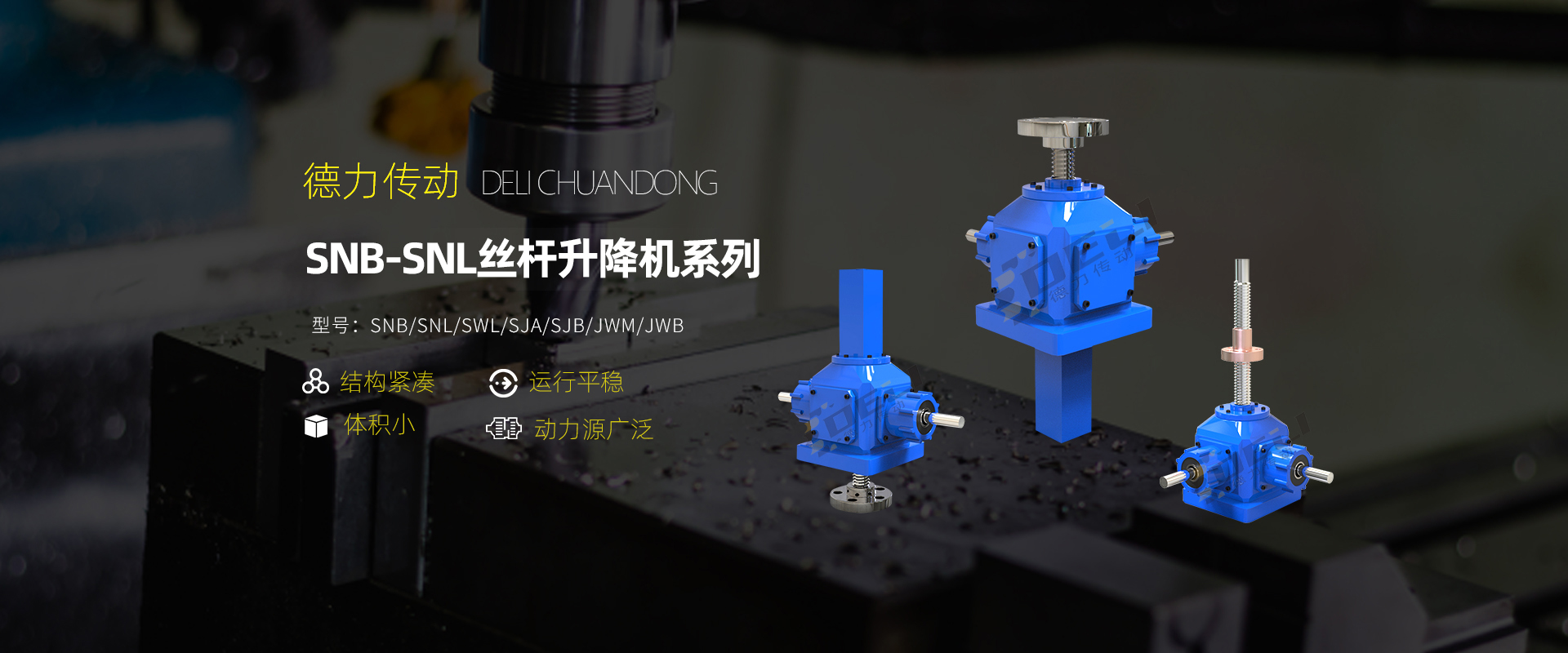
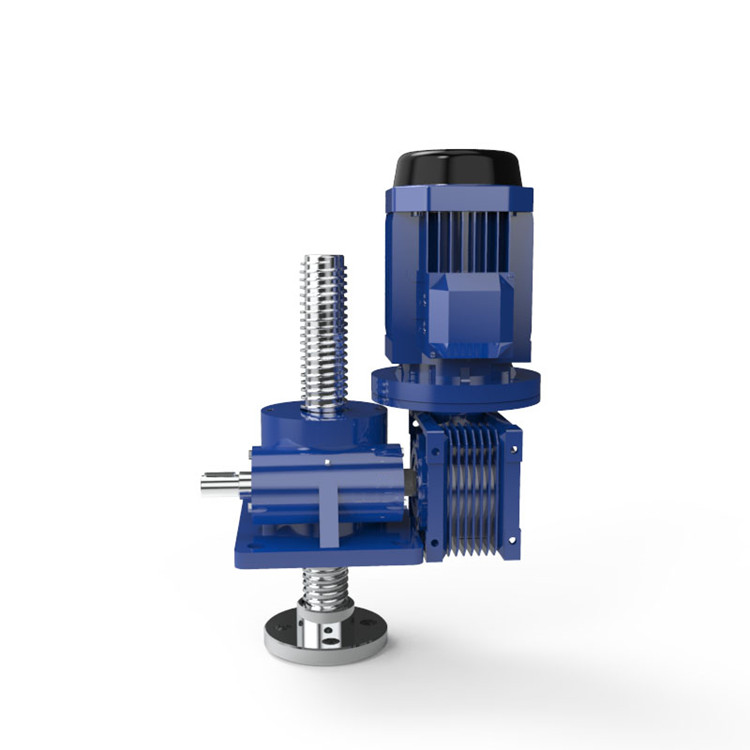 Electric Spiral SWL Screw Jack Elevator
¥1650.00
Electric Spiral SWL Screw Jack Elevator
¥1650.00
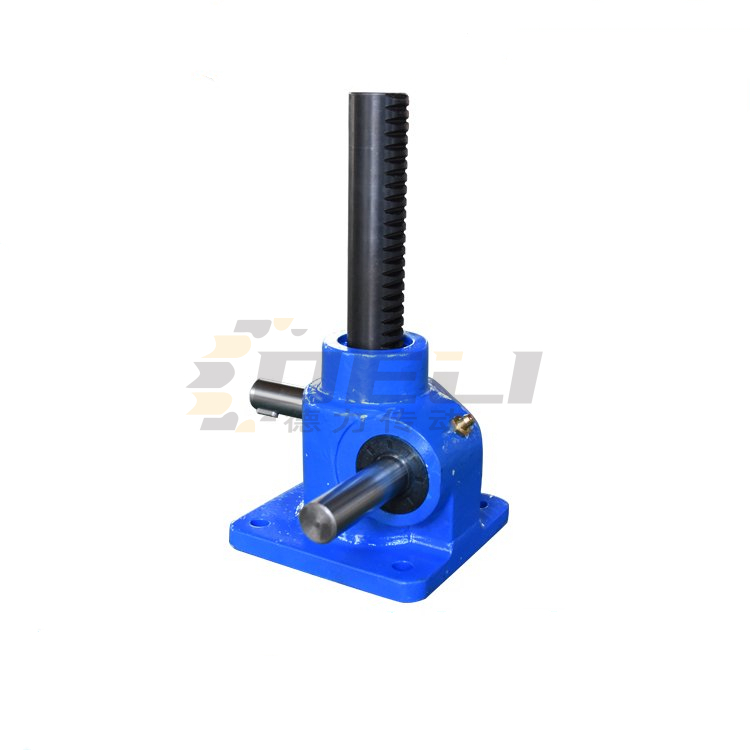
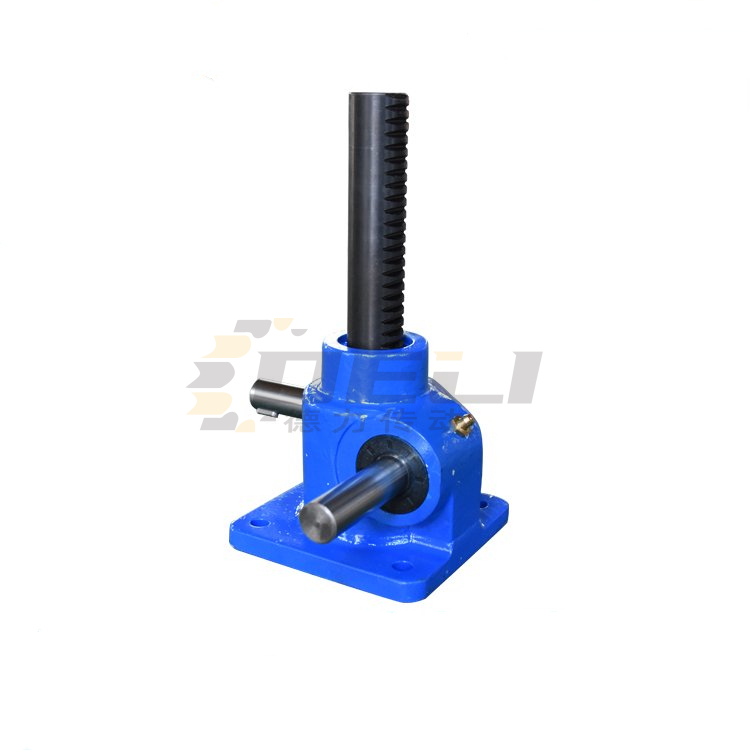
Rack and pinion gears are widely used in various industries. To facilitate other developments, it's essential to apply different types of rack and pinion gears in different industry scenarios. The rack and pinion steering mechanism consists of a steering gear integrated with the steering shaft and a rack commonly integrated with the steering pull rod.
Compared to other types of converters, the main advantages of the rack and pinion steering converter include: a simple and compact structure; the housing is made of aluminum or magnesium alloy die-cast, resulting in a relatively low weight of the converter; transmission efficiency up to 90%; after wear causes gaps between the gears and rack, a spring with adjustable tension mounted on the rack's back, close to the driving pinion, can automatically eliminate the gear gaps, which not only improves the rigidity of the steering system but also prevents shocks and noise during operation; the converter occupies a small volume; without steering arms and straight pull rods, allowing for a larger steering wheel turning angle; and low manufacturing costs.
POWER baStructure and Performance of SE Power BAThe SE is a structure composed of a gear box with gears and racks combined with a connecting shaft, which is a unit designed to maintain synchronization of the upper and lower surfaces during up/down operations. Several gears inside the gear box mesh and operate together, thus producing almost no noise.
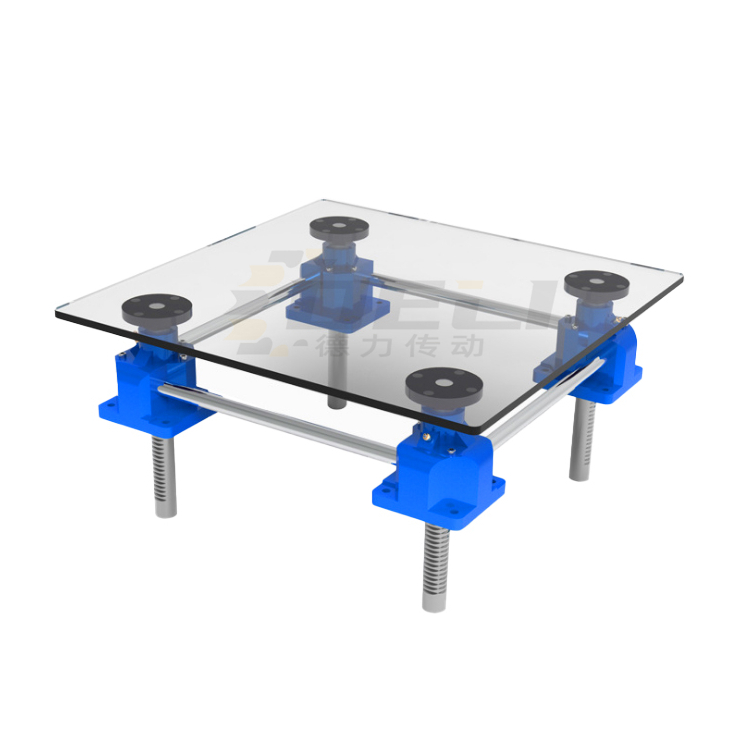
The Rack jack is an extension of the synchronous lifting jack, a structure that can be self-driven through a motor, rotating the central drive shaft to make the rack move in a straight line. It supports a maximum load of 3000kg and can achieve multi-travel operations via motor control, while fully retaining all the characteristics of the synchronous lifting jack.
Rack jack comes in three basic types: IRJ (standard), IRJC (cleanroom), and IRJL (linear guide type).
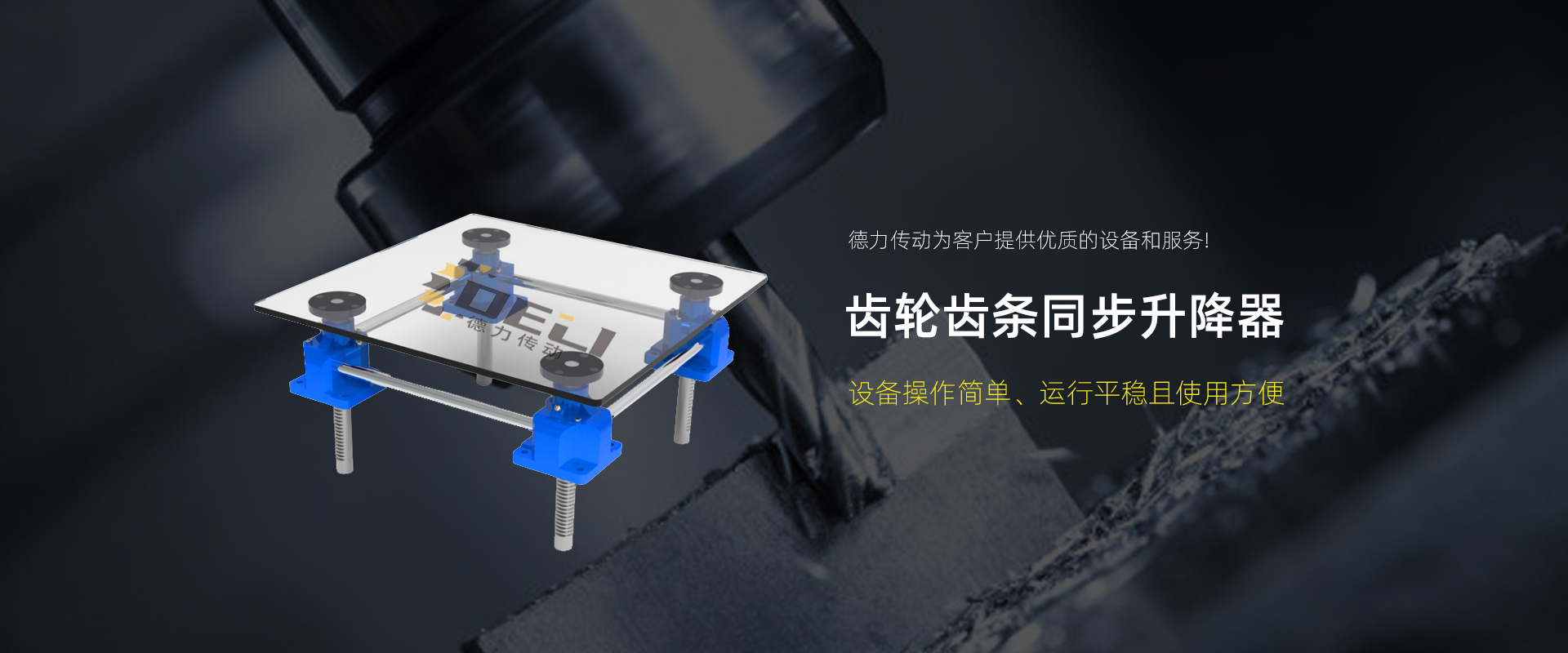
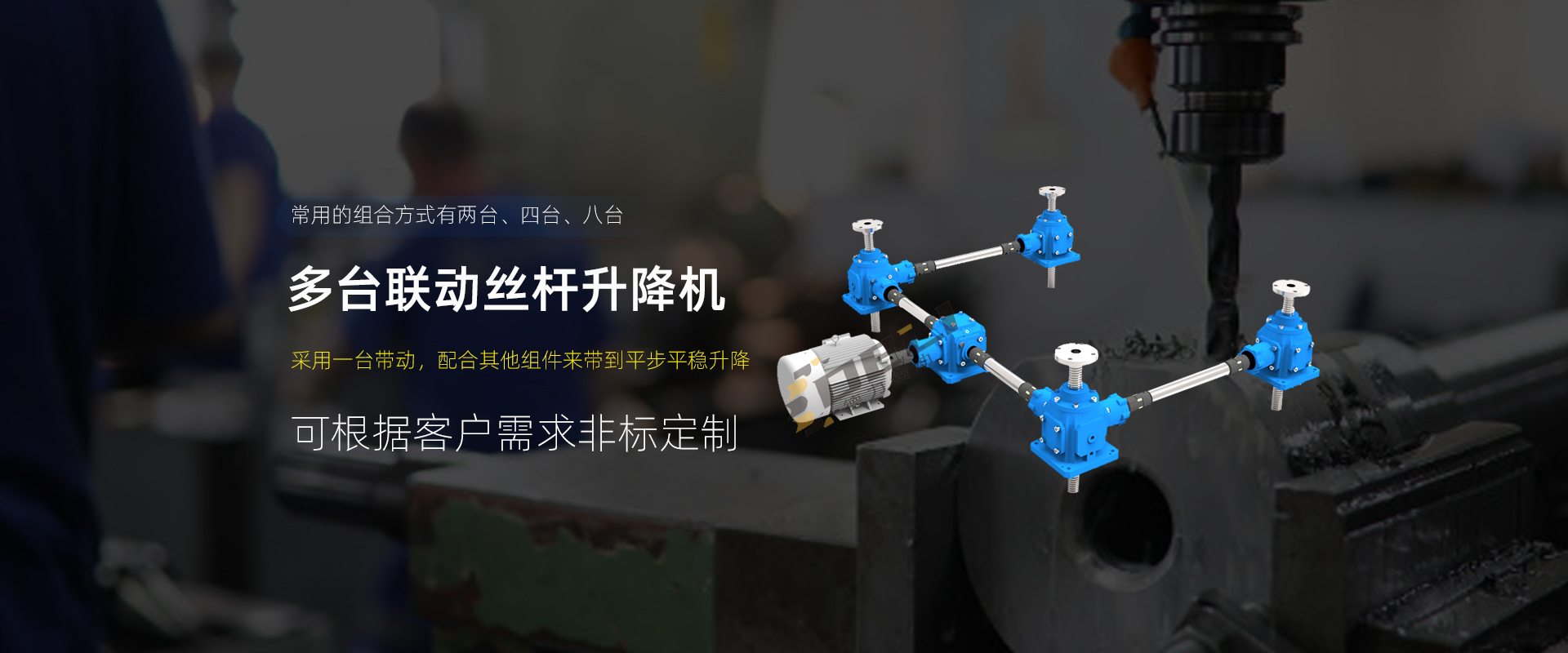
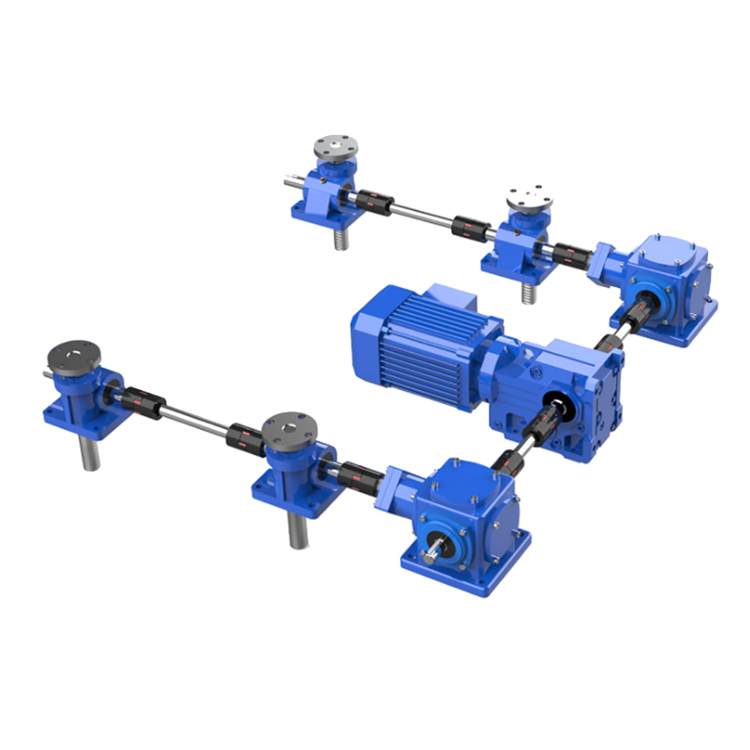
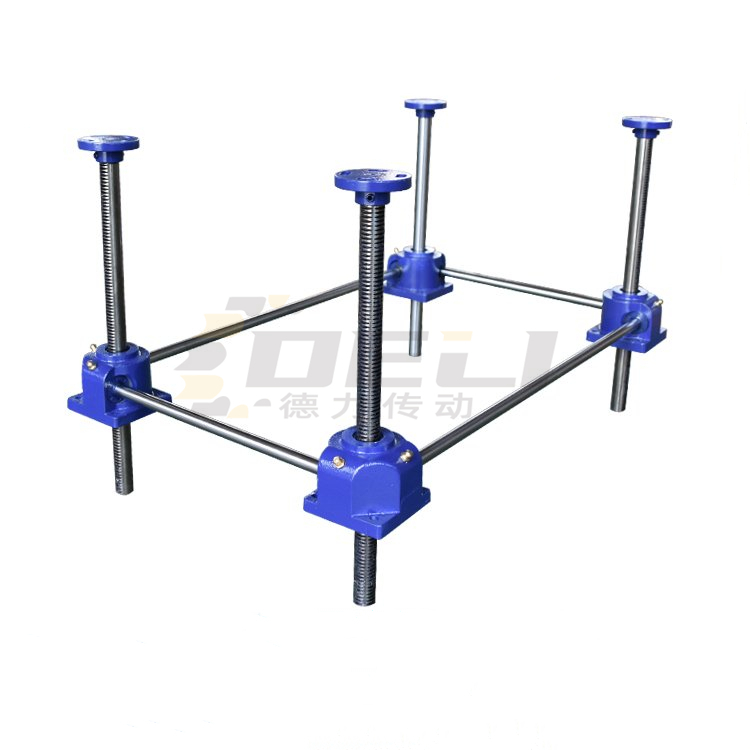
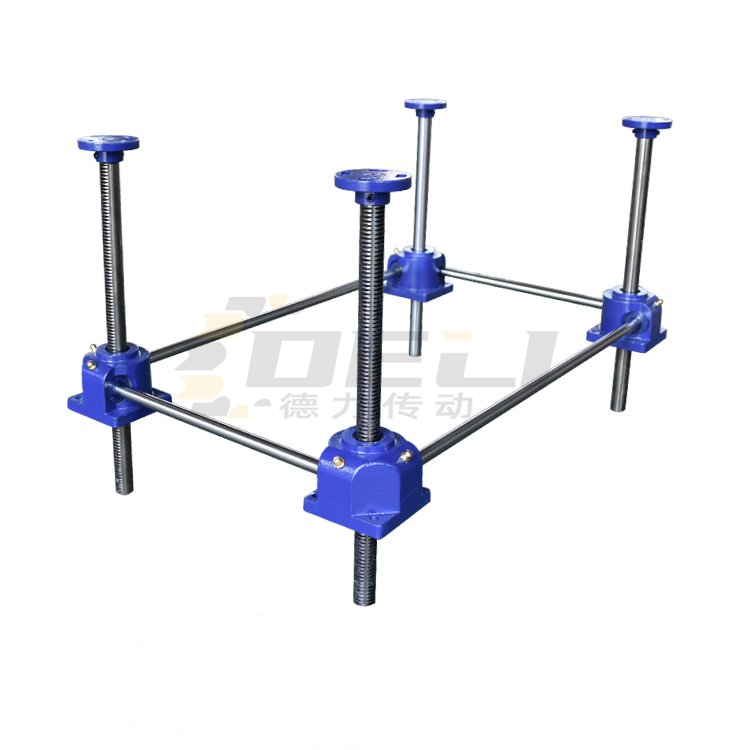
1. Principle of Operation; The system relies on the interlocking action of gears and racks to ensure synchronized lifting and lowering of four or more support points, thereby achieving smooth vertical movement of the work platform. The synchronization error of the four support points can reach as little as 0.5mm.
2. Synchronous lifter structure and performance
The synchronous lifter is a structure composed of a gear box connected by gears and racks, designed for synchronizing the upper and lower surfaces during lifting or lowering operations.
②Several gears inside the gearbox mesh and rotate, thus producing almost no noise.
③ Up/down movement is normal even with less than 50% preload.
④ Its guide rail is composed of unitary assembly, standardized components of the parts.


b2b.china9.net © Zhongshang 114 Hebei Network Technology Co., Ltd.Address: Room 6009, Oriental New World Center, No.118 East Zhongshan Road, Qiaoxi District, Shijiazhuang City, Hebei ProvincePlatform Service Hotline: 4006299930


Phone Consultation
