
Product Details

Gear and gear reducer, transmission manufacturing; machinery equipment resear...
Consultation Phone:
0534-2397116
产品Price 1650.00/Tai
最小起订Quantity:1 Tai 供货总Quantity: 500 Tai


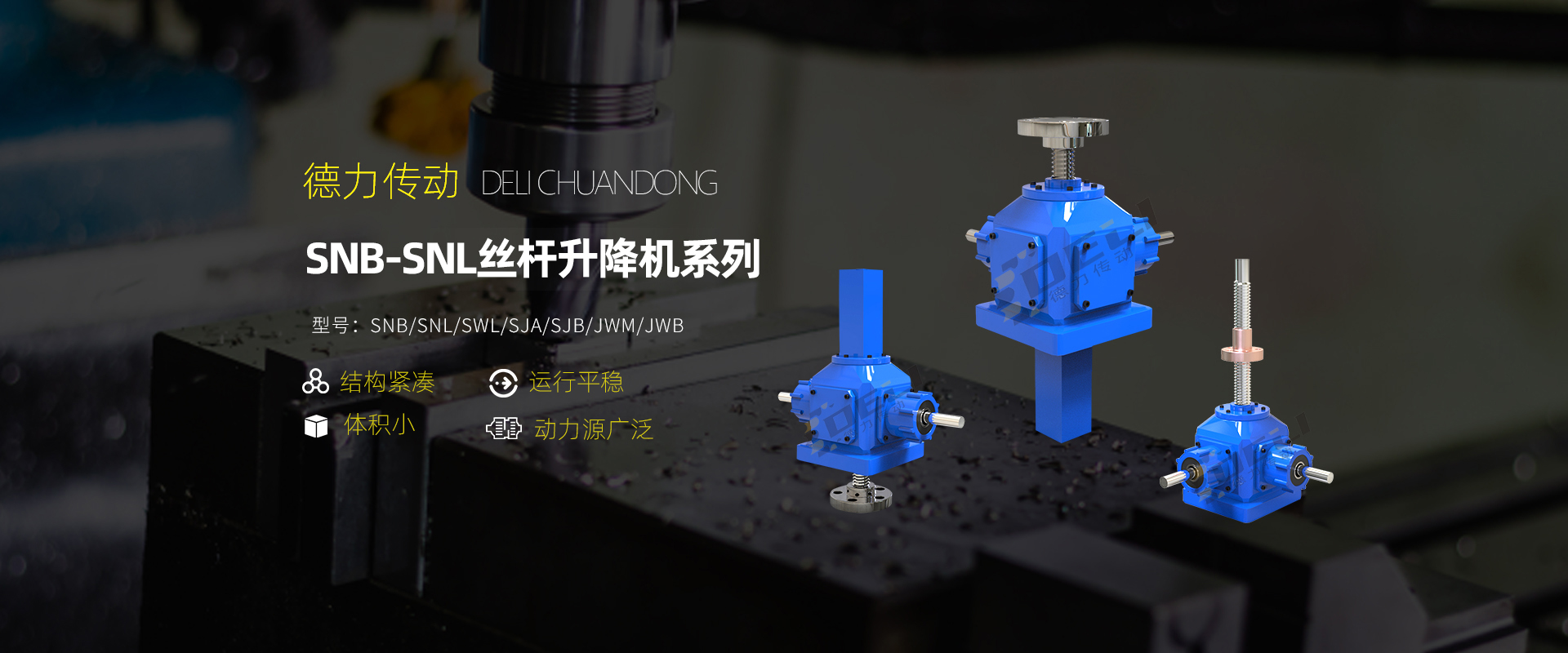
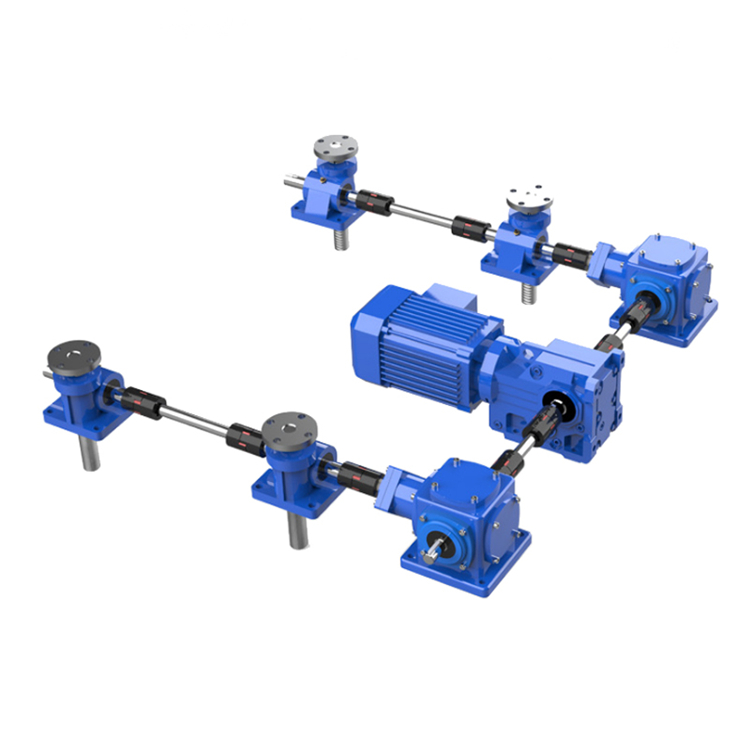
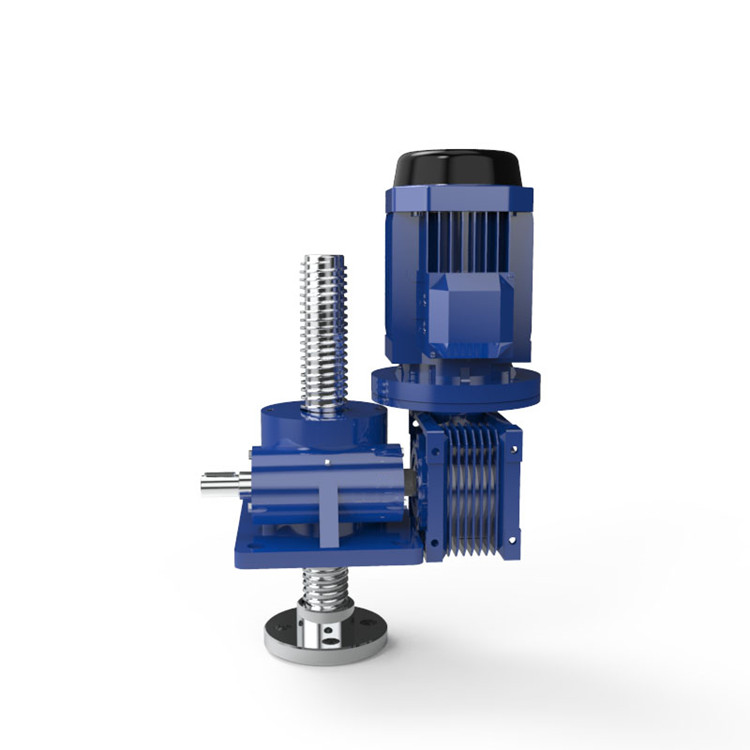 Electric Spiral SWL Screw Jack Elevator
¥1650.00
Electric Spiral SWL Screw Jack Elevator
¥1650.00
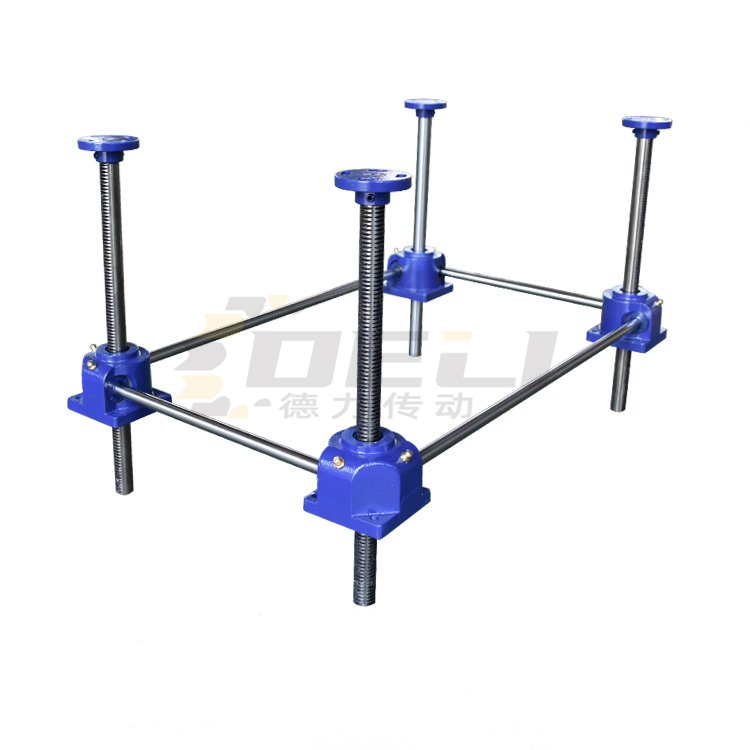
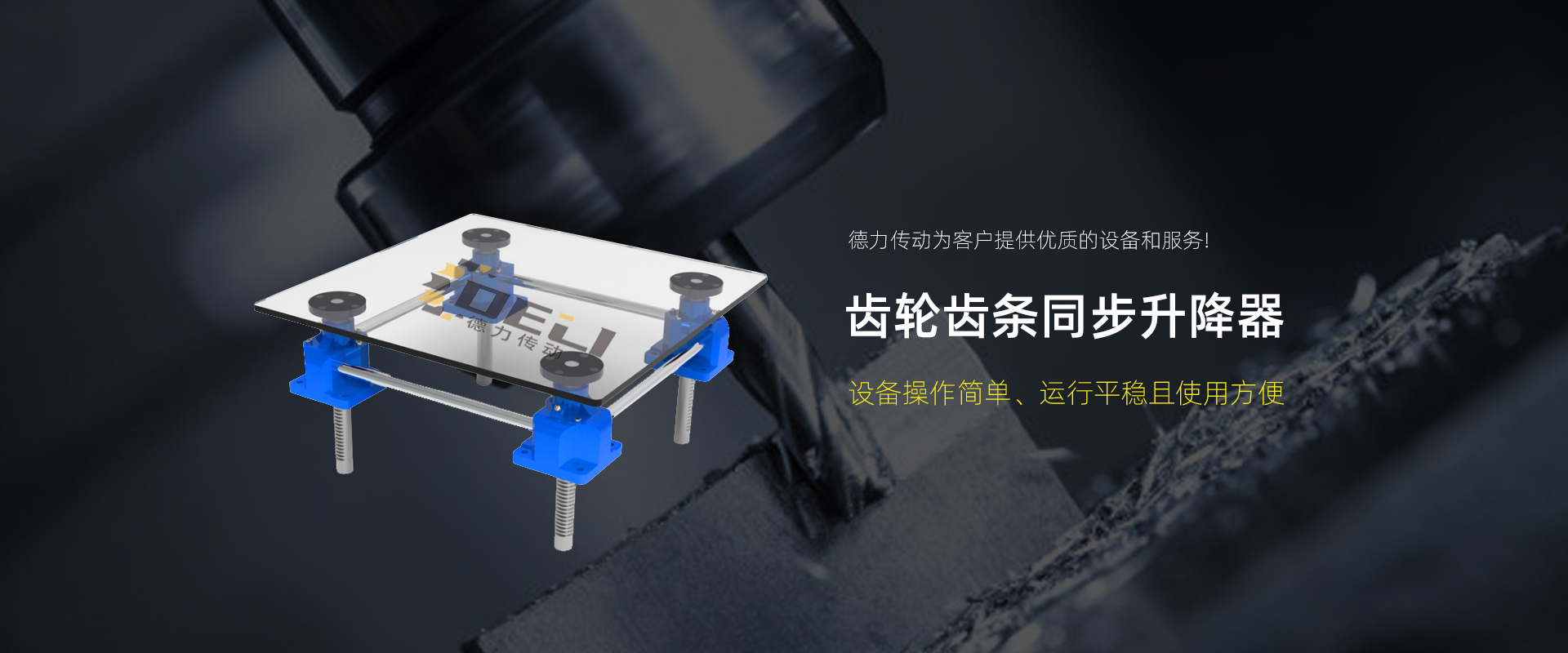
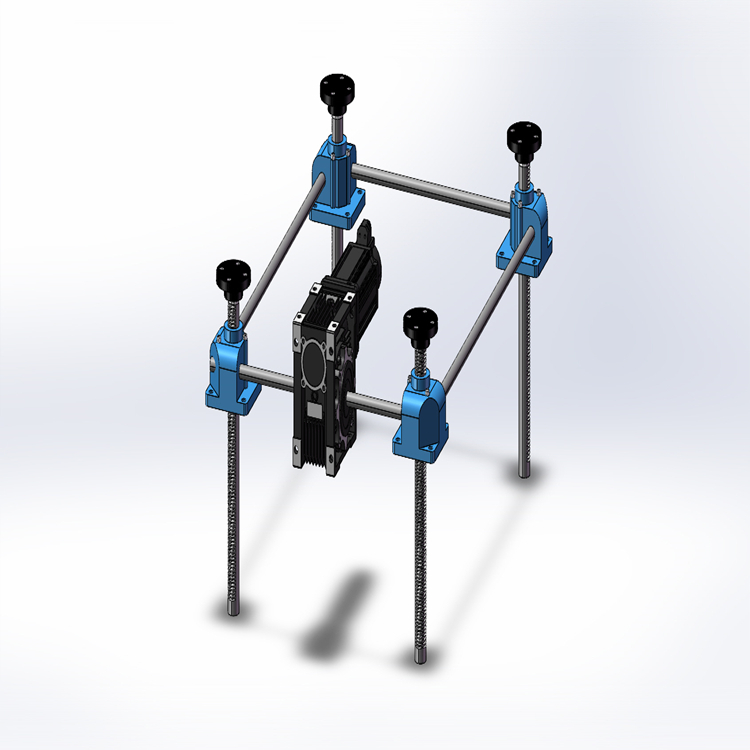
1. Working Principle; By means of the interlocking cooperation between gears and racks, it ensures the synchronous up and down movement of four or more support points, thereby achieving smooth lifting and lowering of the work platform. The synchronous error of the four support points can reach 0.5mm.
2. The structure and performance of the synchronized lifters
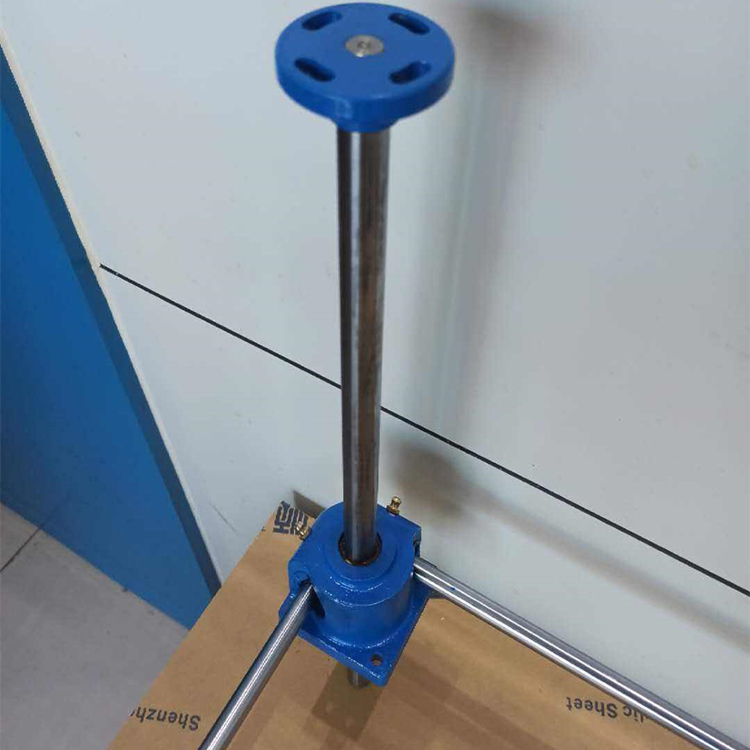
The synchronous lifter is a structure composed of a gear box with gears and racks, combined with a connecting shaft, designed for synchronizing the upper and lower surfaces during lifting or lowering operations.
②Several gears inside the gearbox mesh and rotate, thus producing almost no noise.
③ Up/down movement is normal even when receiving less than 50% bias pressure.
④ Its guide rail is composed in unit form, a standardized component of the parts.
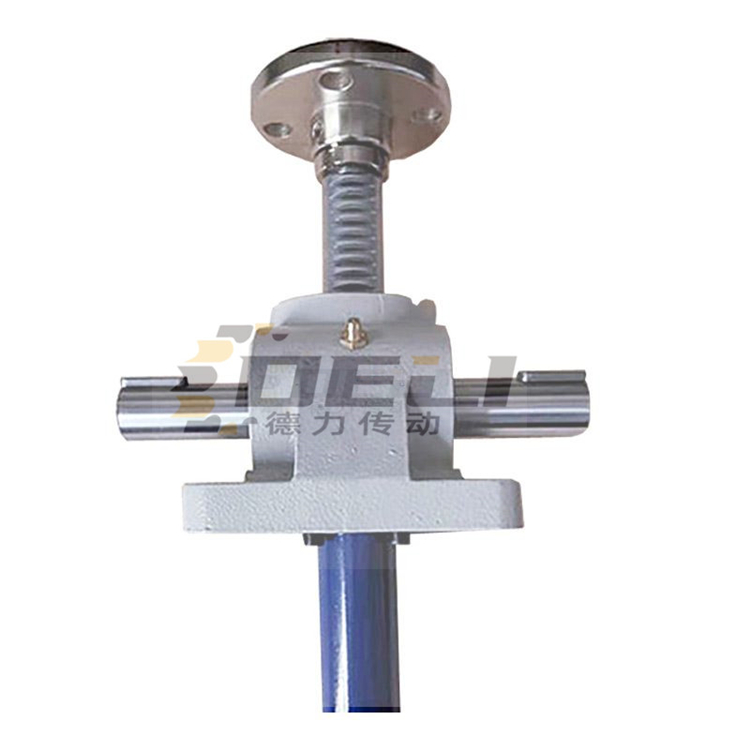
A lift jack is a passive lift jack, powered by a cylinder, which serves as a guide and synchronization mechanism.
Features of the 3-synchronous lifter
1 Genuine quality and simplified design, compact parts, strong durability, customizable according to the designer's requirements, reducing design time.
2. Selection of model; when choosing a model, select different types based on varying loads, strokes, and series.
3-axis spacing selection: Note that an intermediate support should be added when the spacing exceeds the corresponding length.
During up/down movement, the rotation is smooth and quiet. The structure of the gears and racks ensures proper engagement, maintaining synchronization even in harsh environments.
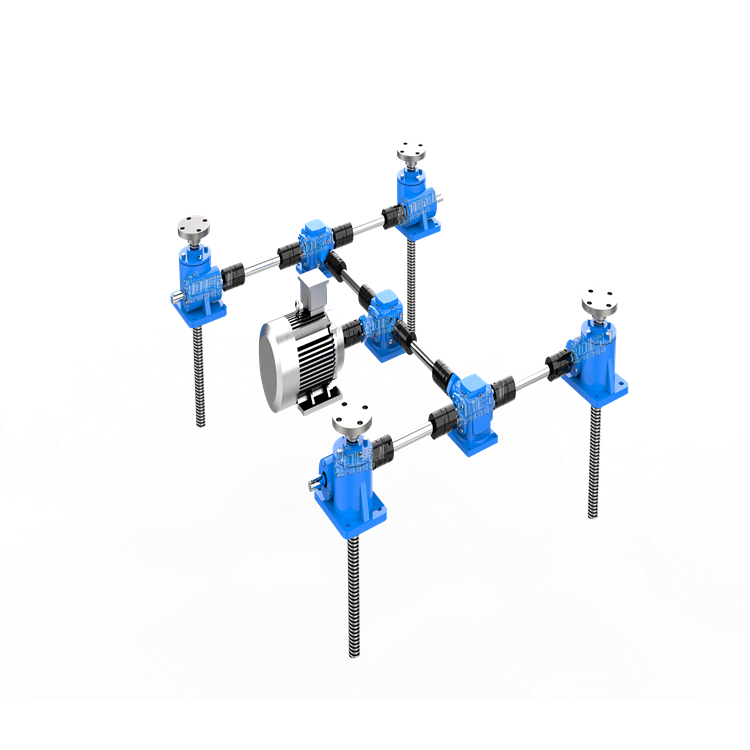
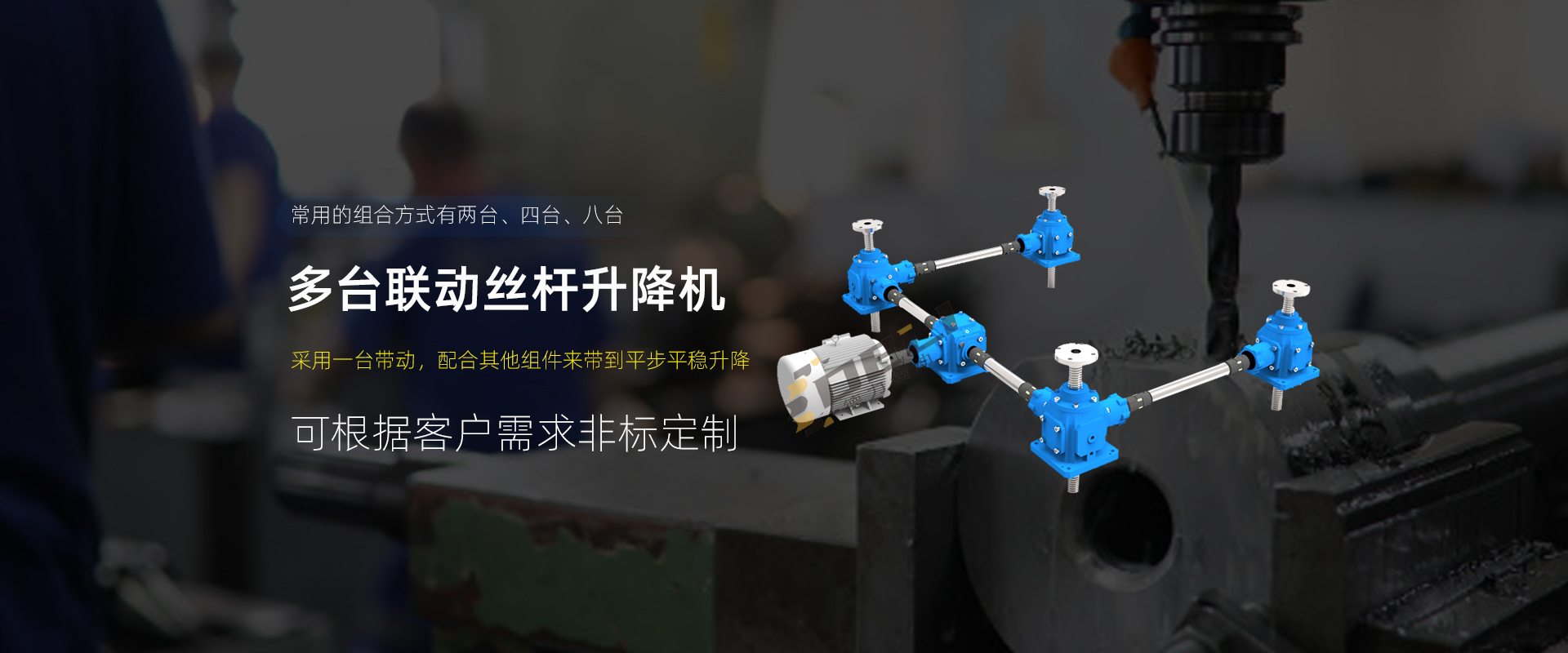
When synchronizing multiple lifters for联动, we connect the lifters together to ensure stable lifting and lowering. During the connection process, we can opt to link them via rods, shafts, and steering boxes.
Synchronous lifters are typically used on unknown vertical surfaces, while avoiding unknown horizontal or inclined surfaces. If necessary, consider devices such as false supports or tension wheels, and design a compact center distance. For heavy loads, frequent starting, braking, reverse chain drives, and close proximity to vertical chain drives, the long side with loose edges can be utilized as follows:
(1Adjust tension by adjusting the center distance.
For roller chain drives, the center distance adjustment value is taken as2pFor gear chain drives, the center distance adjustment value is taken as1.5p,PChain pitch.
(2Tighten by shortening the chain length
When there is no tensioning device for the drive and the center distance cannot be adjusted, the chain length can be shortened to retighten the chain that has stretched due to wear.
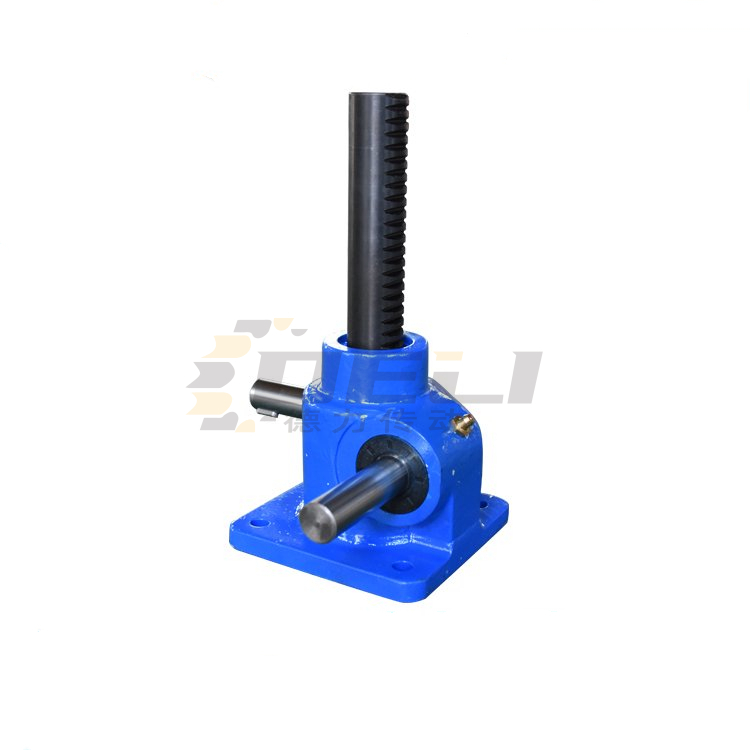
RJ Series Rack and Pinion Lifts
1. It is a basic split-type model, available in specifications ranging from RJ10 to RJ50. These can be divided into three types based on the direction of the output shaft.
2. Cylinder-driven, without built-in deceleration, enabling movement.
RJ-4S Series Gear Rack Elevator
1. It is a basic assembly model, with specifications ranging from RJ10-4S to RJ50-4S. Sizes and strokes can be customized as per request.
2. Can withstand heavy loads
RJ-4SB Series Rack and Pinion Lifts
Gearbox installation on the drive shaft of the RJ-4S series allows for direct connection to the motor.
2. Suitable for cleanroom environments without the use of gears or sprockets.

b2b.china9.net © Zhongshang 114 Hebei Network Technology Co., Ltd.Address: Room 6009, Oriental New World Center, No.118 East Zhongshan Road, Qiaoxi District, Shijiazhuang City, Hebei ProvincePlatform Service Hotline: 4006299930


Phone Consultation
