

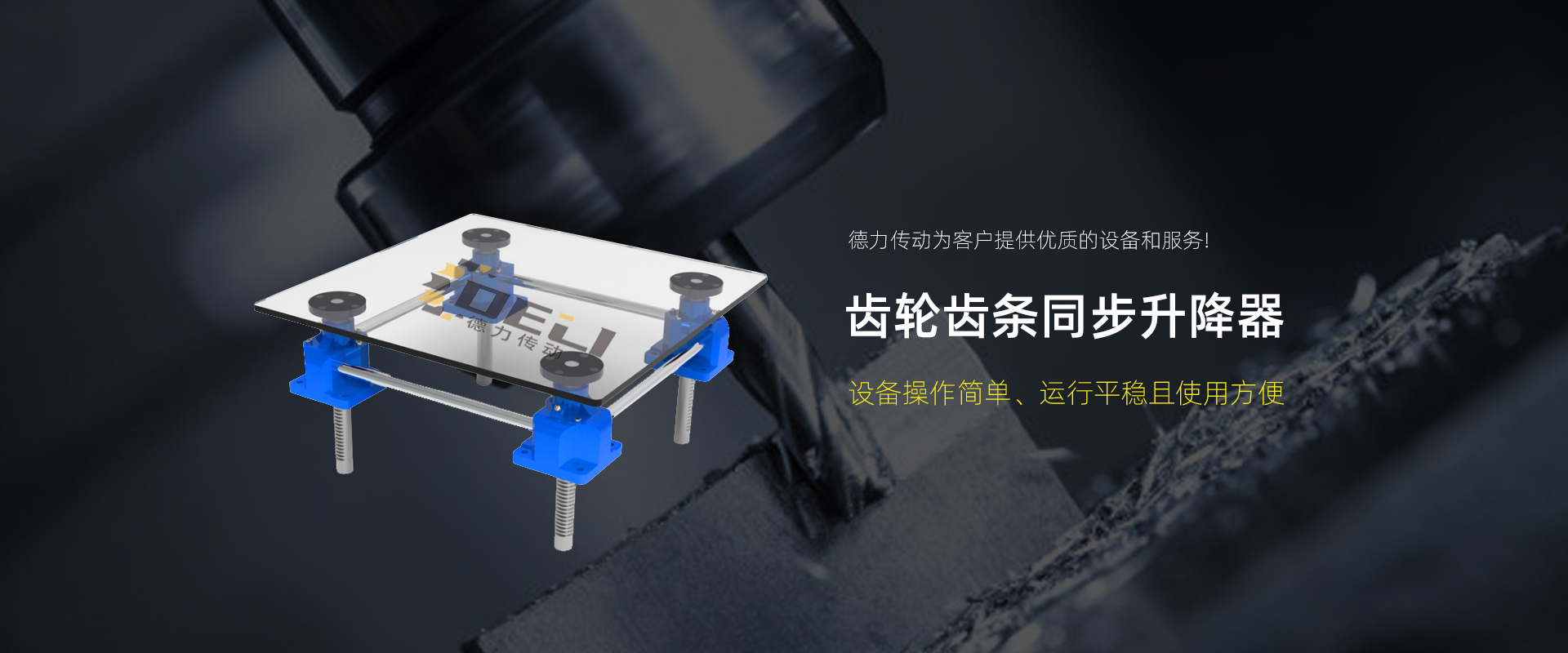

The screw jack, also known as a helical drive mechanism, is primarily used to convert rotational motion into linear motion or vice versa. There are those primarily for energy transmission, such as screw presses and jacks; others for motion transmission, like the feed screws on machine tool tables; and still others for adjusting the relative positions of parts.
Lead screw lifters come in two types: sliding friction and rolling friction mechanisms. The sliding screw nut mechanism features a simple structure, ease of processing, low manufacturing costs, and an automatic locking function. However, it has a high friction torque and low transmission efficiency (30% to 40%). Although the ball screw nut mechanism is more complex and has higher manufacturing costs and cannot be automatically locked, its advantages include low friction torque, high transmission efficiency (92% to 98%), high precision, good system rigidity, reversible motion, and a long service life.
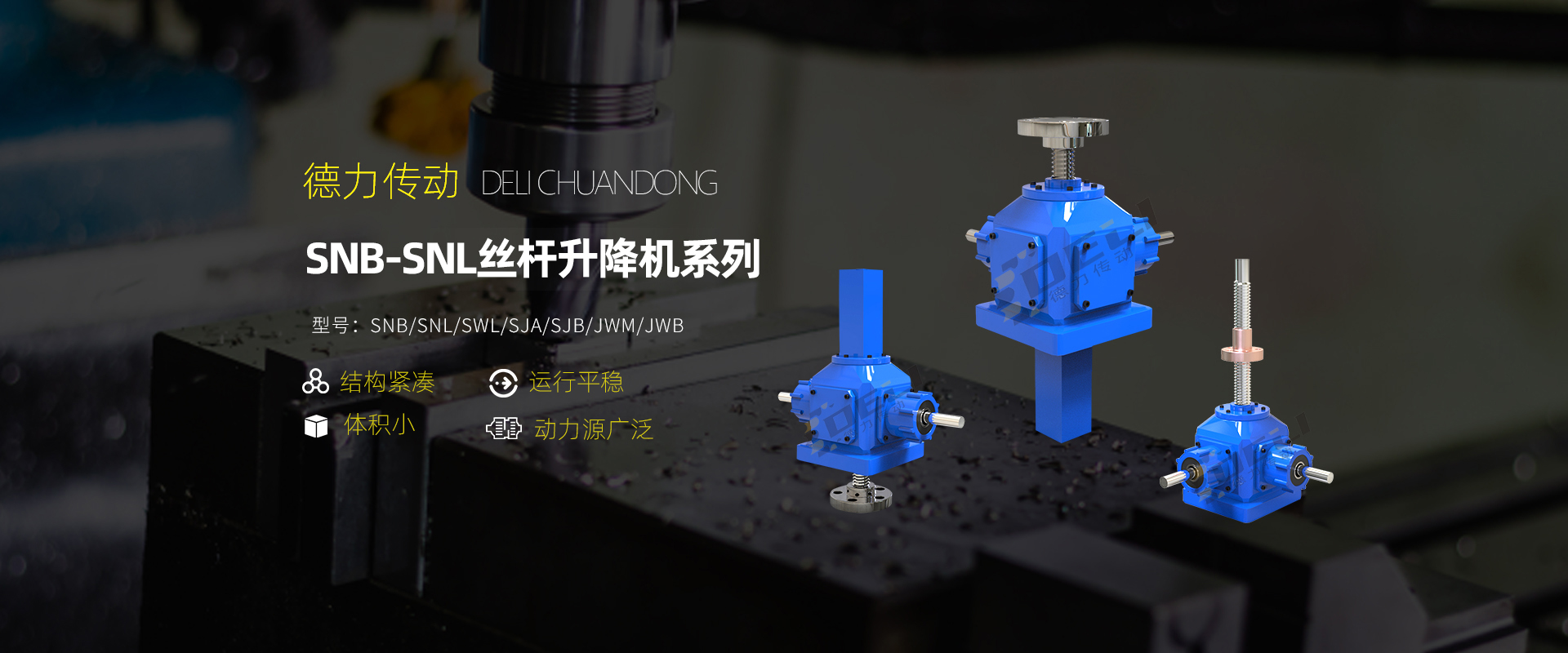
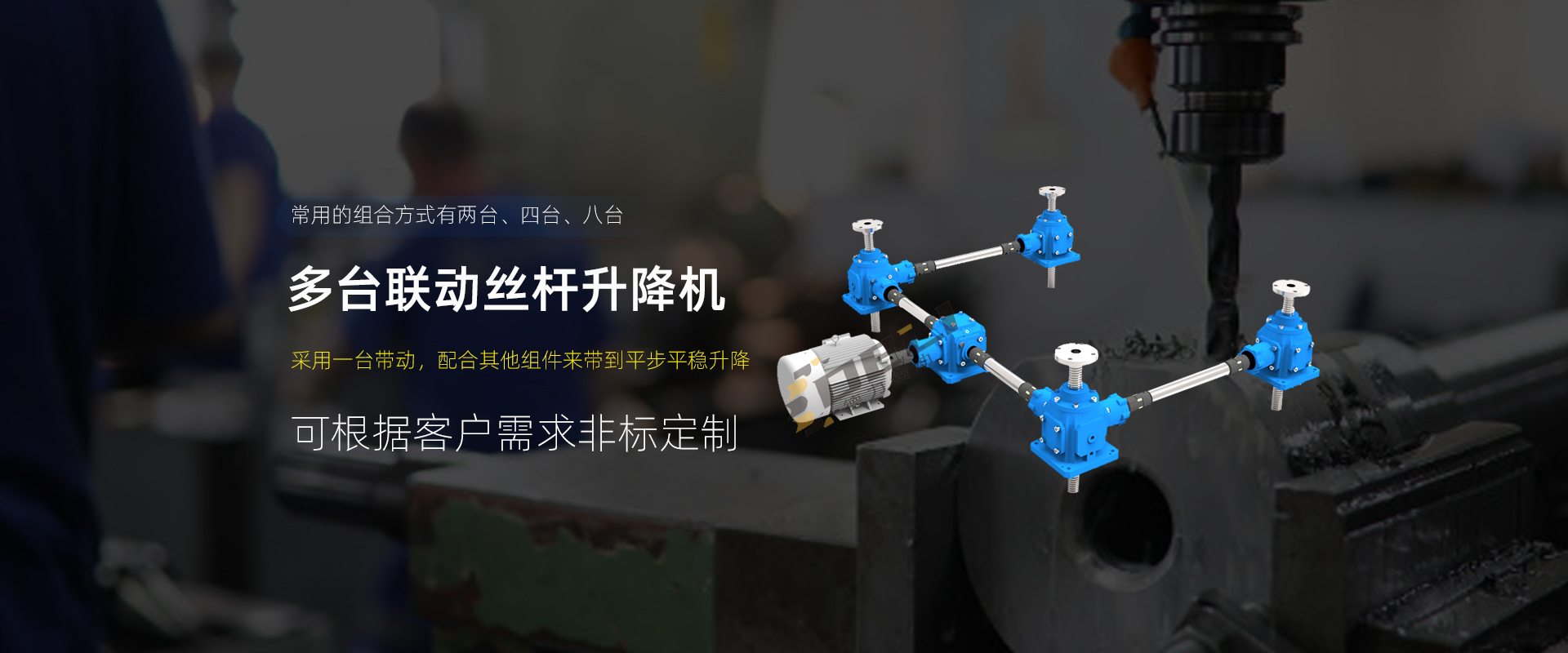
The SWL series screw jack is widely used in various industries such as machinery, metallurgy, construction, chemical industry, culture, and health. It can accurately control and adjust the lifting or advancing height according to a certain program, and can be powered directly by an electric motor or other power sources, or operated manually. The input speed does not exceed 1500 r/min, with a lifting speed of 2.7 m/min. It comes in different structural types and assembly methods, with lifting heights tailored to customer requirements. During operation, the SWL series screw jack boasts low noise, smooth transmission, and flexible operation. Additionally, for safety during use, the jack is equipped with an automatic locking function. In the event of a problem with the equipment, the jack can lock itself, stop movement, and to some extent, ensure the safety of the production environment and personnel.


