

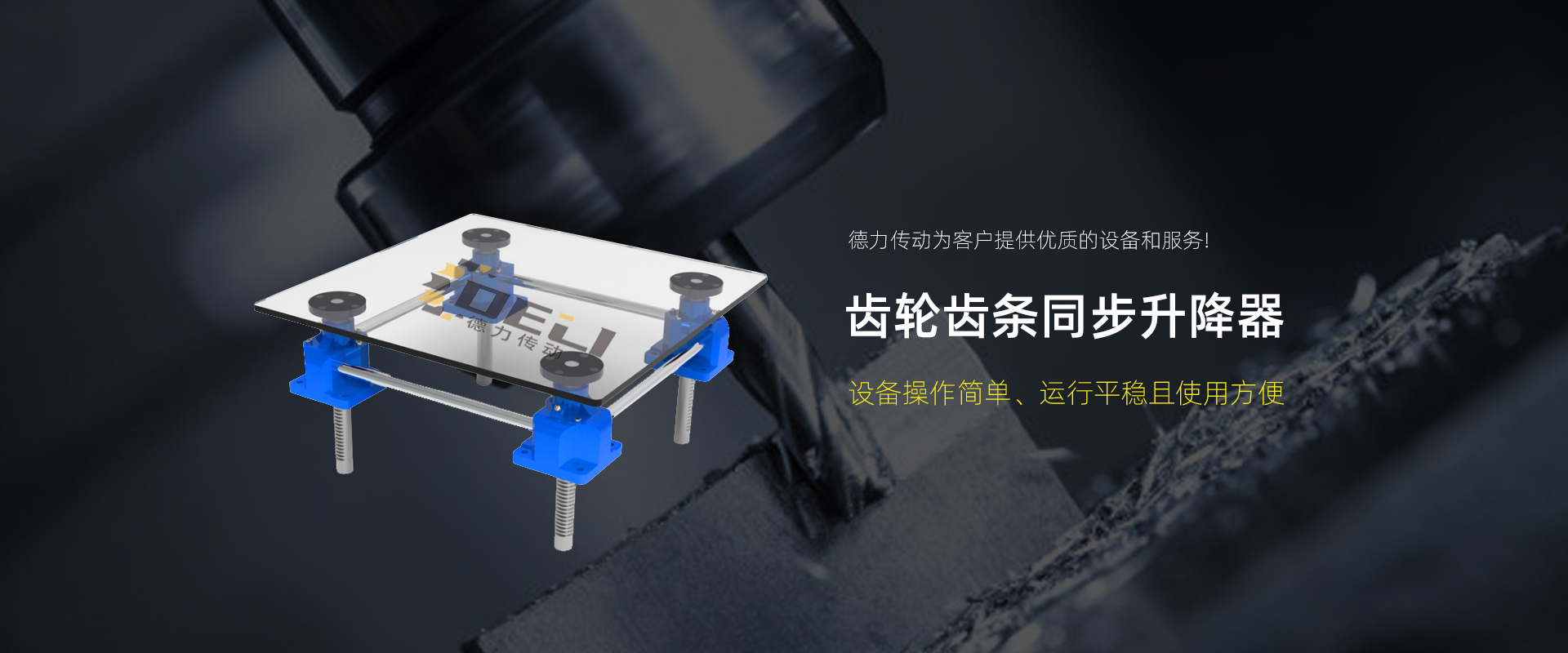
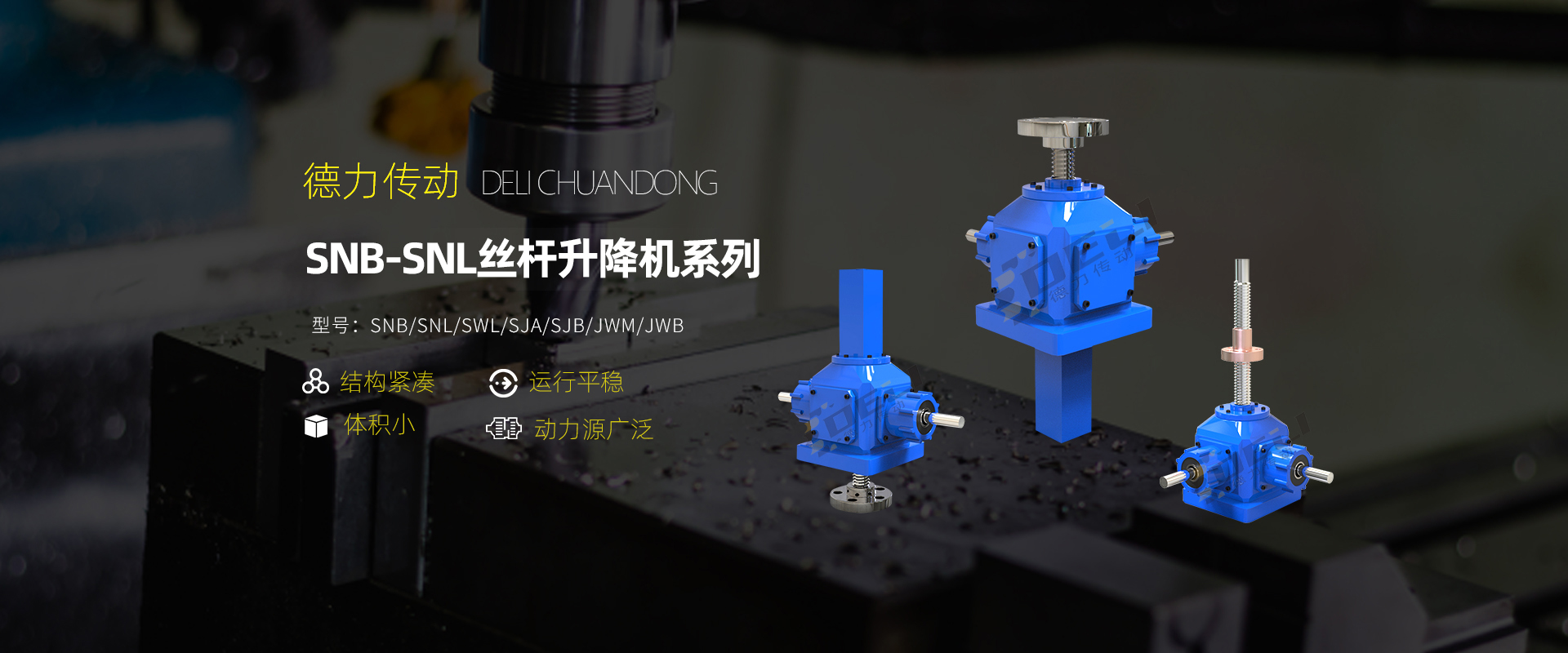
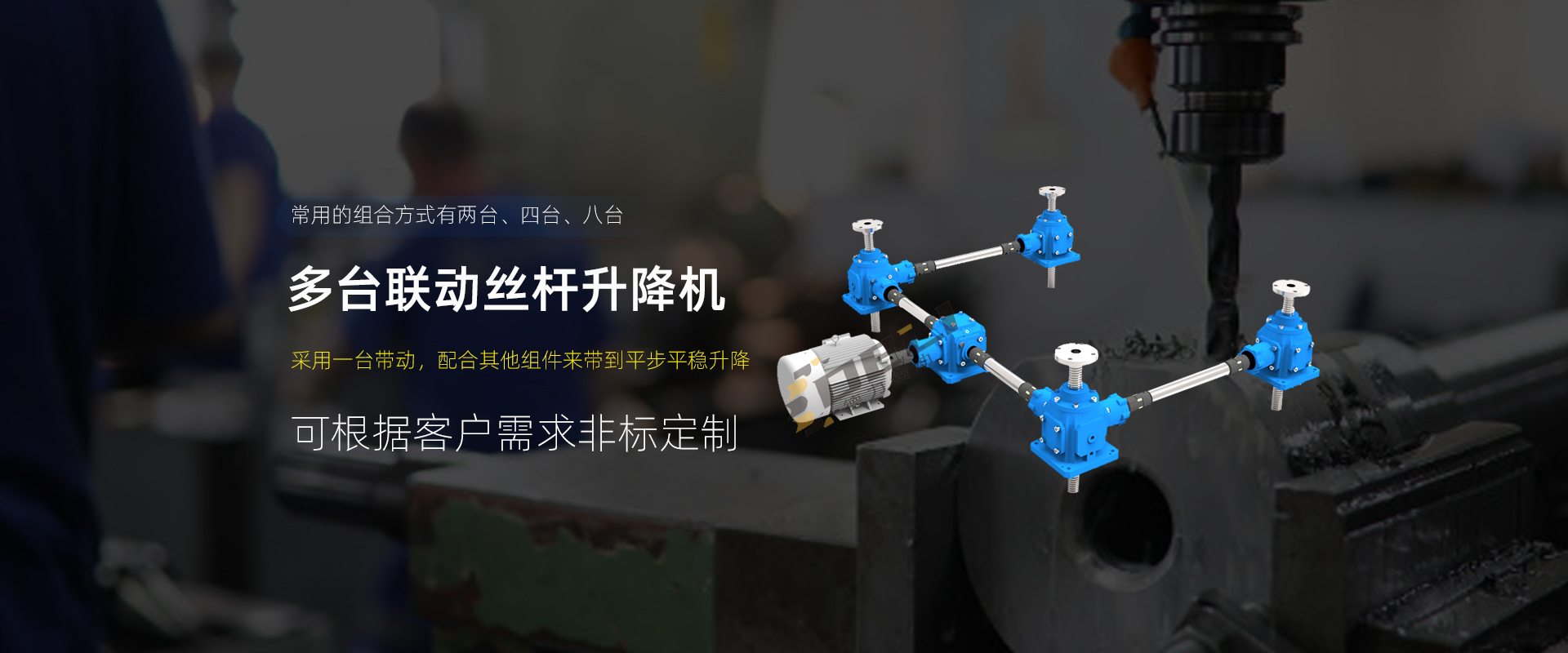

The worm screw lifting jack, also known as a helical drive mechanism, is primarily used to convert rotational motion into linear motion or vice versa. The lifting jack consists of a worm gear reducer and a screw, with the reduction component being the worm gear drive, which uses the worm to drive the worm gear for deceleration. The worm gear is akin to the nut of the lifting screw and is matched with it.
Frequent Questions and Their Causes
1 Elevator overheating and oil leakage
For efficiency, worm gears of the worm gear lifters are made of non-ferrous metals, while the worm shaft is made of slightly harder steel. Due to the sliding friction transmission, more heat is generated during operation, causing different thermal expansion between the various parts and seals of the lifter, forming gaps in the mating surfaces. The lubricating oil becomes thinner with the rise in temperature, which is prone to leakage.
The primary reasons for this situation include four factors: first, an unreasonable material match; second, poor quality of the mating friction surface; third, incorrect selection of lubricant quantity; and fourth, poor assembly quality and usage environment.
Gear wear
Worm gears are typically made of tin bronze, while the mating worm material is hardened to HRC 45-55 using 45 steel, or to HRC 50-55 using 40Cr, followed by grinding on a worm grinding machine to achieve a surface roughness of Ra 0.8μm. Elevators operate with slow wear when running normally and some can last over 10 years. If wear occurs at a faster rate, it may be necessary to consider whether the selection is correct, if it is being operated beyond its load capacity, and factors such as the material, assembly quality, or operating environment of the worm and worm gear.
3 Small Bevel Gear Wear
Generally occurring in vertical lift elevators, this issue is primarily related to the amount of lubricating oil added and the type of oil used. During vertical installation, it is easy to result in insufficient lubricant quantity. When the elevator stops operating, the transmission gear oil between the motor and the elevator is lost, leading to inadequate lubrication and protection for the gears. Upon the elevator's startup, the gears, due to the lack of effective lubrication, can cause mechanical wear and even damage.


