

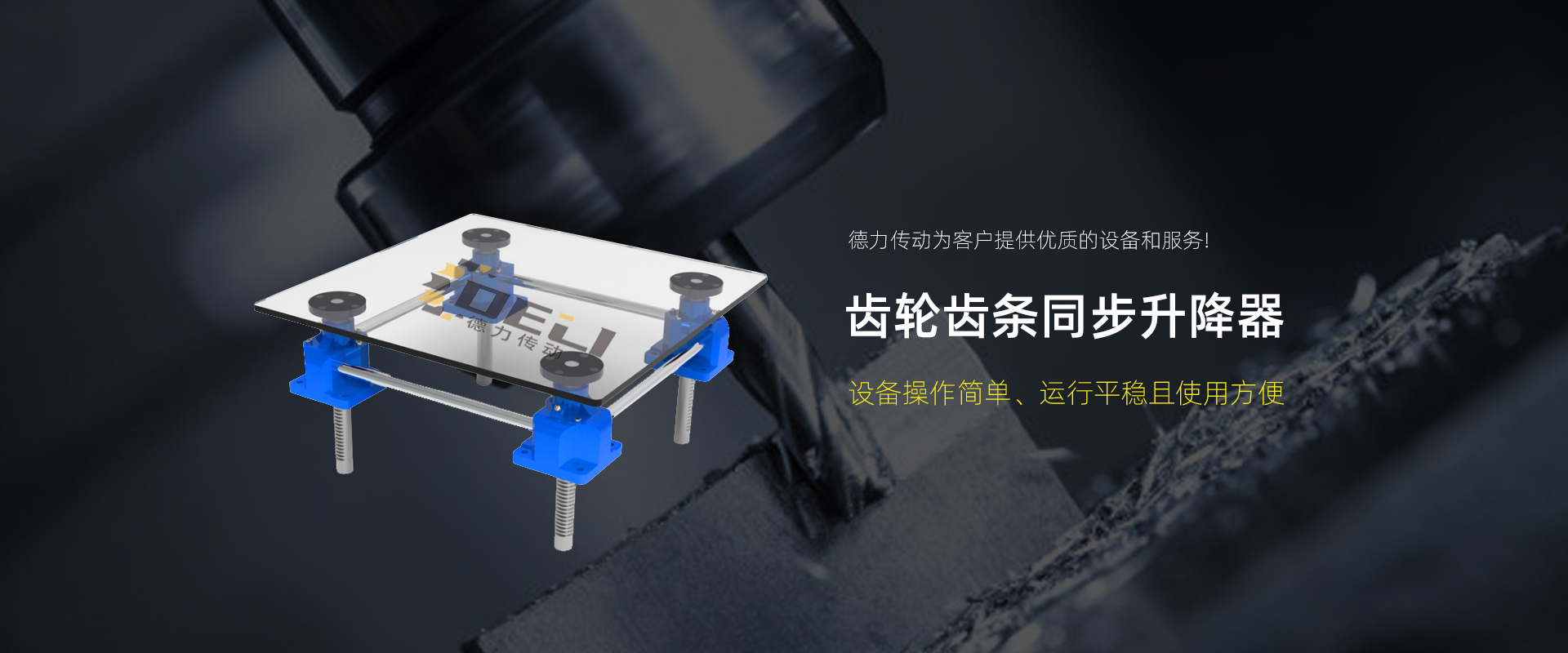
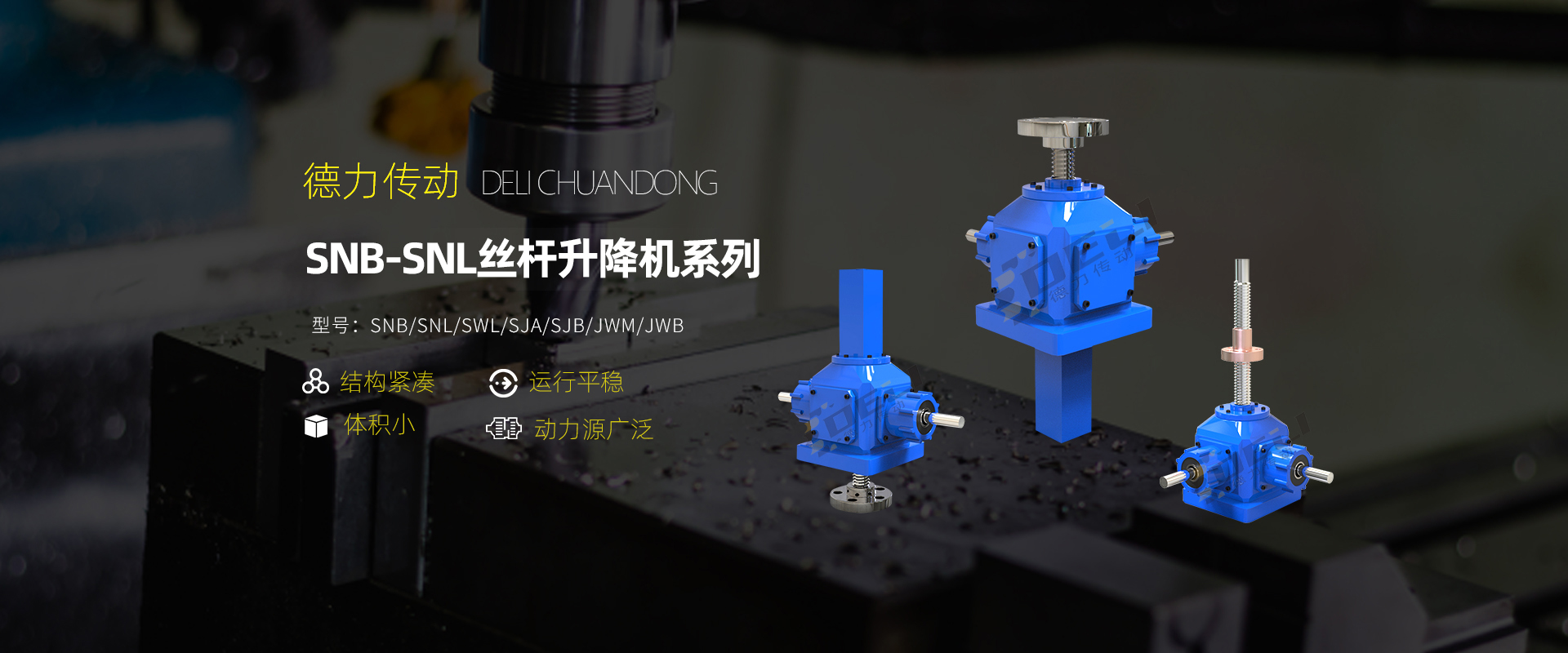
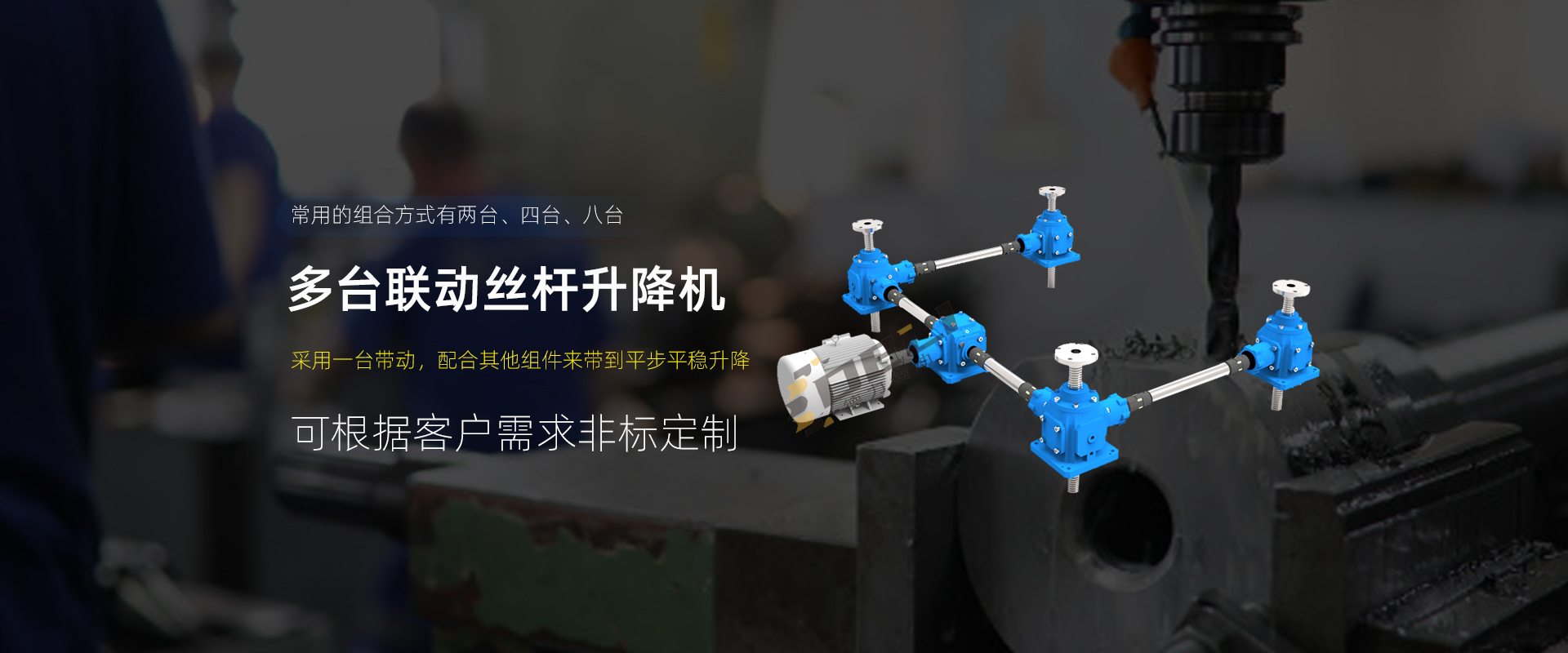

Screw Jack ElevatorA fundamental lifting component, widely used across various industries. So, how does the screw lifting mechanism work? Summarizing the following points:
The screw jack is composed of a worm gear reducer and a screw. Its减速 component is the worm gear drive, which uses the worm to drive the worm gear for deceleration. The worm gear acts as the nut for the lifting screw, matching it perfectly. The center of the worm gear features an internal threaded structure, similar to the nut of the lifting screw, ensuring a perfect match.
2. The lifting speed of the screw jack is equal to the input speed of the worm divided by the reduction ratio of the worm and worm gear, then multiplied by the pitch of the lifting screw. Due to its structural nature, this type of screw jack typically uses grease lubrication. Some series employ oil lubrication, which offers the advantages of longer lifespan and more stable operation compared to the grease-lubricated series.
3. The lifting speed of the screw jack is equal to the input speed of the worm gear divided by the reduction ratio of the worm and worm gear, then multiplied by the pitch of the screw. Due to its structural nature, such screw jacks typically use grease lubrication, while some series use oil lubrication, which offers the advantages of longer lifespan and more stable operation compared to the grease-lubricated series. The temperature rise of the worm gear screw jack can cause various components within the worm gear housing to exhibit differences in fit due to varying thermal expansion coefficients, creating clearance between mating surfaces. The lubricating oils used in the reduction gear, among other fluids, can also thin out or deteriorate under high temperatures, leading to leaks or lubrication failure.
4. The screw jack, designed for increased operational efficiency, utilizes metal alloys as the primary material for its worm gears. The worm shaft is commonly made of hard steel, leading to significant heat generation and temperature rise in the sliding friction transmission process. The failure of the worm shaft bearing in worm gear reducers is primarily manifested by rust and corrosion of the bearings. The main cause of this issue is inadequate lubrication of the inward-facing gears within the reducer, or lubricant failure due to emulsification of the gear oil.
5. After the worm and worm gear reducer stops operating, the gear oil may emulsify due to condensation from cooling. The screw lifting machine features two speeds: quick P and slow M, which are determined by the worm and worm gear transmission ratio.


