

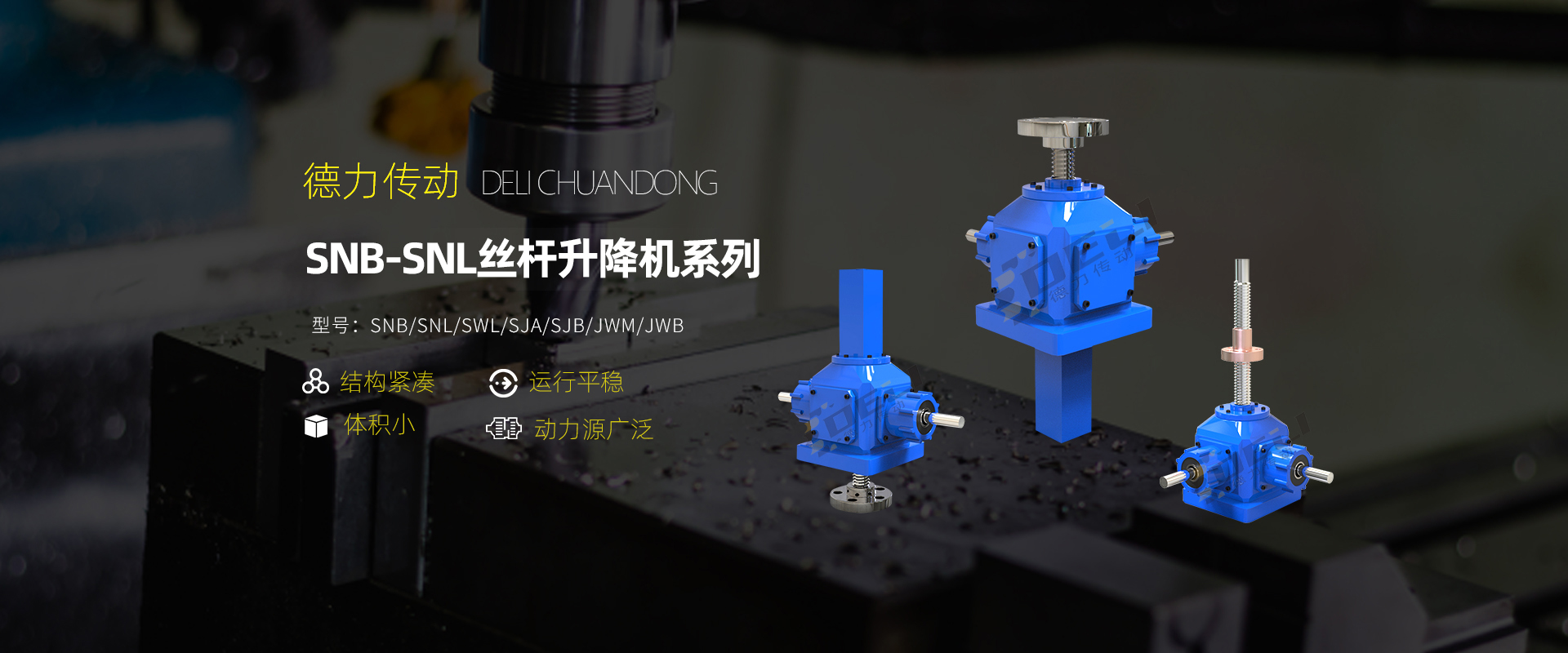
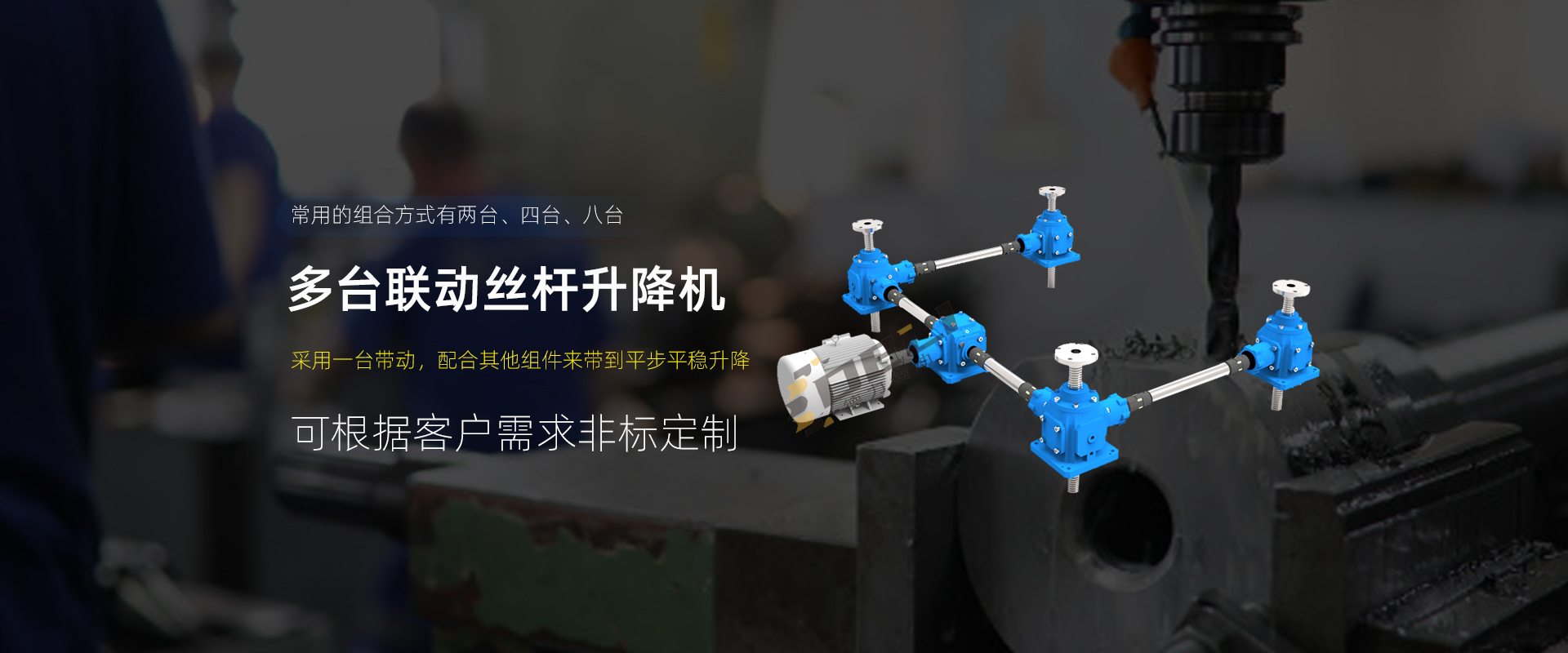

Selecting a screw jack must first consider the application requirements, including load capacity, speed, travel distance, efficiency, and power source, to tentatively determine the screw jack model. The travel distance of the screw jack should leave room for the operating distance. After fully considering the operating environment, decide whether to add dust-proof telescopic covers, protective guards, and other top output components to determine the overall model.
The selection of screw jack models requires verification of various technical parameters. The required input, including rotational speed, torque, power, screw stability, and the allowable rotational speed of the screw shaft, must all be verified through technical calculations. Compare each calculation parameter with the allowable limits; if it exceeds the critical value, the model needs to be upgraded for further calculation. You can obtain a selection catalog from the manufacturer for all parameters.
Selecting a screw jack must ensure that the static load, dynamic load, and impact load do not exceed its allowable load capacity. Choose a screw jack with ample capacity based on the safety factor, usage stroke, and the stability of the lead screw. Pay close attention to matching the screw shaft speed with the load it can bear. Verify the allowable load, allowable additional load, and allowable rotation speed of the screw shaft for the lifting jack. Exceeding the product's specifications will cause significant damage to the entire screw jack equipment.


