

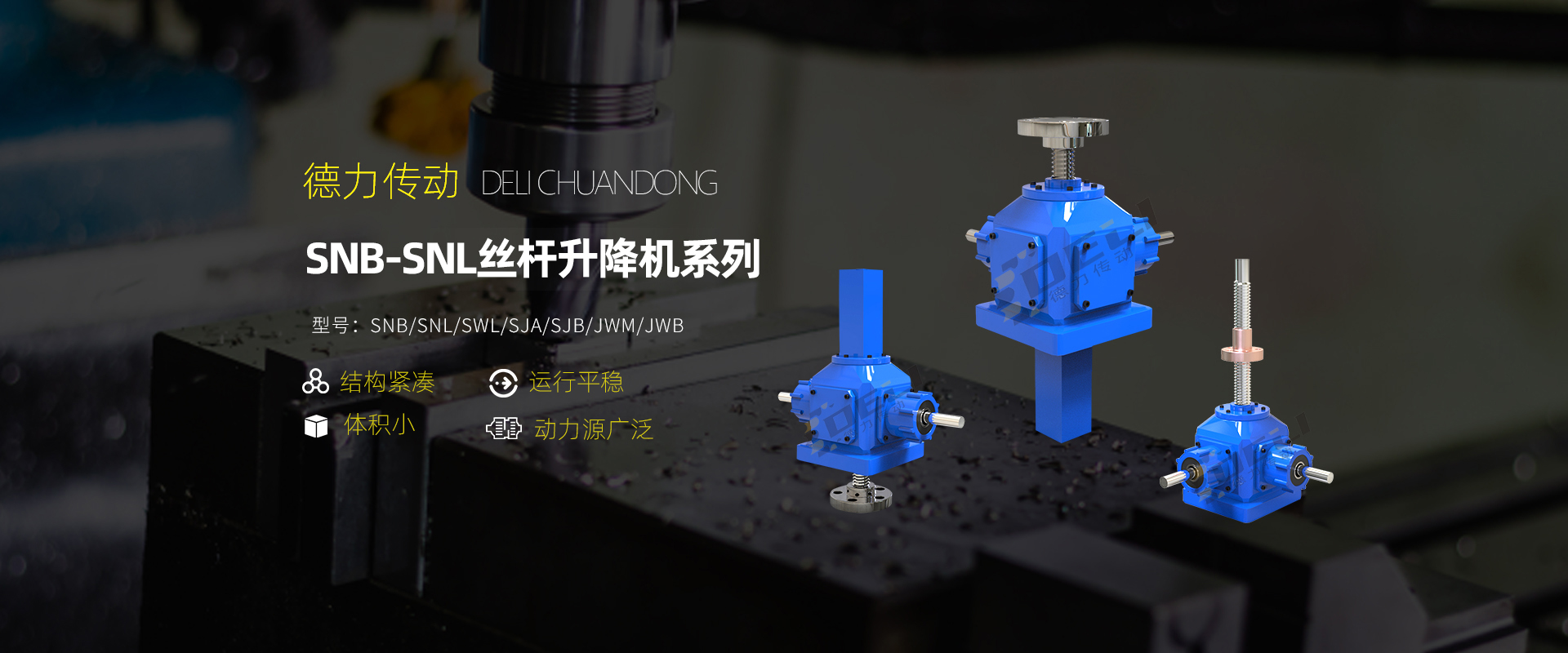

The screw jack, also known as the spiral jack, is a transmission component with a worm gear structure. It can be categorized into trapezoidal screw jack and ball screw jack based on the type of screw. According to the mode of motion, it is divided into nut motion and screw motion. Therefore, whether it's low or high speed, descending or lifting, the jack can simply accomplish these functions. Inside the jack is the lifting structure, and with proper use as per the manual, its lifespan can be quite long. However, improper operation or incorrect data can lead to accelerated wear of the worm wheel during use, severely affecting performance and even posing safety risks. Today, we'll briefly discuss the causes of worm wheel wear in screw jacks.
One: Selection Issues. Inaccurate data provided during machine selection leads to our technical engineers calculating incorrect base numbers based on erroneous loads, strokes, and other data. As a result, during installation and use, due to incorrect loads and strokes, the elevator may operate at overload or exert excessive force, causing excessive pressure on the nuts and leading to severe wear. Therefore, the more accurate the data you provide during elevator selection, the better or more generously dimensioned elevator the engineers can recommend.
Lubricant Issues: Although lubricant is added to the cabinet at the time of the elevator's manufacture, failure to regularly inspect or maintain it as instructed can lead to deterioration of the lubricant quality or reduction in oil quantity. Without timely replenishment, insufficient lubrication can cause severe worm gear wear. Therefore, during normal operation, it is essential to regularly check the oil in the cabinet and replace or top up it promptly to prevent severe worm gear wear.


