


By driving the worm to rotate, it achieves the vertical movement of the screw, thus enabling a pulling or lifting function.
1. The self-locking performance of standard screw thread electric push rods and screw jacks is ordinary due to low comprehensive transmission efficiency, with most having dynamic self-locking functions to enhance the safety of equipment operation; ball screw electric push rods and screw jacks do not self-lock.
2. Precision positioning: The integrated positioning accuracy can reach 0.1mm; the servo electric cylinder positioning accuracy can go down to 6um.
3. The control configuration encoder is controlled via a variable-frequency drive or controller to achieve closed-loop positioning; if high precision is not required, a potentiometer can be equipped for online control.
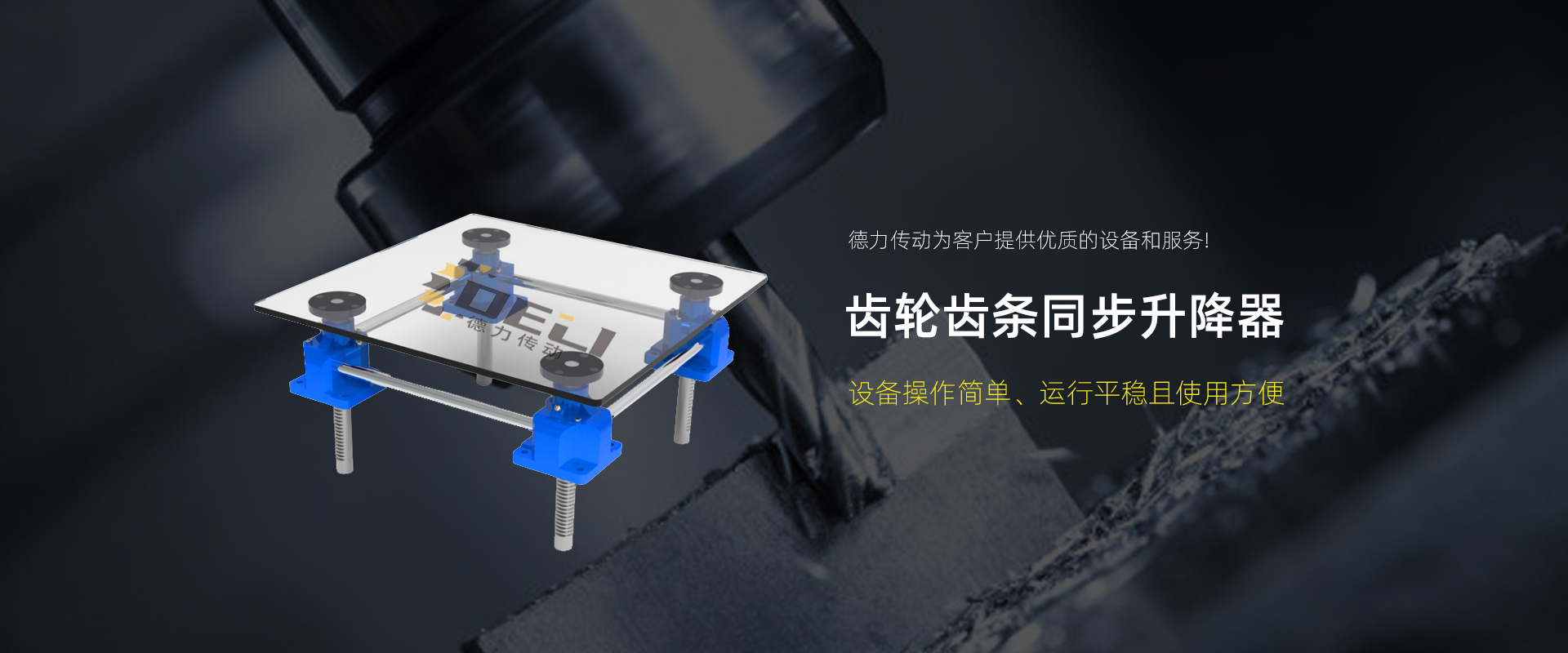
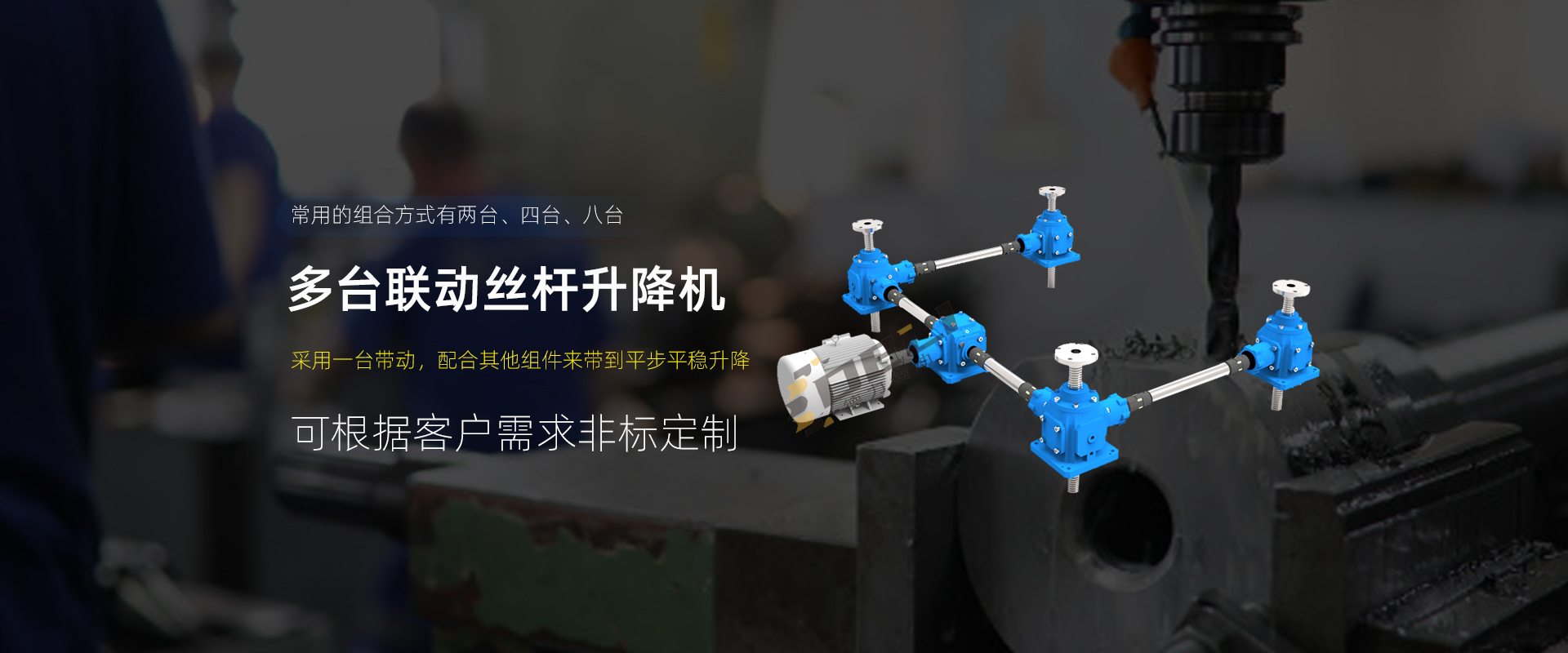
4. The synchronous single-reduction motor drives multiple push rods simultaneously through mechanical connections, achieving synchronized lifting and lowering.
5. Drive Systems: DC motors 12/24V, single-phase AC motors, three-phase AC motors; no air/hydraulic source required.
6. Overload protection can be equipped with a safety clutch to prevent overload; an overload pressure sensor can also be included to prevent overload.
High load push/pull capacity up to 300 tons.
8. Other features include simple maintenance, low noise, and the ability to operate normally in high/low temperature, corrosive/explosive harsh environments. Key characteristics are: self-locking performance, synchronization, precision positioning, speed control, and thrust control.
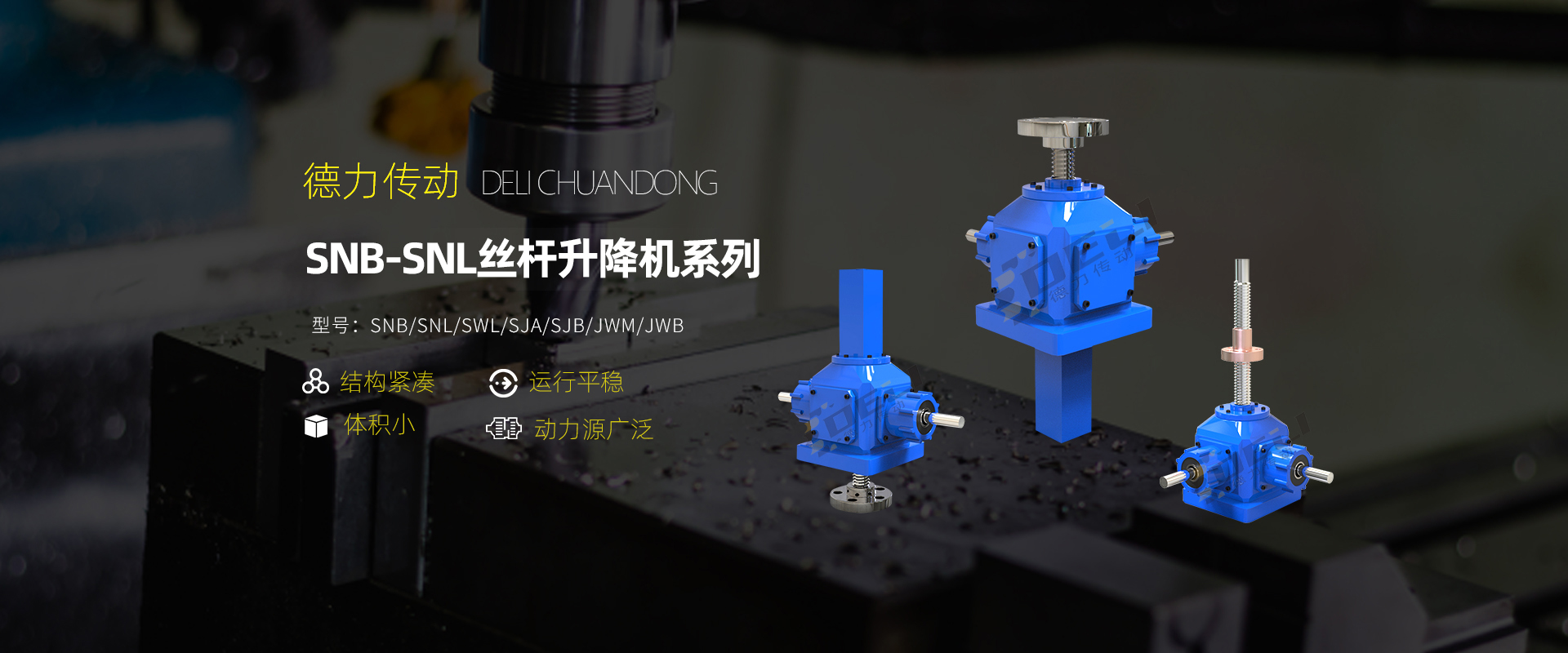
The lifting mechanism operates by: the motor or manual drive rotates the worm, which in turn drives the worm gear to reduce speed and rotate. The interior of the worm gear is machined into an internal thread, propelling the screw rod to move up and down. Due to the presence of worm and worm gears within, the screw rod's reduction effect amplifies the thrust.


