

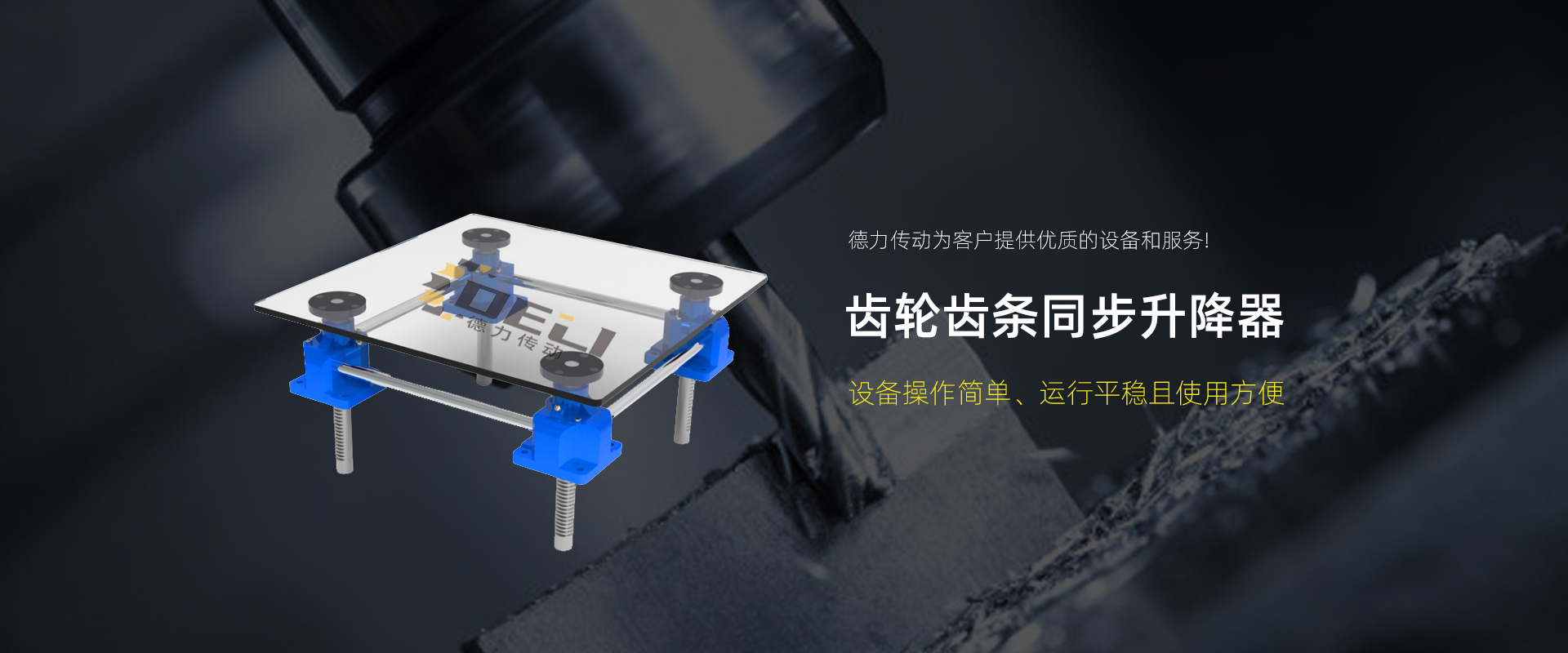
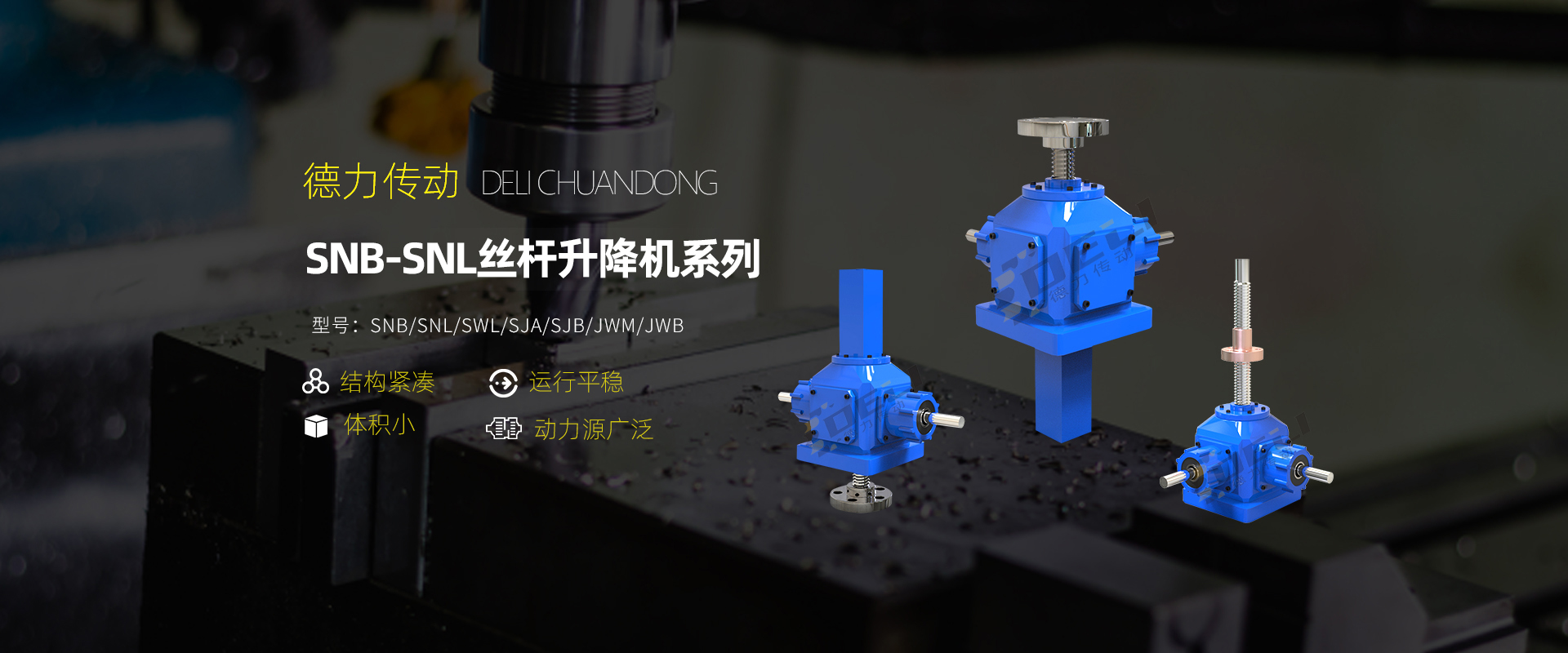
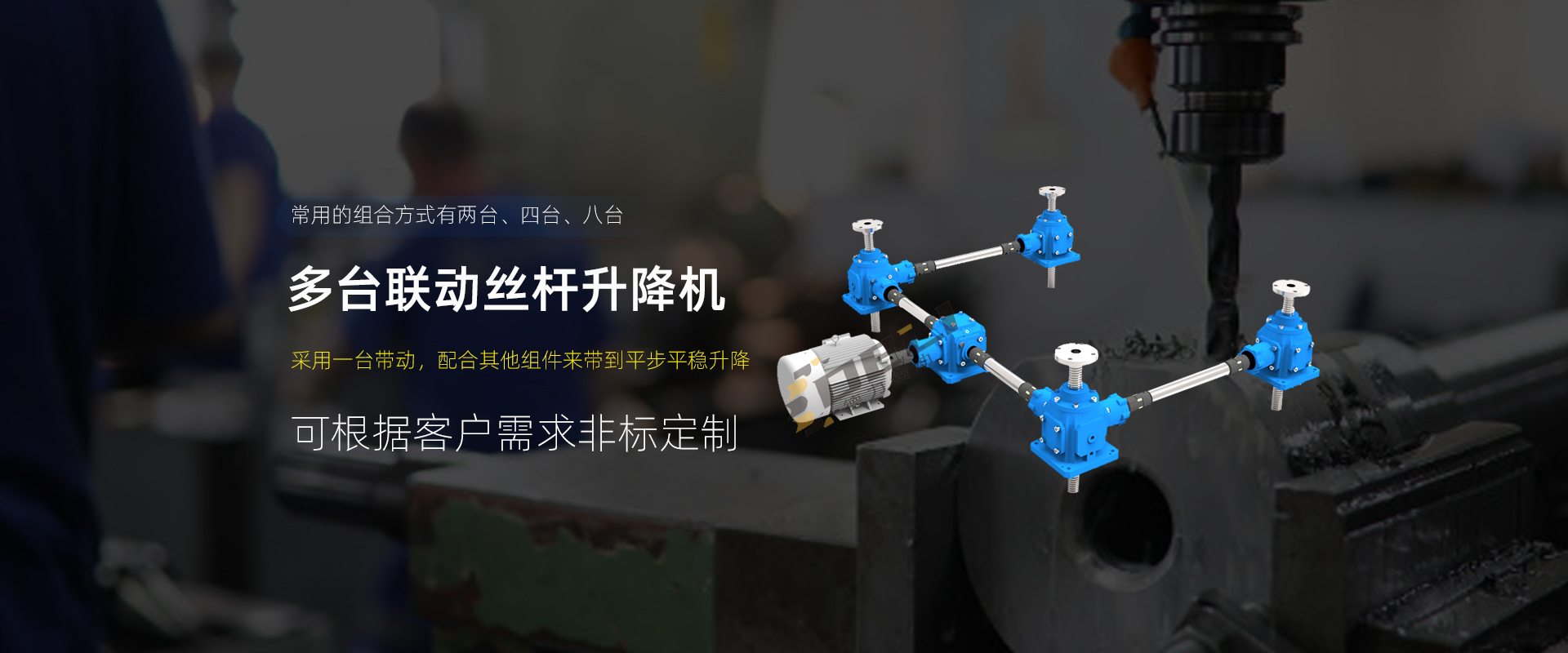

The screw jack, also known as the helical drive mechanism, is primarily used to convert rotary motion into linear motion or vice versa. There are types that focus on energy transmission, such as screw presses and jacks, and others that concentrate on motion transmission, like the feed screws of machine tool tables. Additionally, there are those that adjust the relative positions of components, all functioning through helical drives. Screw jacks come in two types: sliding friction mechanisms and rolling friction mechanisms.
The sliding ball screw nut mechanism boasts a simple structure, ease of machining, low manufacturing costs, and self-locking capabilities; however, it has a high friction torque and low transmission efficiency (30% to 40%). While the ball screw nut mechanism is more complex in structure and expensive to produce, it lacks self-locking capabilities. Its advantages include a low friction torque, high transmission efficiency (92% to 98%), high precision, good system rigidity, and reversible motion.
A screw jack is a fundamental lifting component widely used across various industries. Here's a summary of how its principle works:
The screw jack is composed of a worm gear reducer and a screw. Its reduction component is driven by the worm gear, which reduces speed by driving the worm. The worm gear acts as the nut for the lifting screw, perfectly matching it. The worm gear features an internal threaded structure, serving as the nut for the lifting screw and fitting it seamlessly.
2. The lifting speed of the screw jack is equal to the worm input speed divided by the reduction ratio of the worm and worm gear, then multiplied by the pitch of the lifting screw. Due to its structural reasons, this type of screw jack usually uses grease lubrication. Some series utilize oil lubrication, which offers the advantage of greater work stability compared to the grease-lubricated series.


