
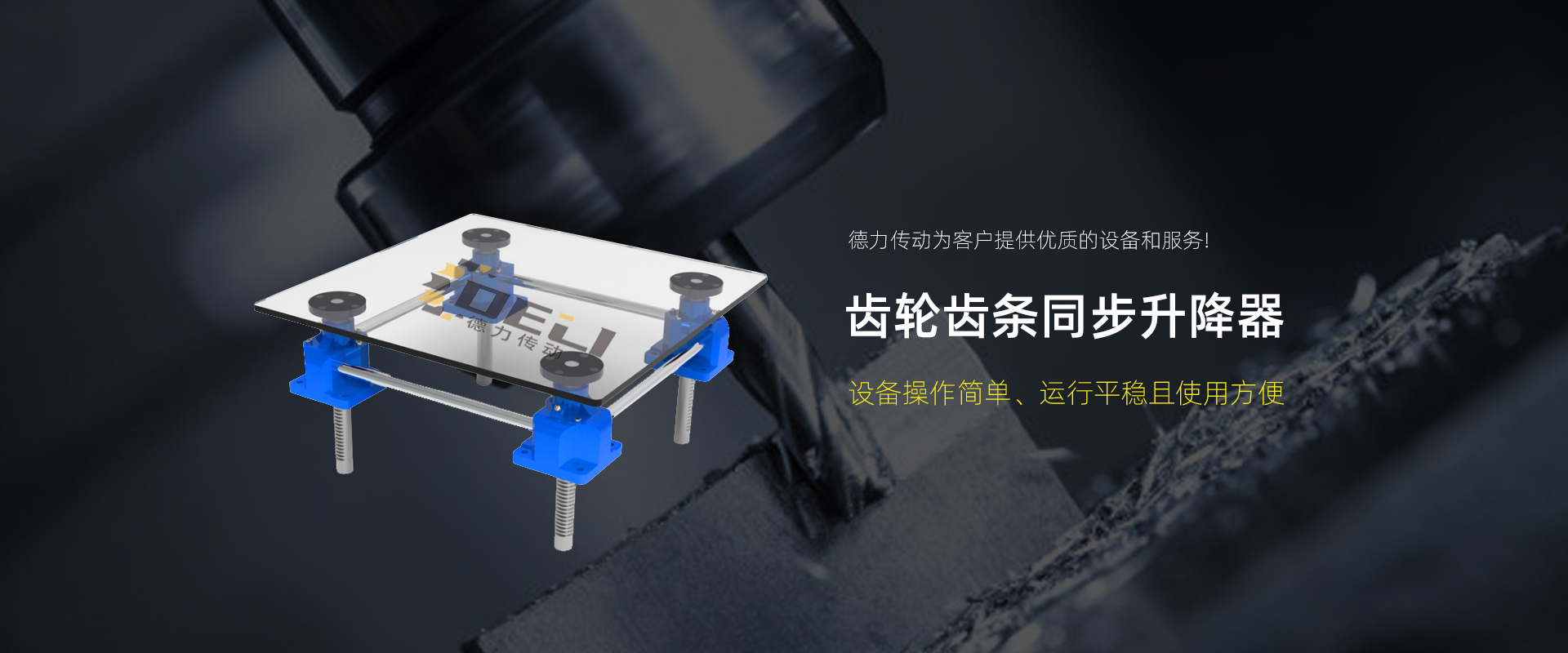
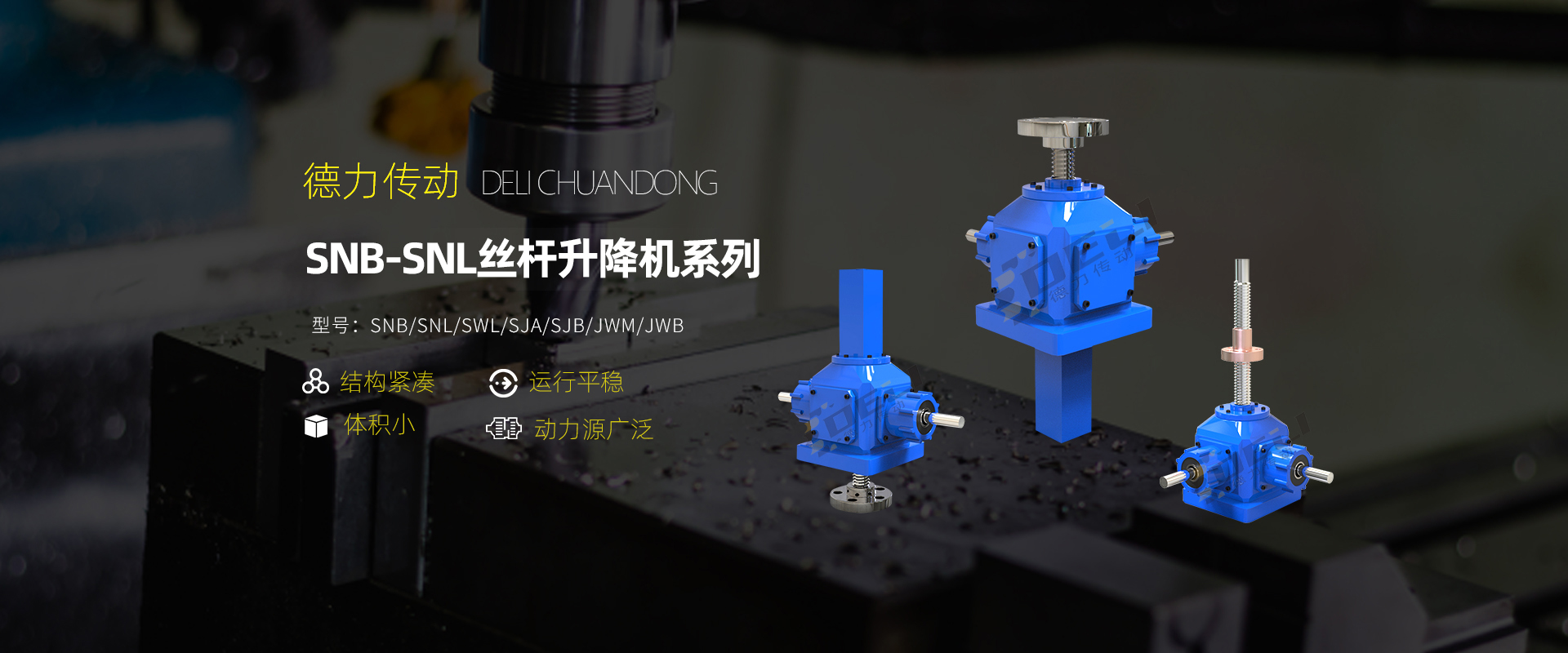
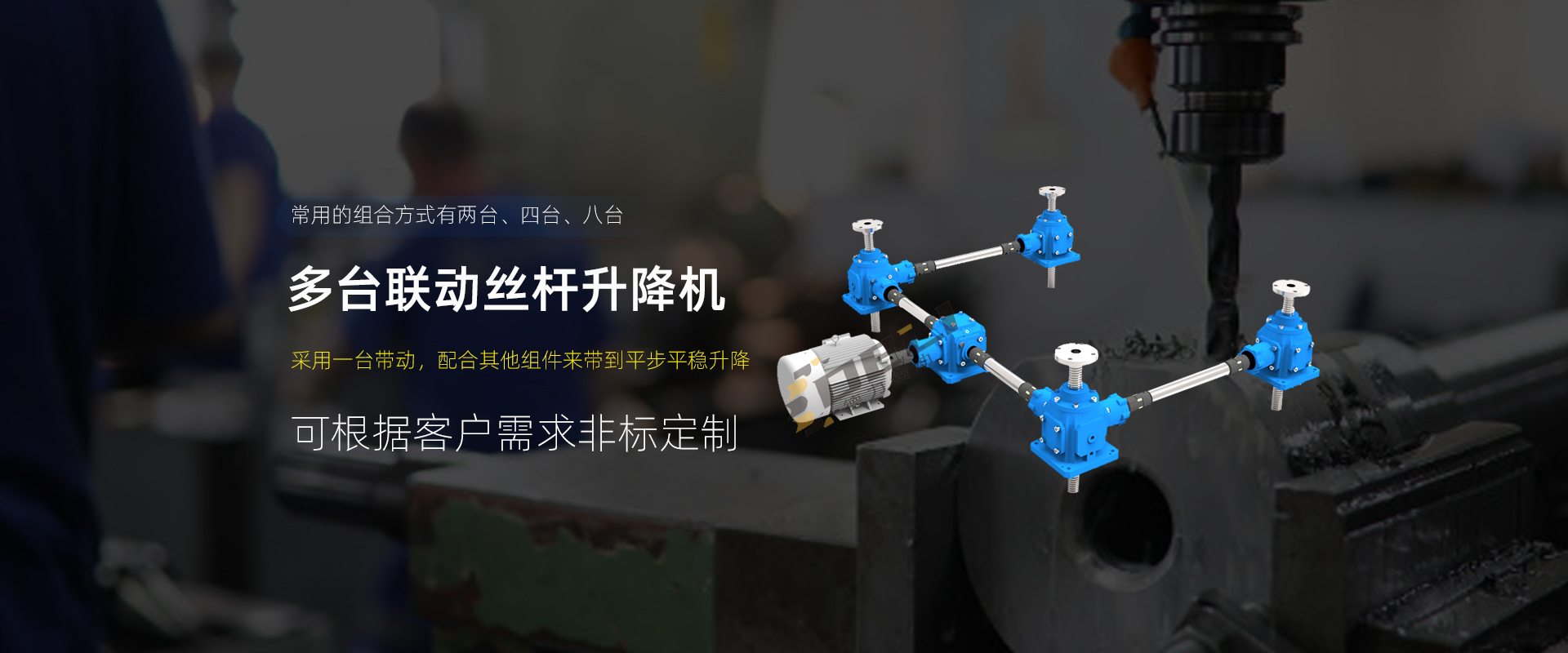

The special hoisting machine, a type of transmission equipment, is typically installed directly onto workpieces for use. Its operation is also quite simple; once the hoist is secured and the power is connected, it can perform actions such as lifting, lowering, flipping, and translating. Our hoists include the SWL series, SN bevel gear series, and more, each model offering various load capacities. Thus, their versatility is quite extensive, capable of handling loads from a few dozen kilograms to several tons, effortlessly executing designated movements. It can be said to be an extremely convenient transmission device.
The machine base number of the elevator does not directly reflect its load capacity, as we need to consider more factors during selection, such as stroke, speed, connection method, and the choice of power source. Moreover, we leave more room for our customers based on their specific situations during selection, so the actual model is larger than the tonnage of the load. Do you know why this is the case?
We'd like to explain this phenomenon. Firstly, when it comes to the operation of screw jack, it's not always accurate to use it based on the load amount provided by the customer. Sometimes, it might be less, and sometimes more. In this case, if you choose a larger base number and leave some safety margin, it can handle heavier loads more easily. Additionally, the wear on the worm and worm gear will be reduced, thereby extending the lifespan of the lifting jack.
Furthermore, while the elevator is not designed for passenger use, we still need to monitor its safety in operation. This is because any issues arising from selecting an incorrect seat number could result in property or equipment damage.Furthermore, increasing the machine seat number ensures that internal components are not constantly operating under high load, thereby reducing some pressure. Along with scheduled maintenance and upkeep, this can significantly extend the lift's lifespan.


