
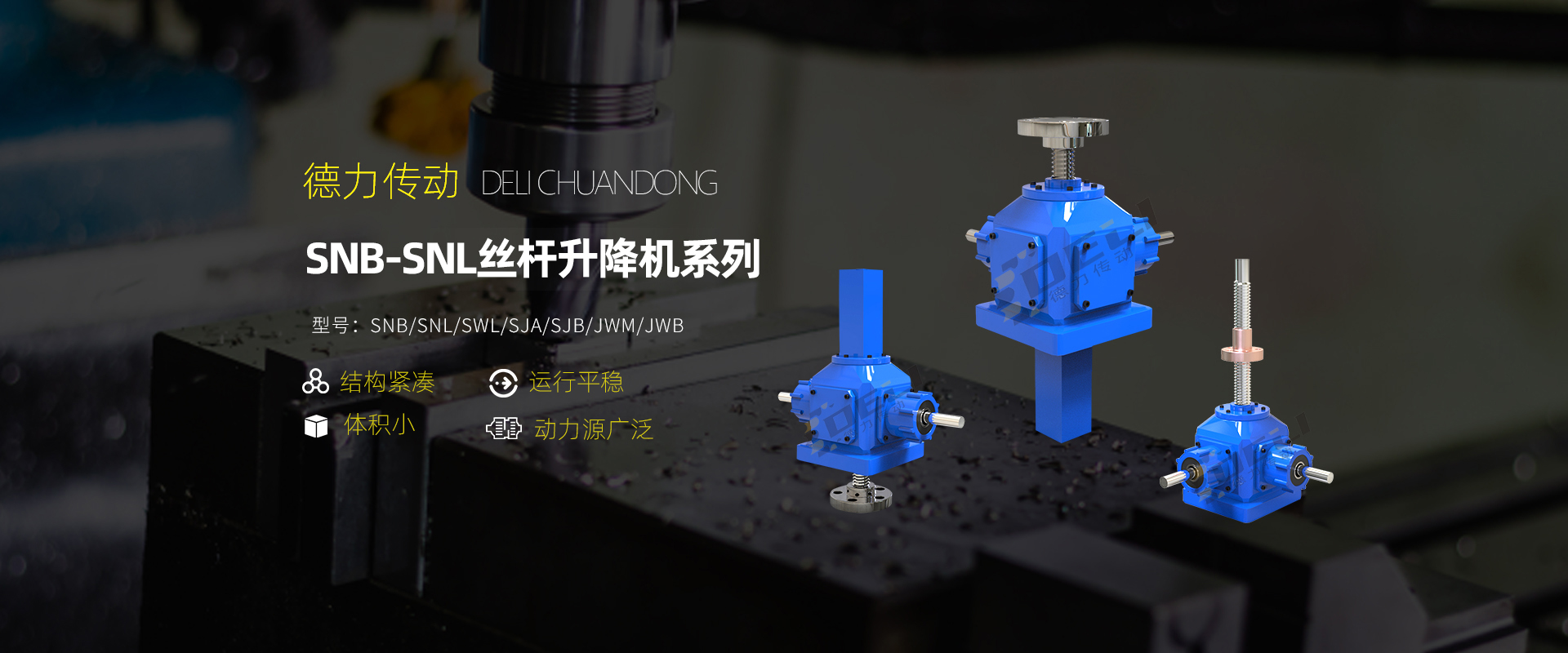

For screw jacks, if the screw head is not securely fastened during operation, the screw will rotate in place and be unable to perform lifting or lowering actions. A anti-rotation device is required to ensure the jack's straight-line movement. When a screw jack needs to lift an object individually, and there is no fixation or guiding device, and the object requires straight-line lifting and lowering, anti-rotation is essential. The anti-rotation feature of the screw jack can provide excellent protection.
The anti-rotation feature typically involves adding anti-rotation blocks according to customer specifications when lifting items with either a single or multiple hoists. The anti-rotation device is quite simple—it consists of a square copper plate with anti-rotation properties fitted at the bottom of the screw, which is then sealed against the four walls of the hoist's square protective tube. This arrangement effectively prevents rotation, allowing for smooth up and down movement even if the screw head is not fixed. Alternatively, creating a slot in the screw can also achieve the anti-rotation effect.
During the order process, our technical staff will verify with you the specific usage of the screw jack to determine if a anti-rotation device is required.
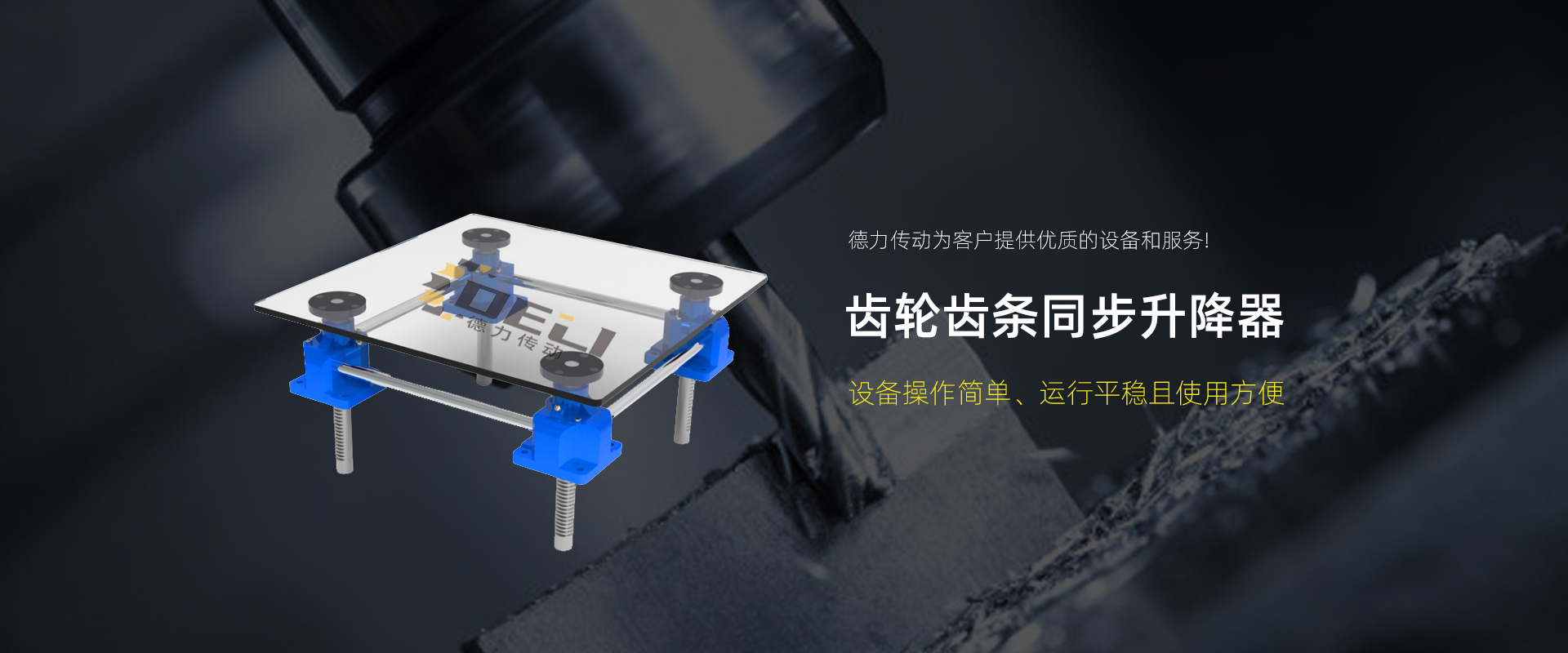
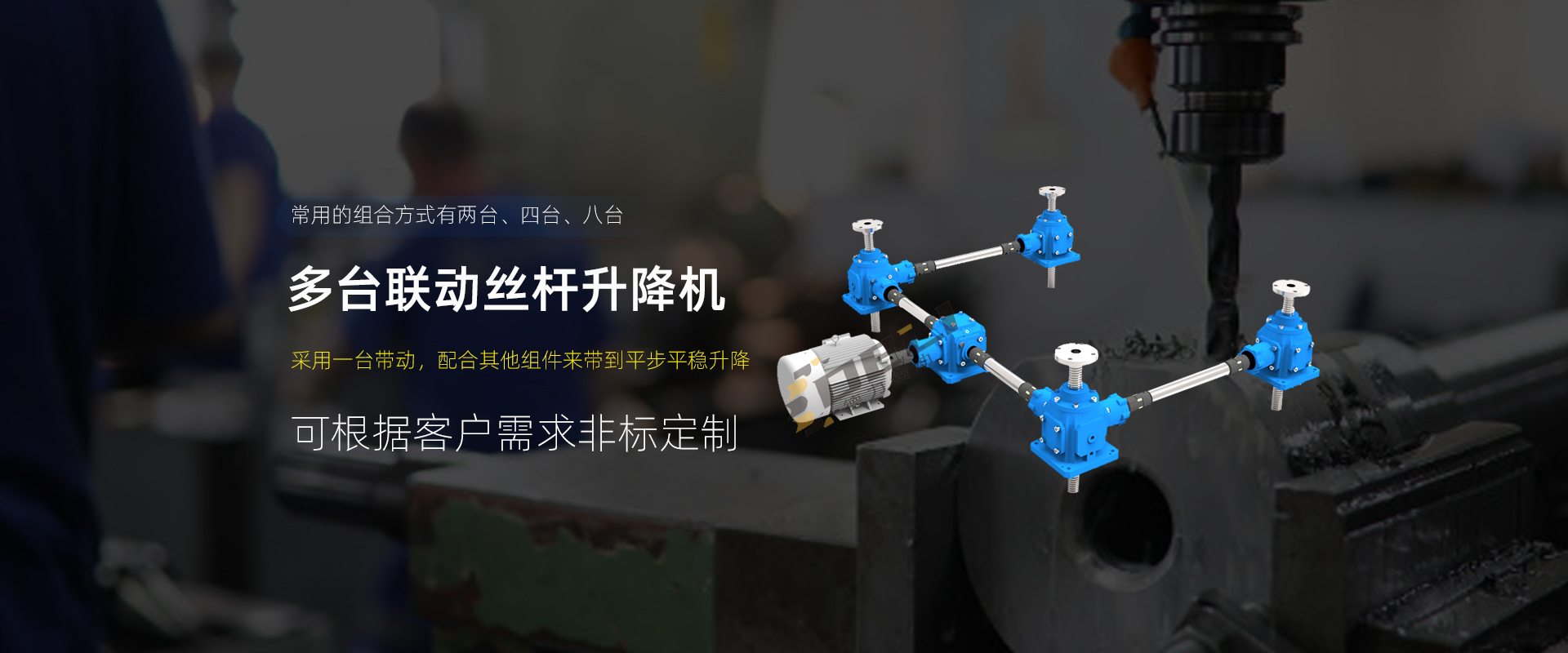
However, no additional installation is required for the elevator platform. Since elevator platforms typically require four or more devices to be interconnected, the multiple elevators are already constrained by the platform's mounting surface to prevent rotation, thus no extra measures are needed. The anti-rotation block is located at the lower end of the screw, and the rotation of the screw drives the anti-rotation block to move within the sleeve. However, due to the shape of the anti-rotation block matching the sleeve, it cannot rotate, so it directly causes the screw to move up and down.


