

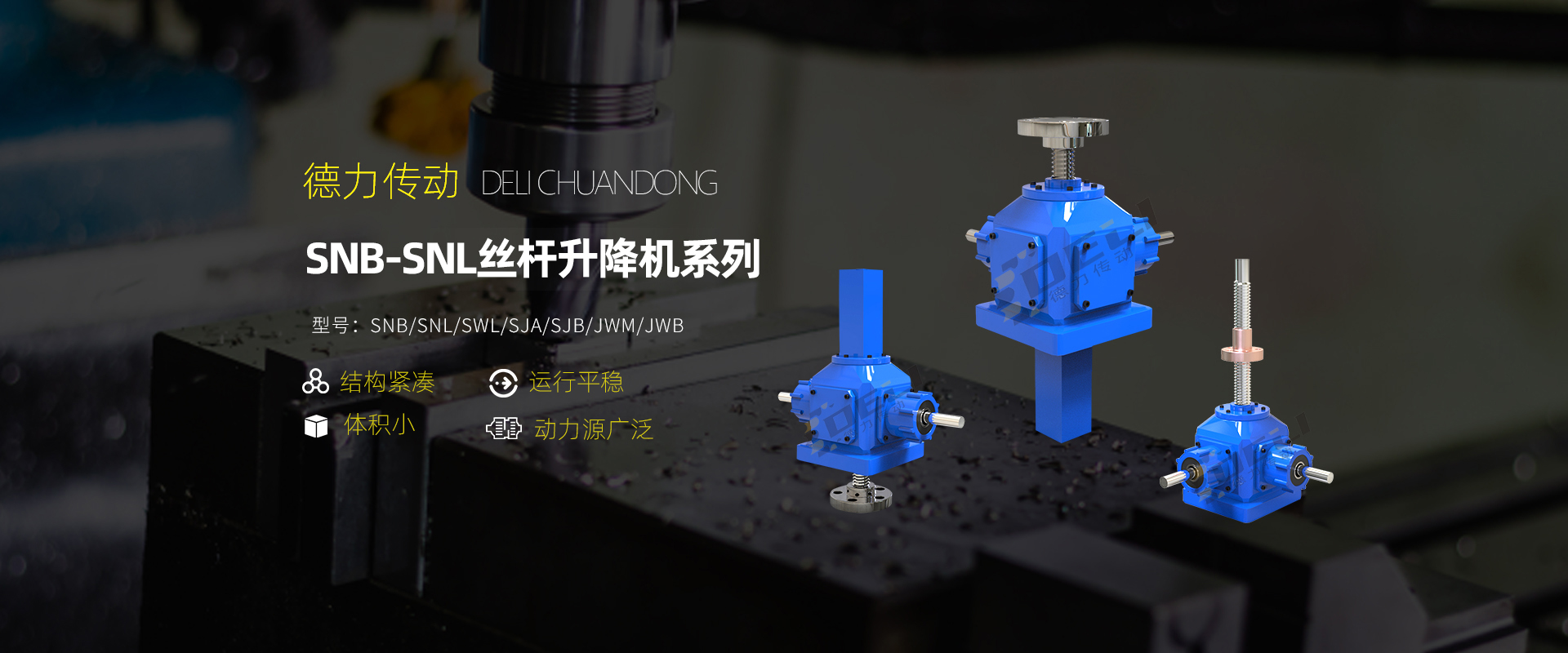

The screw rod is suitable for many mechanical products and is one of the key components in screw jack lifts. The processing accuracy, method, and technology of the screw rod all affect its performance.
The trapezoidal screw processing methods are divided into two types: rolling and turning.
The rolled screw is formed by a rolling molding machine that extrudes the material into screw threads. During the extrusion process, there is deformation, so the screw threads have little machining accuracy. They have low load-bearing capacity. When the lifting and lowering machine is driven, it often results in vibration and wear issues due to poor fit between the worm and the female thread of the nut. High input speed can lead to instability, bending, and abnormal sounds in the screw.
Precision screw threads are first heat-treated from round steel, then machined by a rolling cutter, enhancing the precision of screw thread processing. The pitch size is standardized, and the hardness after nitriding is HRC25-30, which offers higher load-bearing capacity compared to roller-pressed screws of the same thickness and length. During the screw thread processing, the internal threads of the worm gear and nut are also machined simultaneously. Subsequent grinding treatment ensures better fit, smooth operation, and low mechanical noise.
Machines assembled with two types of screw shafts have a significantly longer lifespan for screw jack manufacturing. Many manufacturers or small assembly workshops still opt for more rolled screw shafts to save costs, as suppliers can deliver quickly, the shafts require no processing, and the cost is lower. However, frequent malfunctions and the need for frequent part replacements during use can be quite troublesome.
When selecting screw jack lifting machines, it's advisable to prioritize quality and manufacturing processes before comparing prices. Opt for mechanical products from reputable manufacturers whenever possible.


