

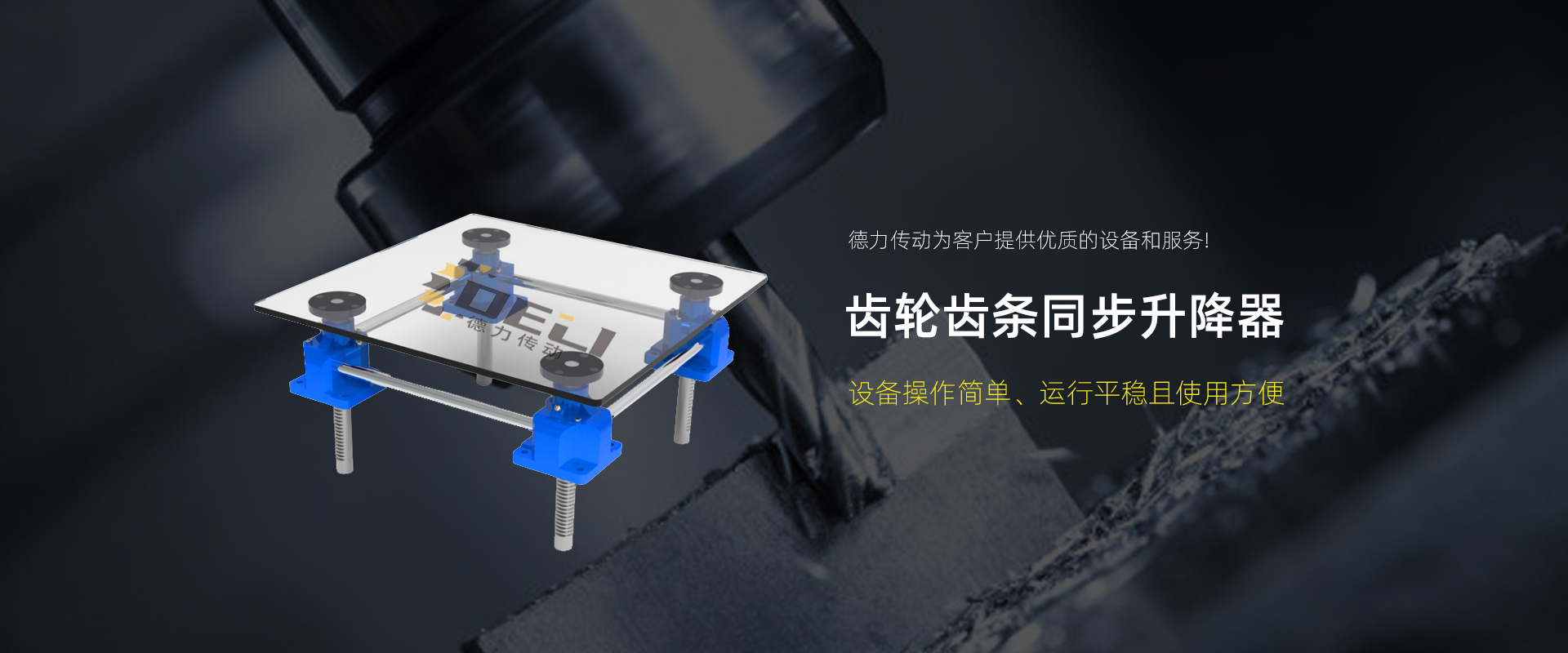
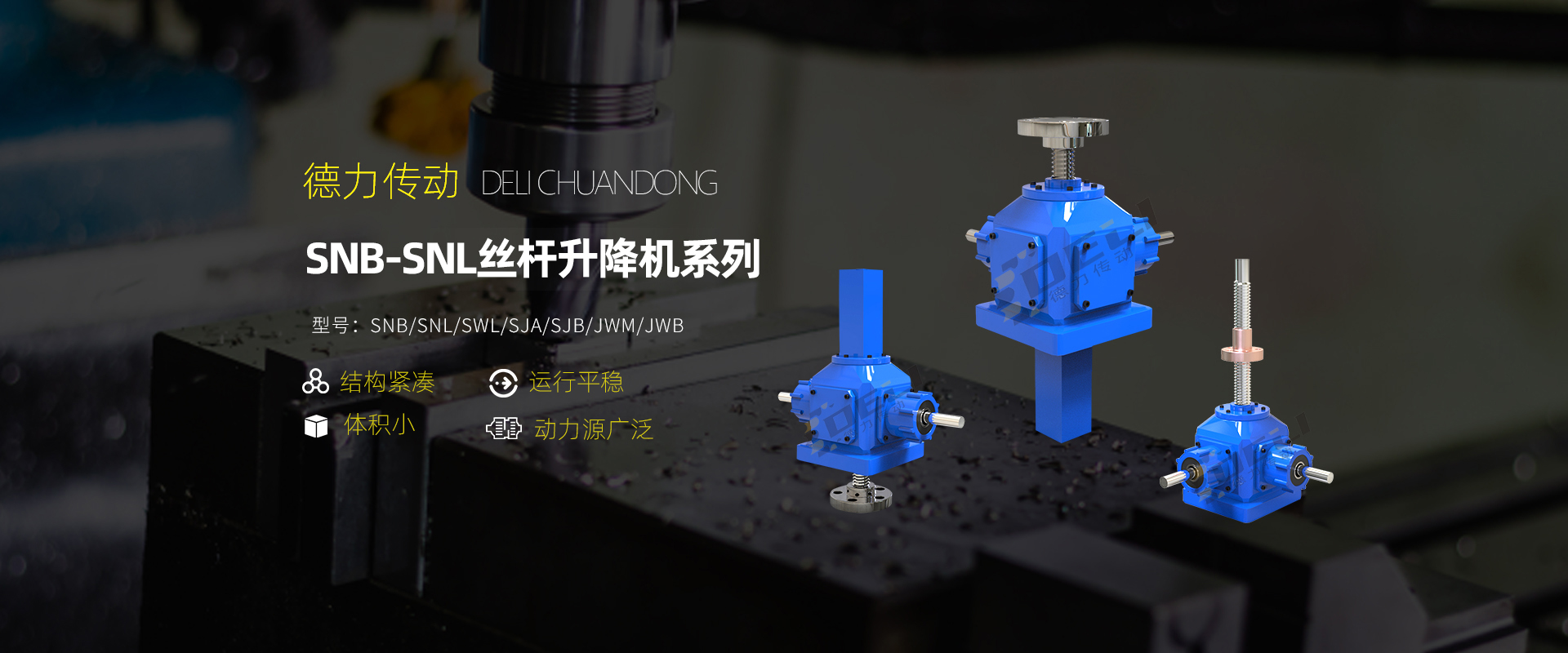
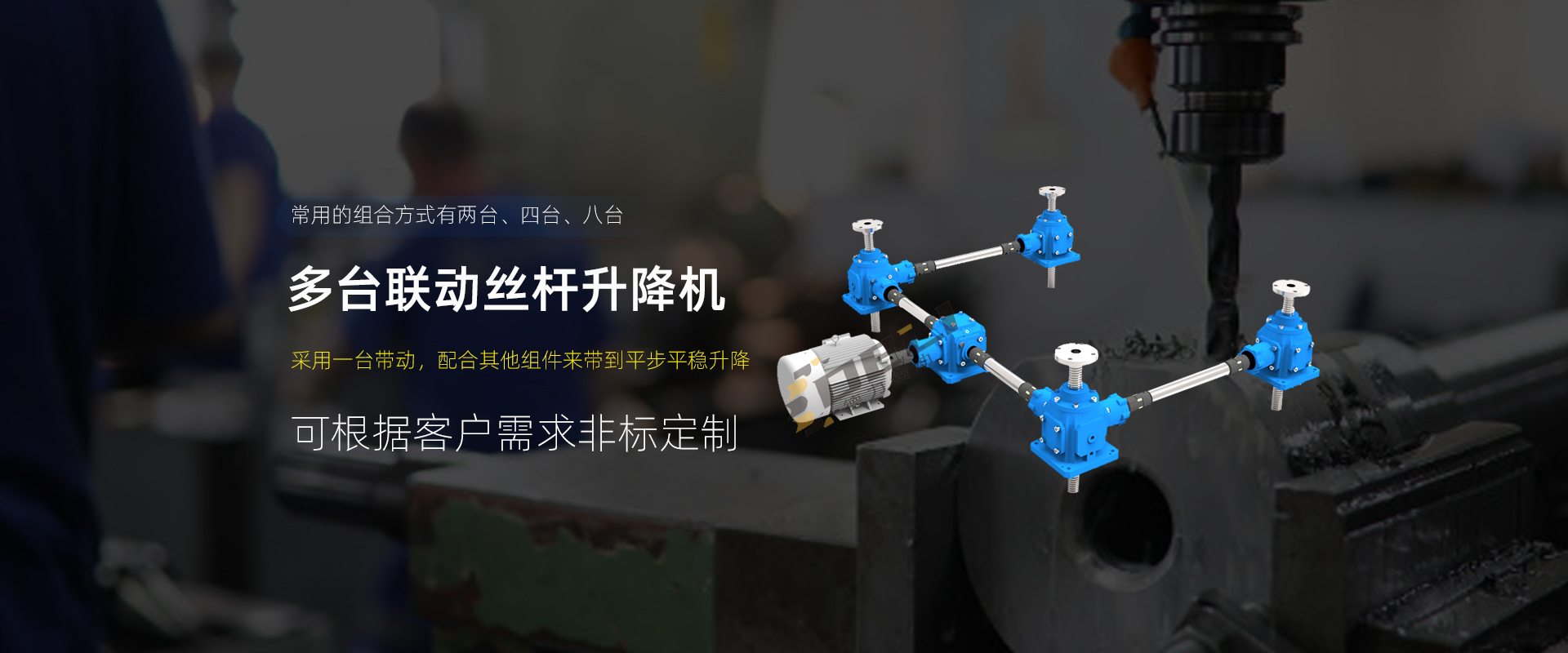

The screw jack is composed of a worm gear reducer and a screw, with its减速部件 being the worm drive, which utilizes the worm to drive the worm.
The worm gear achieves deceleration. The worm is akin to the nut of a lifting screw, matching the lifting screw. The center of the worm gear features an internal threaded structure, which...
The nut for the lifting screw, matching with the lifting screw.
The lifting speed of the screw jack is equal to the input speed of the worm gear divided by the reduction ratio of the worm and worm gear, then multiplied by the pitch of the lifting screw. Due to its structural characteristics, this type of screw jack typically uses grease lubrication. Some series employ oil lubrication, which offers the advantage of greater work stability compared to the grease-lubricated series.
Screw gears are primarily made of non-ferrous metals, and screw shafts are often made from hard steel, which means they generate significant heat during the operation of sliding friction transmission, thereby increasing the temperature of the reducer. The failure of reducer screw shaft bearings is mainly characterized by rust and corrosion of the bearings, and the main cause of this issue is insufficient lubrication of the inward-facing gears within the reducer, or lubrication failure due to emulsified gear oil. After the screw gear reducer stops running, condensation water may form due to cooling. The screw jack has two speeds: fast P and slow M, which are determined by the gear ratio of the worm and worm gear drive.


