

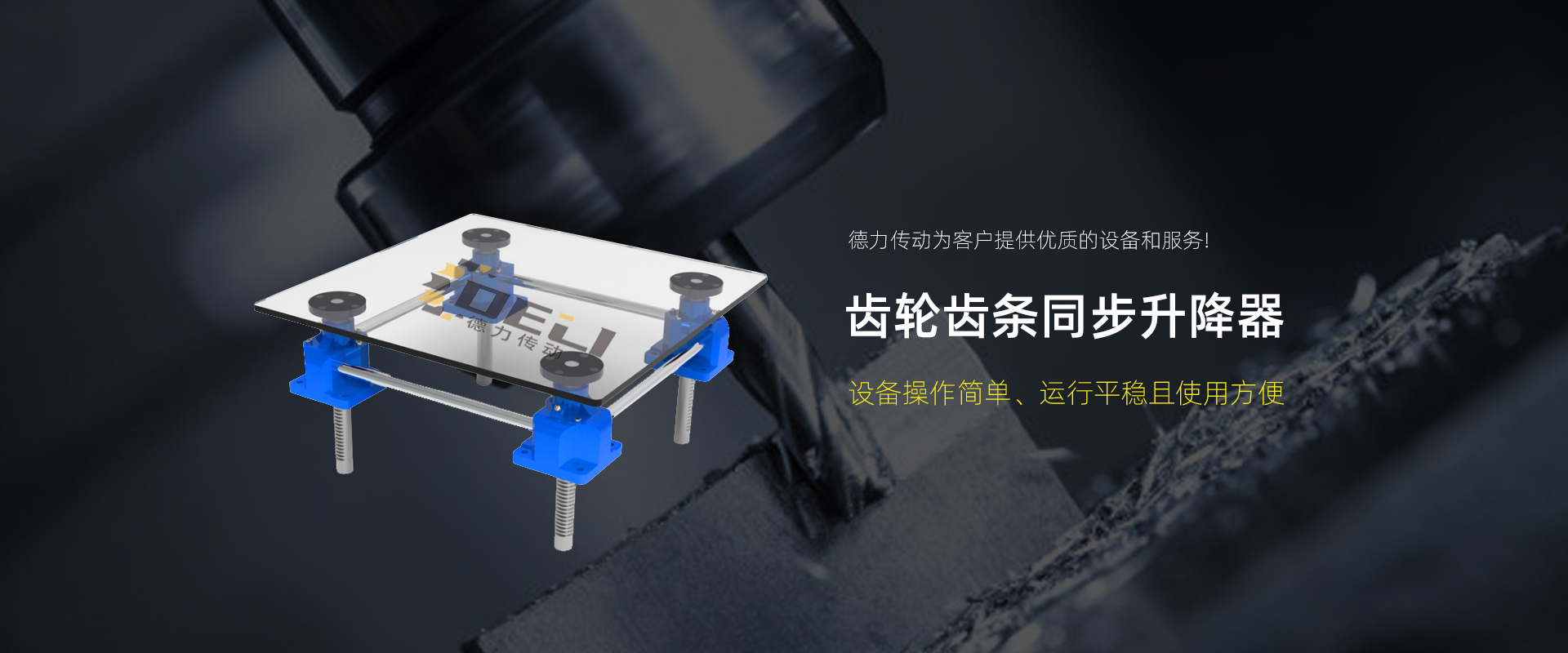
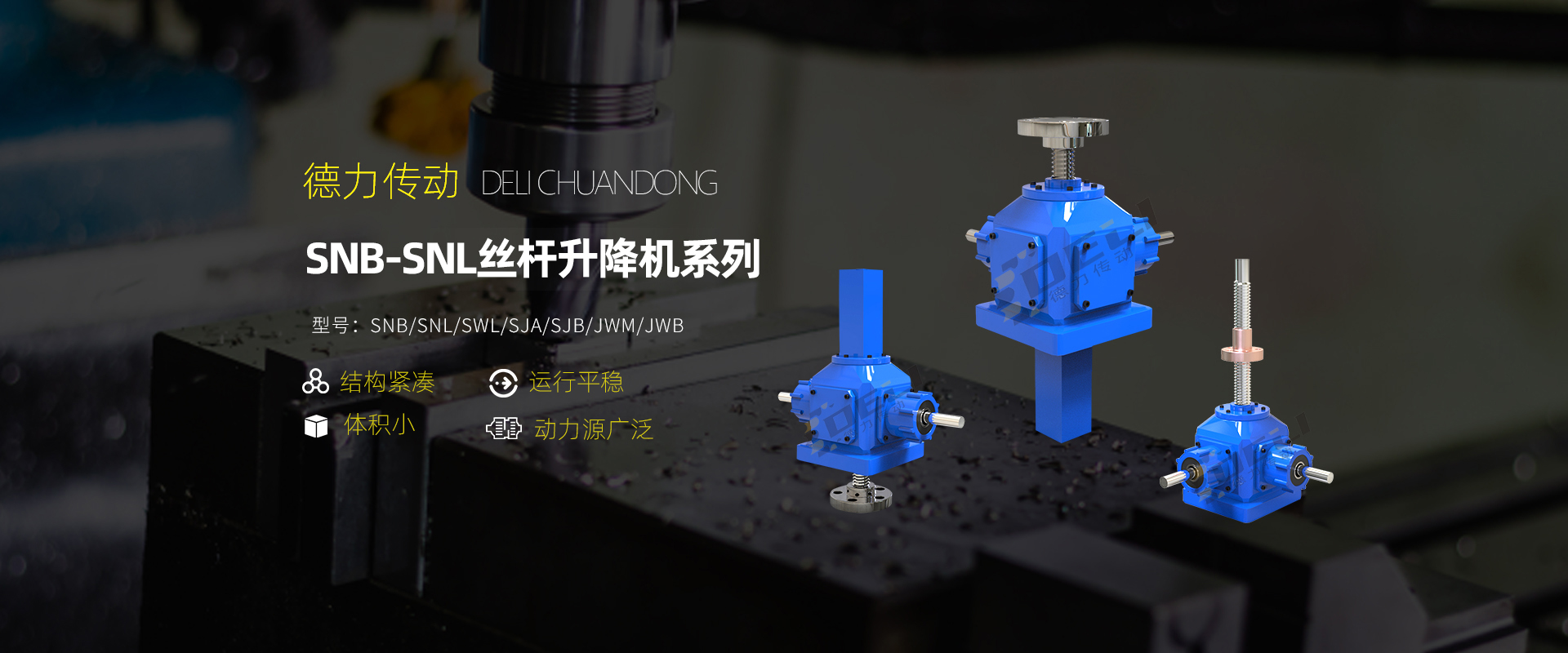
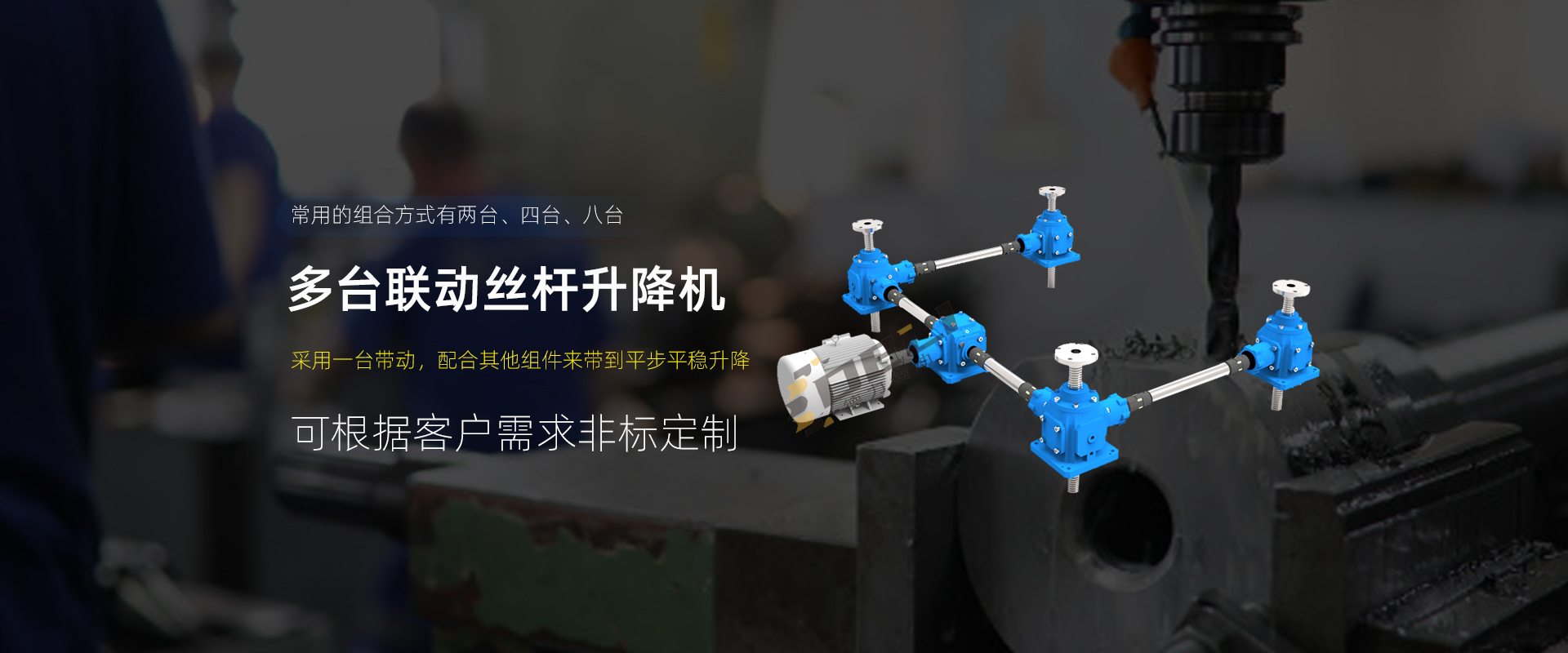

Rack and Pinion ElevatorDuring the gear meshing process, the driven gear's teeth contact the driving gear from the tooth crown to the root. The root area often bears alternating bending stresses, while the tooth surface above the pitch line endures pulsating alternating pressure stresses. Lower tooth surface hardness can reduce the gear's resistance to contact fatigue, leading to severe wear on the tooth surface and surface pitting, or even spalling. Lower hardness at the root reduces the gear's bending fatigue strength. Additionally, the presence of inclusions in this area can cause fatigue cracks to initiate and propagate at the root under alternating stresses.
The analysis shows that the gear fracture of the elevator is a fatigue fracture, with the fatigue cracks originating from the root of the teeth. The root of the teeth is not martensitic in structure, which is less hard and subject to alternating stresses. When the fatigue strength of the material is insufficient to withstand the loading force, fatigue fracture occurs.
Caution: Always choose high-quality elevator gear racks for purchase to ensure their service life.


