

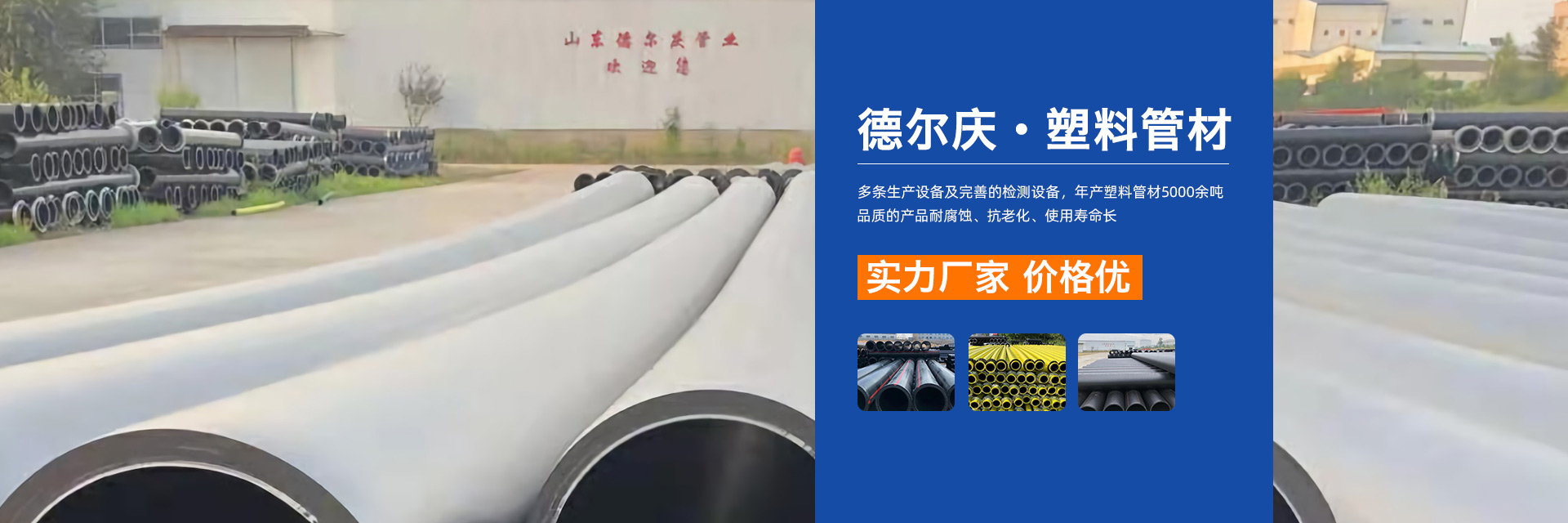


The requirements for corrosion resistance in drainage pipes are quite high, which means their application is broader. However, because of this, we must pay close attention to checking the thickness of the pipe materials. Uneven thickness of the corrosion-resistant coating can lead to numerous issues. So, why does uneven coating thickness occur? The main reasons are as follows:
1. Inadequate mold adjustment
During the coating process of gas extraction pipes, if several extrusion molds are not properly adjusted, leading to uneven thickness of the anti-corrosion coating in several areas, this could be a significant cause of uneven coating thickness. Adjusting the extrusion molds to ensure as even a coating thickness as possible, as well as not coating substandard steel pipes, are among the measures taken.
2. Uneven output
Inconsistencies in material distribution at several points on the production line can also lead to uneven coating thickness.
3. Pipe Bending
Bendings in gas drainage pipes during production or transportation may also affect the evenness of the coating.
4. Material oxidation reaction
Corrosion-resistant coatings can undergo oxidation reactions when the pipeline temperature rises, resulting in the volatilization of some fractions, leading to embrittlement and delamination. This may increase the cathodic protection current, thereby affecting the uniformity of the coating.
We have mainly introduced the reasons for uneven thickness of anti-corrosion coatings on gas drainage pipes. In the future, when applying anti-corrosion coatings to pipes, we should pay attention to the methods to achieve even coating thickness, ensuring better performance during use and greater benefits for us. Therefore, we need to remember these reasons and carry out construction according to specifications.
News Center Co., Ltd.
