
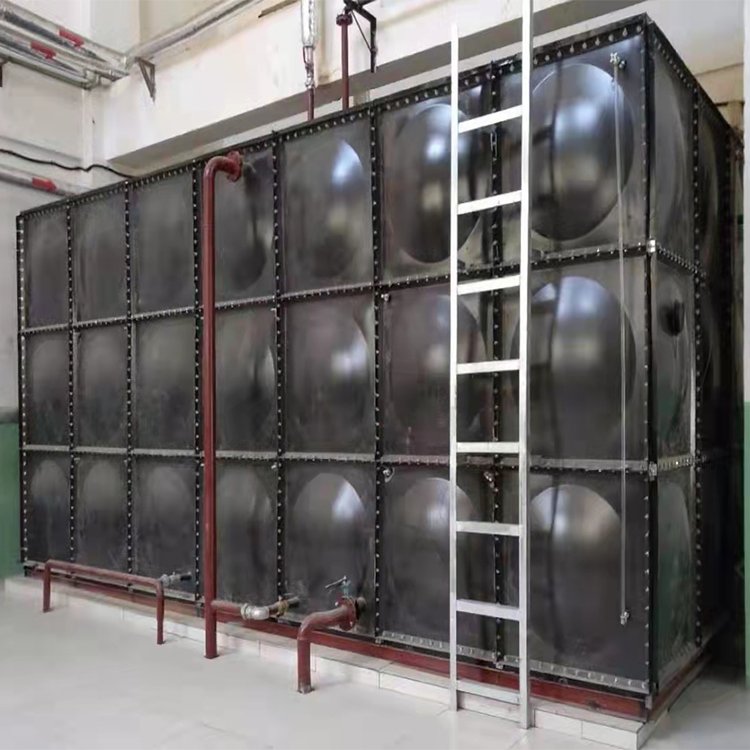
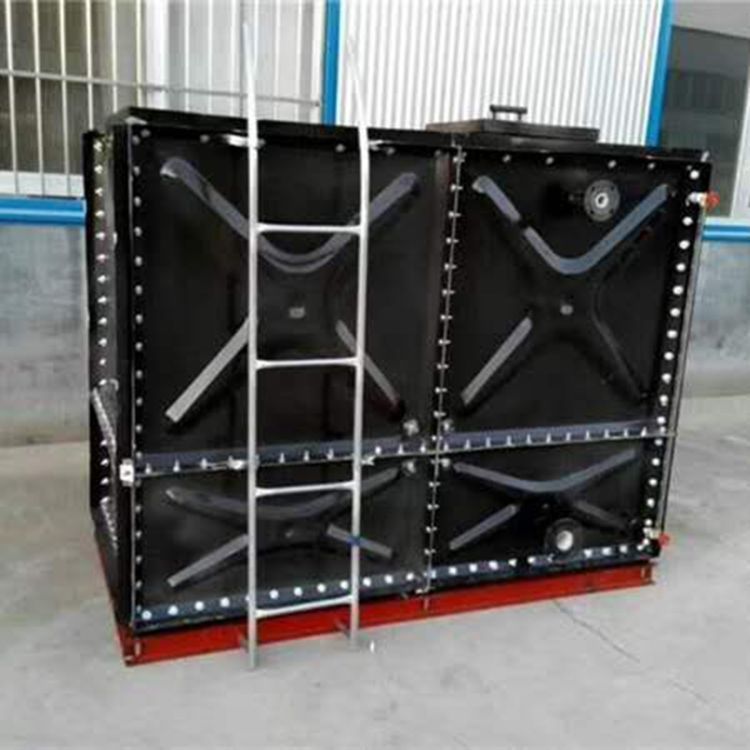

Enamel is a composite glass material, essentially a silicate. During production, porcelain glaze is first applied to the metal surface, then melted through heating and evenly solidified upon cooling to adhere to the metal surface, forming a dense enamel layer. This layer isolates the carbon steel substrate from water, essentially preventing contact between the electrolyte solution and the metal material, thereby stopping the electrochemical corrosion of the water heater's inner tank.
Enamelled ware is free of any harmful elements to the human body, making it a healthy choice. Its popularity stems from the absence of heavy metals, unlike the inner linings of common stainless steel or copper cookware, which do contain heavy metal elements. As global health standards and requirements continue to rise, it presents significant opportunities for enamelled inner linings.
Tinplate with excellent hot water resistance, long service life, and low maintenance costs; vitreous enamel made from low-carbon steel is cost-effective and relatively advantageous compared to other materials.
The enamel manufacturing process is well-established, resulting in a high pass rate for the production of enamel water heater tanks. China's enamel industry boasts a history of over a century, and products made according to the enamel process exhibit stable performance.