
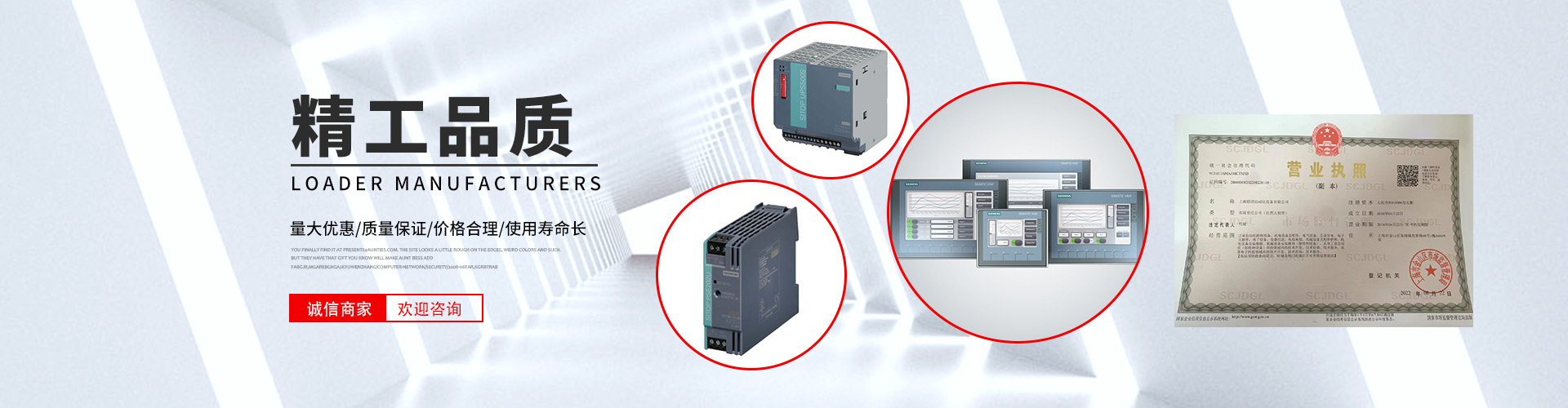
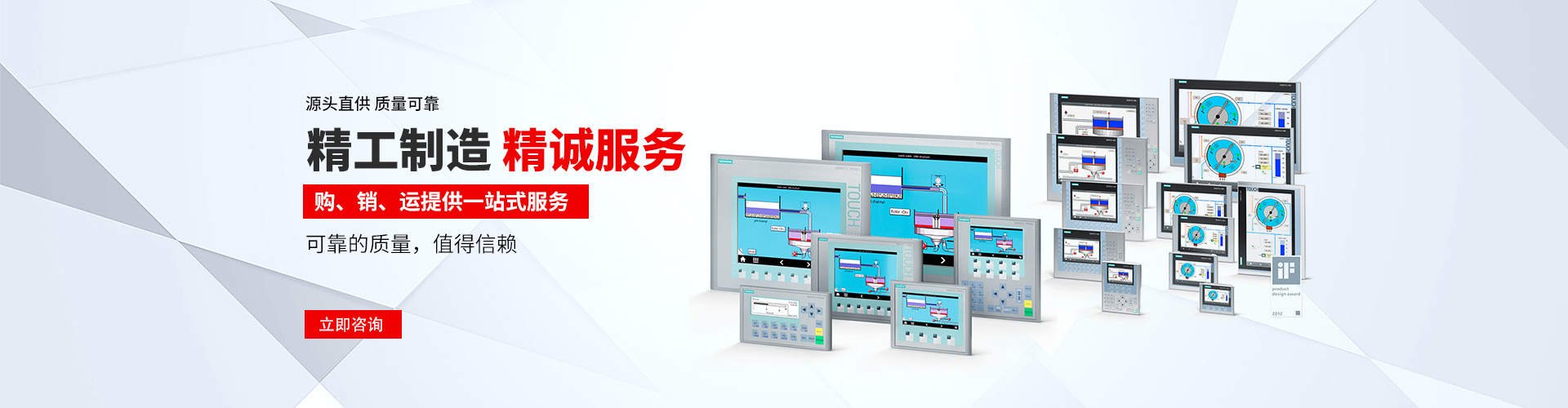
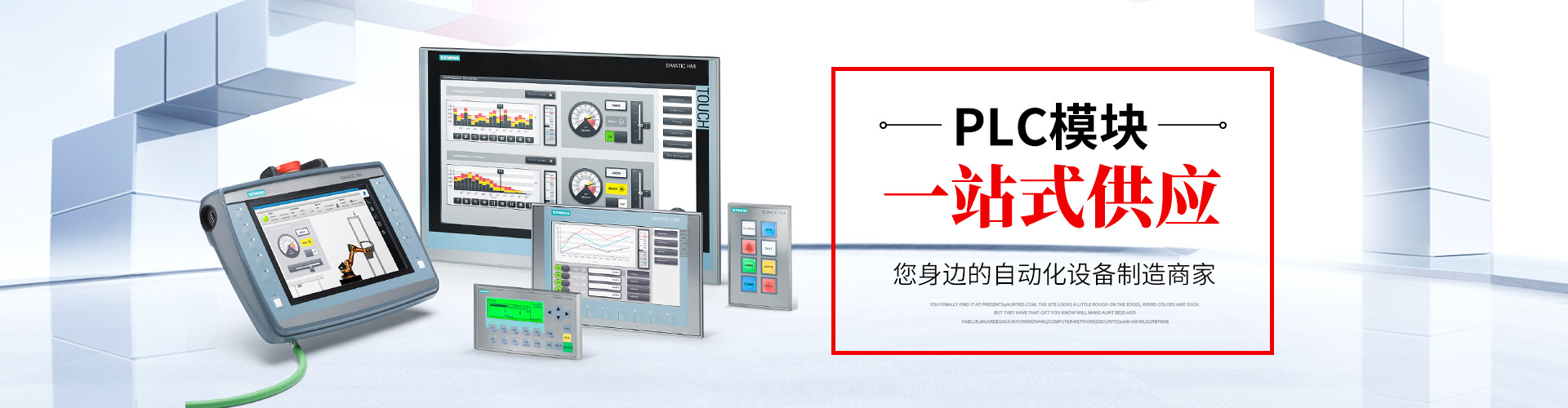


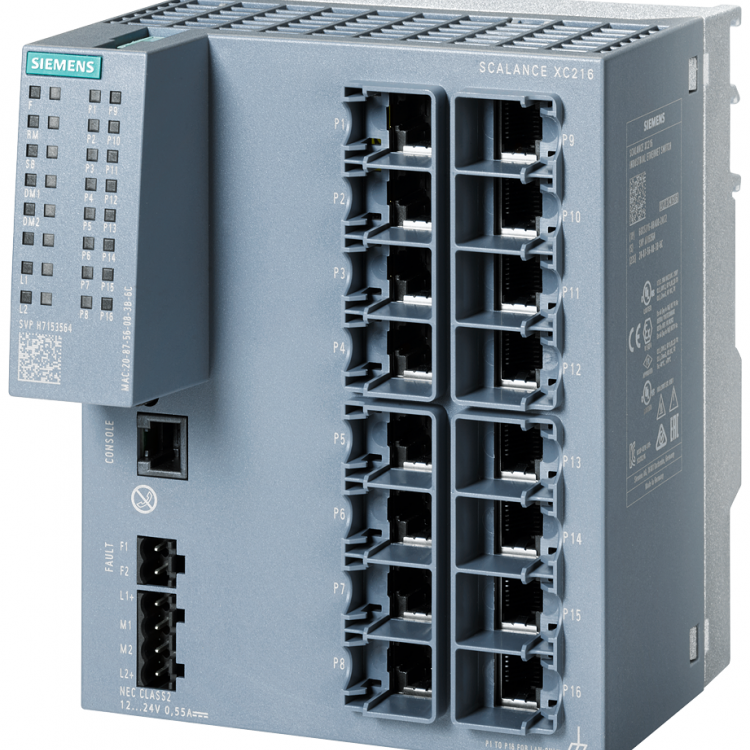
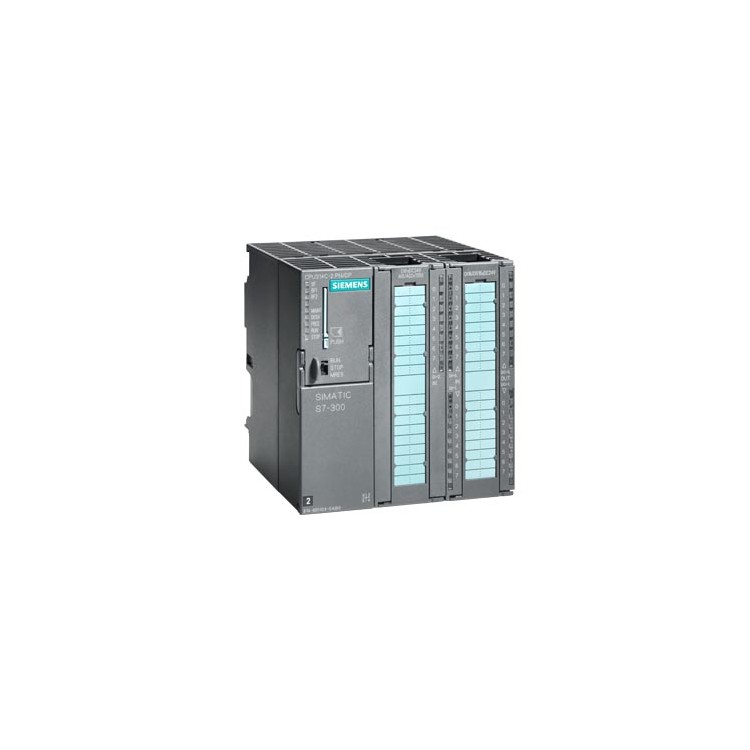
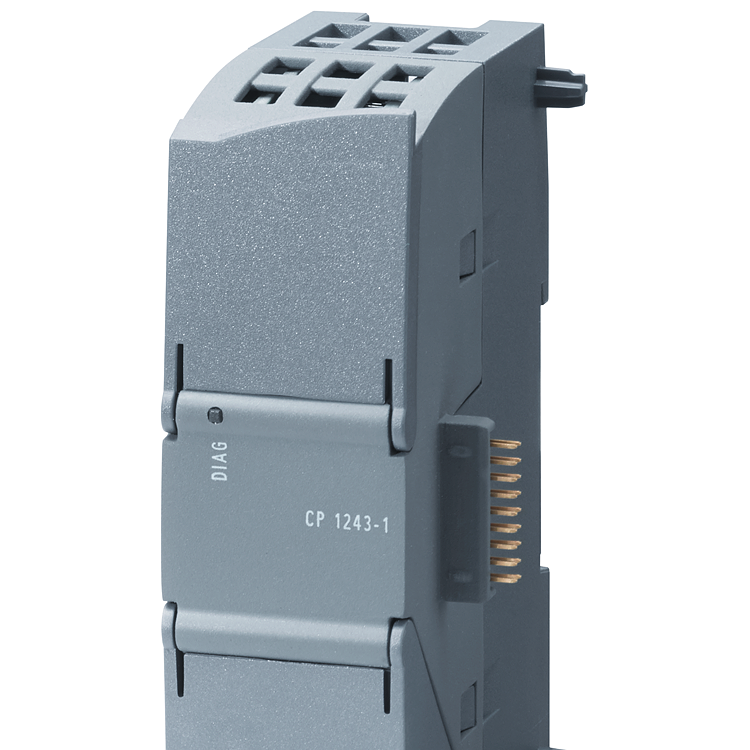
The Siemens module is a control device designed for industrial production process control, featuring a simpler programming language and more reliable hardware than standard computer control. It employs a streamlined programming language, reducing the likelihood of programming errors.
Siemens EDI module features:
1. The system does not require salt addition due to the absence of concentrated water circulation, features no water discharge, and has a simple structure.
2. The intelligent rectifier power supply fully utilizes the performance of modular technology, ensuring safety and reliability.
3. Dense water resin technology enhances ion migration speed, with low system energy consumption.
4. Freshwater resin stratification technology ensures non-conductive ion migration, resulting in high-quality effluent.
5. Mature reflux technology minimizes the impact of upstream fluctuations, ensuring stable water quality.
6. Large channel partitioning and resin treatment technology with strong anti-pollution capabilities.
7. Extensive on-site experience enhances pipeline layout techniques for ease of use and maintenance.
8. The advanced sealing technology and excellent film properties extend the service life.
9. Standardized specification processes reduce equipment maintenance and personnel training costs.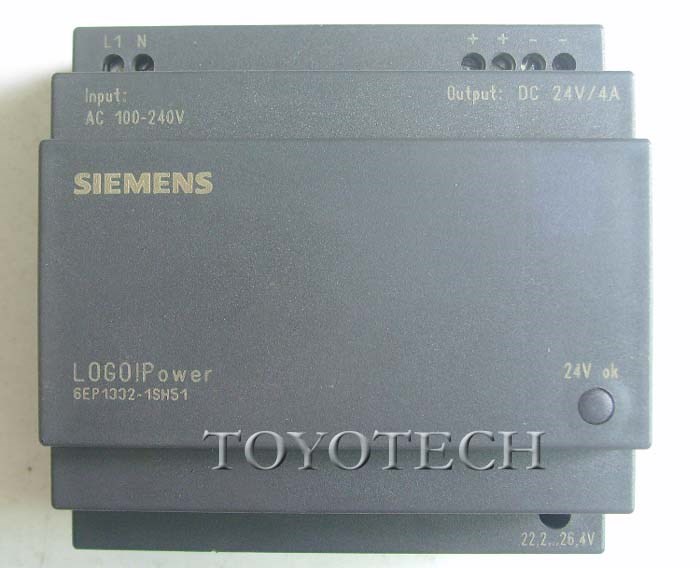 We specialize in: Siemens Servo Drives, Siemens CNC Servo Systems, Siemens DC Speed Control Devices, Siemens AC Inverters, Siemens DC Drive Systems, Siemens HMI Touch Screens, Siemens SITOP Series DC Power Supplies, Siemens Programmable Controllers, Siemens PLC Modules, and more.
Siemens PLC Selection Analysis:
When selecting a Siemens PLC, certain principles should be followed to avoid the scenario where the PLC's capacity is too small to meet the usage requirements. When choosing based on control requirements, opt for the best cost-performance ratio. Generally, consider the following aspects:
I/O Point Estimate
The I/O points are a crucial indicator for Siemens PLCs. Selecting the I/O points appropriately can not only meet the control requirements but also keep the total system investment low. The total number and types of input/output points for Siemens PLCs should be determined based on the controlled object's analog and digital signals, input/output device conditions (including analog, digital, and output types). Generally, one input/output component occupies one I/O point. Considering future expansion, it's advisable to estimate the total number of points and add an additional 15% to 20% for spares.
I. User Storage Capacity Estimation
The amount of memory used by the user application depends on many factors, such as the number of I/O points, control requirements, processing volume, and range structure, among others. Therefore, only a rough estimate can be made before the program is designed. Based on experience, the memory usage for each I/O point and related function is roughly as follows:
Switching input element: 10-20B/point
Switching Output Element: 5-10 B/point
Timer/Counter: 2B/pc
Analog Quantity: 100~150B/point
Communication Interface: One interface typically requires over 300B; supports communication with WeLink touch screen MT6100IV5.
Based on the total word count calculated above, plus an additional 25% buffer, you can estimate the memory required for the program, thereby selecting the appropriate Siemens PLC memory.
Section II: Calculation of I/O points occupied by this design
Input signals: Start button, requires one input point; Stop button, requires one input point; Count increment button, requires one input point; Count decrement button, requires one input point. A total of 4 input signal points are needed. To accommodate future system adjustments and expansions, an additional 20% reserve is provided, which is 4 x 20% = 1 point. Therefore, a total of 5 input points are used.
Output Signal: A total of seventeen LED seven-segment displays are required, with the segment select codes needing eight output points; if a 74LS138 decoder is used for the bit select signal, four output points are required. In total, 13 output points are needed. Considering future adjustments and system expansion, 20% of备用points are reserved, which is 13 x 20% = 2.6, rounded up to three points. Therefore, a total of 16 output points are used.
6ES7522-5FF00-0AB0
