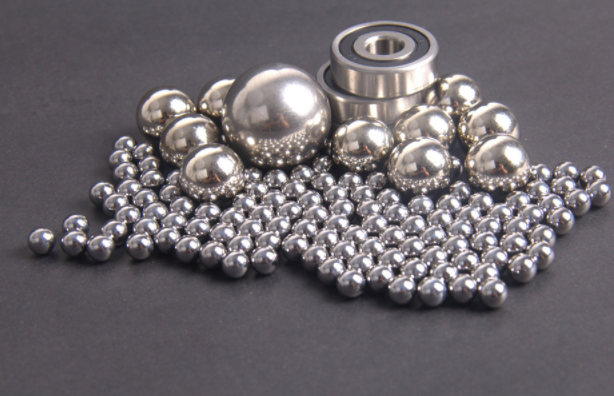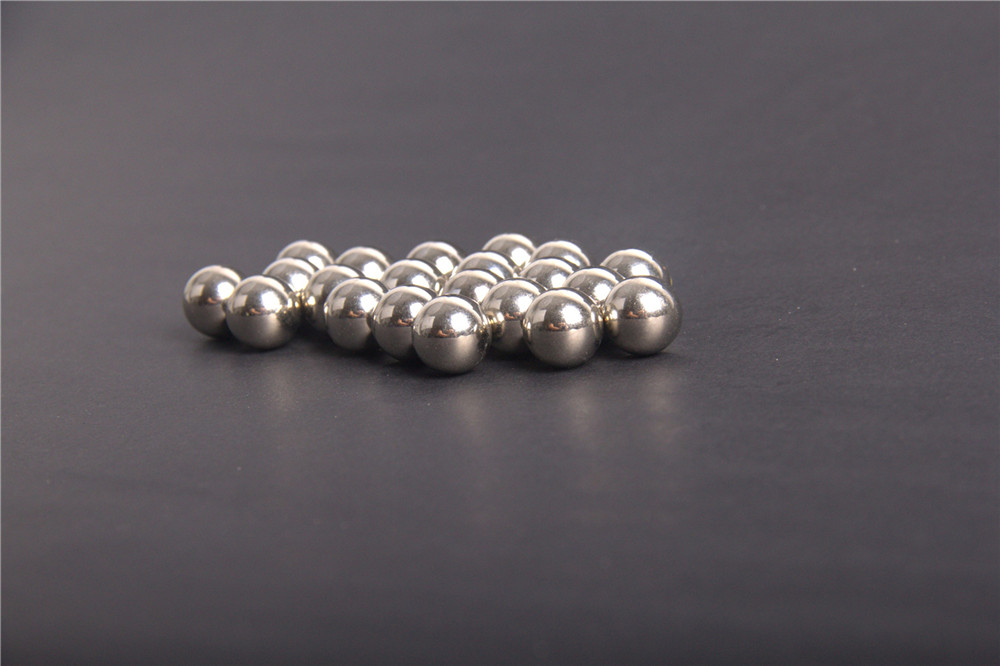


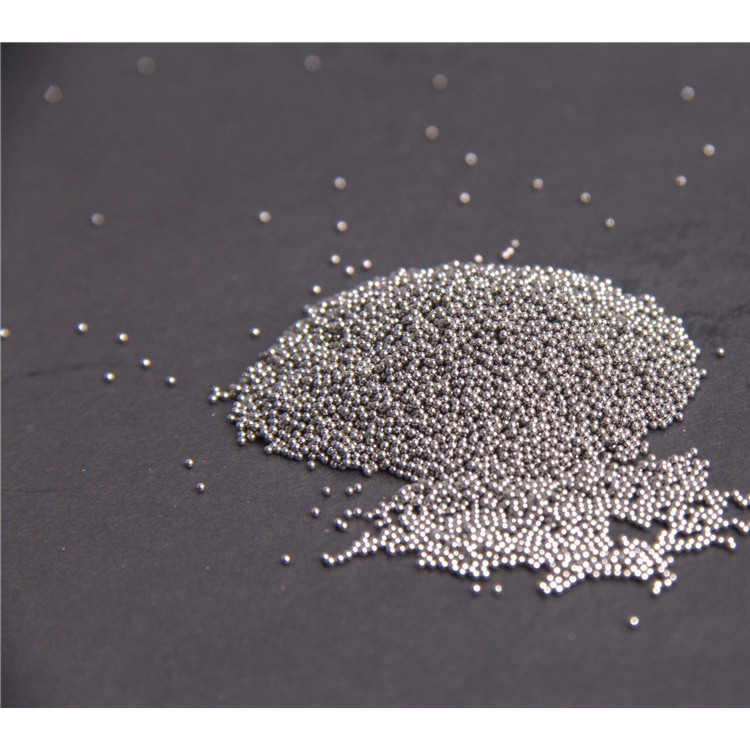
Carbon Steel Balls Carbon steel balls are common components in the manufacturing industry and are widely used in various fields such as bearings, valves, and transmission devices. Made from high-quality carbon steel, they feature high strength, great hardness, and excellent wear resistance. Carbon steel balls mainly come in two types: high hardness and low hardness. High hardness balls are typically used in applications requiring high pressure and wear resistance, such as bearings and sliding bearings, while low hardness balls are suitable for areas requiring better sealing performance, like valves. When in use, the following points should be noted. Firstly, untreated carbon steel balls should be avoided from prolonged contact with air or moisture to prevent rust. Secondly, during assembly, lubrication should be applied to ensure smooth movement between the carbon steel balls and other components. Additionally, regular inspection and maintenance should be conducted during use to ensure the normal operation and longevity of the equipment. Application Areas: 1010/1015 carbon steel balls are a common type known for their low price and high hardness, with a wide range of applications. They are commonly used in bicycles, bearings, pulleys, slides, crafts, shelves, swivel balls, bags, small hardware items, and can also be used for grinding other materials. Characteristics: They are magnetic, with a ferrite microstructure, often packed in oil, and typically electroplated when exposed to the outside, which can be plated with zinc, gold, nickel, chrome, etc.; they have strong wear resistance, with a hardness of HRC 50-55. Comparison: Compared to bearing steel balls, carbon steel balls have lower wear resistance and hardness (the hardness of GCR15 steel balls is HRC 60-66), so their service life is relatively shorter.