

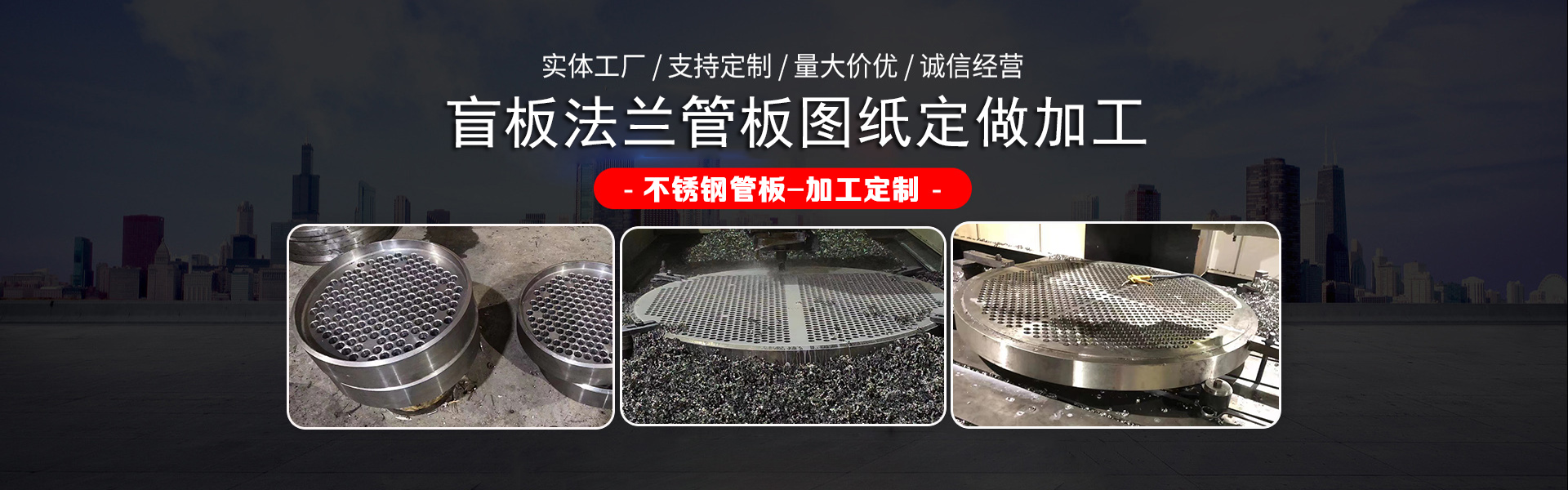
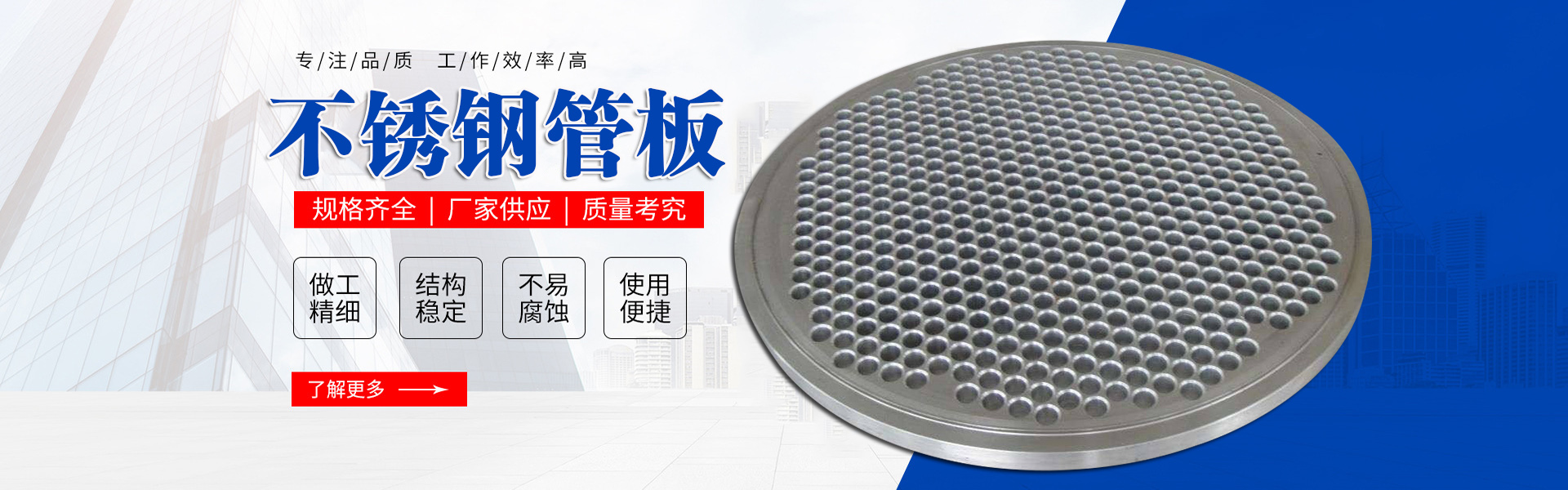
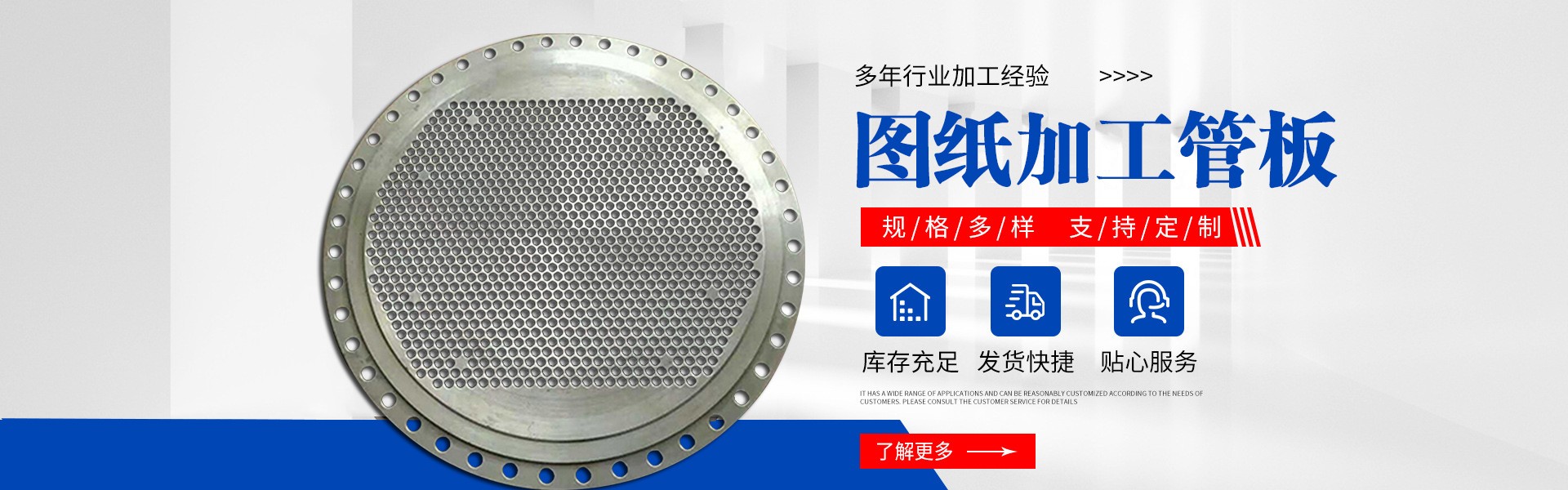

Tubular plates for pressure vessels of categories three and four require higher precision. Traditional hole processing methods include fitter marking and arm drill boring. With the large-scale of chemical containers, the diameter of tubular plates has been increasing, and their thickness is also gradually thickening. The processing of tubular plates has introduced numerical control technology, with CNC drilling machines commonly used for initial hole-making in conjunction with arm drills for the actual hole processing. The use of machining centers for high-efficiency, precision hole processing is increasingly being accepted by some large enterprises. There is a growing demand for heavy, large tubular plates in the fields of nuclear power, seawater desalination, and central air conditioning heat exchangers.
During the detection of the tube plates, the main indicators include hole positioning, hole diameter tolerance, internal surface finish, burrs, and slot positions, etc. For double tube plates, the focus is even more on hole positioning, as the fit between the two plates' hole positions is crucial. Generally, a CNC drilling machine can ensure this. Compared to thick plates, for holes over 300mm, the perpendicularity of the holes becomes very important. These large-diameter thick plates require more precise tools and equipment, and the application of custom gantry machining centers will become increasingly widespread.


