
公司主营:Villas, factories, corporate entities, etc.
13775105965

Product Center
Company Qualification
Zhenjiang Landscape Fish Pond Water Filtration Phone Number | Fish Pond Water Purification and Filtration Project
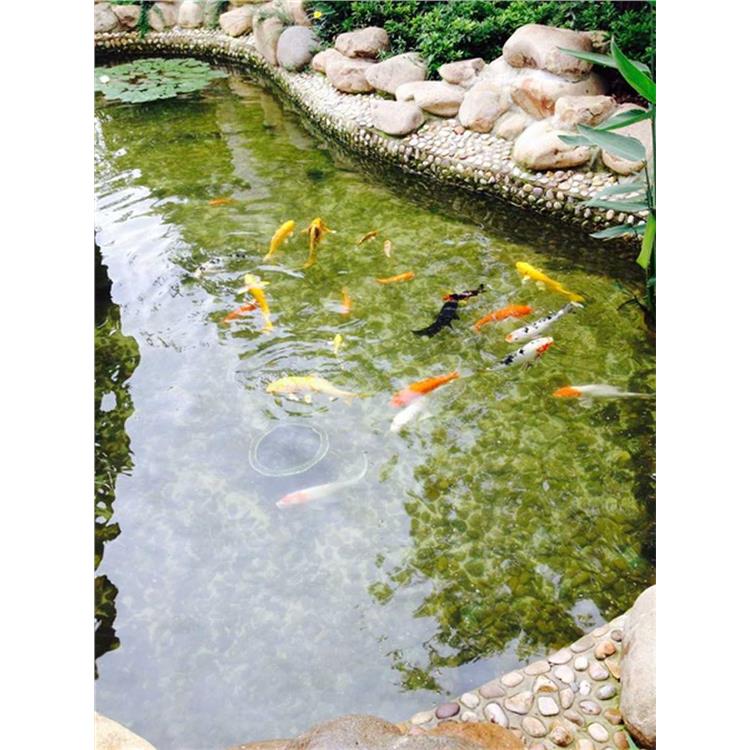
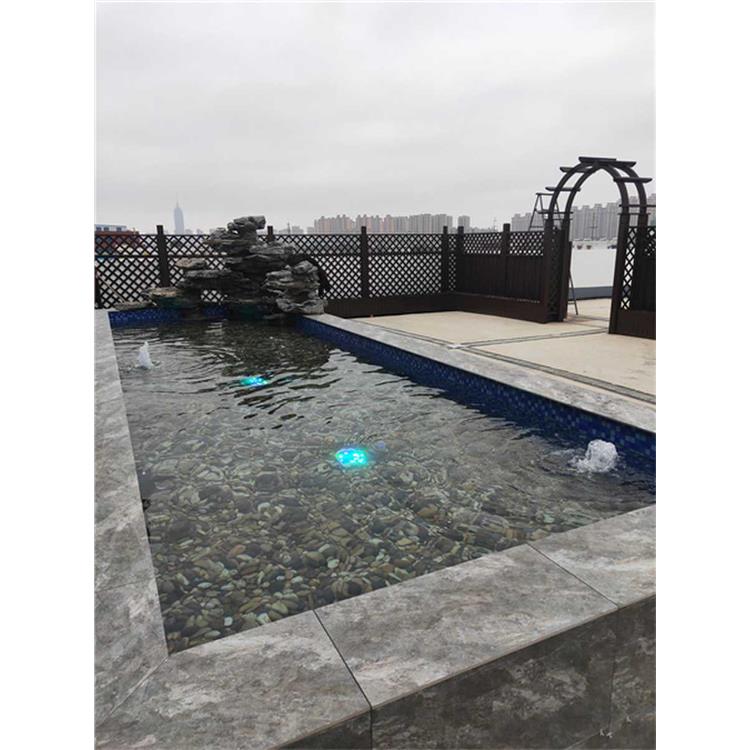
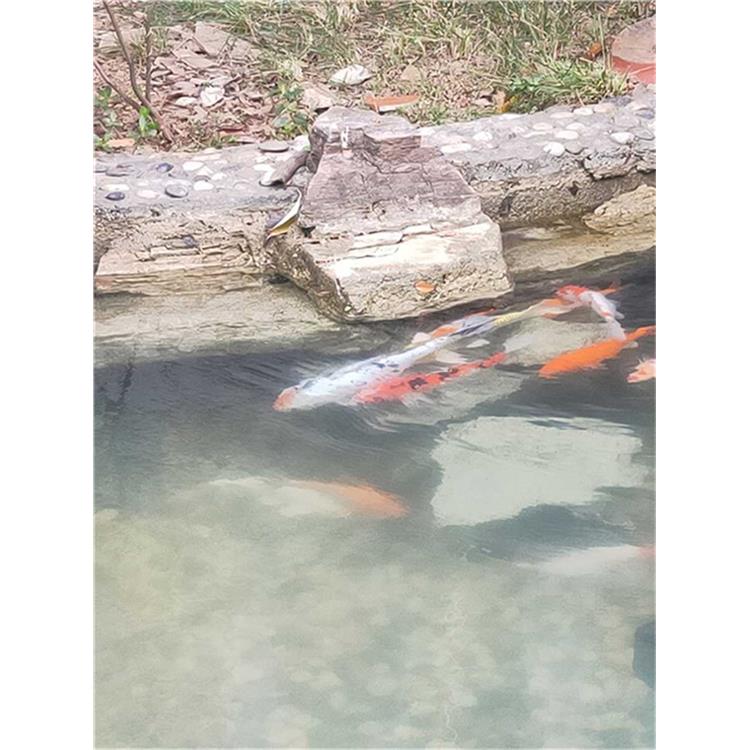
Details Introduction
Changzhou Hongbo Environmental Protection Engineering Co., Ltd. enjoys a high reputation both domestically and internationally, with its products' usage spanning across the entire country. "Unity, innovation, and development" are the essence of our corporate culture. The company is customer-service-oriented, with customer satisfaction as its core goal, and places "technology, service, and integrity" at the forefront. Our "Yu Chi Biological Purification System and Filtration Technology" has become synonymous with high quality, excellent performance, and superior service in the entire water treatment industry; our motto is "treating every drop of water for our customers." We are committed to bringing you the enjoyment of "water that surpasses all, beauty that surpasses all." Yu Chi, treating every drop!
Landscape Water Treatment Methods
1. Characteristics and Issues of Landscape Water Quality
Landscape water pollution often possesses unique characteristics, differing significantly from domestic sewage and pool water, etc. For instance, the common artificial lakes found in landscape waters are mostly completely enclosed, unnatural lakes with extremely low self-purification capabilities. Moreover, due to water source limitations, the primary source of replenishment for artificial lakes is often reclaimed water, which is far from meeting the quality standards required for landscape water. This results in severe overflows of nitrogen, total nitrogen, and total phosphorus, further exacerbating water pollution.
The main pollution sources for typical enclosed, stagnant water lakes can be categorized into the following aspects:
1) Surface runoff from rainwater carrying organic matter and nitrogen-phosphorus nutrients from surrounding surfaces and soil (known in the industry as "non-point source pollution");
2) External organic matter and nitrogen-phosphorus nutrients brought by dust;
3) Organic matter accumulated over time by the lake's own biological communities.
It is anticipated that artificial lakes will face three types of pollution with different characteristics:
1) Eutrophication pollution caused by an excess of nitrogen and phosphorus nutrients, manifested as the lake turning green, with an abundance of cyanobacteria and even algal blooms;
2) Organic pollution caused by an excess of organic pollutants, characterized by turbid water, oxygen depletion, blackening, and an odor;
3) Pollution from excessive particulate matter, such as dust and leaves, leading to impurities in the water, low transparency, and affecting the aesthetic appeal.
Each type of pollution leads to water quality degradation and the direct destruction of landscapes. Therefore, targeted treatment measures must be taken for all three types of pollution to fully protect the water in artificial lakes from damage.
For landscape water treatment, the challenge lies in the large volume of water. Artificial lakes of tens of thousands of cubic meters are common, with urban large parks and landscape waterways containing at least hundreds of thousands, and even millions of cubic meters of water. If the methods used for sewage or pool water treatment are copied, the treatment cost per ton of water is generally over $300, and for 10,000 tons of water, it would require over $3 million. This makes the cost for landscape water treatment high and difficult for users to bear.
Therefore, for landscape water treatment, it is necessary to not only solve the technical challenges but also significantly reduce the cost of treatment. This is a challenging task. It is because of these difficulties that landscape water treatment has become a global issue.
Year-round water change not required, crystal-clear water visible to the bottom!
How to cultivate fish first by nurturing the water
When changing water, leave some of the old water in the fish tank. The water used for the fish should be left in the sunlight for 24 to 72 hours. The new water should be similar in temperature to the old water. Add some salt to the new water to boost the fish's disease resistance. Do not overfeed the goldfish; uneaten food can spoil and cause illness in the fish, as well as degrade water quality. Method for changing the water of goldfish.
Goldfish Feed Selection and Feeding Techniques
Goldfish are omnivorous, with low feed requirements. In addition to artificial feed, various foods such as red worms, earthworms, small shrimps, egg yolks, noodles, rice grains, and bread can all be used as feed. Just be mindful not to contaminate the water quality. It's preferable to feed with animal-based feed, and feeding should be scientific, ensuring one protection and three determinations.
(1) Quality Assurance: The feed provided is guaranteed fresh and nutritionally balanced. Spoiled feed is not to be used. Feed can be disinfected, washed clean with fresh water, and then fed.
(Two) Feeding Schedule: Feed the goldfish once or twice daily at a fixed time each day. Do not alter the feeding time. Generally, feeding can be done during the warmer midday in spring, and in the cooler morning and evening in summer.
(3) Quantitative Feeding: Goldfish are gluttonous, so feed them to 80% of their fullness each time. When keeping fish outdoors, reduce or avoid feeding on cloudy days.
(4) Positioning: Each feeding should be done at a fixed location, with the specific choice determined by the environment.
杨年宏 (Mr.)
13775105965
13775105965
564825901@qq.com
18 Huashan Road
b2b.china9.net © Zhongshang 114 Hebei Network Technology Co., Ltd.Address: Room 6009, Oriental New World Center, No.118 East Zhongshan Road, Qiaoxi District, Shijiazhuang City, Hebei ProvincePlatform Service Hotline: 4006299930
