


- AllProduct Category
-
Galvanized Square Pipe
Galvanized Round Tube
Galvanized Channel Beam
Spiral Welded Steel Pipe
Galvanized Patterned Sheet


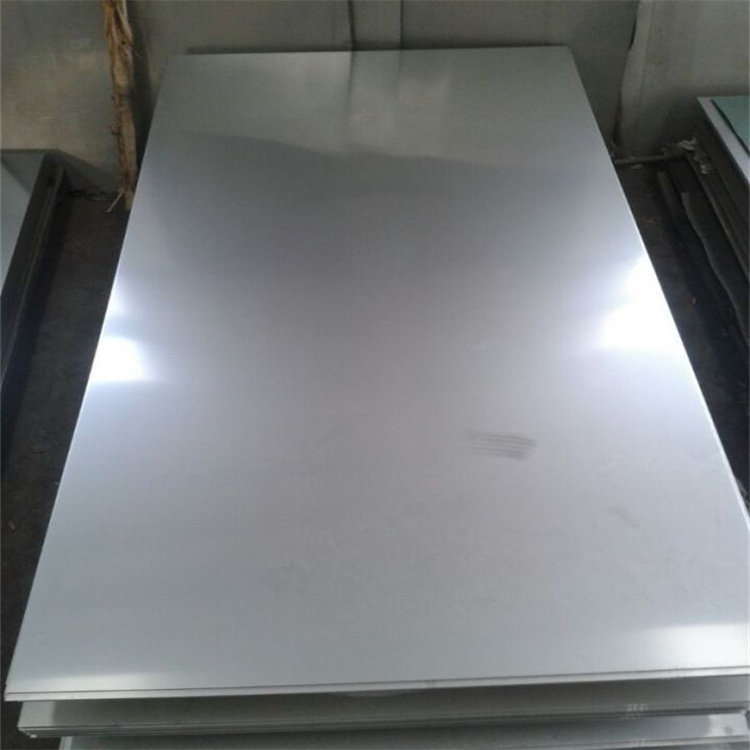
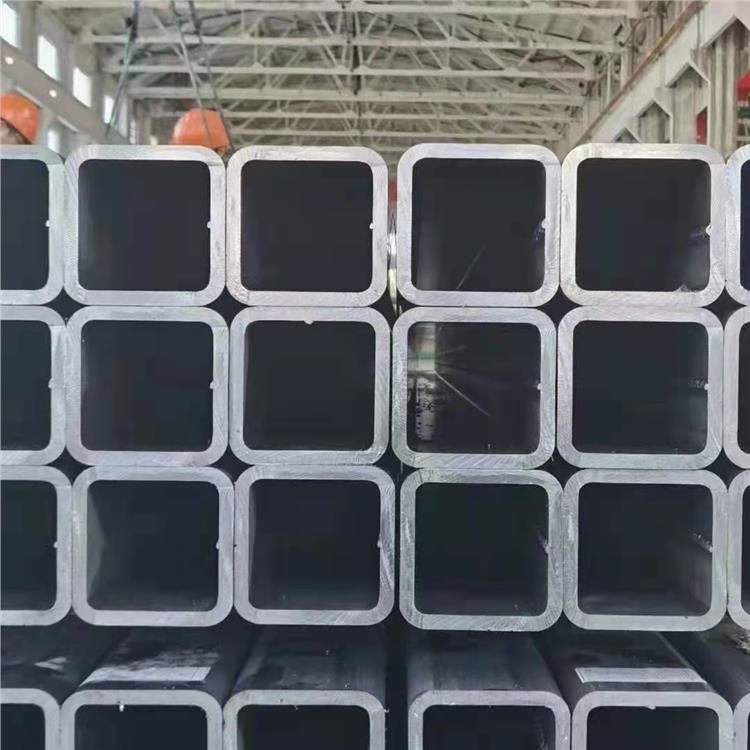
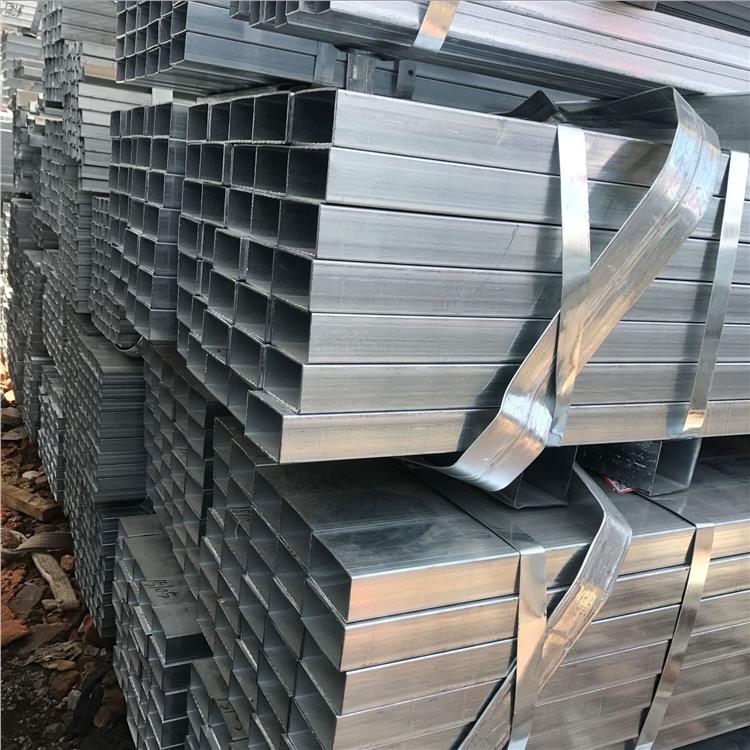
详情描述
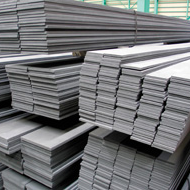
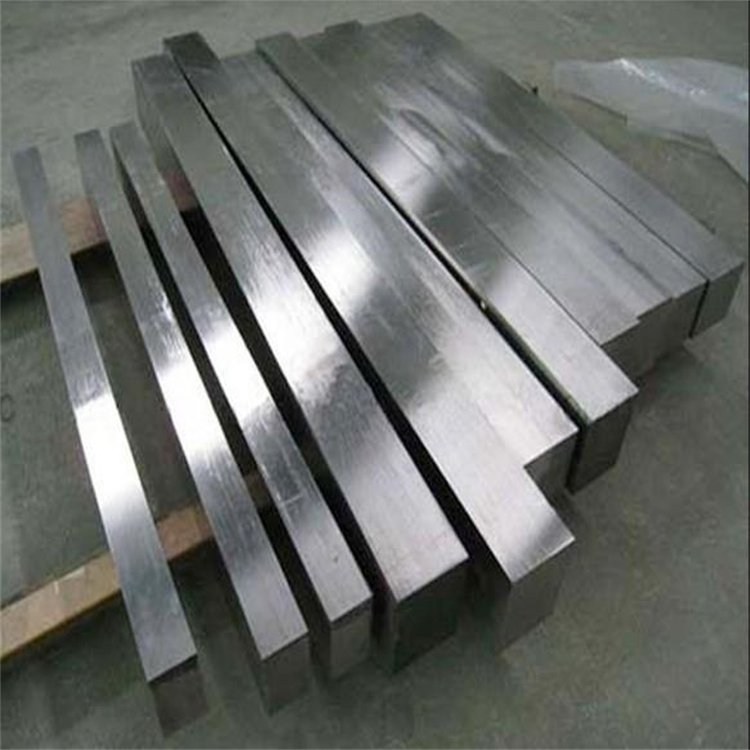
Stainless steel flat steel can be assembled into various load-bearing components according to different structural requirements, and can also serve as connecting elements between components. It is widely used in various architectural and engineering structures such as beams, bridges, transmission towers, lifting and conveying machinery, ships, industrial furnaces, reaction towers, container racks, and warehouse shelves; Stainless steel flat steel refers to steel with a width of 12-300mm, thickness of 3-60mm, and a rectangular cross-section with slightly rounded edges; Stainless steel flat steel can be used to make steel products, as well as billets for welding pipes and thin plate billets for tandem rolling; It can be used as finished material for making hoops, fasteners, and mechanical parts, and as structural components for building frames and staircases.

Stainless steel flats are divided into cold drawn polished flats and hot rolled pickled and shot blasted flats. Stainless steel flats are rectangular steel bars with slightly rounded edges. They can be semi-finished steel products and are used to form various structural components based on different structural requirements. They also serve as connectors between components, widely applied in various architectural and engineering structures such as beams, bridges, transmission towers, lifting and transporting machinery, ships, industrial furnaces, reaction towers, container racks, and warehouse shelves.

Advantages of Stainless Steel Flat Bar:
1. Stainless steel flat steel, with fast forming speed, high yield, and no damage to the coating, available in various cross-sectional shapes to meet the requirements of different conditions.
2. The cold rolling process allows for significant shaping deformation of stainless steel flats, thereby increasing the yield point of the stainless steel flats.
3. Stainless steel flat steel reduces waste generation.

Stainless steel flat steel can be used in many fields, and there are also some precautions to take during use:
1. Welding: Similar to common stainless steel, stainless steel flats can be welded using various methods, with the most common being manual arc welding or gas shielded welding. The welding rod or wire metal has a high purity, with Mo content exceeding that of the base material. Preheating is generally not required before welding, but in cold-weather operations, to prevent condensation of steam, the joint or adjacent area can be uniformly heated. Note that the temperature should not exceed 100℃ to avoid carbon accumulation and intergranular corrosion. During welding, use a process with low energy, good connectivity, and fast welding speed. Post-weld heat treatment is usually unnecessary. If required, heat it to 1,100℃ and then rapidly cool it after reaching 1,150℃.
2. Processing: The processing characteristics of stainless steel flat steel are similar to those of other austenitic stainless steels, exhibiting tendencies towards adhesion and work hardening during processing. Opt for positive rake tungsten carbide tools, and use sulfurized and chlorinated oils as cutting and cooling agents to reduce work hardening in equipment and processes. Prevent slow cutting speed and slow feed rate during the cutting process.


