






详情描述
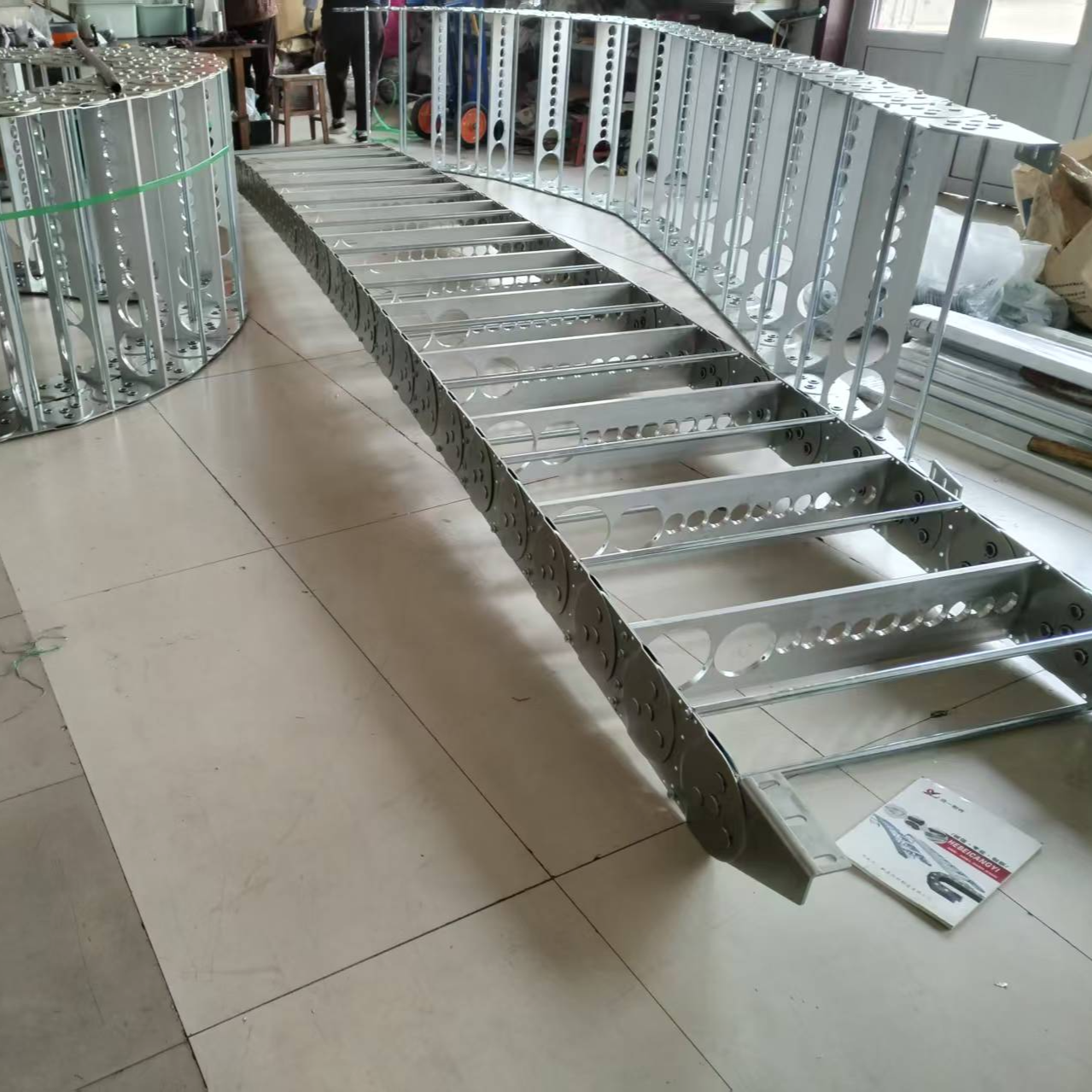
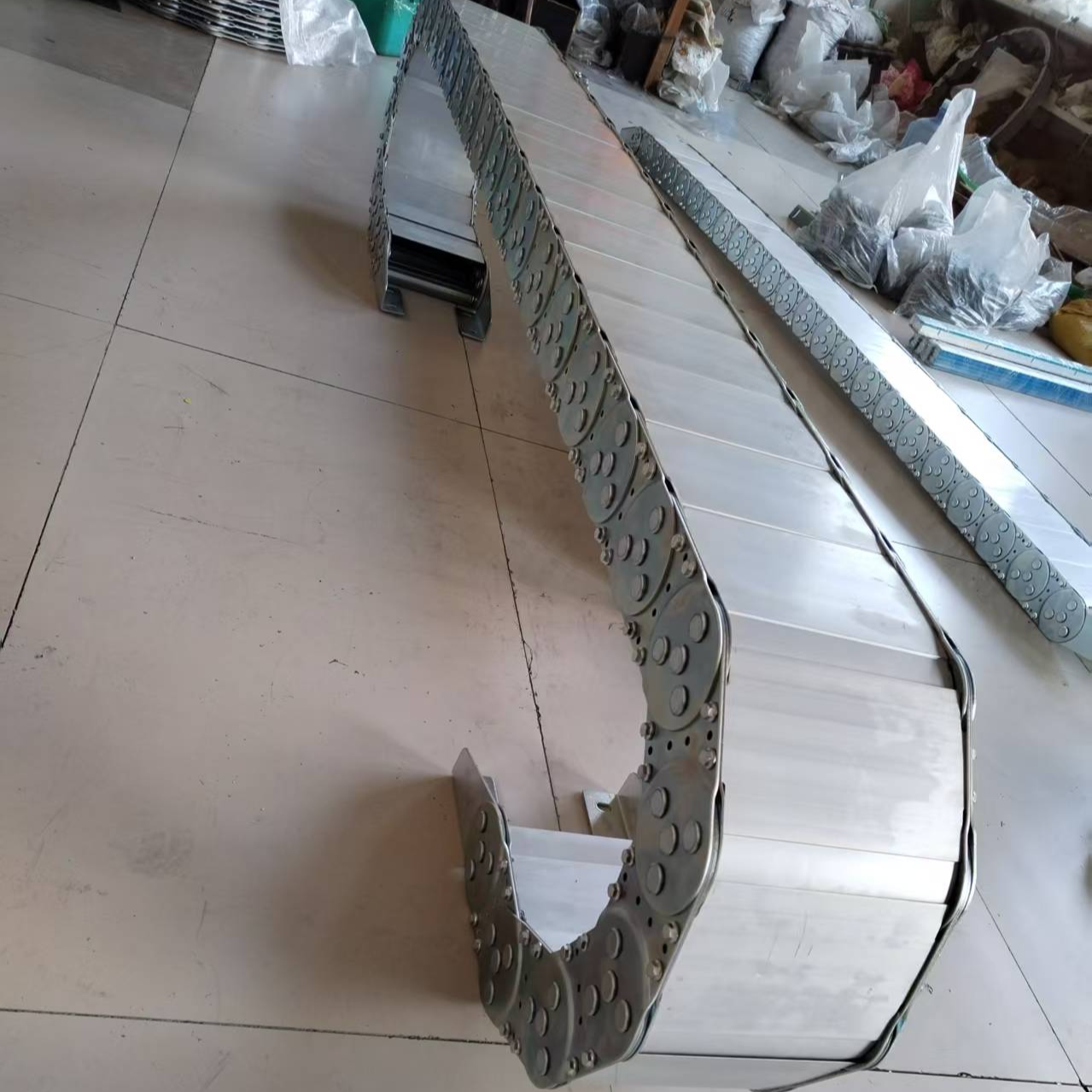
The calculation of the bending radius for steel conduit depends on two factors: typically, the largest diameter or thickness and the hardest cable determine the maximum allowable minimum bending radius; the available installation space determines the permissible bending radius (in cases where the steel conduit installation space is limited); the calculation method for bending radius: Cable: The bending radius for domestic cables is about 8 to 10 times their maximum outer diameter; for imported cables, it's about 6 times their maximum outer diameter; Oil Tube: The bending radius for oil tubes is about 12 times their maximum outer diameter; Water and Air Pipes: The bending radius for water and air pipes is about 10 to 12 times their maximum outer diameter; Actual Installation Height HL: Bending Radius R ≤ (HL - H) / 2, where H is the external height dimension of the steel conduit.
How to Determine the Internal Dimensions of Steel Conveyors
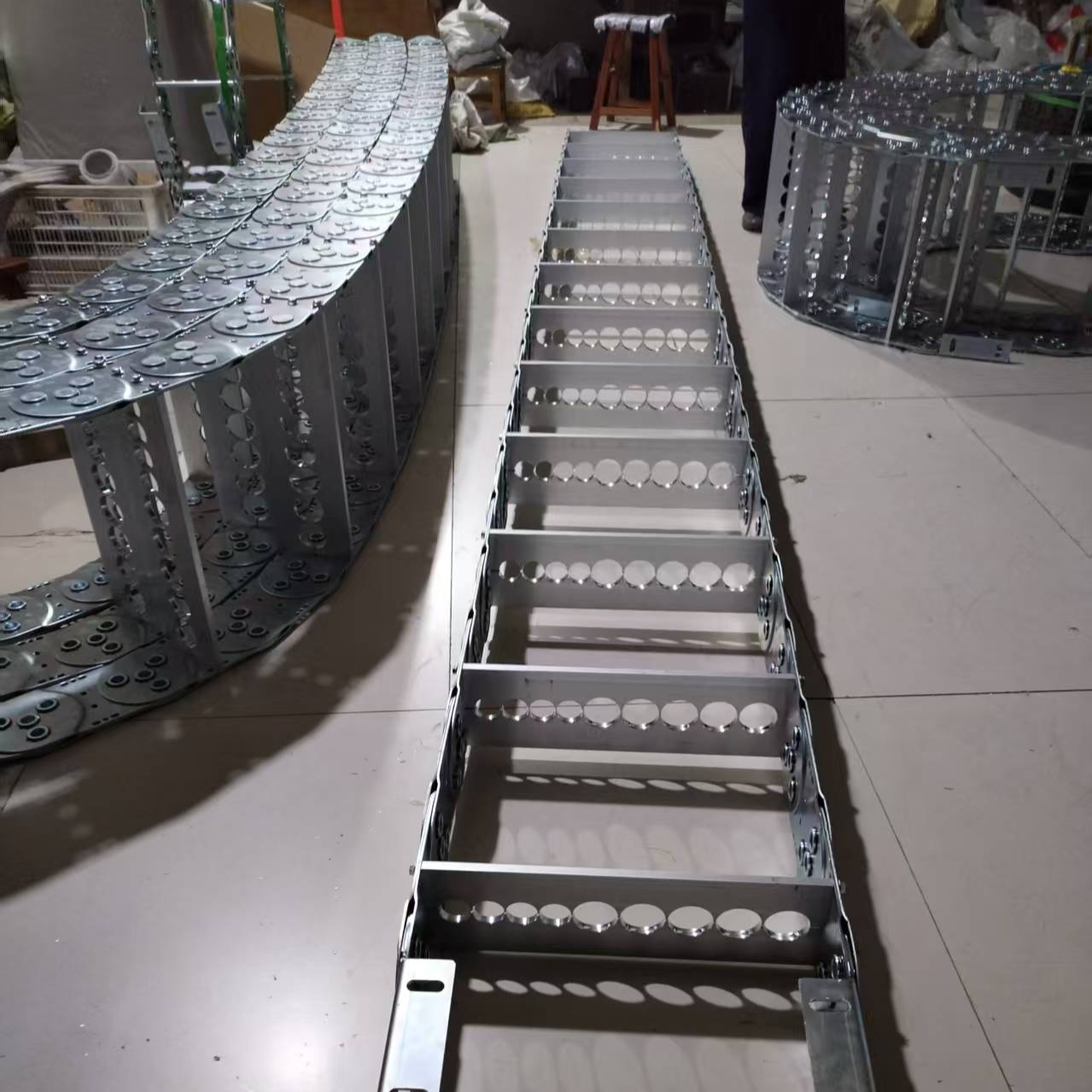
The quantity, type, and diameter of cables, air hoses, hydraulic hoses, etc., determine the internal dimensions and distribution of steel chain conveyors.
Firstly, ensure the internal distribution of the chain within the load is both reasonable and even: including even weight distribution and reasonable spatial distribution.
If it's a single load and only one, sufficient space is enough.
It's best to separate different loads like hydraulic pipes, water pipes, air pipes, oil pipes, and cables with vertical partitions.
If there are a large number of the same type of load with significant diameter differences, it's also best to separate them with vertical partitions.
If there are multiple layers, a cross partition can be used to separate in the height direction.
Secondly, ensure that the load can move freely within the cable conduit, preventing the occurrence of entanglement during arrangement.
Then, based on the load arrangement, calculate the internal height and width: Typically, the internal width and height of the steel conduit chosen are 1.5 times the maximum height and width of the load arrangement.
Finally, decide whether to choose a fully enclosed steel chain conveyor based on the usage environment of the steel chain conveyor (generally, in environments with larger dust particles or more severe conditions, to better protect the load, a fully enclosed type of conveyor can be selected).


