
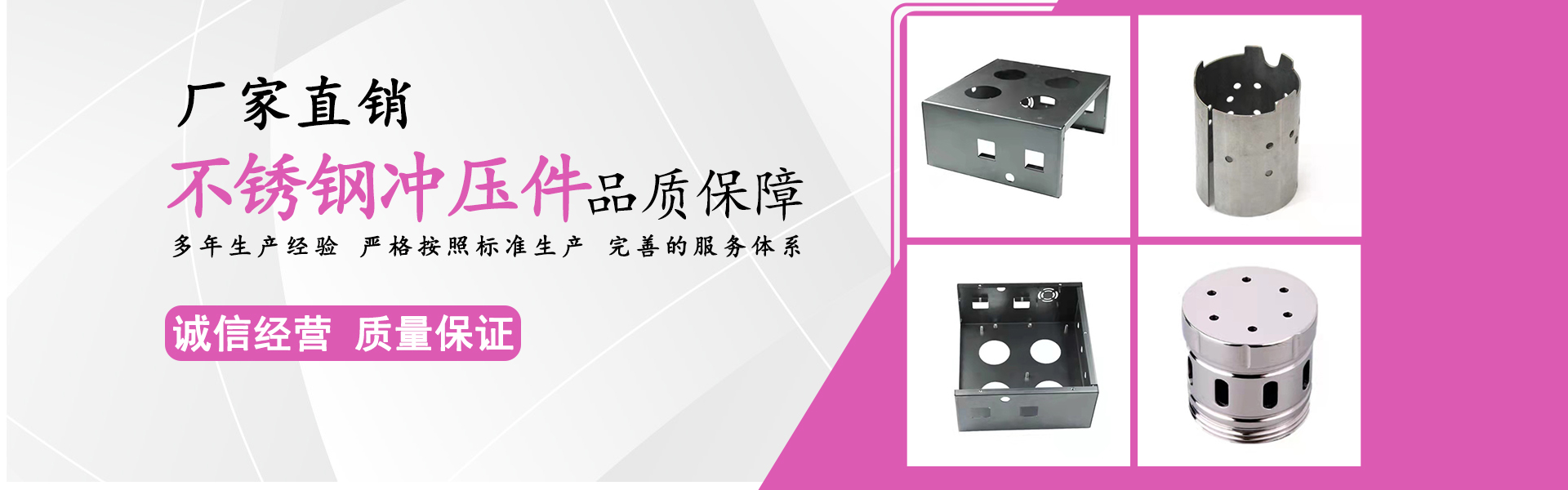
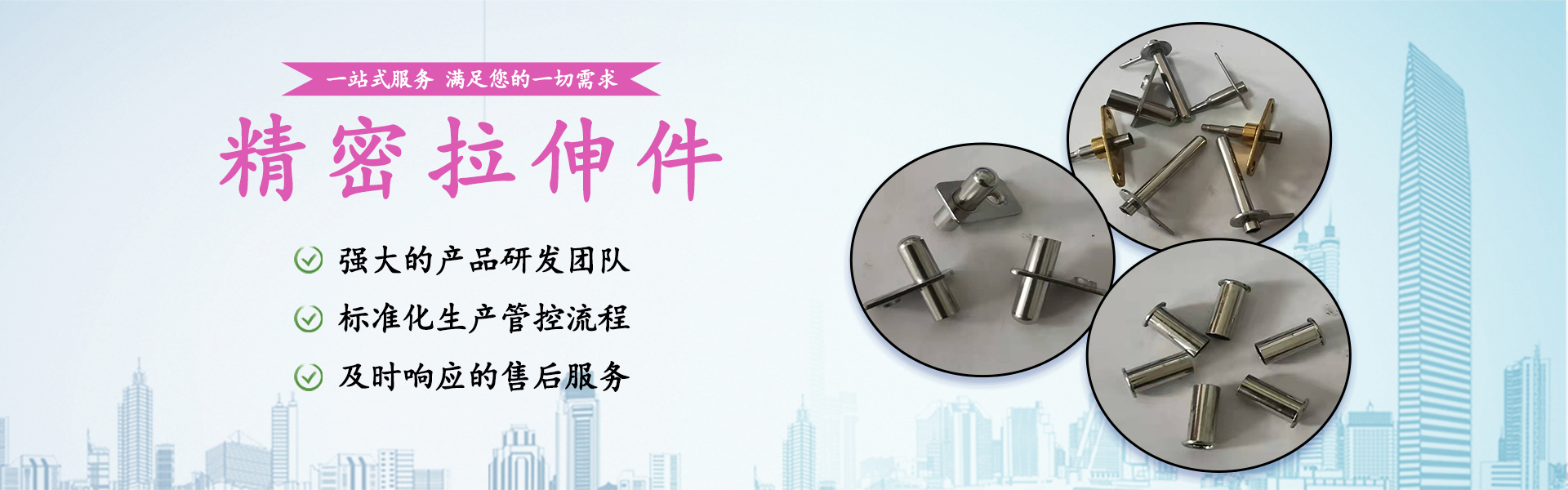

Before designing molds for metal stamping parts, we need to gather some data first: the material of the metal stamping parts, such as the thickness of the workpiece, material type, material width, surface treatment requirements, and burr direction. Information about the mold design includes: whether it is for mass production, the mold type, material feeding direction, and guiding method. Mold material and cutting edge material. Mold frame type, dimensions, mold handle size, press machine, dimension markings, drawings, and processing equipment, etc. Only after mastering these data can we conveniently proceed with the mold design work.
When designing molds for metal stamping parts, we strive to select mature or standard mold structures, ensuring they have sufficient rigidity to meet life and precision requirements. The design should be as simple and practical as possible, with reasonable cost-effectiveness. It should facilitate material feeding, easy operation, and smooth ejection of the workpieces. The positioning between mold components must be accurate and reliable, with secure connections. It should also facilitate the processing of mold components. The mold structure should be compatible with existing stamping equipment. The mold should be easy to install, with easy replacement of wearing parts.
When designing the structure of die molds for metal stamping parts, a systematic approach should be adopted. Determine the structure and component solutions of the continuous mold within the comprehensive system that encompasses stamping and mold manufacturing. Emphasis should be placed on the role of practical experience. It is essential to align with reality and establish a feasible mold solution, while also considering the existing mold manufacturing and stamping production conditions.
The complex structure of the continuous mold poses significant design challenges, high manufacturing costs, and a lengthy production cycle. Therefore, the design process should adhere to a spirit of science, rigor, and realism, with careful analysis and detailed planning to ensure rational design, ease of manufacturing, and fulfillment of usage requirements.
