
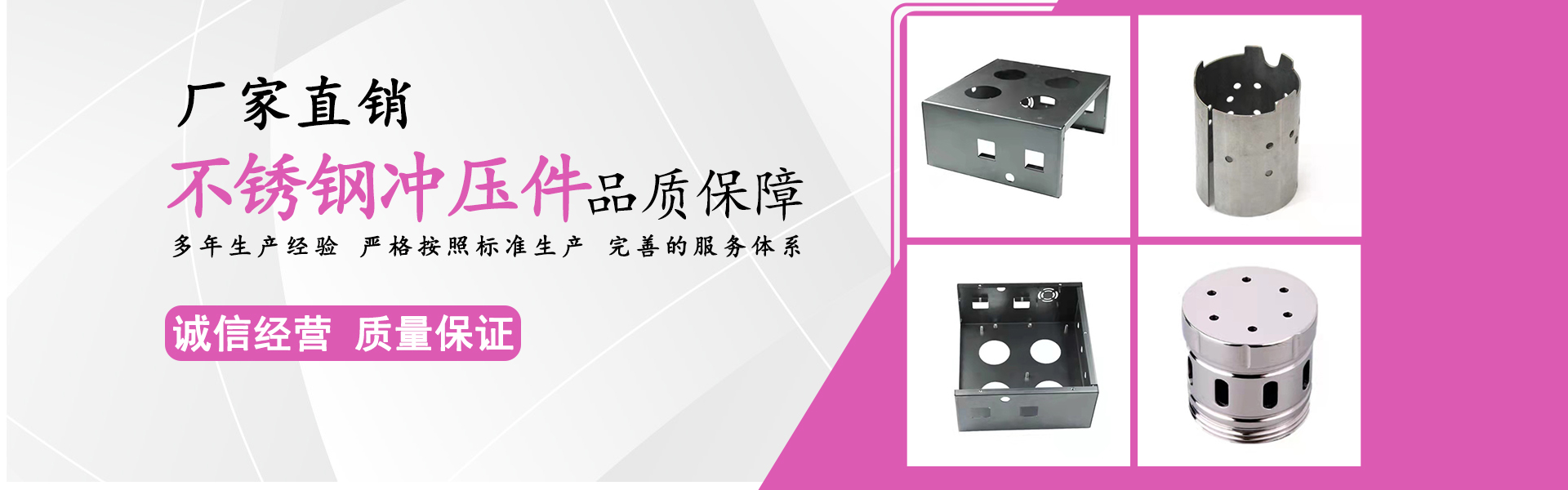
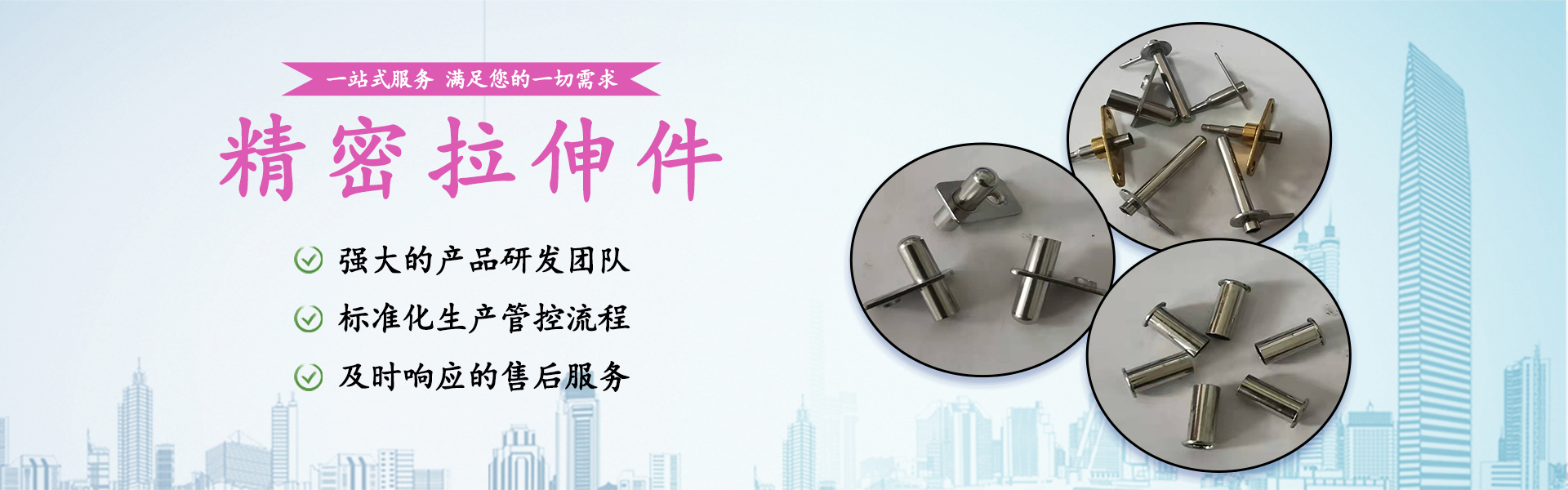

Stamping parts feature thinness, evenness, lightness, and strength. Stamping can produce workpieces with reinforced ribs, ridges, or flanges that are difficult to manufacture using other methods, thereby enhancing their rigidity. Here are methods to reduce the concave and convex issues in stamping parts:
1. Regular Inspection and Correction of Drawing Dies: Regular maintenance checks are essential for drawing dies to minimize the formation of convexities and maintain stability. The usual practice is to inspect samples for edge-gripping adhesion scratches and the condition of the machining surface.
2. Regular Inspection and Correction of Shear Modulus: The fundamental cause of irregularities after the shearing process is the formation of iron powder during shearing. Therefore, it is necessary to inspect the iron powder before stamping to prevent the occurrence of irregularities.
3. Appropriate Robot Arm Speed: For semi-automatic drawing die production, when the drawing punch is in the lower die position and the robot arm speed is high, burrs may fall onto the punch upper surface, causing unevenness. To avoid this issue, conduct a trial run of the workpiece discharge before production, and properly set the robot arm speed and discharge angle to ensure it does not come into contact with the workpiece or lower die.
4. Inspecting the Cut Section: During the cutting of coil material, damage to the cutting die can result in numerous tiny iron particles adhering to the blade edge. Therefore, it is necessary to inspect the double cut section in the material area or on the stamping line before the stamping production process, to promptly clean the sheet material and remove burrs.
5. Inspection of the material cleaning device: It is necessary to regularly check and adjust the cleaning setup before the stamping production process to ensure more effective cleaning of the material. This is also highly required, and attention should be paid to the roller gap and the quality of the cleaning oil.
