


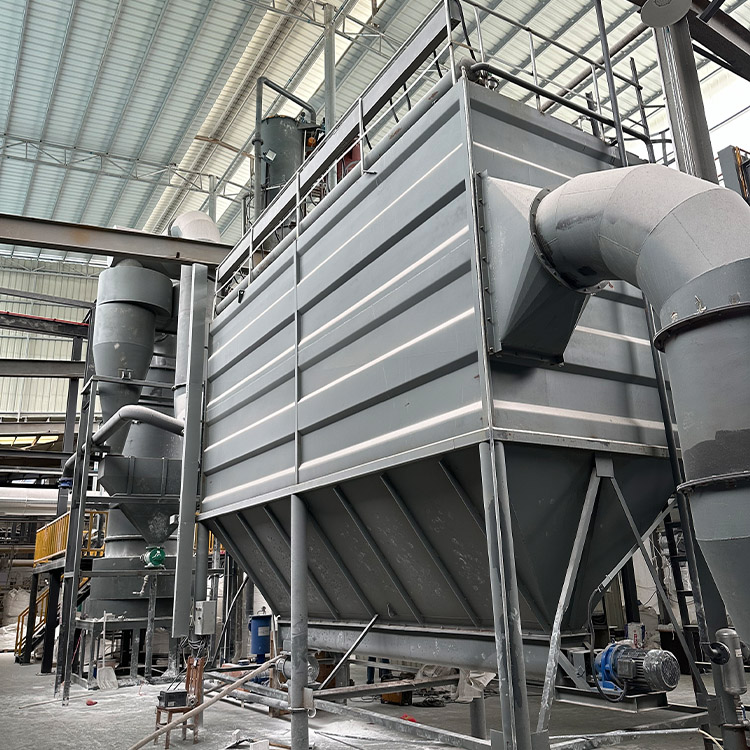
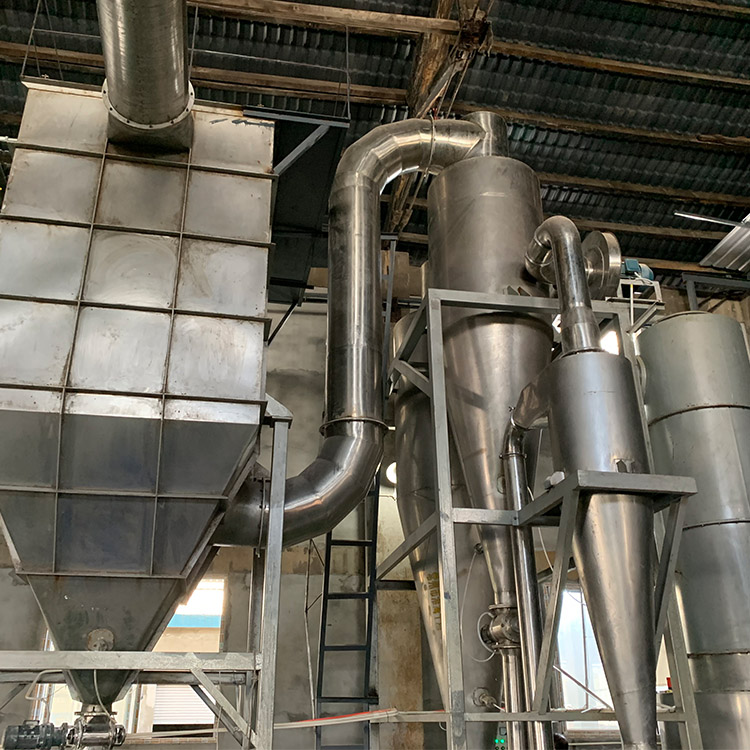
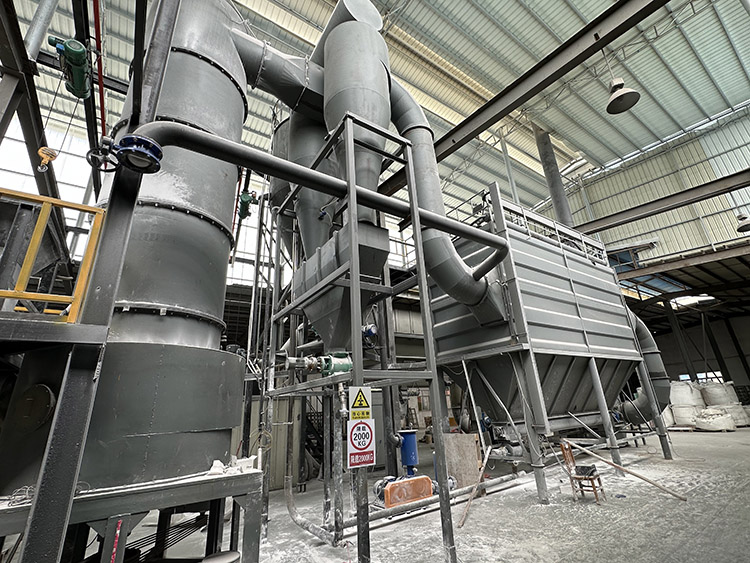
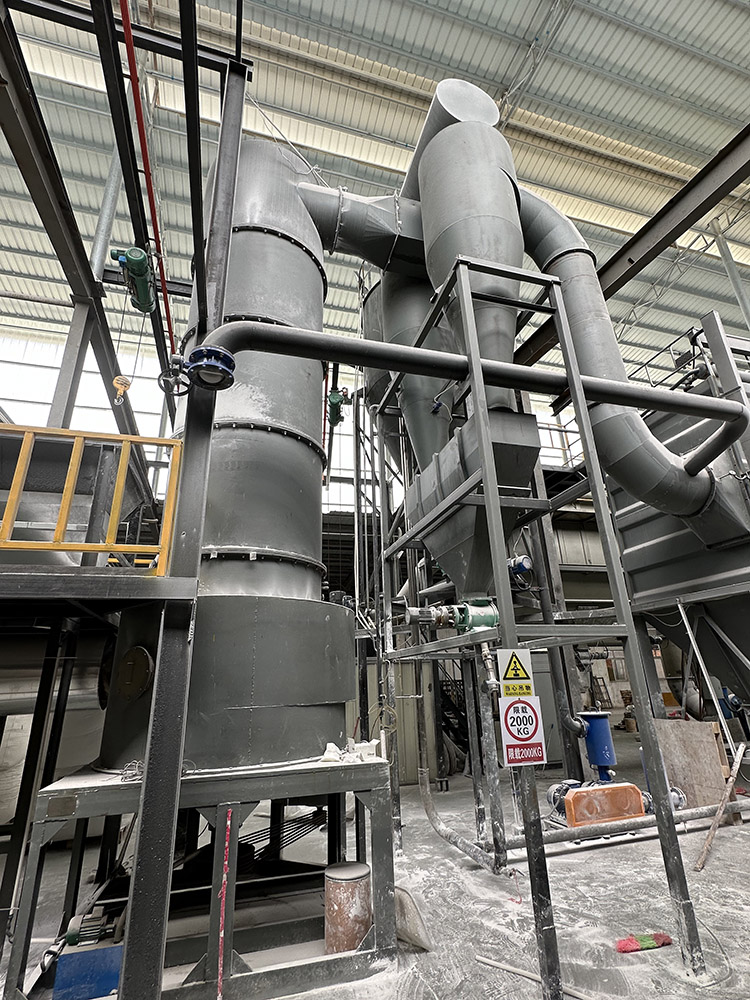
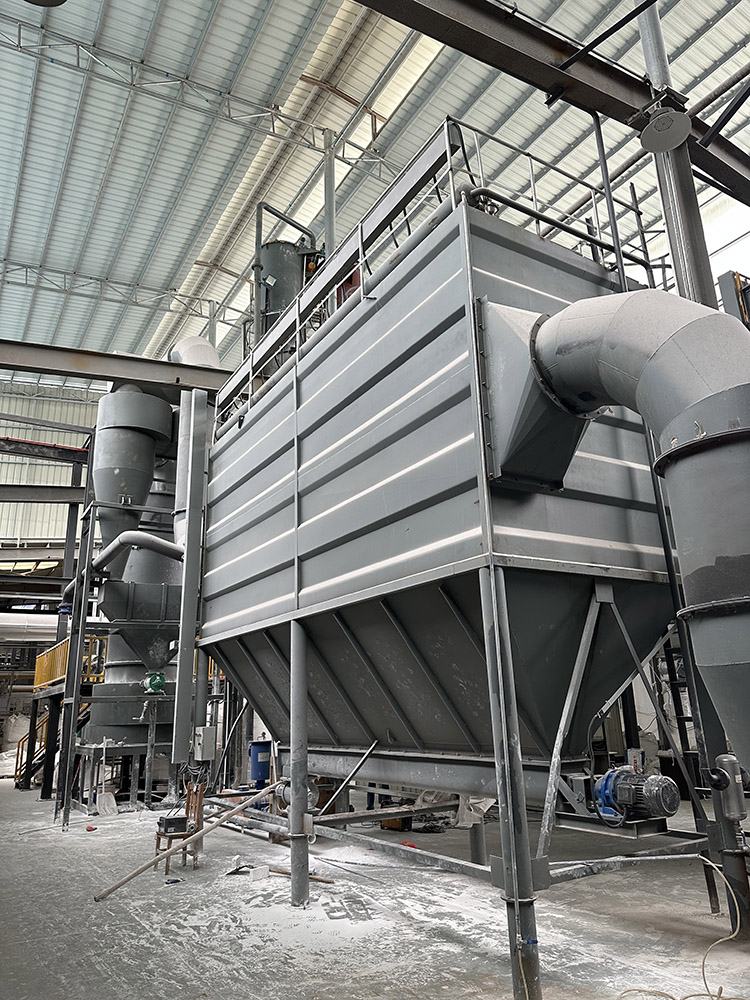
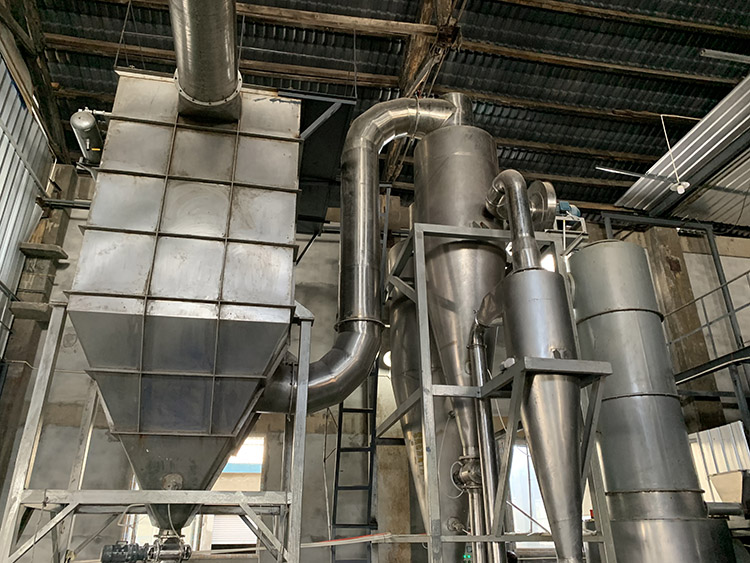
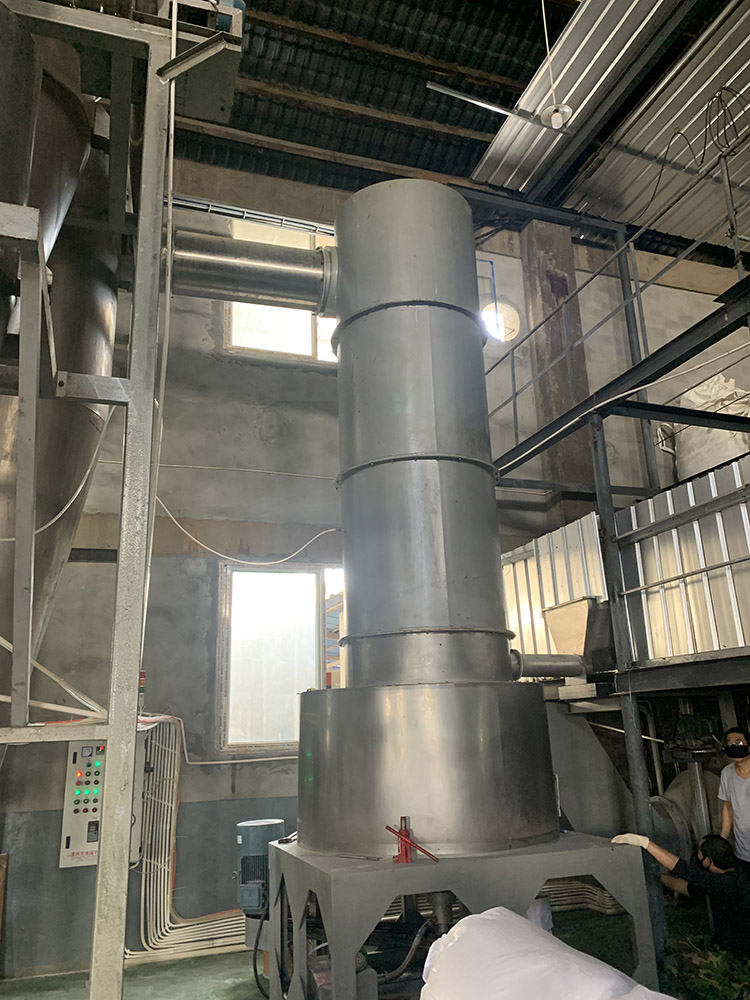
Flash dryer is a device utilizing an air flow drying system, featuring a non-torsional destructive structure. It organically combines techniques such as fluidization, swirling, jetting, destruction, and grading, primarily used for drying the moisture out of materials.
Moist materials enter the drying air stream through the drying duct of a flash dryer and are dried within seconds. This drying equipment is widely used in many industrial fields and is an efficient and versatile drying solution.
Flash Dryers, as a typical representative of fluidized bed drying, achieve continuous operation of dynamic drying, solving issues such as low thermal efficiency, high labor intensity, and severe pollution in traditional drying methods. This ensures the unity of benefit, quality, and efficiency during the drying process of chemical products.
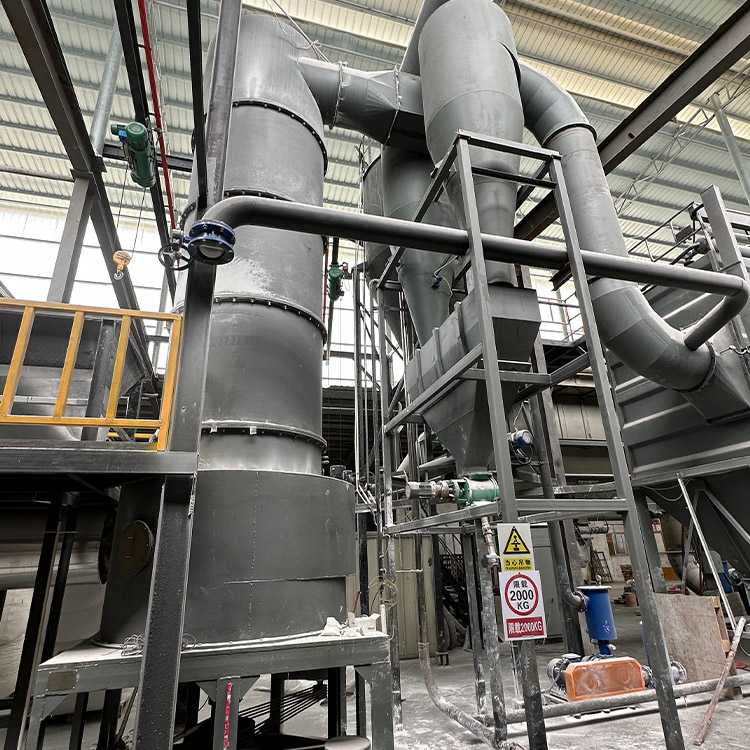
The flash drying machine is generally a cuboid-shaped drying chamber, consisting of a bottom crushing fluidized bed section, an external drying section, and a top grading section, capable of simultaneously completing operations such as material crushing, drying, and grading. In addition, the flash drying machine includes components such as a heater, feeder, mixing and breaking system, separator, drying from pipe, cyclone separator, bag dust collector, and fan.
Heated air enters the mixing and destruction drying chamber at an appropriate spray speed through the inlet of the flash steam dryer, spiraling upwards while the material is added quantitatively to the tower by the feeder, undergoing a thorough heat exchange with the hot air. Under the actions of blowing and twisting, the material undergoes centrifugal force, shearing, collision, and friction, becoming micronized and enhancing heat and mass transfer.
At the bottom of the flash drying equipment, larger, wetter granule clusters are mechanically broken under the action of the agitator. Granules with lower moisture content and smaller particle sizes are carried up by the air stream, further dried and refined during their ascent. The dried finished products are discharged through a cyclone separator, while the dusty exhaust gas is collected by a bag filter before being released into the atmosphere.
