
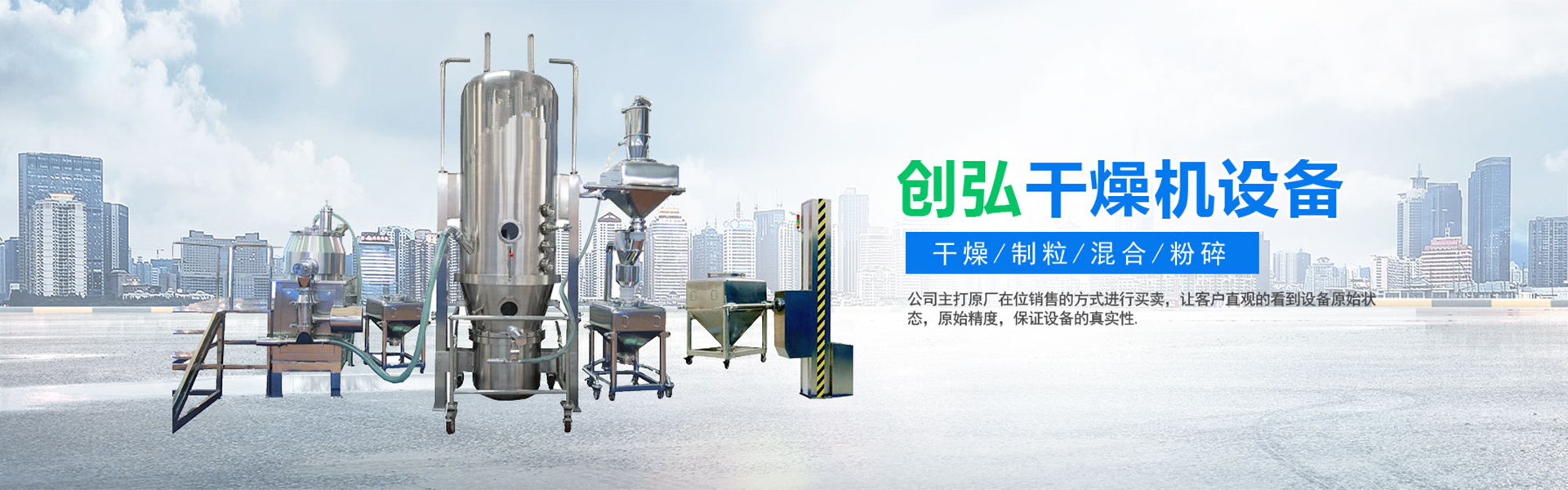
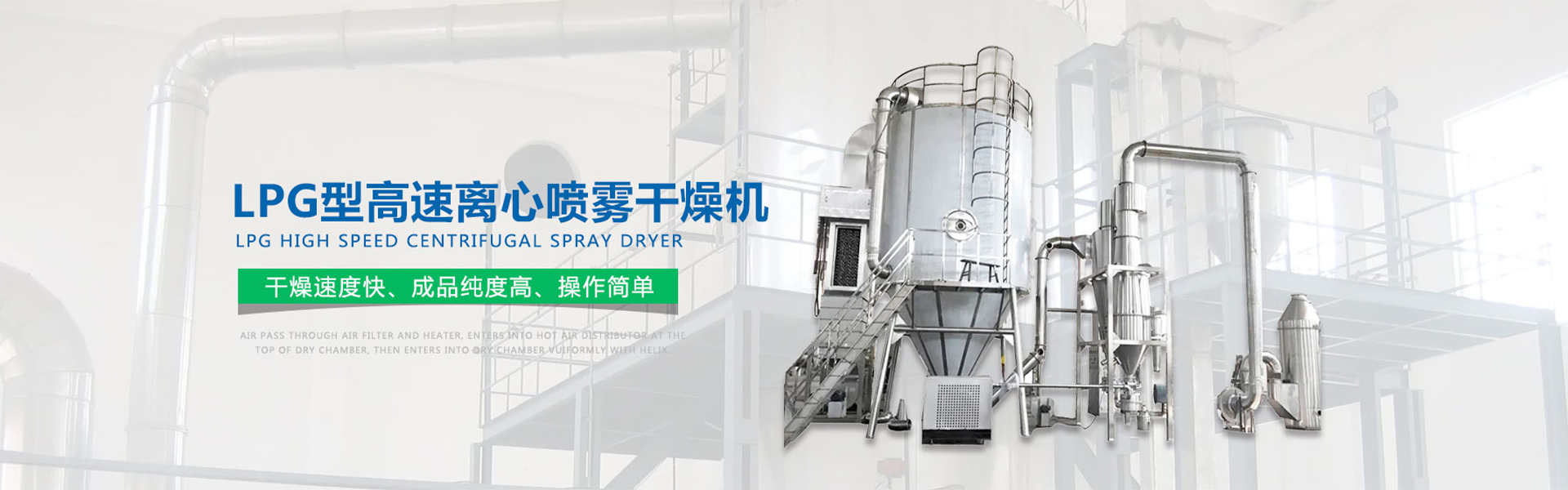
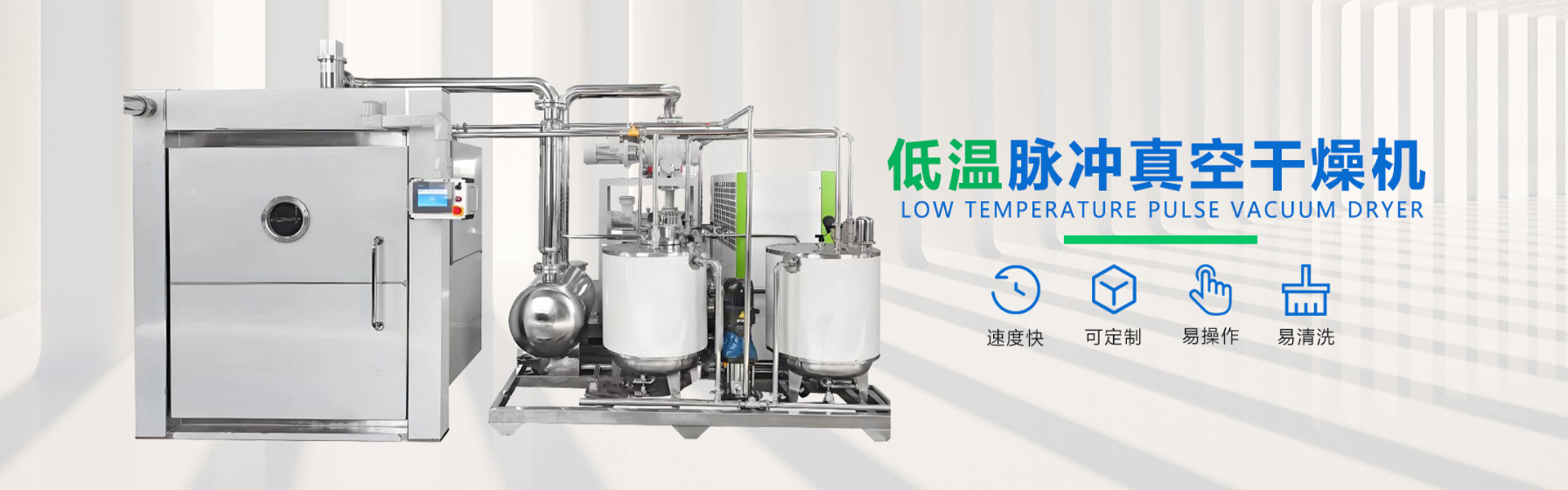
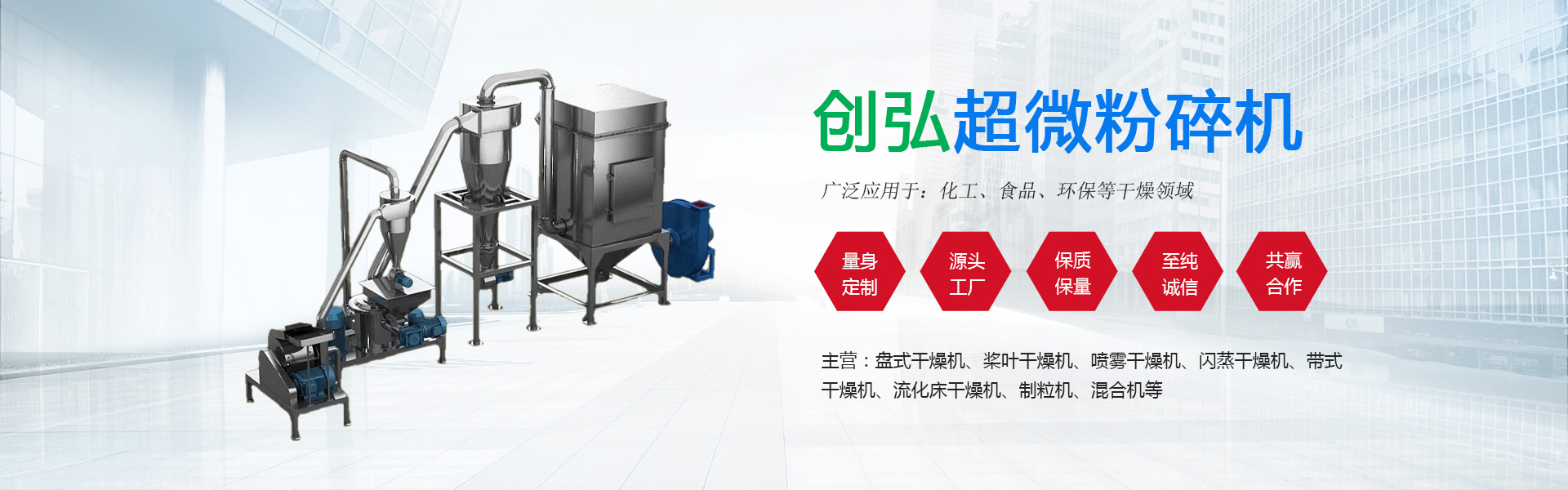

Drying equipment, also known as dryers and dehydrators, is used for drying operations. It heats the material to vaporize and remove moisture (usually water or other volatile liquid components), resulting in solid material with a specified moisture content. The purpose of drying is to meet the needs for material use or further processing. For example, drying wood before making wooden molds or furniture prevents deformation of the finished products, and drying ceramic blanks before firing prevents cracking of the final products. Additionally, dried materials are easier to transport and store, such as drying harvested grains to a certain moisture content below to prevent spoilage. As natural drying is far from meeting the needs of production development, various mechanical dryers are increasingly widely used.
Drying equipment comes in various types, which can be categorized based on factors such as operating pressure, operation methods, heat transfer principles, heating methods, and construction. By operating pressure, they can be divided into atmospheric and vacuum types; by operation methods, they can be classified as intermittent and continuous processes; by heat transfer principles, they include conduction heating, convection heating, radiant heat transfer, and high-frequency heating; by heating methods, they can be categorized as direct and indirect heating; and by construction, they range from spray dryers, fluidized bed dryers, air stream dryers, paddle dryers, cabinet dryers, to rotary flash dryers.
Working Principle
The drying process requires a significant amount of energy. To conserve energy, materials with high moisture content, suspensions or solutions containing solid particles, are typically pre-treated with mechanical dewatering or heat evaporation before being dried in a dryer to obtain dry solids.
During the drying process, simultaneous transfer of heat and mass (moisture content) must be achieved to ensure that the vapor pressure (concentration) of moisture on the material surface is higher than that in the external space, and that the temperature of the heat source is higher than the temperature of the material.
Heat is transferred to the wet material from a high-temperature heat source in various ways, causing the moisture on the material surface to vaporize and dissipate into the external space, thereby creating a difference in moisture content between the surface and the interior. The internal moisture diffuses to the surface and vaporizes, continuously reducing the moisture content of the material and gradually completing the overall drying process.
The drying rate of materials depends on the surface evaporation rate and the internal moisture diffusion rate. Typically, during the initial stage of drying, the drying rate is controlled by the surface evaporation rate; thereafter, as long as the external drying conditions remain unchanged, the drying rate and surface temperature of the material remain stable, a phase known as the constant rate drying stage. When the moisture content of the material decreases to a certain level, the rate of internal moisture diffusion to the surface decreases and is less than the surface evaporation rate, at which point the drying rate is primarily determined by the internal diffusion rate and continuously decreases with the reduction in moisture content, a phase known as the decreasing rate drying stage. Furthermore, technological advancements are expected to reverse the export situation of domestic drying equipment. China's drying equipment has not yet reached an export scale, with exports accounting for less than 5% of the total. They are mainly sold to Southeast Asia. However, predictions indicate that in the coming years, the proportion of China's exported drying equipment to its total production will increase from 5% to 10%, and the export market will expand from Southeast Asia to Europe and the United States. This is expected to improve the significant gap between domestic large-scale drying equipment manufacturing and international standards.
