




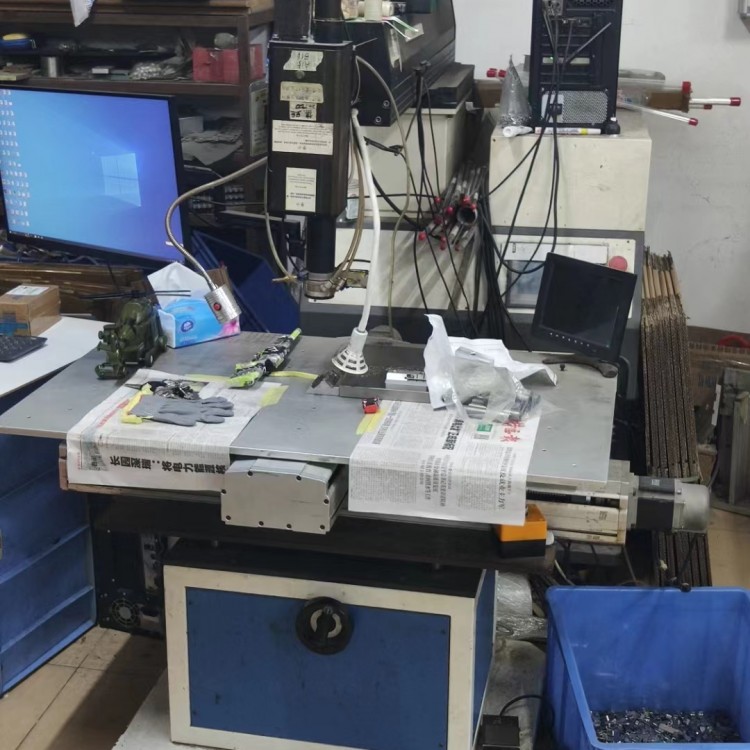
详情描述
Laser welding of crimped terminals is a high-precision processing method that utilizes laser beams to weld metal materials. Its main process flow and characteristics are as follows:
Process Flow
1. **Prepare Parts**: Prepare the wiring terminals and cables to be welded according to design specifications. Ensure the surfaces are clean, free of oxidation or dirt.
2. **Industrial Design**: Design appropriate fixtures to ensure that the positions of the wire terminals and cables are securely fixed and correctly aligned during the welding process.
3. **Laser Welding**
- **Set Laser Parameters**: Select appropriate laser power, welding speed, and focal length based on the welding material, thickness, and type.
- **Welding Operation**: Activate the laser welding equipment, focusing the laser beam on the welding point, instantly heating and melting the contacting surfaces to form a strong weld.
4. **Cooling and Inspection**: After welding is complete, allow the weld seam to cool naturally while inspecting the welding quality, including the appearance and strength of the seam.
### Features
High Precision: Laser welding achieves high precision and strength, suitable for connecting small components.
- **Small Heat Affected Zone**: Laser welding has a smaller heat affected area, reducing thermal damage to surrounding materials.
- **Versatile**: Suitable for welding on various materials (such as copper, aluminum, stainless steel, etc.) and complex shapes.
- **Fast Welding Speed**: Laser welding is faster than traditional welding methods, enhancing production efficiency.
### Application Fields
Laser-welded terminal splices are widely used in industries such as electronics, electrical, and automotive, particularly in applications requiring high reliability and precision connections.
The laser welding process for copper terminals exhibits several notable features:
1. **High Precision**: Laser welding achieves fine welding, suitable for small and complex copper terminals, meeting high precision requirements.
2. **Small Heat Affected Zone (HAZ)**: During the laser welding process, heat is concentrated at the welding point, resulting in a relatively small heat affected zone, thereby reducing thermal damage and deformation to the surrounding materials.
3. **Fast Welding Speed**: Laser welding offers rapid welding speeds, enhancing production efficiency and is suitable for mass production.
4. **Contactless Welding**: Laser welding is performed through a beam, without mechanical contact, thus reducing physical wear on the material during the welding process.
5. **High Weld Quality**: Laser welding achieves high-strength and quantitative weld joints, resulting in a smooth surface post-weld, typically requiring no further processing.
6. **Wide Applicability**: Laser welding is not only suitable for copper terminals but also for welding other metal materials such as aluminum and nickel, boasting its versatility.
7. **High Flexibility**: Laser welding equipment can be adjusted to meet specific needs, accommodating different shapes and thicknesses of welding requirements.
8. **Environmental Friendliness**: The laser welding process produces less smoke and harmful substances, making it more in line with modern environmental standards.
Due to these features, laser welding of copper terminals is widely used in electronics, electrical, automotive, and various other industries.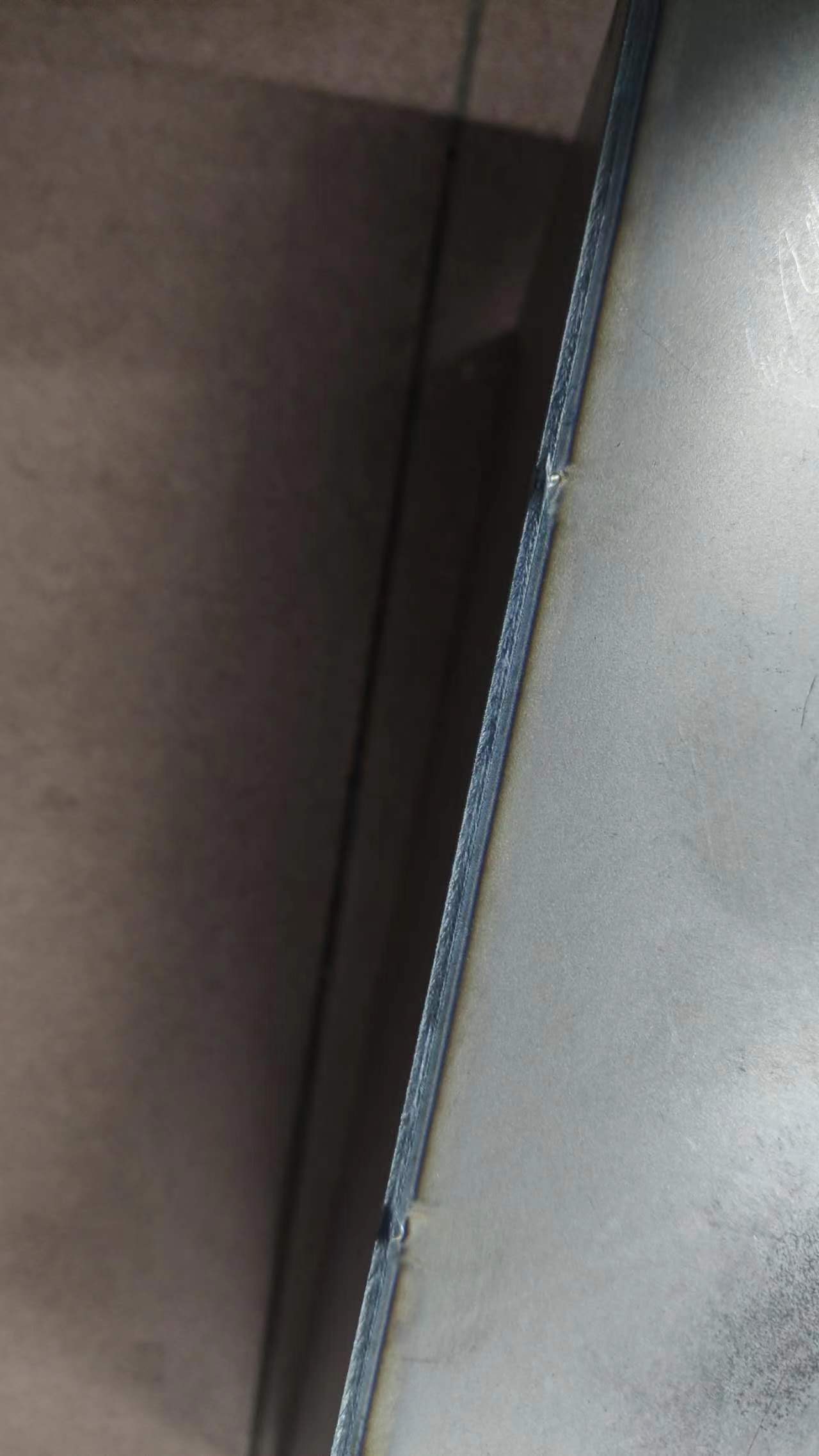
The laser welding process for stainless steel boxes features the following characteristics:
1. **High Precision**: Laser welding achieves high-precision welding with fine seams and minimal heat-affected zones, catering to products with stringent quality requirements for welding.
2. **Fast Welding Speed**: Laser welding is quick, enhancing production efficiency and reducing processing time.
3. **Minimal Heat Affected Area**: Laser welding involves relatively low heat input, which reduces material deformation and stress, enhancing structural stability.
4. **Versatile**: Laser welding is suitable for various grades and thicknesses of stainless steel, capable of welding complex-shaped components.
5. **Good Weld Quality**: Laser-welded seams are flat, smooth, and aesthetically pleasing, usually requiring no further processing.
6. **Environmentally Friendly**: Laser welding produces minimal waste gases and waste materials, offering good environmental protection.
High Automation Level: Laser welding equipment can achieve automated operation, enhancing production stability and consistency.
8. **Strong Welding Process Control**: Laser welding is easily monitored and adjusted in real-time, ensuring high welding quality.
Due to these advantages, laser welding is widely used in the processing of stainless steel products, particularly in industries such as electronics, home appliances, and equipment.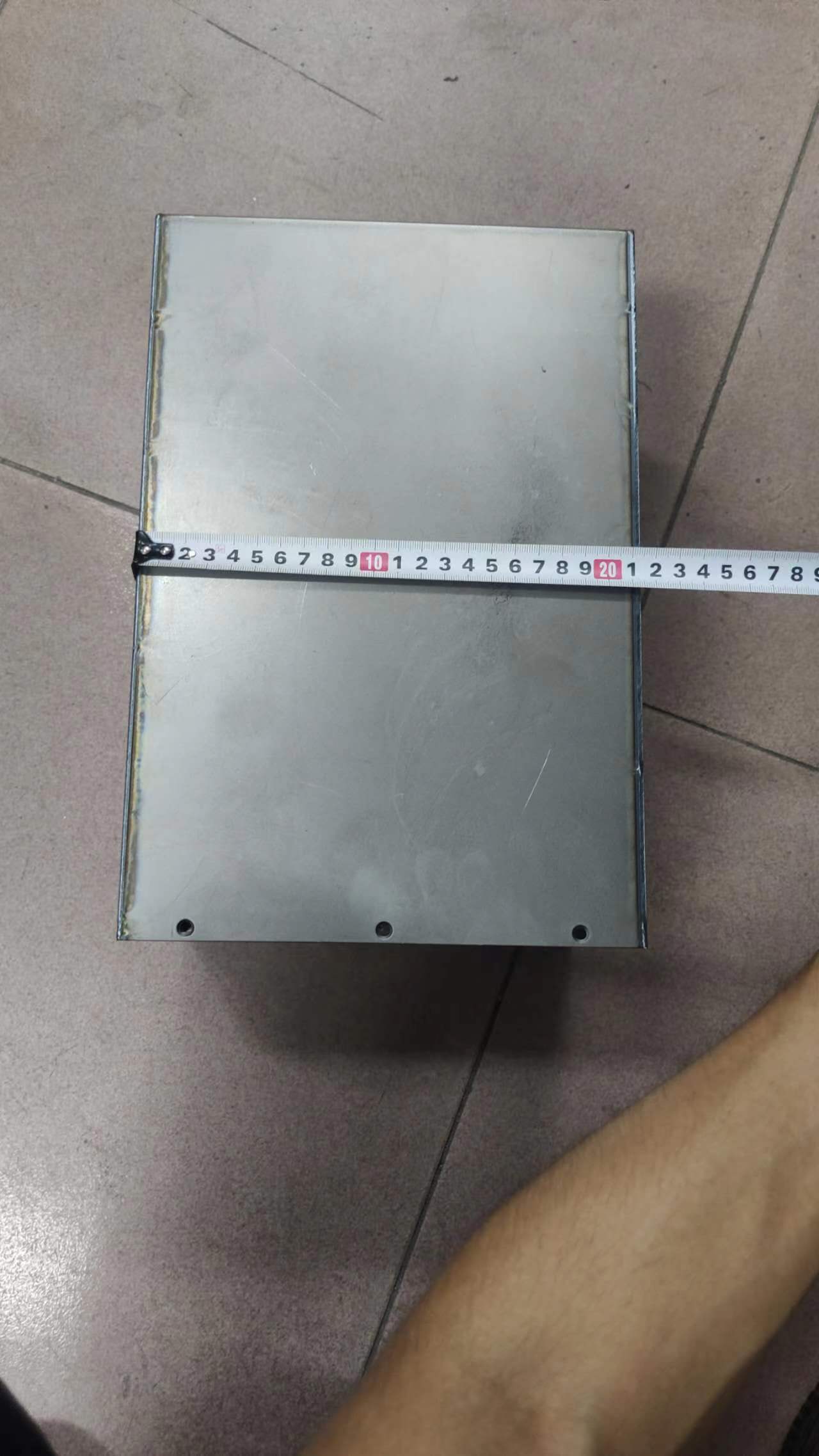
The characteristics of laser welding for lighting fixtures mainly include the following aspects:
1. **High Precision and Quantity**: Laser welding achieves high welding precision, resulting in smooth weld seams, reducing the need for subsequent processing, and thereby improving product quality.
2. **Small Heat Affected Zone**: As laser welding is performed through a high-energy focused light beam, the heat input is relatively low. Consequently, the heat affected zone during the welding process is minimized, reducing deformation and stress.
3. **Rapid Welding Speed**: Laser welding offers a fast processing speed, enhancing production efficiency and is ideal for mass production.
4. **Versatile**: Laser welding is suitable for welding various materials (such as aluminum, copper, stainless steel, etc.), catering to the processing needs of lighting fixtures made from different materials.
5. **Automation Control**: Laser welding technology is easily integrated with automated equipment, enabling production line operations that enhance production automation levels.
6. **Environmental Friendliness**: The laser welding process is pollution-free, does not produce welding fumes, and contributes to improving the working environment.
7. **Welding Shape Complexity**: Capable of welding complex shapes to meet diverse design requirements and adapt to the trends of modern lighting product design.
8. **Minimize Post-Processing**: High welding quality typically requires less post-processing, thereby reducing overall production costs.
In summary, laser welding for lighting fixtures boasts significant advantages in terms of precision, efficiency, and adaptability, making it one of the key technologies in modern lighting manufacturing.
The laser welding processing of Microphone Network possesses several notable features:
1. **High Precision**: Laser welding achieves high precision welding, suitable for complex components and small welding points, ensuring welding quality.
2. **Small Heat Affected Zone**: Compared to traditional welding methods, laser welding has a relatively smaller heat affected zone, reducing material deformation and stress, and improving the performance of the weld joint.
3. **Rapid Welding Speed**: Laser welding processes at a high speed, enhancing production efficiency and well-suited for large-scale production.
4. **Non-contact Processing**: Laser welding is a non-contact processing method, reducing the likelihood of tool wear and extending the lifespan of the equipment.
5. **Wide Range of Materials Compatibility**: Laser welding is suitable for welding various materials, including metals and plastics, enhancing the flexibility of the process.
6. **High Automation Level**: Laser welding is easily integrated with automated equipment, enabling automated production and enhancing production management efficiency.
7. **Environmental Friendliness**: Laser welding generates less waste and does not require welding materials, contributing to reduced environmental pollution.
In summary, MicrophoneNet's laser welding processing stands out for its versatility, flexibility, and environmental friendliness, making it widely applied in industrial fields.
Copper nose laser welding processing is mainly suitable for the following fields:
1. **Electronics and Electrical Industry**: Often used in welding electrical connectors, contactors, conductive components, etc., due to their high conductivity and thermal conductivity.
2. **Automotive Industry**: Used for manufacturing copper connectors and other connecting components in automotive electrical systems to enhance the reliability of the connections.
3.****: Used for welding electrical system components of devices, ensuring their performance under extreme conditions.
4. **Equipment**: Precision welding connections for devices, such as sensors and electrical components.
5. **Appliance Industry**: Weld copper conductors in household appliances to ensure the integrity and safety of electrical current transmission.
6. Photovoltaic Industry: Welding electrical components for solar panels, enhancing the overall performance of photovoltaic modules.
Due to the advantages of laser welding such as high precision, small heat-affected zone, and fast welding speed, laser welding processing of copper connectors has been widely applied in these fields.
询价单


