





详情描述
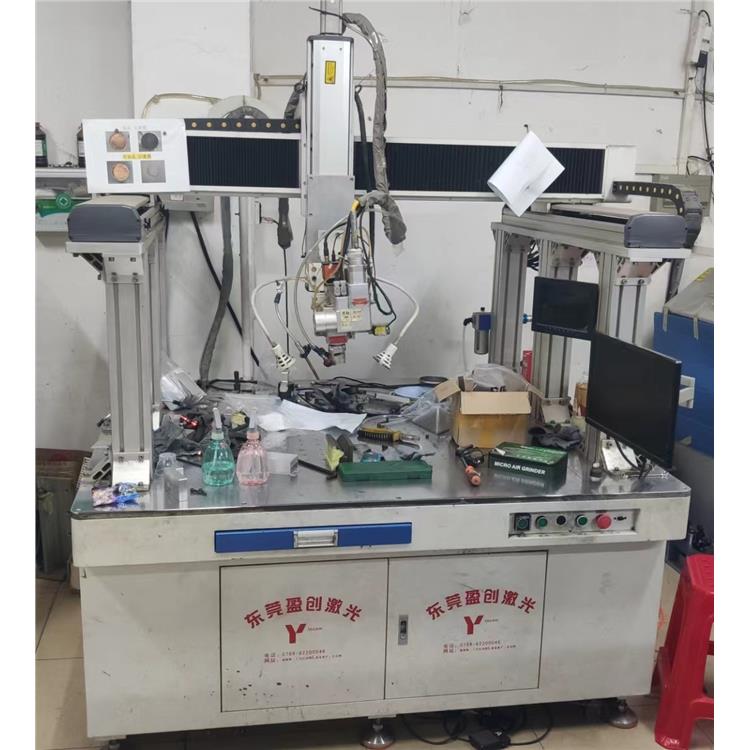
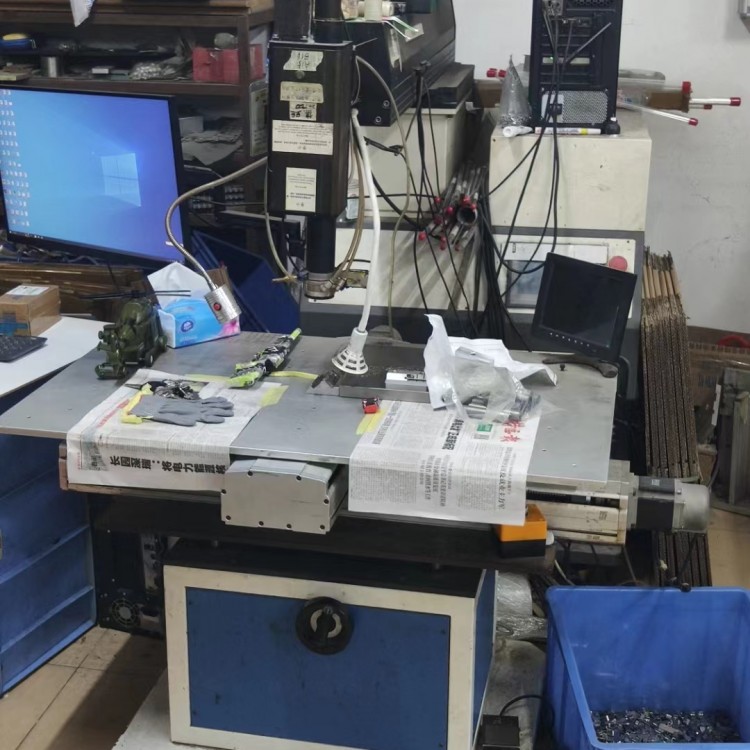
Laser welding of copper alloy terminals is a type of welding technology, widely used in electronics, communication, and power industries. Here are some key points about the laser welding process for copper alloy terminals:
**Material Characteristics**: Brass boasts excellent electrical and thermal conductivity, however, it has a high reflectivity, necessitating the selection of an appropriate laser wavelength during laser welding to enhance efficiency.
2. **Laser Type**: Common laser welding equipment includes fiber laser welding machines and CO2 laser welding machines. Fiber laser welding machines are often preferred due to their high speed and excellent welding quality.
3. **Welding Parameters**: Adjust welding power, speed, focal length, and gas protection according to specific welding requirements to ensure the quality and strength of the weld.
4. **Welding Methods**: Point welding, wire welding, or localized welding methods are available, with the specific choice based on the product's design and application requirements.
5. **Gas Shielding**: During the welding process, it is typically necessary to use a protective gas (such as helium or nitrogen) to prevent oxidation and enhance the quality of the weld.
6. **Welding Effectiveness**: After welding, the appearance, strength, and conductivity of the weld joint must be inspected to ensure they meet usage requirements.
7. **Equipment Maintenance**: Regularly maintain and calibrate laser welding equipment to ensure long-term stable operation and welding quality.
Understanding these key points can help improve welding efficiency and joint quality during laser welding of copper alloy terminals.
Characteristics of laser welding processing for new energy terminals mainly include the following aspects:
1. **High Precision Welding**: Laser welding technology achieves micrometer-level positioning and precision welding, suitable for applications in the new energy field that require high quality and precision in welding.
2. **Small Heat Affected Zone**: Laser welding uses a high-energy beam, concentrating the heat, resulting in a relatively small heat affected zone. This effectively reduces thermal distortion and impact at the welding site.
3. **Versatile Application**: Laser welding is suitable for a wide range of materials, including metals and plastics, catering to the welding needs of new energy terminals across various material combinations.
4. **Rapid Welding Speed**: The laser welding process is fast, enhancing production efficiency and well-suited for large-scale production needs.
5. **Strong Controllability in Welding Process**: The laser welding process can be optimized by adjusting laser parameters (such as power, welding speed, etc.), ensuring control over the welding quality.
6. **Process Flexibility**: Laser welding can achieve various welding methods such as spot welding, seam welding, and localized welding, catering to different design requirements.
7. **Environmental Protection and Energy Efficiency**: Laser welding reduces welding smoke and pollution, minimizing environmental impact, and boasts high energy utilization, aligning with the requirements of sustainable development.
8. **High Automation Level**: Laser welding can be integrated with robotic and other automated equipment, meeting the demands of modern intelligent manufacturing and enabling unmanned production.
In summary, the laser welding process for new energy terminals has gained widespread application in the new energy field due to its advantages such as efficiency and environmental friendliness.
The laser welding process for plug terminals boasts several features:
1. **High Precision**: Laser welding achieves high-precision welding results, suitable for connecting micro components and meeting the strict precision requirements of electronic devices.
2. **Small Heat Affected Zone**: Laser welding has a smaller heat affected zone, reducing the thermal impact on surrounding materials during the welding process, thereby lowering the risk of deformation and damage.
3. **Fast Welding Speed**: Laser welding offers rapid welding speeds, enhancing production efficiency and is ideal for mass production.
4. **Contactless Processing**: Laser welding is a form of contactless processing that applies mechanical pressure to the workpiece, making it suitable for welding delicate materials.
5. **Versatile**: Capable of welding various materials such as metals and plastics, with strong adaptability to different materials to meet the needs of various products.
6. **High Automation Level**: Laser welding equipment is typically compatible with automated production lines, enhancing production automation and intelligence.
7. **Aesthetically Pleasing Weld Joints**: Laser welding produces smooth and uniform welds with a pleasing appearance, meeting the modern demand for beauty in products.
8. **High Welding Strength**: Laser welding achieves a high level of strength, meeting the product's usage requirements.
Overall, plug terminals laser welding processing is widely used in the electronics industry due to its precision and efficiency.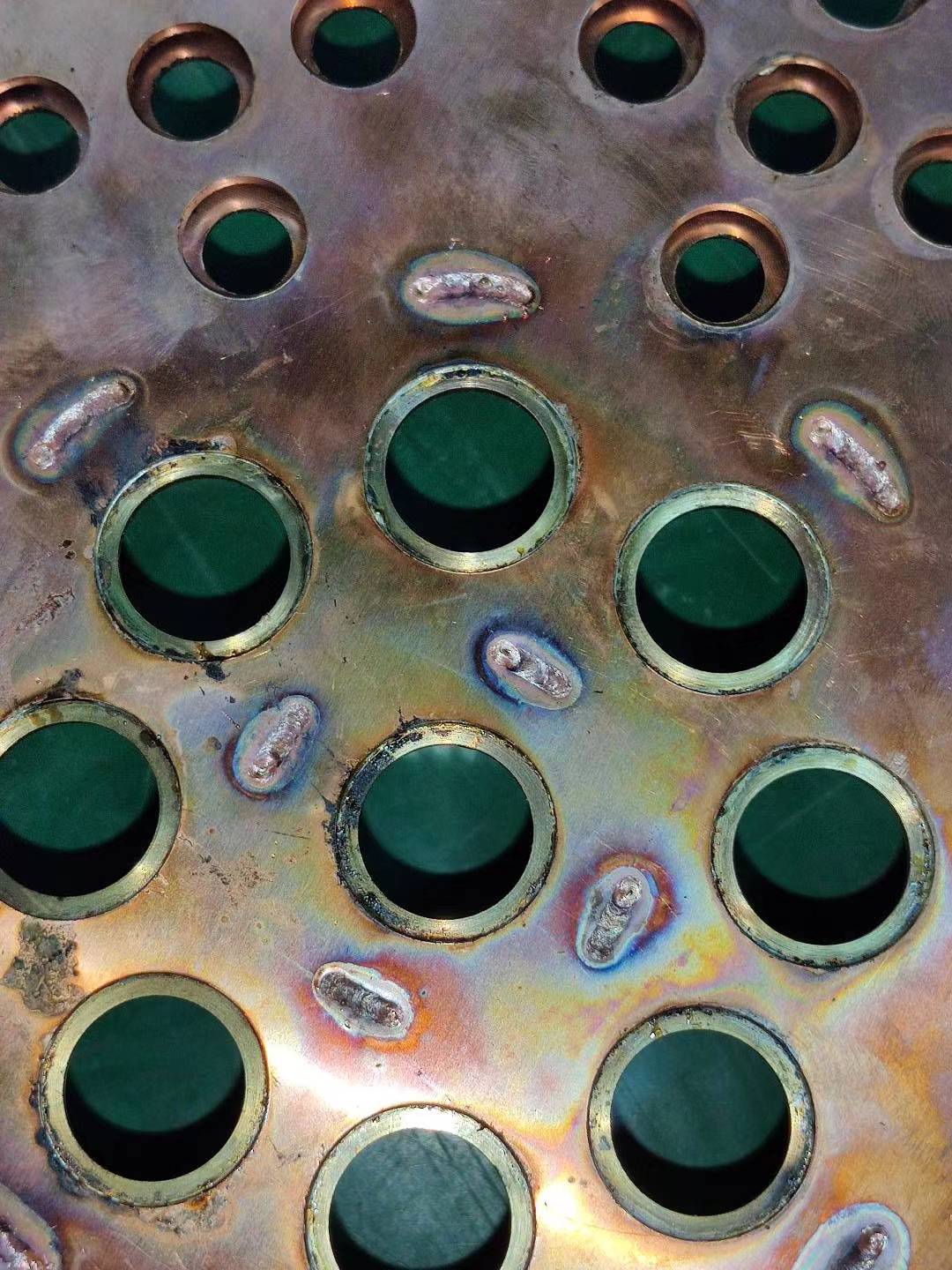
Characteristics of laser welding for copper products include the following aspects:
Small Heat Affected Zone: Laser welding achieves high energy concentration, resulting in a relatively small heat affected zone during the welding process. This helps to minimize material deformation and stress concentration, thereby improving welding quality.
2. **Fast Welding Speed**: Laser welding offers high welding speed, suitable for mass production and effectively enhancing production efficiency.
3. **High Weld Quality**: Laser welding produces narrower and finer welds, with an aesthetically pleasing shape, fewer internal defects, and high welding strength.
High Alignment Accuracy: Laser welding achieves precise positioning and welding, suitable for connecting complex structures.
5. **Automatable**: Laser welding equipment is easy to integrate with automated production lines, enabling automation of the welding process for enhanced production efficiency and consistency.
6. **Wide Application Range**: Copper and its alloys are widely used in electronics, electrical, and other fields, where laser welding meets the high requirements of welding technology in these areas.
7. **Strong Controllability in Welding Process**: Laser welding offers high energy density and easily adjustable welding parameters, allowing for optimization based on different materials and welding requirements.
8. **Low Pollution**: Laser welding typically requires no welding materials (such as welding wire), reducing the hassle of post-weld cleaning and also lowering the risk of material contamination.
In general, laser welding of copper products has become an important welding method in many industrial fields due to its quality, quantity, and high precision.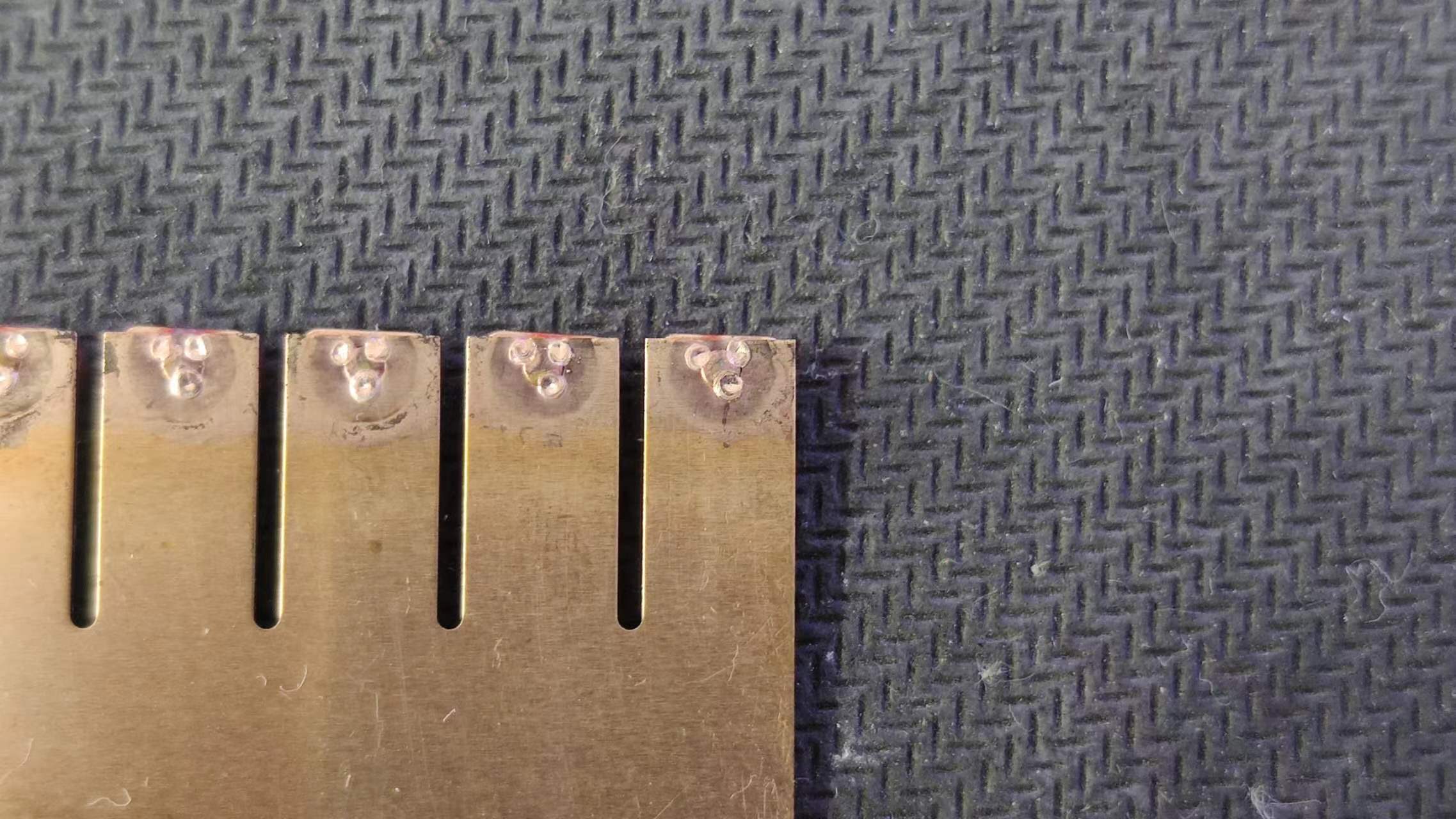
Copper terminal laser welding processing features the following characteristics:
1. **High Precision**: Laser welding achieves exceptional welding precision, suitable for welding tiny parts and meeting stringent requirements for welding position and dimensions.
2. **Rapid Welding Speed**: The laser welding process is quick, significantly enhancing production efficiency and ideal for bulk production.
3. **Small Heat Affected Zone**: Laser welding has a minimal heat affected zone, reducing thermal damage to surrounding materials and ensuring that the performance of the welded area and the properties of adjacent materials remain unaffected.
4. **Contactless Processing**: Laser welding involves welding with a laser beam, without physical contact with the workpiece, reducing physical wear and contamination, and is suitable for applications that require high-quality welding.
5. **High Versatility**: Laser welding is capable of joining various types of metal materials and can handle complex shapes with ease.
6. **High Flexibility**: Laser welding is not restricted by the shape or size of the workpiece, suitable for design schemes, capable of various welding methods, and highly adaptable.
7. **High Welding Strength**: Laser welding can produce weld joints with significant strength, which is typically equal to or exceeds the strength of the base material.
8. **Aesthetic Welding Seam**: Post-laser welding, the seam is smooth and even, with a good appearance, reducing the complexity of subsequent processing.
These features make laser welding of copper terminals widely applied in electronics and electrical industries.
Laser welding of wire-end terminals is widely used in various fields, primarily including:
1. **Electronics Industry**: Used for connecting wires with electronic components, including circuit boards, sensors, and connectors, to ensure excellent electrical performance.
2. **Automotive Manufacturing**: In automotive electronic systems, crimp terminals are commonly used to connect wires to vehicle control modules and other electronic devices.
3. **Household Appliances**: Used for internal connections in household appliances, ensuring device stability and safety.
4. **Communication Equipment**: In the assembly of communication equipment, the welding of the crimp terminals ensures reliable signal transmission.
5. Industrial Equipment: Used for electrical connections in automation and machinery, enhancing production efficiency and reliability.
6. **Equipment**: Ensure the safety and reliability of electrical connections within the equipment.
Laser welding technology boasts high precision, efficiency, and a small heat-affected zone, making it suitable for welding micro and complex-shaped wire terminals.
询价单


