




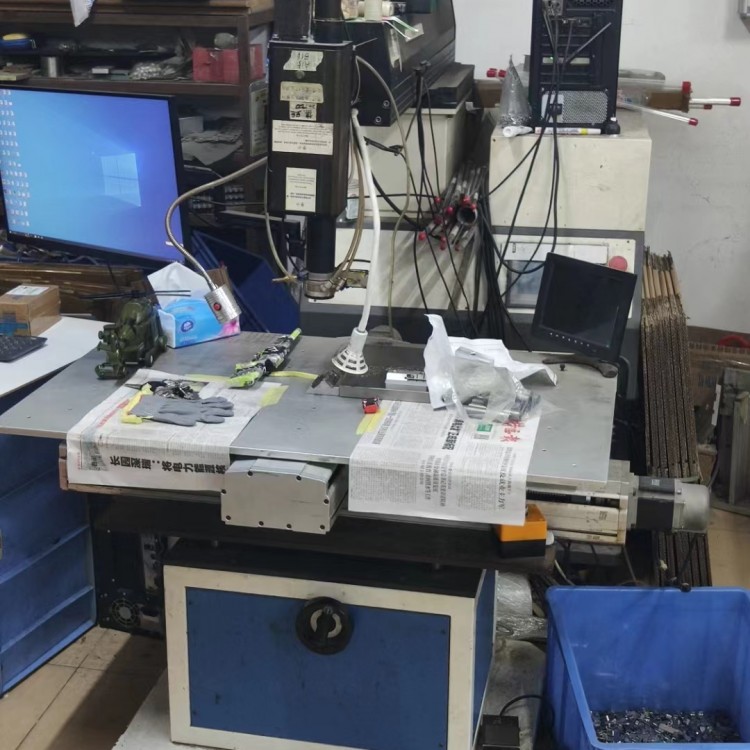
详情描述
Copper terminal laser welding is a processing technique that utilizes laser thermal energy to weld copper materials. This technology boasts several advantages:
High Precision: Laser welding achieves high precision in welding, suitable for connecting small and complex structures.
2. **Small Heat Affected Zone**: Laser welding concentrates heat in the welding area, minimizing thermal impact on surrounding materials, reducing deformation and stress.
3. **Rapid Welding Speed**: Laser welding offers swift welding speeds, enhancing production efficiency.
4. **High Automation Level**: Laser welding equipment is easily automated, suitable for mass production.
5. **High Welding Strength**: The joint strength after welding is high, usually achieving or exceeding the strength of the base material.
When performing laser welding on copper terminals, the following points should be noted:
Selection of Welding Parameters: Includes laser power, welding speed, focal position, etc., which need to be adjusted according to material thickness and characteristics.
2. Material Surface Treatment: Copper materials must be cleaned before welding to remove surface oxides and oil, ensuring welding quality.
3. **Use of Protective Gases**: During the welding process, protective gases such as argon are commonly used to reduce oxidation and improve the welding quality.
4. **Optimization of Welding Techniques**: Tailor the welding process to meet specific application requirements, ensuring both optimal welding results and cost-effectiveness.
Through the rational selection of welding processes and parameters, copper terminal laser welding can be widely applied in electrical connections and the manufacturing of electronic components.
Laser welding processing for stainless steel sexual products boasts several distinct characteristics:
1. **High Precision**: Laser welding offers exceptional precision, capable of joining small or complex-shaped parts, ideal for products with stringent quality requirements.
2. **Small Heat Affected Zone**: Laser welding focuses heat, resulting in a relatively small heat affected zone, which minimizes thermal damage to the material and avoids stainless steel deformation or performance degradation due to overheating.
3. **Fast Welding Speed**: Laser welding is quick, enhancing production efficiency and ideal for large-scale production.
4. **Smaller, Smooth Weld Joints**: Laser welding results in smaller weld joints with a smooth surface, reducing the need for subsequent cleaning and processing procedures.
5. **Adaptable**: Laser welding can handle various thicknesses and types of stainless steel, including materials with different alloy compositions.
6. **Contactless Processing**: Laser welding ensures a contactless processing method, minimizing the risk of mechanical stress and deformation.
7. **High Level of Automation**: Laser welding equipment can be integrated with automated production lines, achieving mechanized and automated operations.
8. **Environmentally Friendly**: Laser welding processes are relatively clean, producing less waste and pollutants, making them more eco-friendly.
In summary, laser welding technology offers an environmentally friendly solution for the manufacturing of stainless steel products.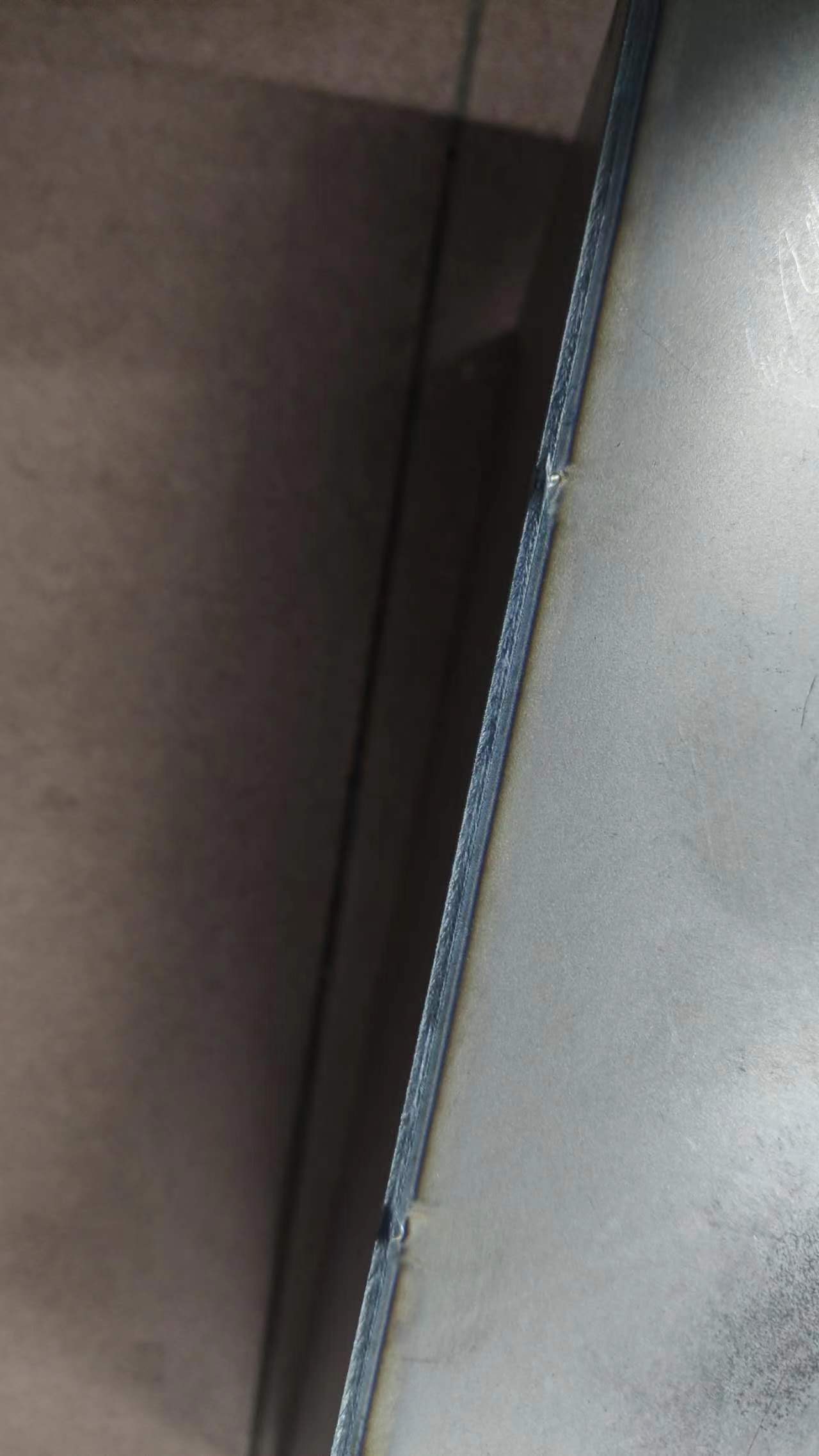
Welding and processing services for hardware using laser technology are an important method in modern manufacturing, characterized by:
1. **High Precision**: Laser welding achieves high precision welding with smooth seams, requiring minimal post-weld finishing.
2. **Small Heat Affected Zone**: Due to the rapid heating and cooling in laser welding, the heat affected zone is relatively small, reducing the likelihood of workpiece deformation.
3. **Rapid Welding Speed**: Laser welding is faster than traditional welding methods, enhancing production efficiency and ideal for mass production.
4. **Versatile**: Laser welding is capable of handling a variety of materials, including metals and plastics, and is particularly effective for welding different materials.
5. **High Welding Quality**: Thanks to the precise energy control achievable with laser welding, the焊接 quality is consistent and the defect rate is low.
6. **High Automation Level**: Laser welding equipment is easily integrated with CNC systems for automated production, reducing labor costs.
7. **Environmentally Friendly**: The laser welding process produces less smoke and waste gases, resulting in relatively low pollution, which aids in improving the production environment.
8. **Wide Weldable Thickness Range**: Laser welding is capable of welding materials of varying thicknesses, offering high flexibility.
In summary,五金激光焊接加工 boasts high precision and environmental friendliness, and is widely used in the electronics, electrical, automotive, and other manufacturing industries.
The laser welding process for water bottles boasts several notable features:
High Precision: Laser welding achieves high-precision welding, suitable for complex-shaped kettles and meets stringent manufacturing tolerance requirements.
2. **Small Heat Affected Zone**: Laser welding has a lower heat input, resulting in a smaller heat affected zone (HAZ) around the welding area. This minimizes material property deformation and annealing, maintaining the overall quality of the kettle.
3. **Rapid Welding Speed**: Laser welding is faster than traditional welding methods, enhancing production efficiency and ideal for mass production.
4. **Aesthetically Pleasing Weld Joints**: Laser welding achieves fine and even weld seams, resulting in a smooth surface post-welding, reducing the need for further processing and enhancing the product's appearance.
5. **Versatile**: Laser welding is suitable for various materials such as stainless steel and aluminum alloys, catering to the welding needs of different types of water bottles.
6. **High Automation Level**: Laser welding systems can be integrated with automated equipment to reduce labor costs, enhance production efficiency, and ensure consistency.
7. **Energy-saving and Environmental Protection**: Laser welding generates less waste and uses harmful gases less frequently, making it relatively more environmentally friendly.
In general, laser welding processing offers a quantitative solution for kettle manufacturing.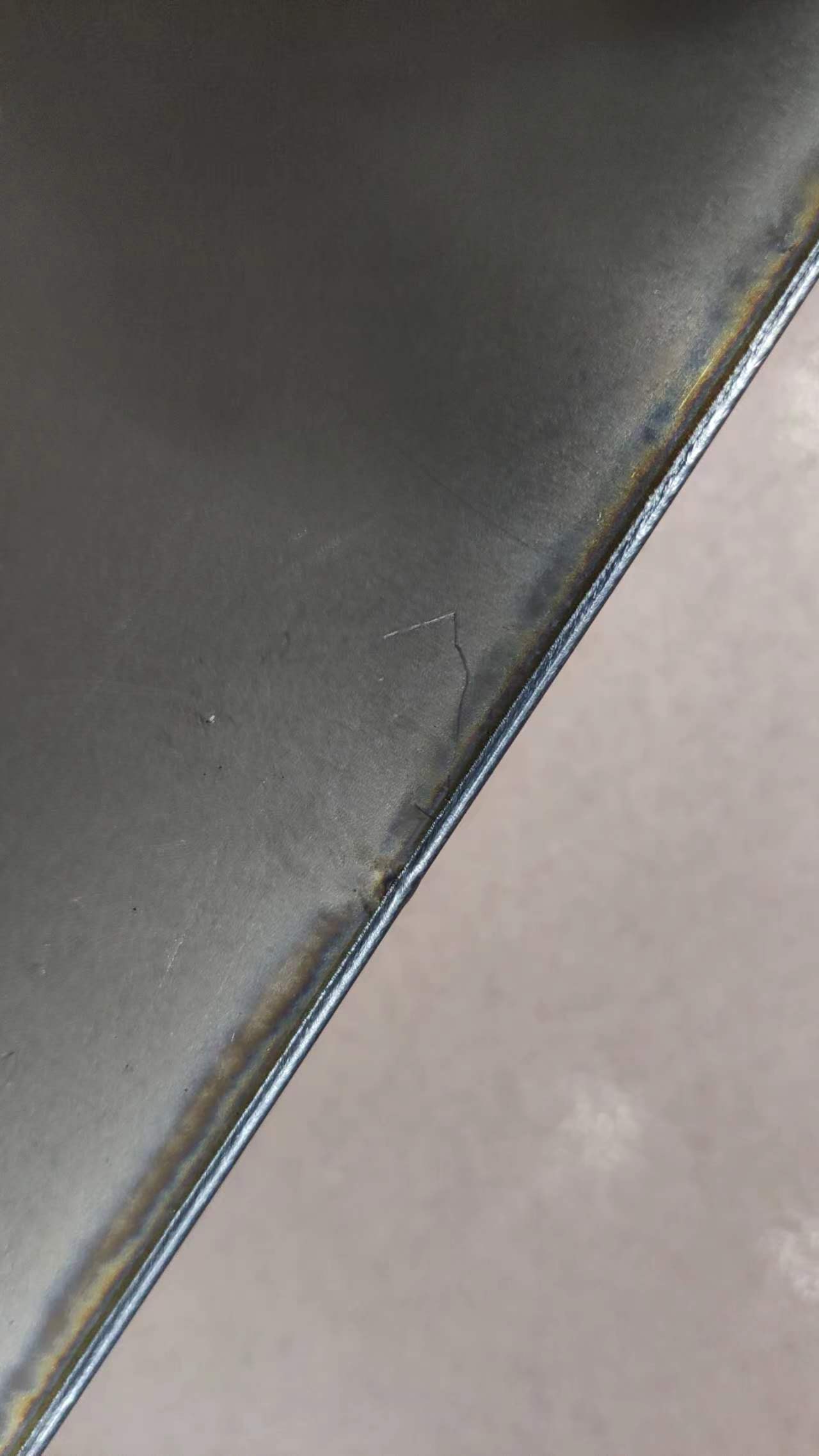
The laser welding process for overline terminals boasts several notable features:
1. **High Precision**: Laser welding achieves high positioning and welding precision, suitable for bonding tiny electronic components.
2. **Small Heat Affected Zone**: Laser welding, due to its high energy density, results in a relatively small heat affected zone during the welding process, which minimizes thermal damage to surrounding components.
3. **Fast Welding Speed**: Laser welding offers a relatively quick welding speed, enhancing production efficiency and is suitable for mass production.
4. **High Flexibility**: Laser welding exhibits excellent adaptability to various materials and shapes, capable of handling complex welding tasks.
5. **Automated**: Laser welding equipment is easily integrated with automation systems, suitable for the application needs of unmanned production lines.
6. **High Weld Quality**: Laser welding achieves continuous weld joints with smooth and flat surfaces, offering excellent mechanical properties.
7. **Non-contact Processing**: As laser welding is a non-contact process, it avoids the risks of wear and deformation associated with mechanical tool operation.
8. **Environmental Friendliness**: Laser welding typically does not require any filler material, reducing pollution and material waste, thus enhancing the environmental sustainability of the production process.
With these features integrated, laser welding of terminal ends has been widely applied in industries such as electronics, communication, and automotive.
Laser-welded aluminum-nickel composite sheets are widely used in various fields, primarily including the following aspects:
Automotive Industry: Aluminum-nickel composite materials can be used to manufacture automotive components such as radiators, fuel tanks, and structural parts, to reduce vehicle weight and improve fuel efficiency.
2. Aluminum-nickel composite materials are widely used in the structure and components of the blending tank due to their lightweight, high strength, and corrosion resistance.
3. **Electronic Equipment**: Aluminum-nickel composite materials offer excellent thermal conductivity and strength in electronic heat sinks and casings, enhancing the performance and reliability of electronic products.
4. **Energy Industry**: Aluminum-nickel composite materials offer lightweight and high-strength solutions for renewable energy equipment such as wind turbines and solar panels.
5. **Defense Applications**: Aluminum-nickel composite materials are suitable for manufacturing lightweight armor and other protective equipment, offering protection while reducing weight.
Laser welding technology offers the following advantages in these applications:
- **Control**: Laser welding achieves high-precision thermal input, minimizing the heat-affected zone, and maintains the material's properties.
- Automation: Suitable for automated production processes, enhancing efficiency.
- **Fast Welding Speed**: Laser welding, compared to traditional welding methods, can significantly enhance production efficiency.
In summary, laser welding of aluminum-nickel composite sheets holds broad application prospects across various industries.
询价单


