




详情描述
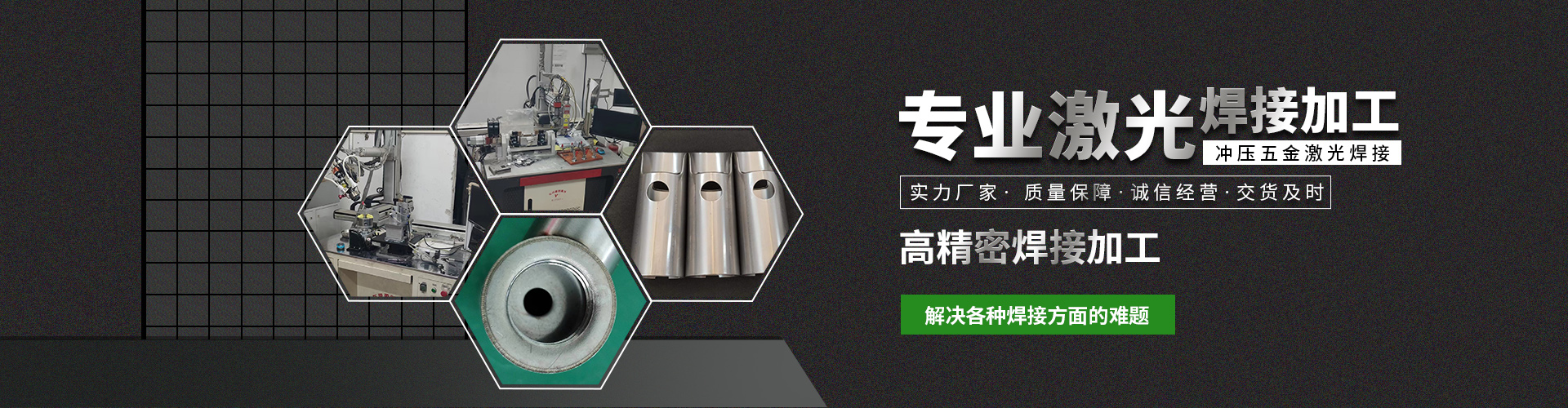
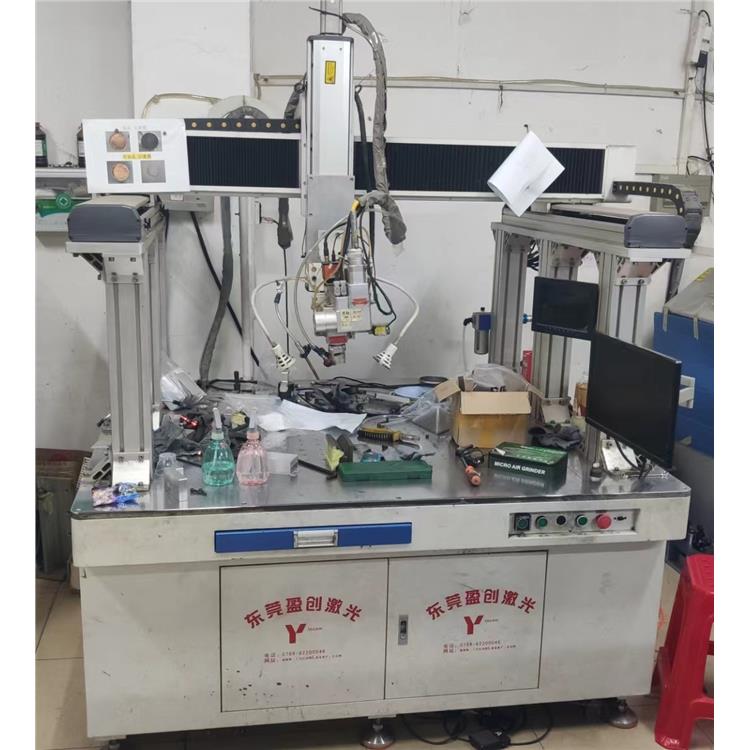
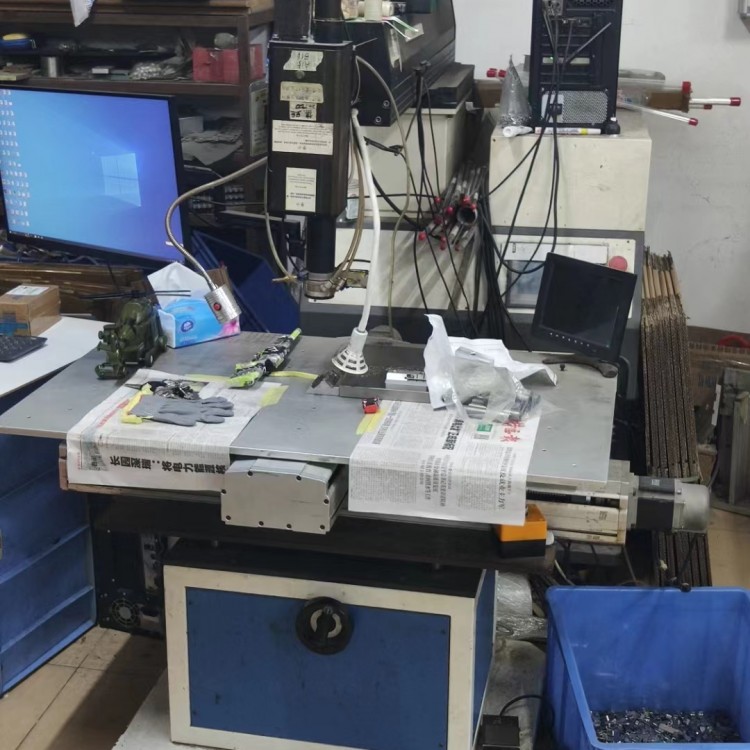
Laser welding processing is a technique that uses a laser beam as a heat source for welding metals and non-metallic materials. This technology boasts numerous advantages, such as:
1. **High Concentration**: The laser beam can be focused into a small area, creating a high power density. This allows laser welding to heat materials quickly, achieving rapid welding in a short period of time.
High welding accuracy: Due to the small diameter of the laser beam, high-precision welding can be achieved, suitable for applications with strict seam requirements.
3. **Small Heat Affected Zone**: The heat affected zone during the laser welding process is relatively small, which helps to minimize material deformation and stress, as well as reduce thermal damage to surrounding materials.
4. **Wide Range of Weldable Materials**: Laser welding is suitable for welding a variety of materials, including metals (such as steel, stainless steel, aluminum, etc.) and certain non-metals (such as plastics and ceramics).
5. **High Automation Level**: Laser welding can easily integrate with automated production lines, enhancing efficiency and consistency.
Common applications of laser welding include electronics, automotive manufacturing, equipment assembly, and precision equipment. Due to its advantages, laser welding is increasingly becoming an important supplement and alternative to traditional welding methods.
Significant features of laser welding for stainless steel products include:
1. **High Precision**: Laser welding achieves high-precision welding with narrow weld widths and minimal heat-affected zones, ensuring the strength and appearance of the weld joints.
2. **Low Heat Input**: The heat input during the laser welding process is relatively low, reducing deformation and internal stress in the stainless steel material, maintaining its properties and appearance.
3. **Versatile**: Laser welding is suitable for stainless steel materials, including thick plates and thin plates, and excels particularly in thin plate welding.
4. **Rapid Welding Speed**: Laser welding is fast, enhancing production efficiency and suitable for mass production and automated welding.
5. **High Welding Quality**: Laser welding ensures superior strength and smooth weld seams, reducing the need for further processing.
6. **High Level of Automation**: Laser welding equipment can be operated automatically, facilitating integration with other production equipment, enhancing production efficiency and consistency.
7. **Ideal for Complex Structure Welding**: Laser welding offers flexibility in handling intricate welding paths, particularly suitable for welding non-standard parts and complex structures.
In summary, laser welding stainless steel products offer significant advantages in terms of welding quality, efficiency, and automation, making it an important welding technique in modern manufacturing.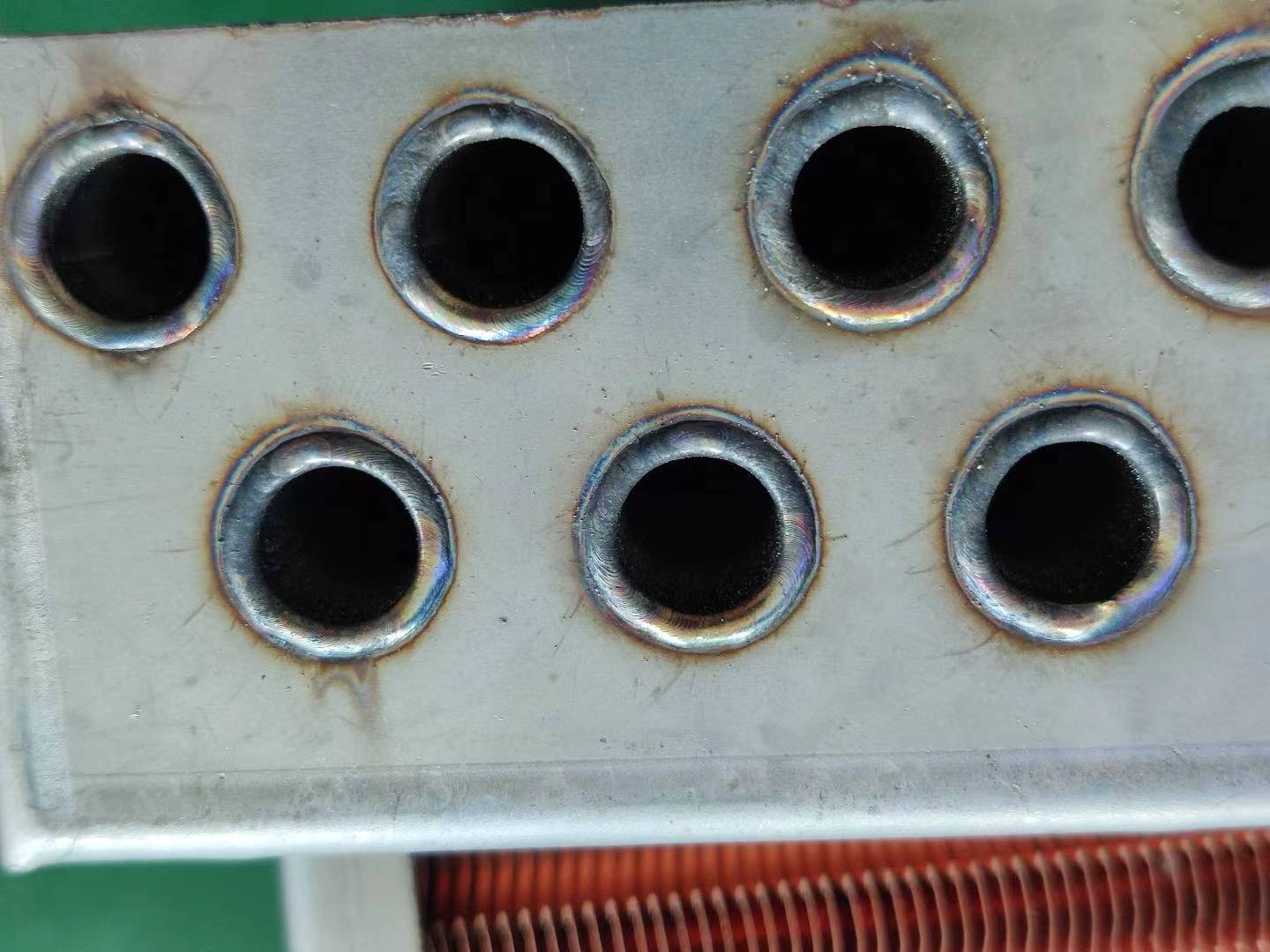
Laser welding manufacturers possess several notable characteristics:
1. **High Precision and Quantity**: Laser welding technology achieves fine and even weld seams with high-quality welding, suitable for industries with strict welding requirements.
2. **Wide Range of Applicable Materials**: Laser welding is suitable for a variety of materials, including metals (such as stainless steel, aluminum, copper, etc.), plastics, and other composite materials, offering strong adaptability.
3. **Small Heat Affected Zone**: Laser welding produces a smaller heat affected zone, reducing the impact on surrounding materials and thus minimizing deformation and stress concentration.
4. **High Level of Automation**: Many laser welding processing manufacturers use automated equipment for production, enhancing efficiency, reducing labor costs, and ensuring consistent welding quality.
5. **High Flexibility**: Laser welding processing can be customized to meet customer requirements, suitable for small batch and diverse production.
6. **Rapid Welding Speed**: Compared to traditional welding methods, laser welding offers a significantly faster pace, effectively enhancing production efficiency and shortening delivery times.
7. **Environmentally Friendly**: Laser welding processes are relatively clean, producing minimal waste and dust, meeting modern environmental protection standards.
8. **No Welding Materials Required**: Laser welding typically does not require additional welding materials, reducing material costs and subsequent processing work.
9. **Advanced Welding Capabilities for Complex Structures**: Laser welding is suitable for complex structure welding and can handle joints that are difficult to achieve with traditional welding methods.
When selecting a laser welding manufacturer, consider these features to ensure they meet your production and quality requirements.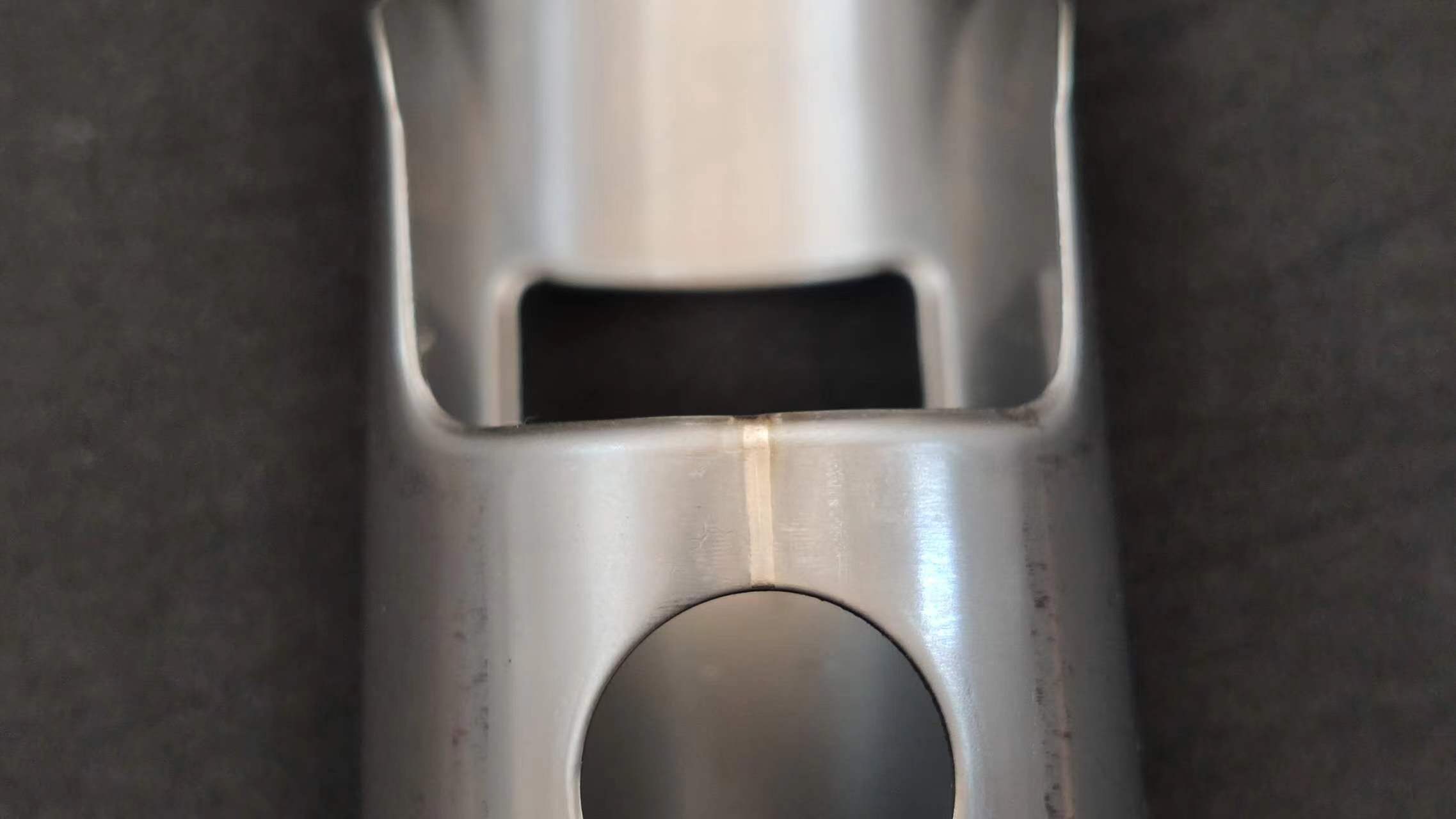
Welding tools for metal products with laser feature the following characteristics:
1. **High Precision**: Laser welding achieves precise welds, ideal for small parts or complex shapes, with minimal and even weld gaps.
2. **Small Heat Affected Zone**: Laser welding has a lower heat input, resulting in a relatively smaller heat affected zone, which in turn reduces deformation and stress during the welding process, maintaining the original properties of the material.
3. **Fast Welding Speed**: Laser welding offers quick welding speeds, enhancing production efficiency and is suitable for large-scale production.
4. **Wide Range of Welding Materials**: Laser welding is almost capable of welding various metal materials, including stainless steel, aluminum alloys, copper alloys, etc.
5. **Contactless Processing**: Laser welding is a non-contact processing method, thus reducing mechanical damage and contamination.
High Degree of Automation: Laser welding can be integrated with automated equipment, suitable for automated production lines to enhance efficiency and consistency.
7. **Adaptable**: Laser welding can be adjusted to meet various welding requirements, offering high flexibility and catering to diverse production needs.
8. **Environmental Friendliness**: The laser welding process generates less pollution and waste, making it more eco-friendly.
In summary, metal laser welding processing, with its versatility and adaptability, is widely used in modern manufacturing industries.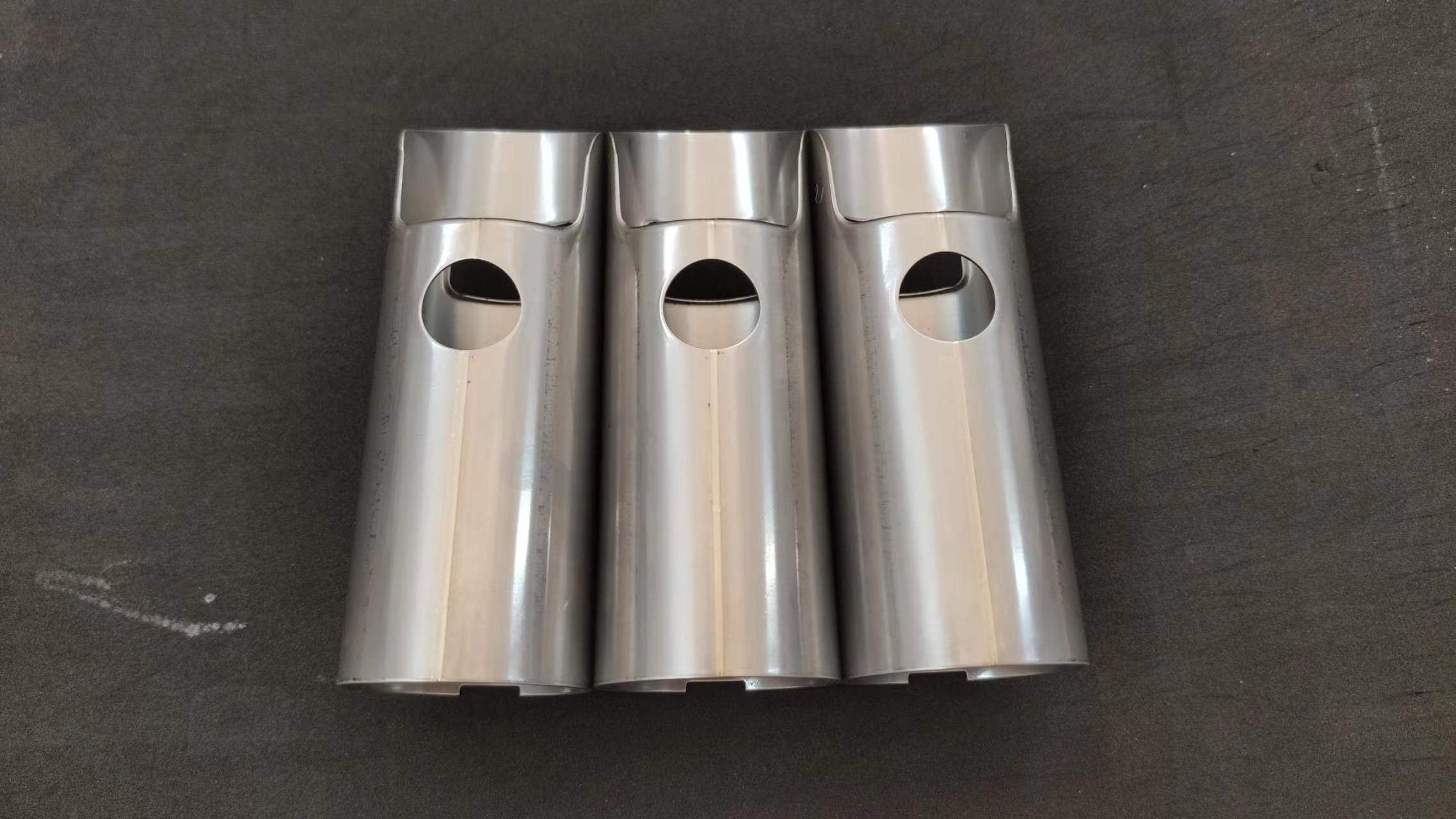
Titanium alloy laser welding processing features the following:
1. **High Precision and Quantity**: Laser welding achieves high focus and energy density, effectively controlling the heat-affected zone of welding, minimizing deformation and stress, and ensuring weld quality.
2. **Fast Welding Speed**: Laser welding offers high welding speed, suitable for mass production and improves production efficiency.
3. **Versatile**: Laser welding technology is highly adaptable, capable of effectively welding both the thickness and shape of titanium alloys.
4. **Small Heat Affected Zone**: Laser welding concentrates heat, resulting in a smaller heat affected zone, which is beneficial for maintaining the material's structure and properties.
5. **Clean Welding Process**: As laser welding is a non-contact process, it is less likely to introduce contaminants during welding, thereby maintaining the cleanliness of the welding surface.
6. **Good Welding Formation**: Laser welding achieves excellent welding formation, reducing defects such as pores and cracks.
7. **High Automation Level**: Laser welding can be integrated with automated production lines, suitable for mass production, and enhances the consistency and stability of welding.
8. **High Requirements for Welding Materials**: The unique properties of titanium alloys demand advanced equipment and process adjustments for laser welding, necessitating appropriate parameter tuning.
In summary, titanium alloy laser welding processing demonstrates superior performance in industrial applications, particularly suitable for fields with strict requirements for material properties, such as instruments and equipment.
Lasers welding processing manufacturers have a wide range of applications, mainly including the following fields:
Automotive Manufacturing: Used for welding body structural components, engine parts, exhaust systems, etc., to enhance welding accuracy and strength.
2. ****: Ensure high-strength and lightweight design in the welding of aircraft components, engine assemblies, and structural materials.
3. **Electronics & Electrical**: Used for welding electronic components such as batteries, connectors, and circuit boards, meeting the requirements of high precision and miniaturization.
4. **Equipment**: Used for manufacturing precision equipment such as surgical instruments and implants, ensuring non-contamination and quality.
5. Precision Machinery: Offers high precision and repeatability in welding mechanical components, suitable for processing complex shapes.
6. **Metal Products**: Welding of various metal products, including stainless steel, aluminum alloy, etc., enhancing the durability and aesthetics of the products.
7. Photovoltaic Industry: Used for welding solar cells in the production of solar panels, enhancing conversion efficiency.
8. **Appliance Manufacturing**: Widely used in the welding of home appliances such as refrigerators and washing machines, enhancing production efficiency.
9. **Communication Equipment**: Used for welding in communication base stations and equipment, ensuring secure high-speed signal transmission.
In summary, laser welding technology, due to its high precision, speed, and flexibility, is widely used across various industries to meet diverse processing requirements.
询价单


