




详情描述
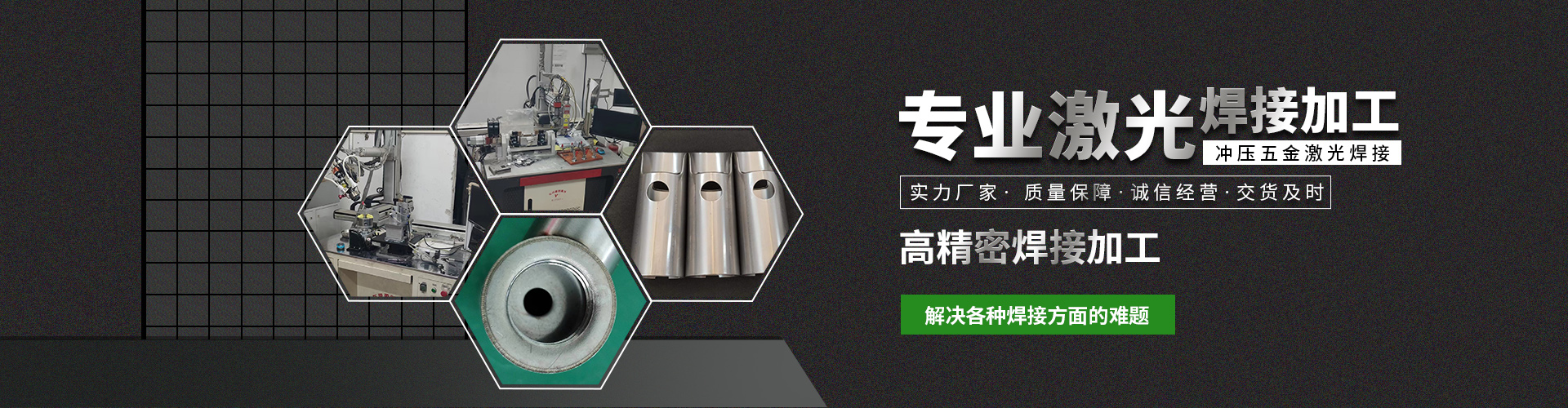
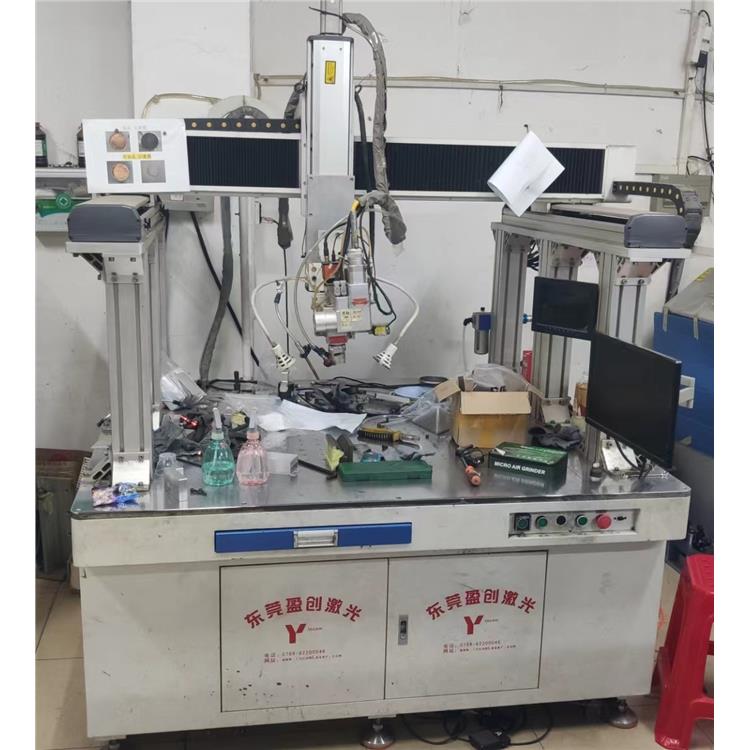
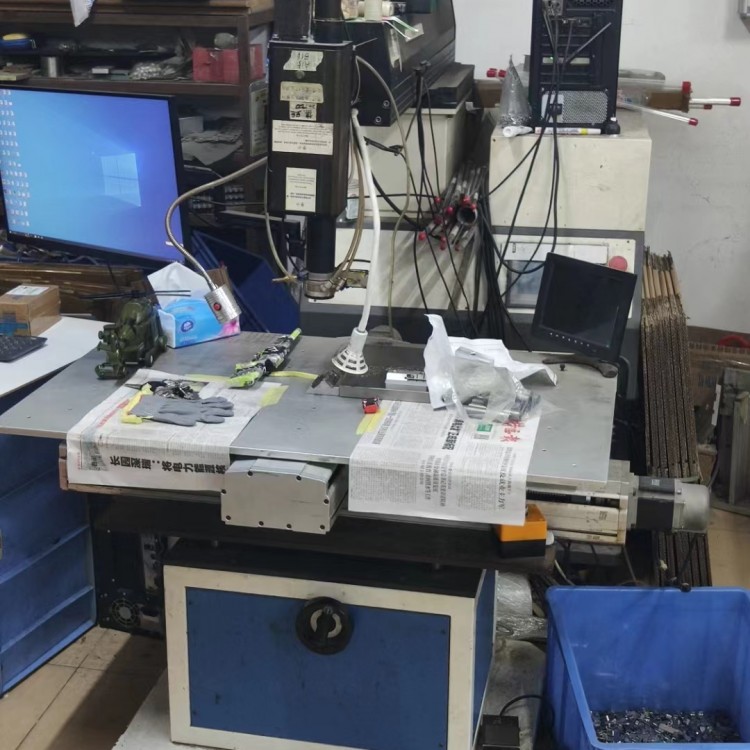
Welding processing with metal laser is a high-precision metal welding technique, widely used in the hardware industry. It employs a laser beam as the heat source, focusing a high-energy laser onto the surface of metal workpieces, causing the metal to rapidly melt and achieve bonding. Below are some main features and applications of metal laser welding processing:
### Features
High Precision: Laser welding achieves precise welding, suitable for parts with complex shapes.
2. **Fast Welding Speed**: Laser welding typically offers a faster welding speed than traditional methods, enhancing production efficiency.
3. **Small Heat Affected Zone**: Due to the small focusing area of laser welding, the heat affected zone is relatively small, reducing deformation and stress concentration.
4. **High Weld Quality**: Laser welding produces smooth, aesthetically pleasing welds that typically require no further finishing.
5. **Wide Range of Applicable Materials**: Welds various metal materials, such as stainless steel, aluminum alloy, copper, etc.
### Application Fields
1. **Hardware Products**: Welding materials for a variety of hardware components, such as window and door fittings, household tools, and mechanical parts.
2. **Electronics**: Often used for welding components such as batteries and connectors in the electronics industry.
3. **Automotive Industry**: Widely used in welding automotive parts, such as body structural components, engine parts, etc.
4. **Equipment**: In the manufacturing and assembly of equipment, laser welding offers a high-precision connection solution.
### Conclusion
Hardware laser welding processing, with its technical advantages, meets the demands of modern manufacturing for high precision and efficiency, and is gradually becoming a mainstream welding method. As laser technology continues to evolve, its range of applications and market prospects will be even broader. If you have specific processing needs or technical questions, feel free to discuss further.
Significant characteristics of laser welding for stainless steel products include:
1. **High Precision**: Laser welding achieves high-precision welding with narrow weld widths and minimal heat-affected zones, ensuring the strength and appearance of the weld joint.
2. **Low Heat Input**: The heat input during the laser welding process is relatively low, reducing deformation and internal stress in stainless steel materials, thus maintaining the material's properties and appearance.
3. **Versatile**: Laser welding is suitable for stainless steel materials, including thick and thin plates, excelling particularly in thin plate welding.
4. **Rapid Welding Speed**: Laser welding offers quick welding speeds, enhancing production efficiency and is suitable for mass production and automated welding.
5. **High Welding Quality**: Laser welding delivers superior strength and smooth weld seams, reducing the need for further processing.
High Level of Automation: Laser welding equipment can be operated automatically, facilitating integration with other production equipment and enhancing production efficiency and consistency.
7. **Ideal for Complex Structure Welding**: Laser welding offers flexibility in handling intricate welding paths, particularly suitable for welding requirements of non-standard and complex structures.
In summary, laser welding stainless steel products offer significant advantages in terms of welding quality, efficiency, and automation, making it an important welding technique in modern manufacturing.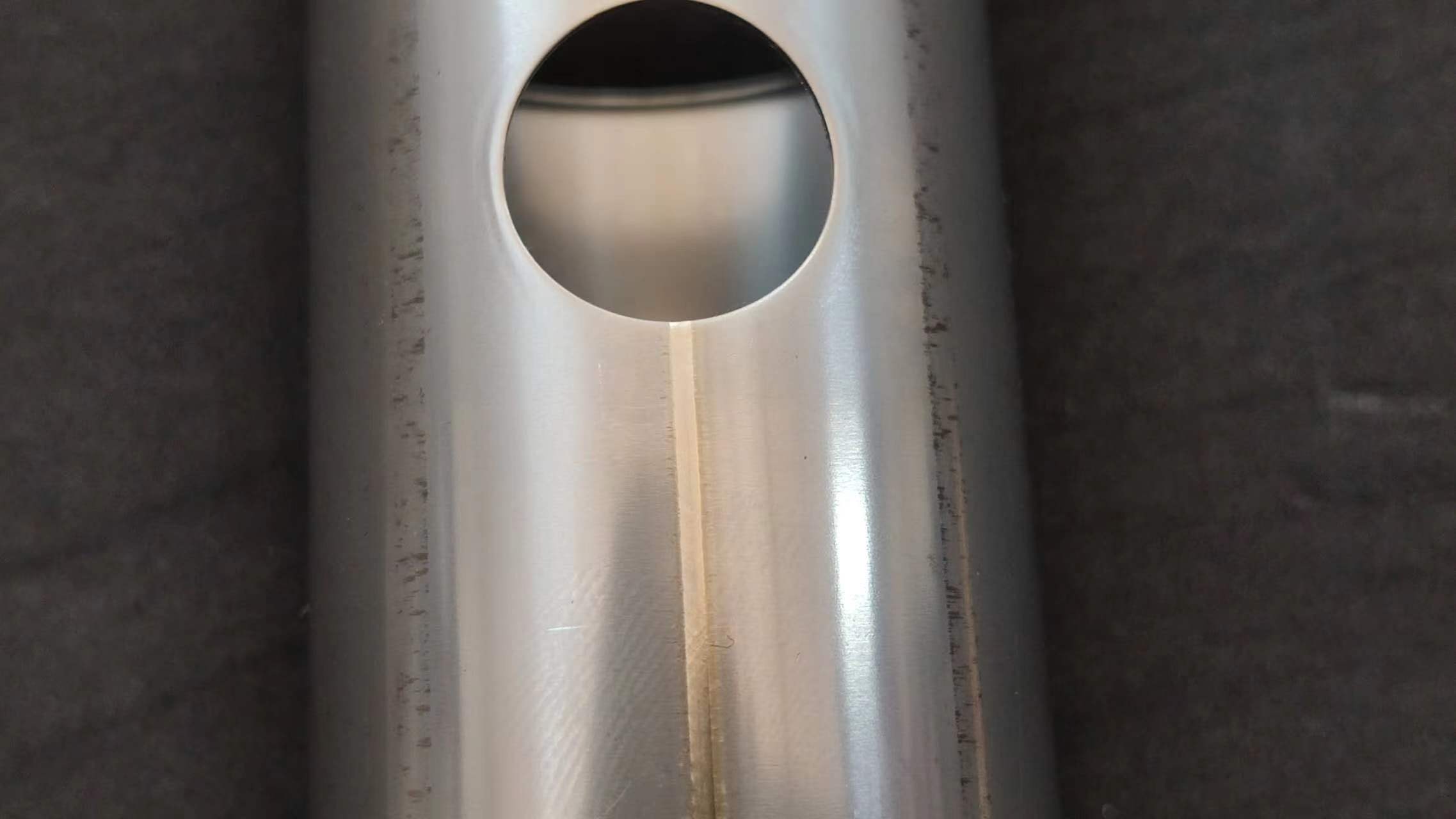
Dongguan, as a key city in China's manufacturing industry, has widely applied laser welding processing, which is characterized by the following points:
1. **High Precision**: Laser welding achieves high precision welding, suitable for tiny parts or complex structures, avoiding potential issues like excessive heat-affected zones or deformation that may arise from traditional welding methods.
2. **Small Heat Affected Zone**: Due to the concentrated heat characteristic of laser welding, the heat affected zone is relatively small, which effectively reduces material deformation and internal stress, improving welding quality.
3. **Fast Welding Speed**: Laser welding offers high-speed welding, enhancing production efficiency and is suitable for mass production and automated welding.
4. **Wide Welding Range**: Laser welding is suitable for various materials (such as metals, plastics, etc.) and can weld combinations of different materials.
5. **Contactless Welding Possible**: Laser welding does not require direct contact with the workpiece, making it advantageous for handling special shapes or parts that are difficult to reach.
6. **High Flexibility**: The control system of the laser welding equipment is versatile and adaptable, capable of being adjusted according to product requirements to meet processing needs.
7. **High Automation Level**: Dongguan's laser welding processing is typically integrated with automated equipment, enabling production processes that reduce labor costs and operational errors.
8. **Excellent Environmental Performance**: The laser welding process produces less smoke and waste, making it more environmentally friendly and conducive to meeting modern industry's requirements for environmental protection.
The above features have led to the widespread application of Dongguan's laser welding processing in industries such as electronics, automotive, and more, promoting the upgrading and development of the regional manufacturing industry.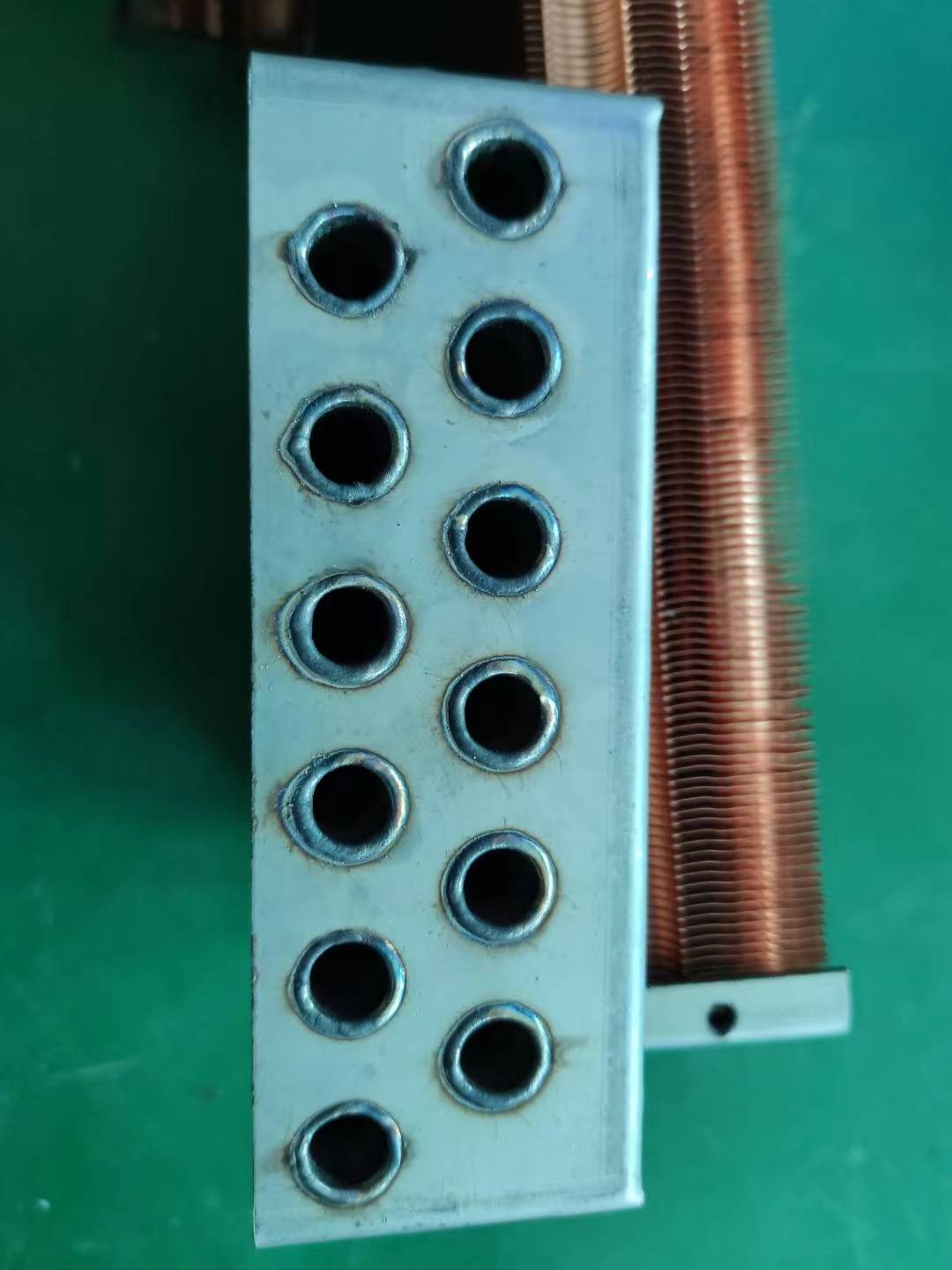
Brass, also known as red copper or electrolytic copper, is an excellent conductor of electricity and heat, widely used in the electronics, electrical, and other industrial sectors. Brass laser welding processing has the following characteristics:
1. **High-Precision Welding**: Laser welding, with its highly concentrated energy, allows for precise control over the welding area, making it ideal for welding small parts.
2. **Rapid Welding Speed**: Laser welding is typically fast, enhancing production efficiency and suitable for mass production.
3. **Small Heat Affected Zone**: The laser welding process has a low heat input, resulting in minimal deformation and a smaller heat affected zone for brass, which helps maintain the original properties of the workpiece.
4. **High Weld Quality**: Laser welding produces smooth, dense welds typically free of defects such as gas pores and slag.
5. **High Versatility**: Laser welding is suitable for thick copper materials and can achieve various welding methods, such as full penetration welding and spot welding.
6. **Easy to Automate**: The laser welding process can be automated, meeting the needs of modern production lines and enhancing production consistency and stability.
7. **Reduced Welding Stress**: Due to the faster cooling rate of laser welding, the welding stress produced is smaller, thereby minimizing cracking and deformation caused by welding.
However, laser welding of brass presents some challenges, such as its high reflectivity and relatively low laser absorption rate, which may necessitate adjusting laser parameters to enhance welding efficiency and quality.
Titanium alloy laser welding processing features include:
1. High precision and quantity: Laser welding achieves the characteristics of high focusing and high energy density, effectively controlling the heat-affected zone of welding, reducing deformation and stress, and ensuring the quality of the weld.
2. **Rapid Welding Speed**: Laser welding offers high welding speeds, ideal for mass production and efficiency enhancement.
3. **High Versatility**: Laser welding technology is capable of effectively welding titanium alloys of various thicknesses and shapes, offering high versatility.
4. **Small Heat Affected Zone**: Laser welding concentrates heat, resulting in a smaller heat affected zone, which is beneficial for maintaining the parent material's structure and properties.
5. **Clean Welding Process**: As laser welding is a non-contact process, it is less likely to introduce contamination during welding, thus maintaining the cleanliness of the welding surface.
6. **Excellent Welding Shape**: Laser welding achieves superior welding shapes, reducing defects such as gas pockets and cracks.
7. **High Level of Automation**: Laser welding can be integrated with automated production lines, making it suitable for mass production and enhancing welding consistency and stability.
8. **High Requirements for Welding Materials**: The unique properties of titanium alloys demand higher standards for laser welding equipment and processes, necessitating appropriate adjustments to the process parameters.
In summary, titanium alloy laser welding processing demonstrates superior performance in industrial applications, particularly suitable for fields that demand stringent material properties, such as equipment and instruments.
Stainless steel laser welding processing is widely used in various fields due to its efficiency, high precision, and low heat-affected zone. The following are some of the main applications:
Automotive Industry: Welding for body structures, exhaust systems, fuel tanks, and other components.
2. **Food & Pharmaceutical Industry**: Welding for stainless steel equipment and pipelines, ensuring hygiene and corrosion resistance.
3. **Electronics**: Used for welding electronic components, such as phone casings, computer parts, etc.
4. **Chemical Industry**: Welding for chemical equipment and storage tanks, resistant to corrosion and high temperatures.
5. **Building and Decoration**: Welding for stainless steel railings, handrails, and decorative components.
6. **Equipment**: Welding for stainless steel components used in surgical instruments and tools.
7. Welding for Aircraft Structures and Engine Parts: Strict quality and safety standards required.
8. **Shipbuilding and Marine Engineering**: Welding for ship structures and marine equipment, requiring corrosion resistance.
Laser-welded stainless steel materials enable thin-walled and complex-shaped welding with high-quality weld joints and minimal deformation, making them a crucial technology in modern manufacturing.
询价单


